














Parcel Singulation, Six-Side Identification and 42-Destination Sorting in One Integrated Line
42-Port Integrated Narrow Belt Sorting System with Single-Piece Separation & Six-Side DWS
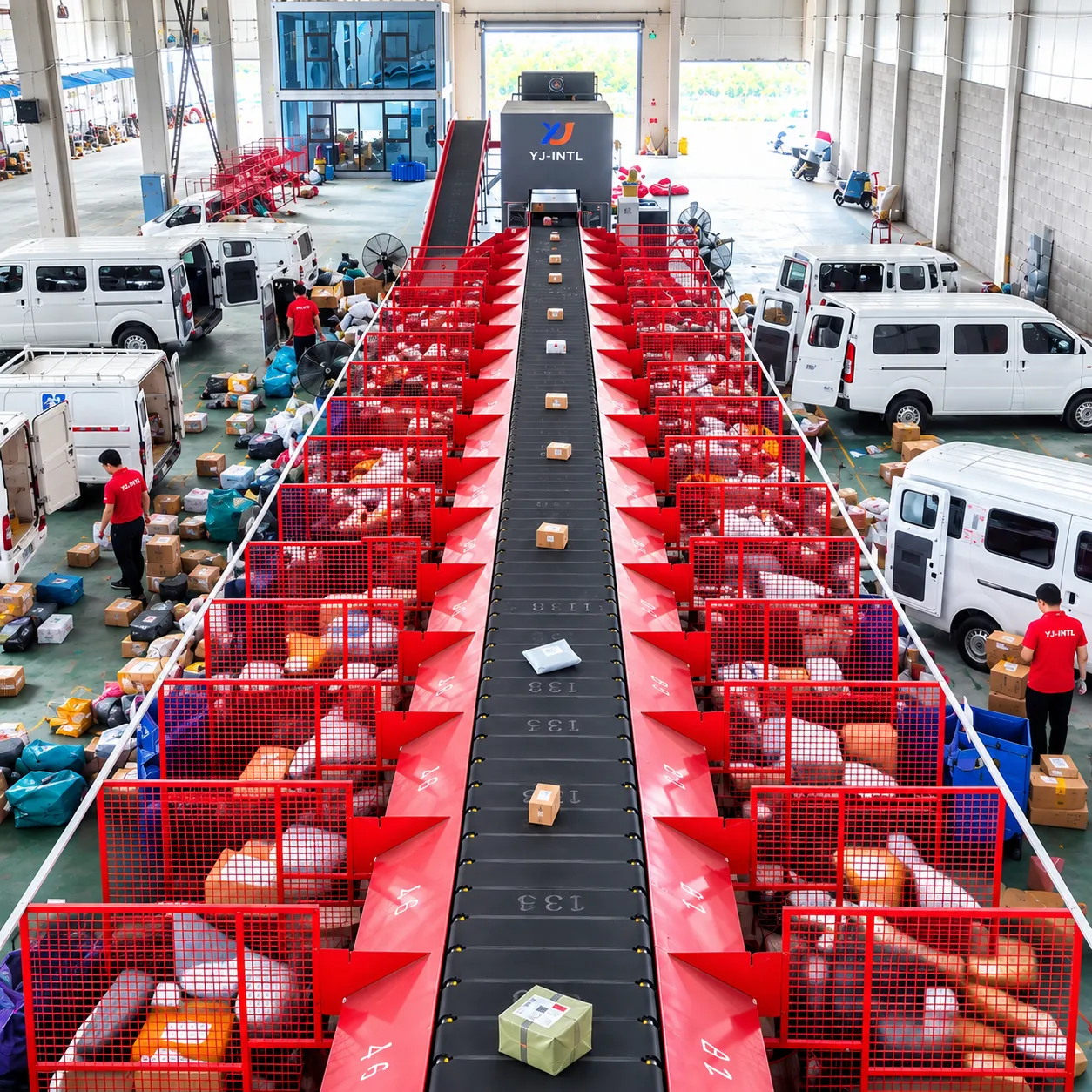
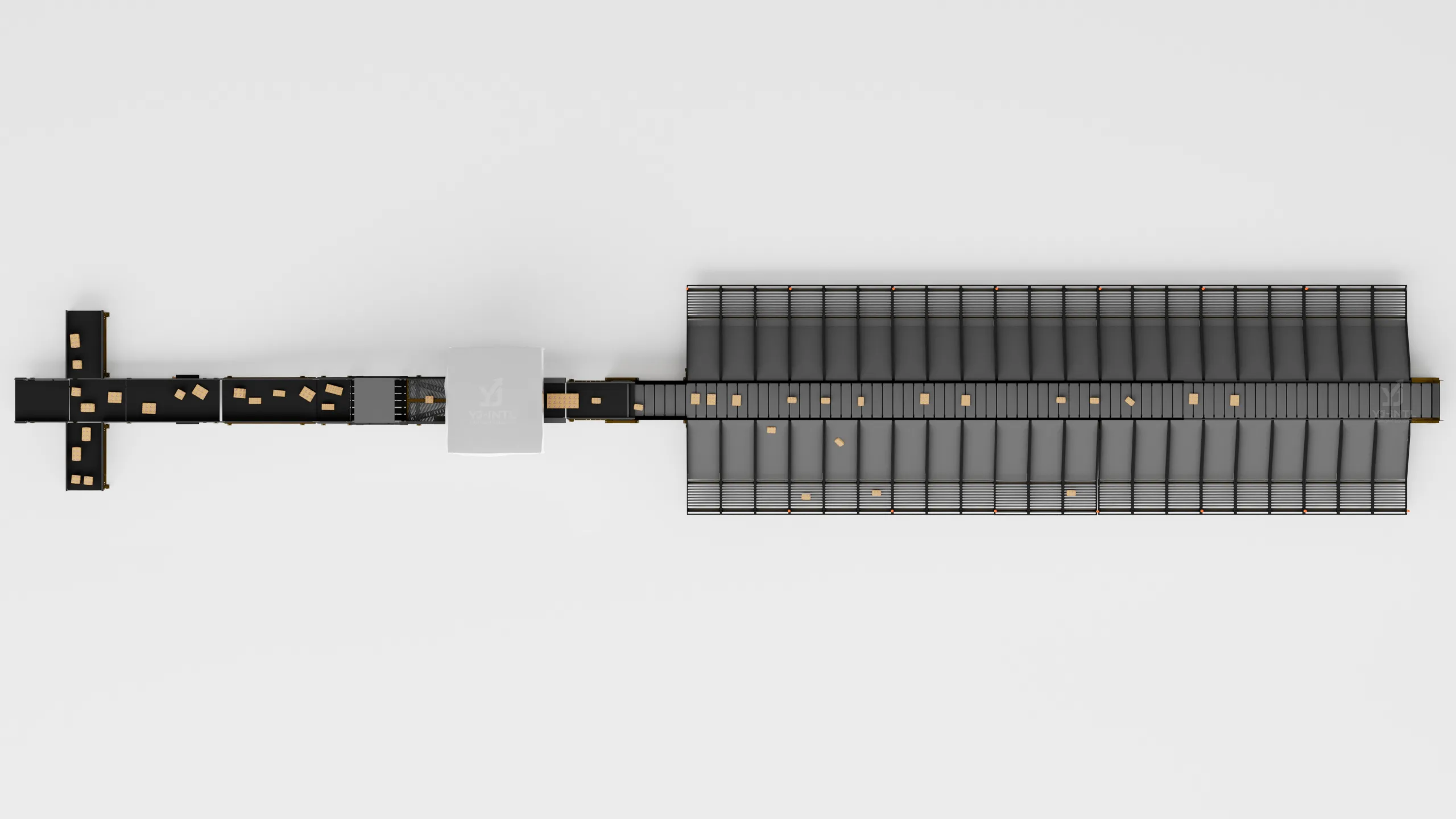
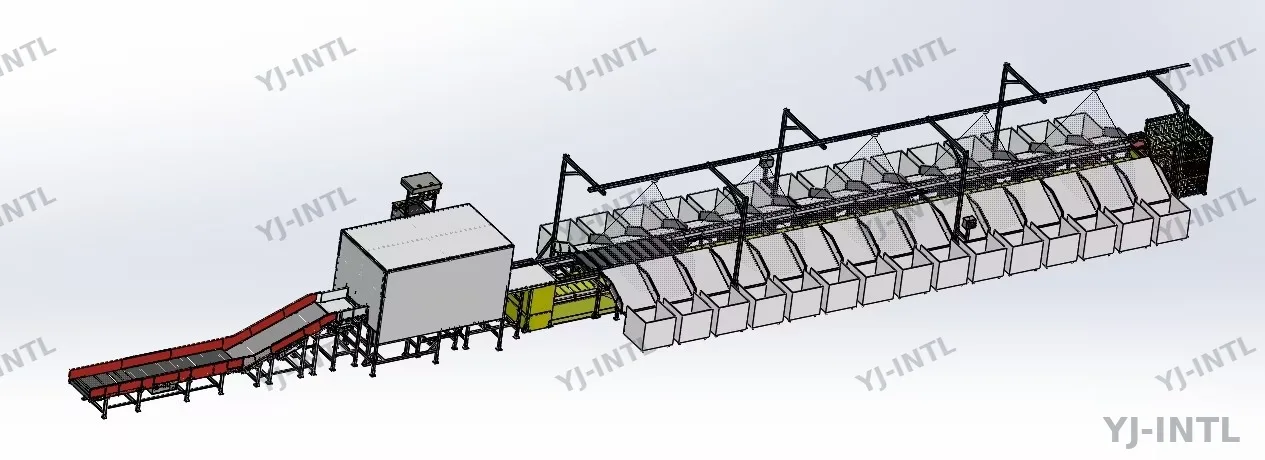
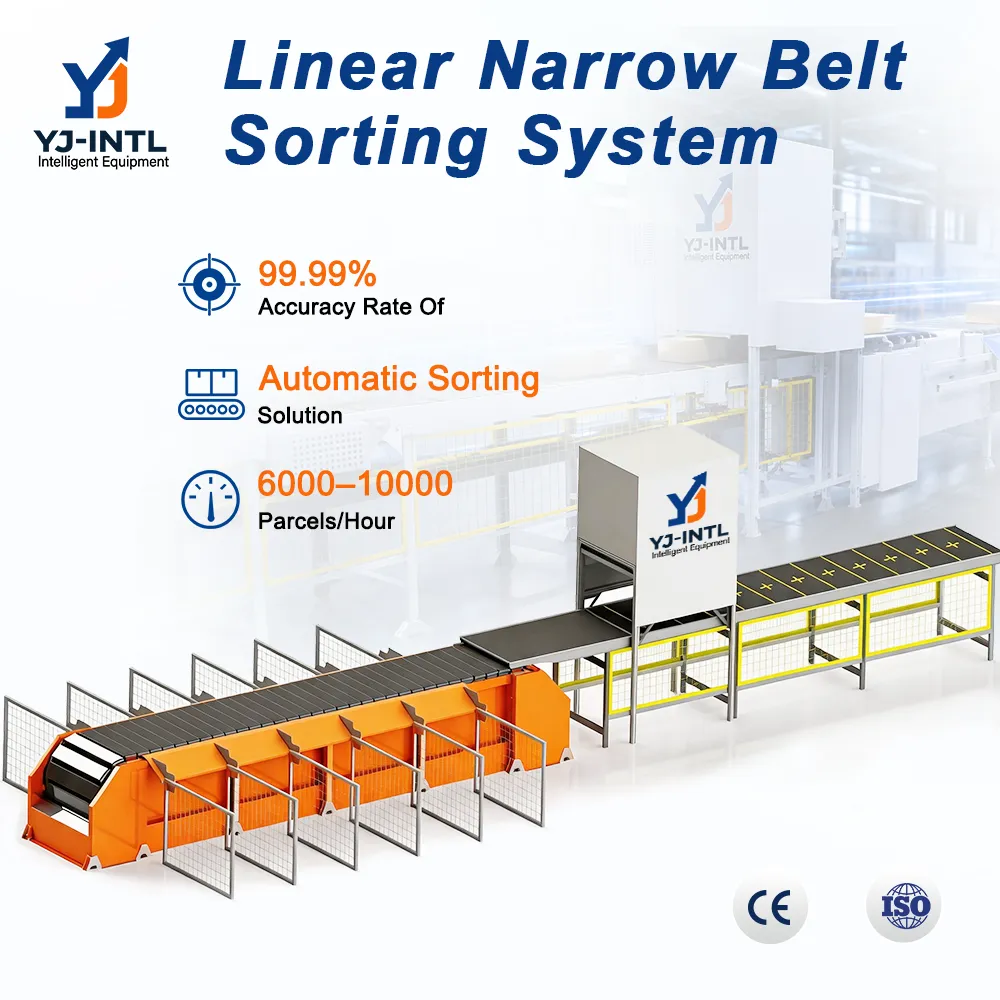
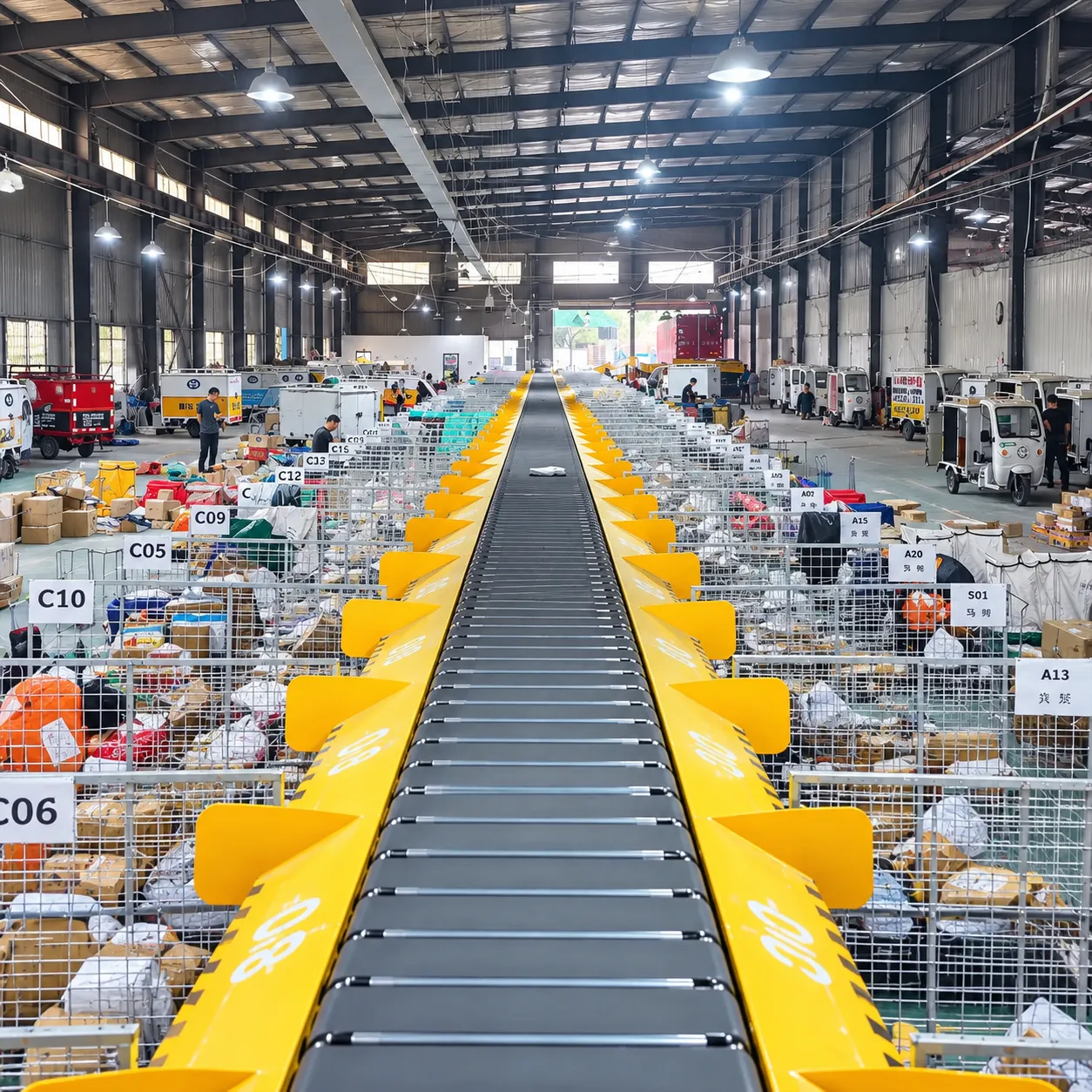
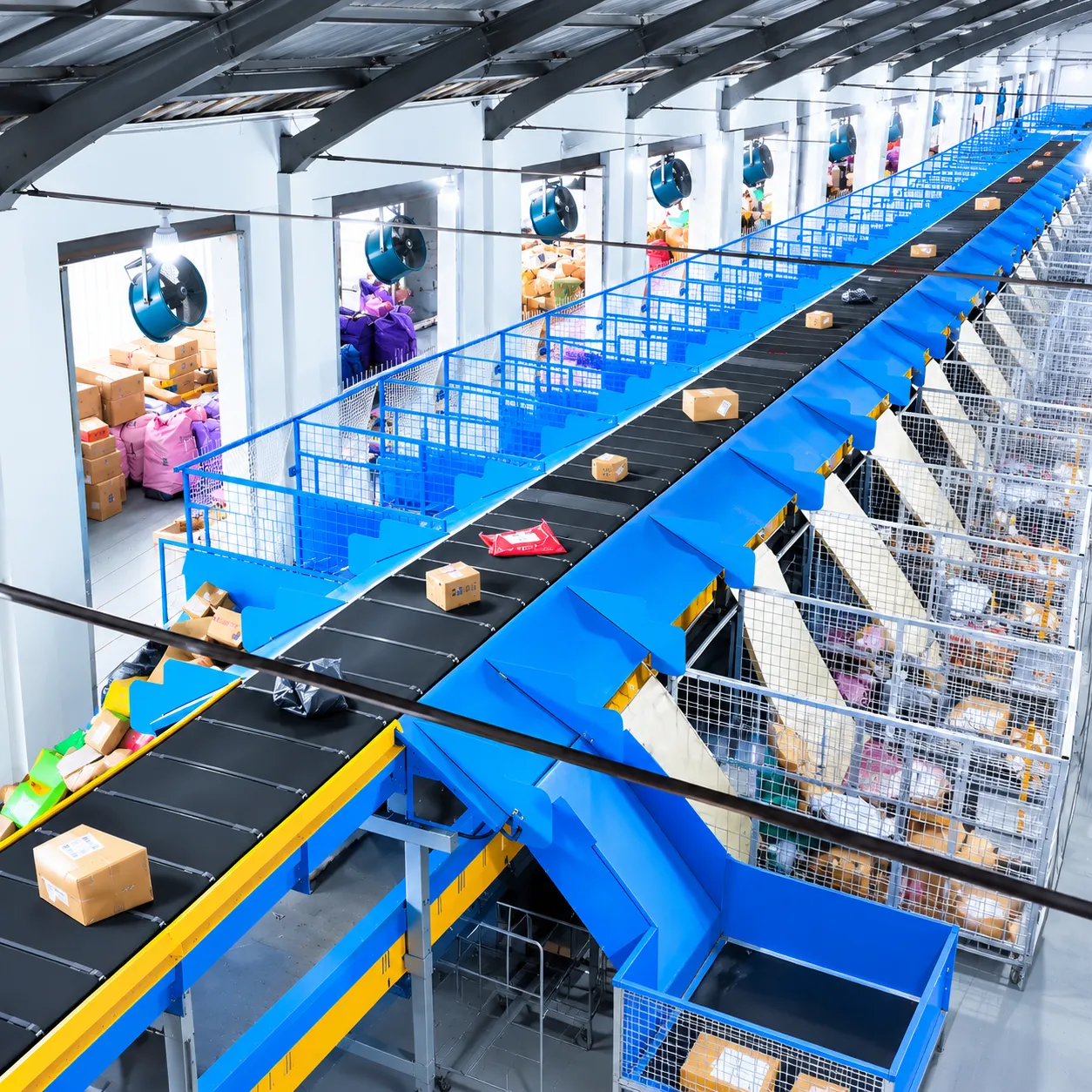
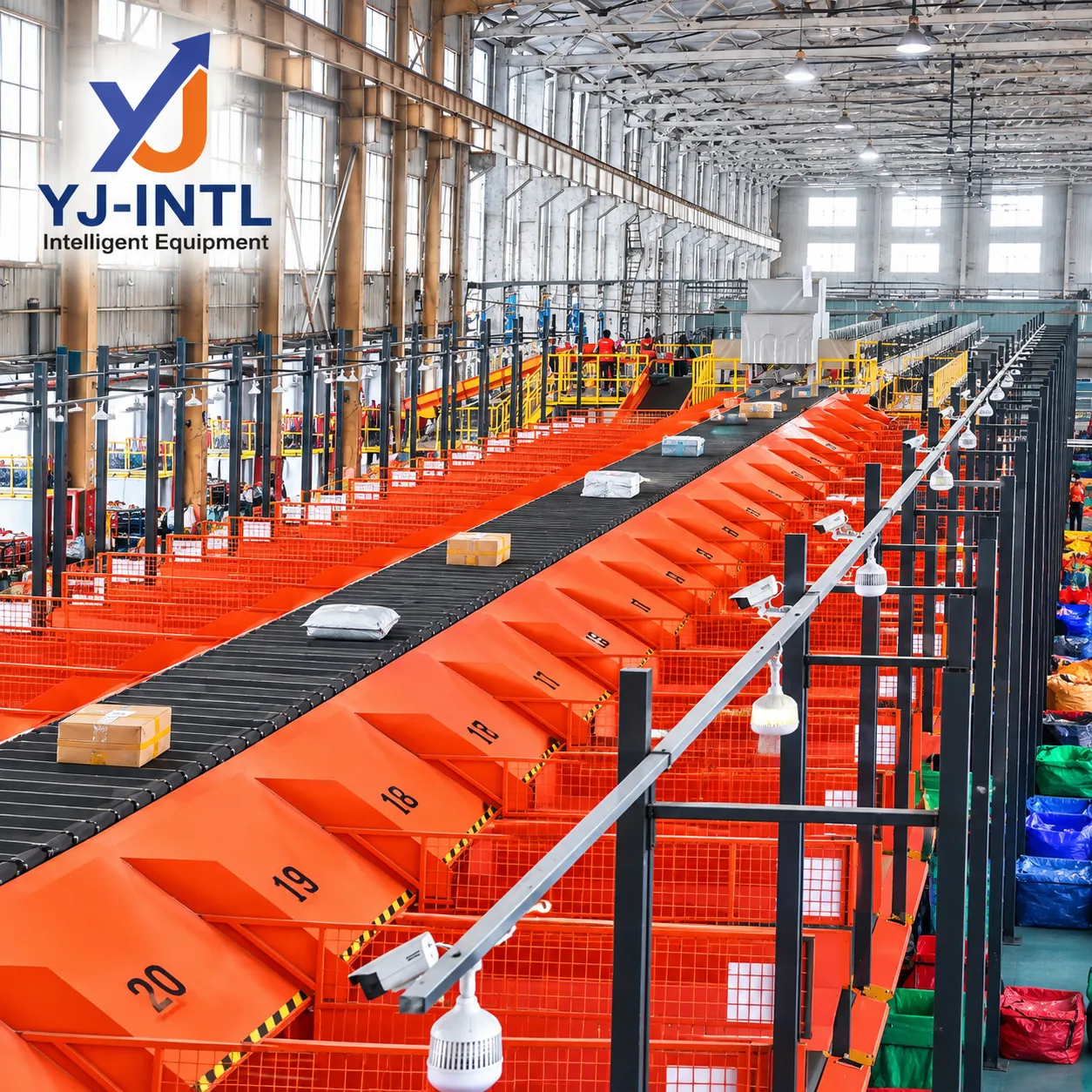
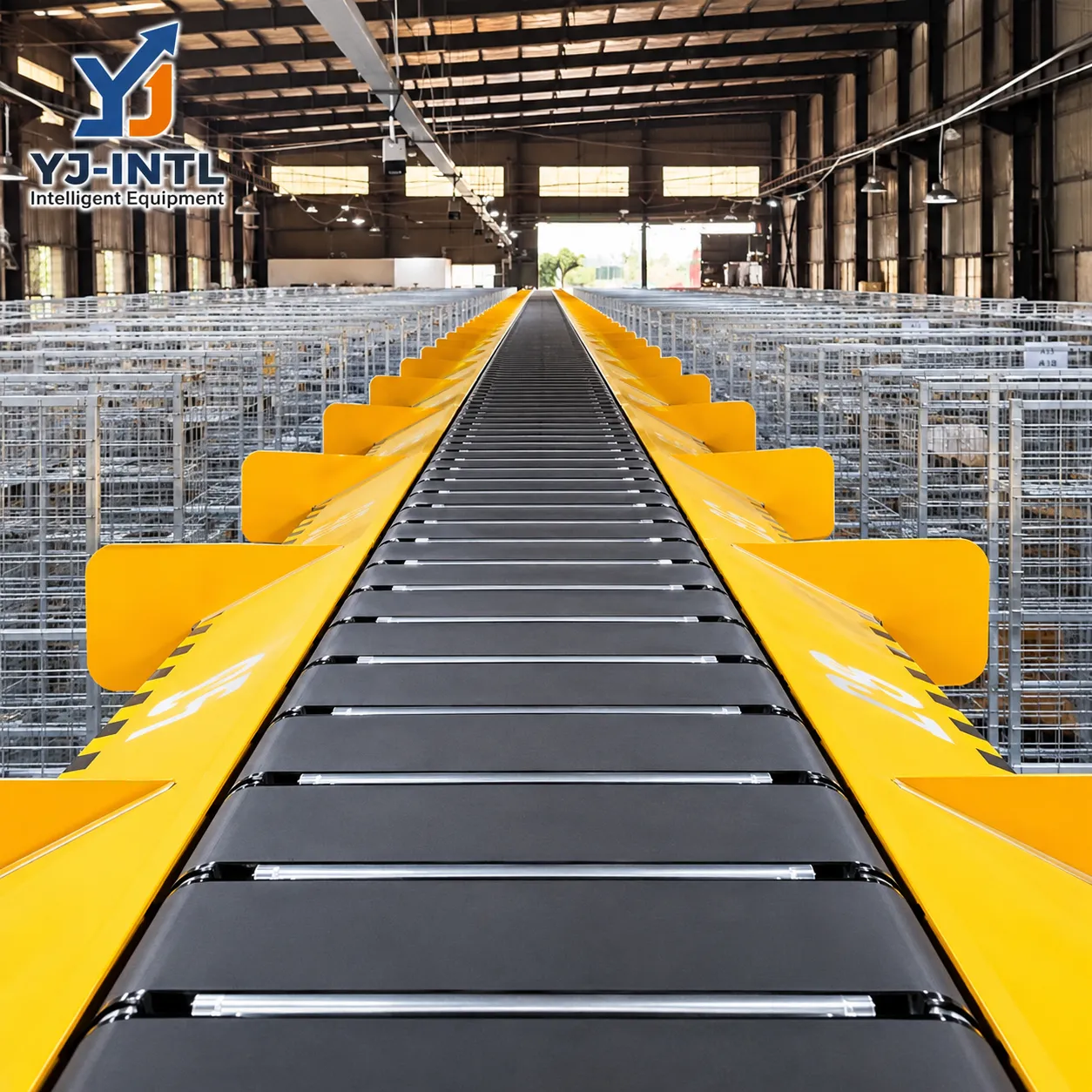
YJ-INTL's 42-Port Integrated Parcel Sorting System combines automatic single-piece separation, dynamic six-side scanning and a linear narrow belt sorter into one coordinated parcel processing line. It is designed to transform dense, mixed incoming parcel flows into individually identified, measured and destination-sorted shipments.
By integrating parcel singulation, in-motion data acquisition and automated discharge, the system connects three critical stages of express logistics operations: parcel flow preparation, shipment data capture and destination distribution.
- Integrated Three-Stage Parcel Processing
- Automatic Single-Piece Separation
- Dynamic Six-Side Barcode Scanning
- In-Motion Weighing & Dimensioning
- 42 Automated Sorting Destinations
- Narrow Belt Lateral Diversion
- Up to 8,000 pcs/h Reference Singulation Capacity
- WMS / WCS Data Integration
Technical Specifications
| Specification | Details | Specification | Details |
|---|---|---|---|
| Product Name | Integrated Parcel Sorting System | Brand | YJ-INTL |
| System Configuration | Singulator + Six-Side DWS + Narrow Belt Sorter | Sorting Destinations | 42 Ports |
| Singulator Type | Automatic Single-Piece Separation | Singulator Reference Capacity | Up to 8,000 pcs/h |
| Separation Recognition | Up to 99.9% Reference | DWS Type | Dynamic Six-Side DWS |
| Scanning Coverage | Six-Side Scanning | Barcode Identification | 1D / 2D Barcode, Configuration Dependent |
| Weighing Method | Dynamic Weighing | Dimension Measurement | Dynamic Dimensioning |
| Sorter Type | Linear Narrow Belt Sorter | Carrier Pitch | 200 / 300 mm |
| Belt Width | 800 / 1,000 mm | Operating Speed | 2–2.5 m/s Reference |
| Sorter Reference Capacity | 7,000–10,000 parcels/h | Maximum Parcel Load | Up to 50 kg, Configuration Dependent |
| Parcel Identification | Barcode / DWS / OCR | Control System | PLC / Sorting Controller |
| Software Integration | WMS / WCS | Infeed | Automatic / Customized |
| Discharge Method | Lateral Belt Diversion | Outfeed | Chutes / Cages / Conveyors |
| System Layout | Customized | Application | Express / E-commerce / 3PL |
Technical Notes
- The singulator's reference throughput and separation recognition rate are based on the published singulator configuration.
- The DWS system supports six-side scanning, dynamic weighing and dimension measurement. Its final measurement range, accuracy and capacity are configuration-dependent.
- The narrow belt sorter reference parameters are based on YJ-INTL's published narrow belt configurations.
- The 42-port quantity is the specified configuration for this integrated product. Final throughput, parcel envelope and system performance must be confirmed through the complete line design
Подробности
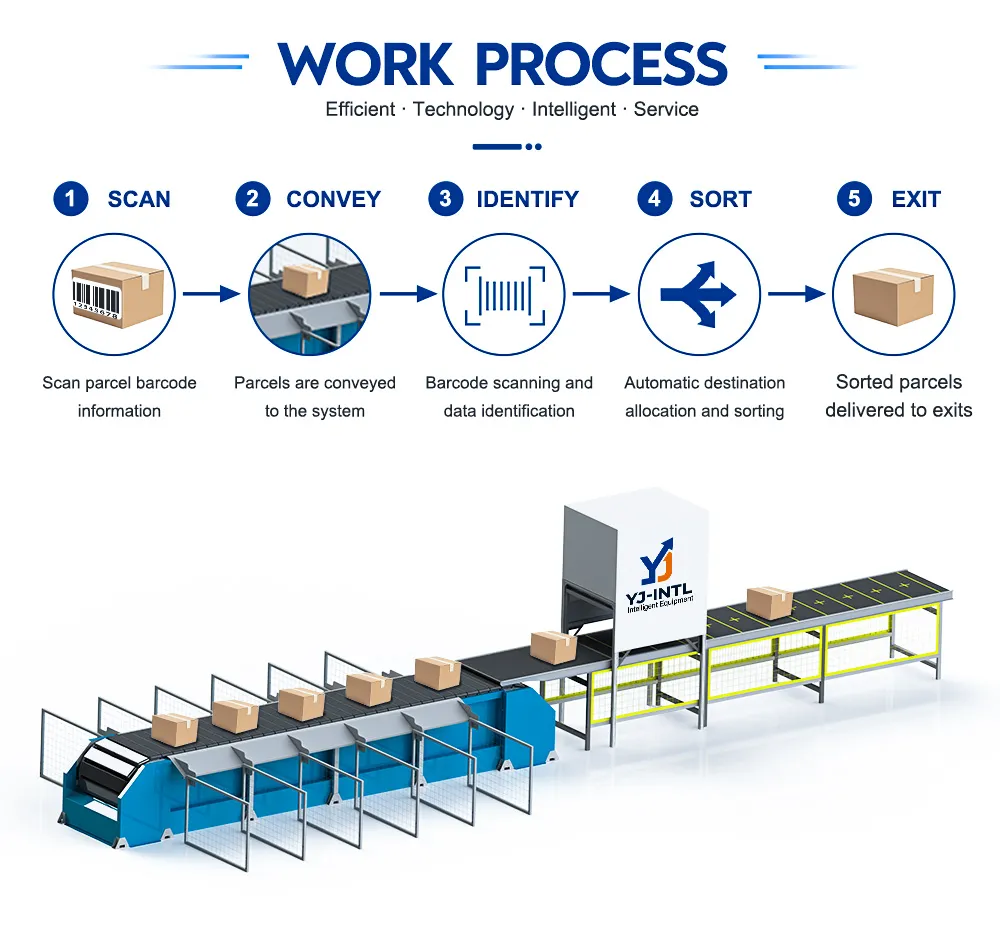
YJ-INTL Integrated Parcel Sorting System combines an automatic parcel singulator, dynamic six-side DWS scanning system and a 42-port linear narrow belt sorter into one automated equipment line. It integrates parcel separation, barcode identification, dynamic weighing, dimension measurement and destination sorting to process mixed parcel flows from infeed to outbound distribution.
Designed for express hubs, e-commerce fulfillment centers and logistics distribution facilities, this integrated system provides a coordinated solution for parcel handling, data acquisition and multi-destination sorting.
Product Advantages
One Line, Three Core Functions
Improved Parcel Feeding: Automatic separation prepares a more orderly parcel flow before scanning and measurement.
Complete Parcel Data Capture: Six-side scanning, dynamic weighing and dimensioning collect shipment information in one continuous process.
42-Destination Sorting: The narrow belt sorter automatically distributes parcels according to configured destination rules.
Integrated Equipment Operation: The connected modules reduce repeated manual handling between independent processing stations.
Suitable Parcel Types
The integrated system can be configured for compatible parcel types, including:
- Corrugated cartons
- E-commerce parcels
- Poly mailers
- Padded envelopes
- Shoe boxes
- Small and medium packages
- Selected irregular parcels
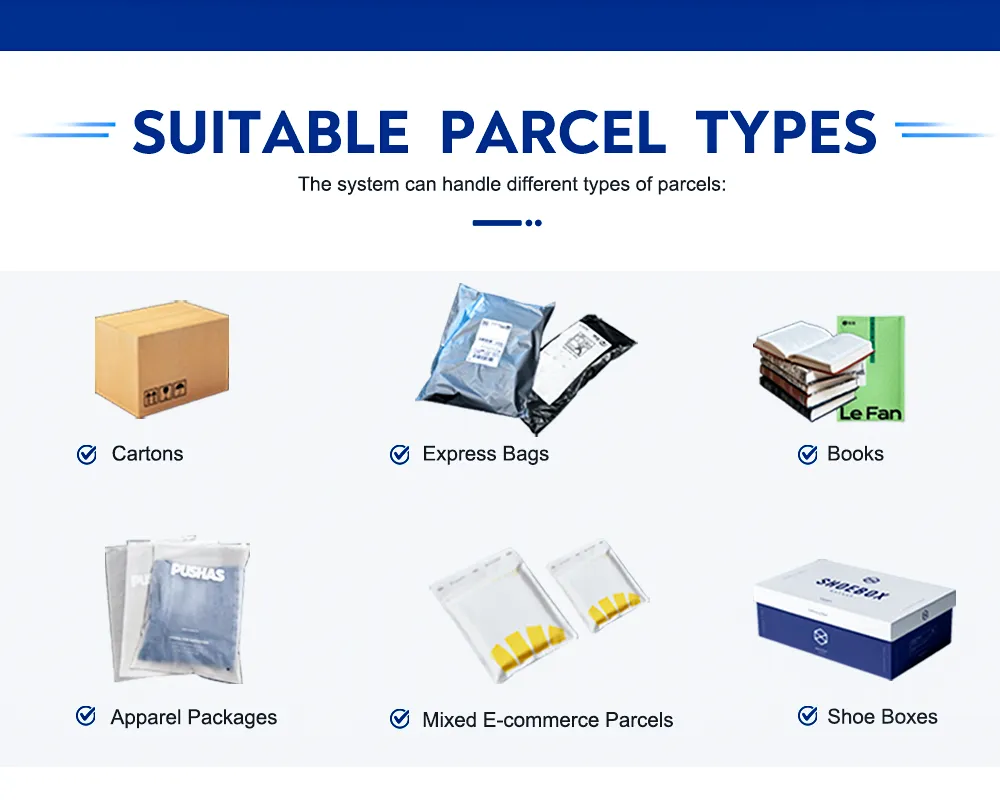
The actual applicable parcel range depends on the singulator, DWS and narrow belt sorter configurations. Representative package testing is recommended for flexible, irregular or unstable parcels.
Application Scenarios
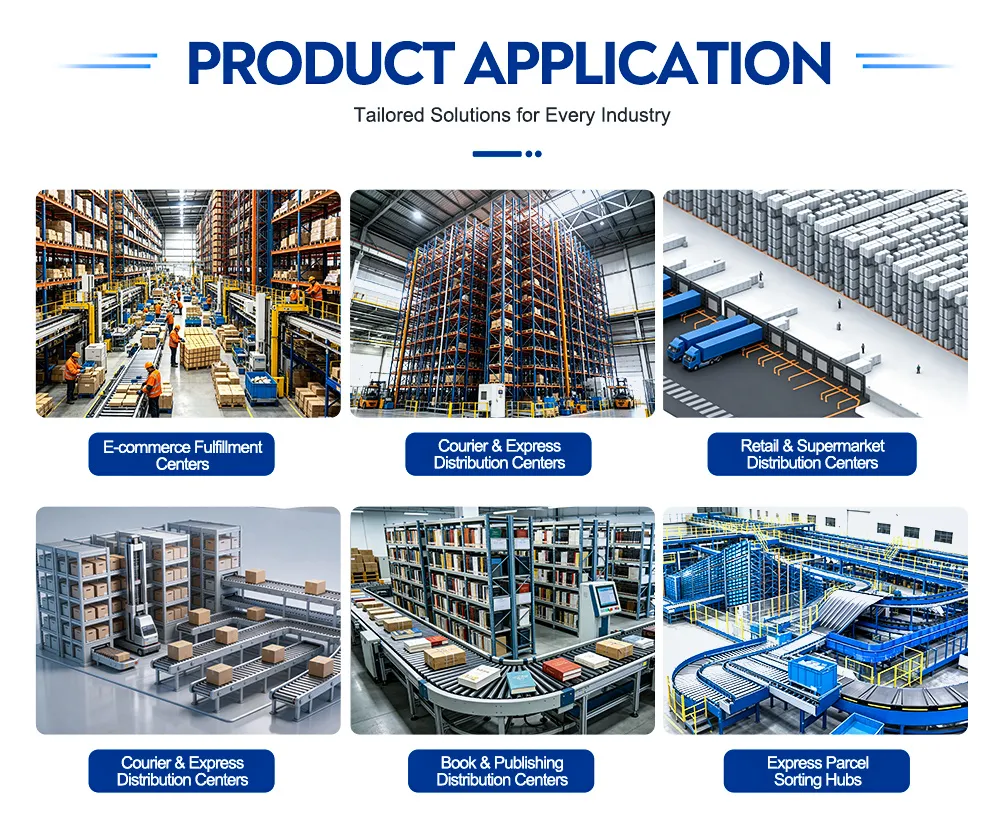
Express Distribution Centers
Automated parcel separation, data acquisition and multi-destination sorting for regional express hubs.
E-commerce Fulfillment Centers
Integrated parcel measurement and outbound sorting for high-volume online order fulfillment.
3PL Warehouses
Standardized parcel processing and destination allocation for third-party logistics operations.
Postal Sorting Facilities
Automated parcel identification and routing across multiple delivery destinations.
Why Choose YJ-INTL?
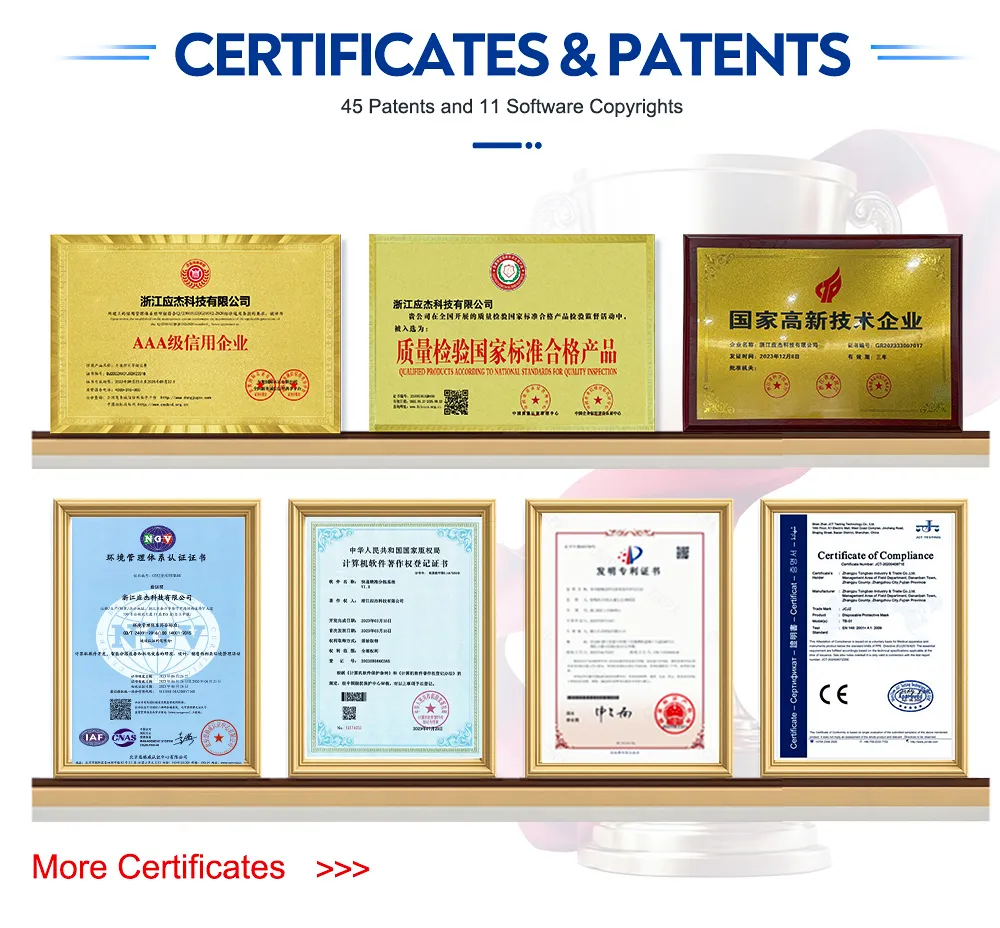
Complete Equipment Portfolio
Singulators, DWS systems, narrow belt sorters, conveyors and other logistics automation equipment.
Customized System Configuration
Equipment layout and technical configuration based on parcel dimensions, required capacity and destination quantity.
Manufacturing & Engineering Capability
In-house equipment manufacturing and engineering support for integrated logistics automation projects.
System Integration
Coordination of mechanical equipment, electrical controls and WMS/WCS interfaces.
Installation & Commissioning
Technical support for equipment installation, system commissioning and operator training according to project scope.
After-Sales Support
Technical assistance and maintenance support for equipment operation.
Вопросы и ответы
A 42-port integrated parcel sorting system is an automated logistics line that combines single-piece parcel separation, dynamic six-side DWS and a 42-destination narrow belt sorter. It is designed to prepare incoming parcels, collect shipment information and distribute packages to designated outbound destinations through one coordinated process.
The typical configuration includes an infeed conveyor, automatic single-piece separation module, parcel centering or spacing section where required, dynamic six-side DWS, tracking and control system, 42-port linear narrow belt sorter and outbound collection equipment. The final arrangement depends on the customer's site layout and operating requirements.
Single-piece separation helps reduce parcel overlap and close spacing before packages enter the scanning area. If two parcels enter a DWS section together, the system may have difficulty associating the correct barcode, weight and dimension information with each shipment. Singulation creates more controlled conditions for downstream identification and tracking.
A dynamic DWS system can collect parcel identification information, weight and dimensions while the parcel is moving through the equipment. The six-side scanning configuration provides broader barcode scanning coverage across different parcel surfaces.
Yes. A six-side scanning arrangement is designed to capture identification information from multiple parcel surfaces. This reduces dependence on a fixed barcode-facing direction. Actual scanning results depend on barcode quality, label placement, parcel characteristics and the selected scanning configuration.
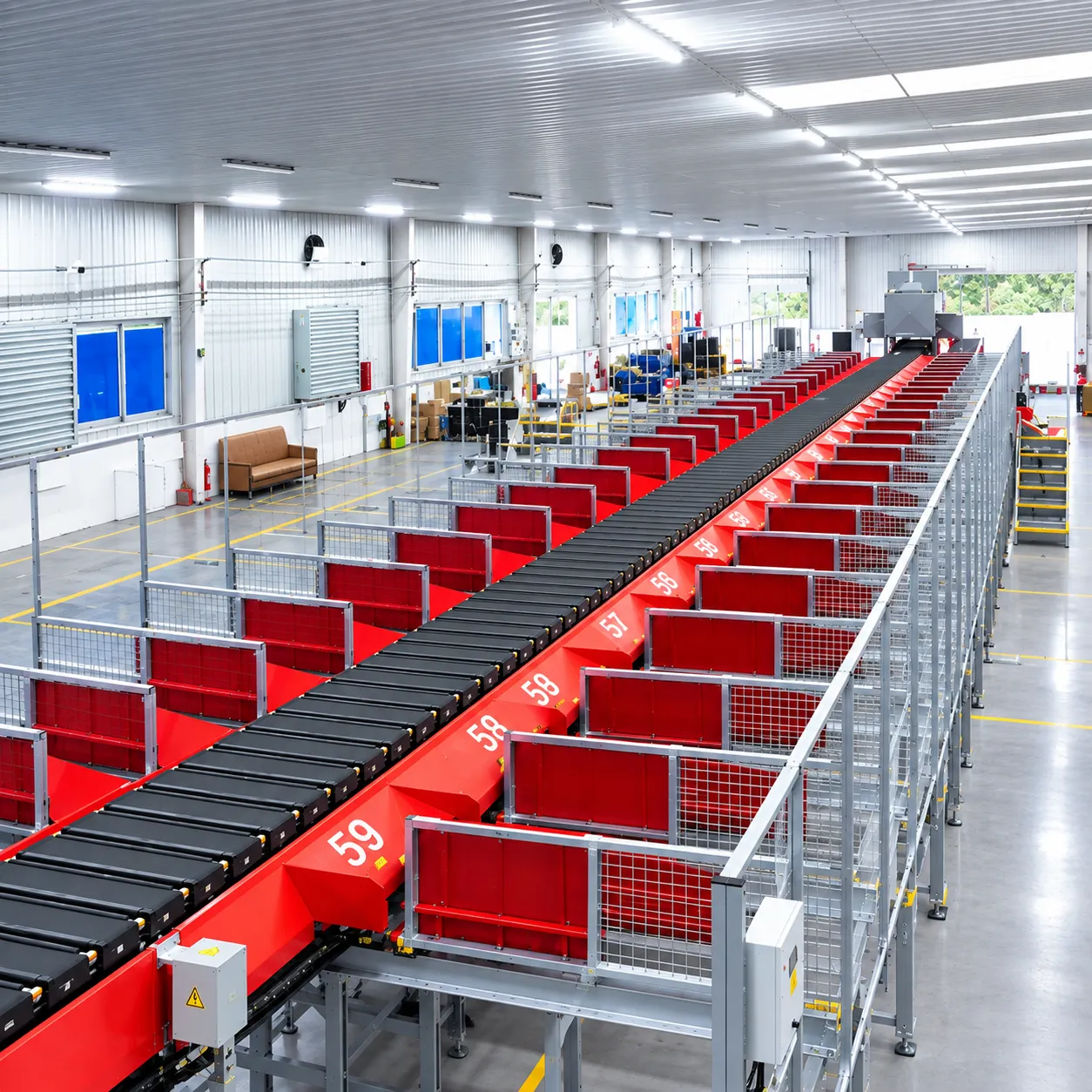
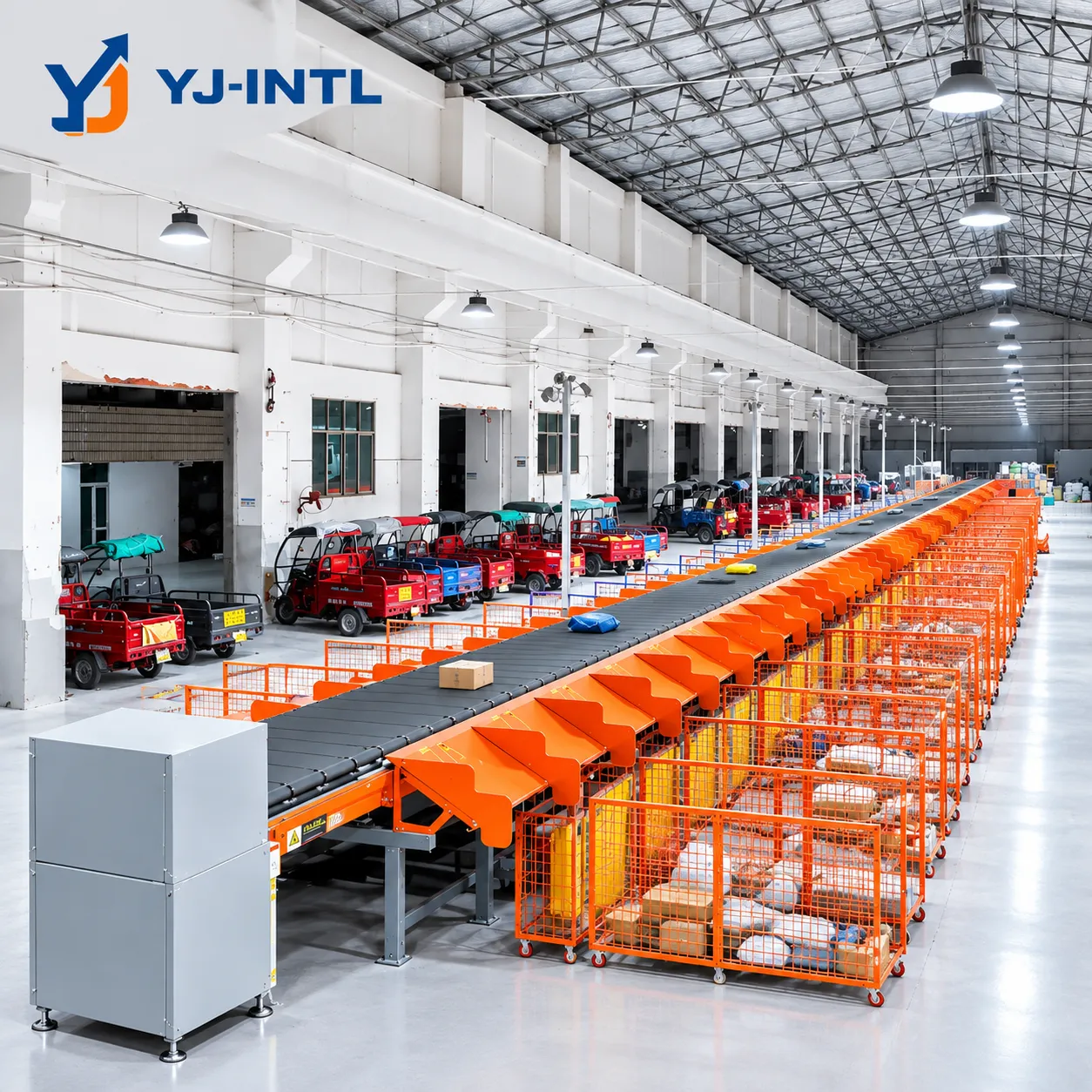
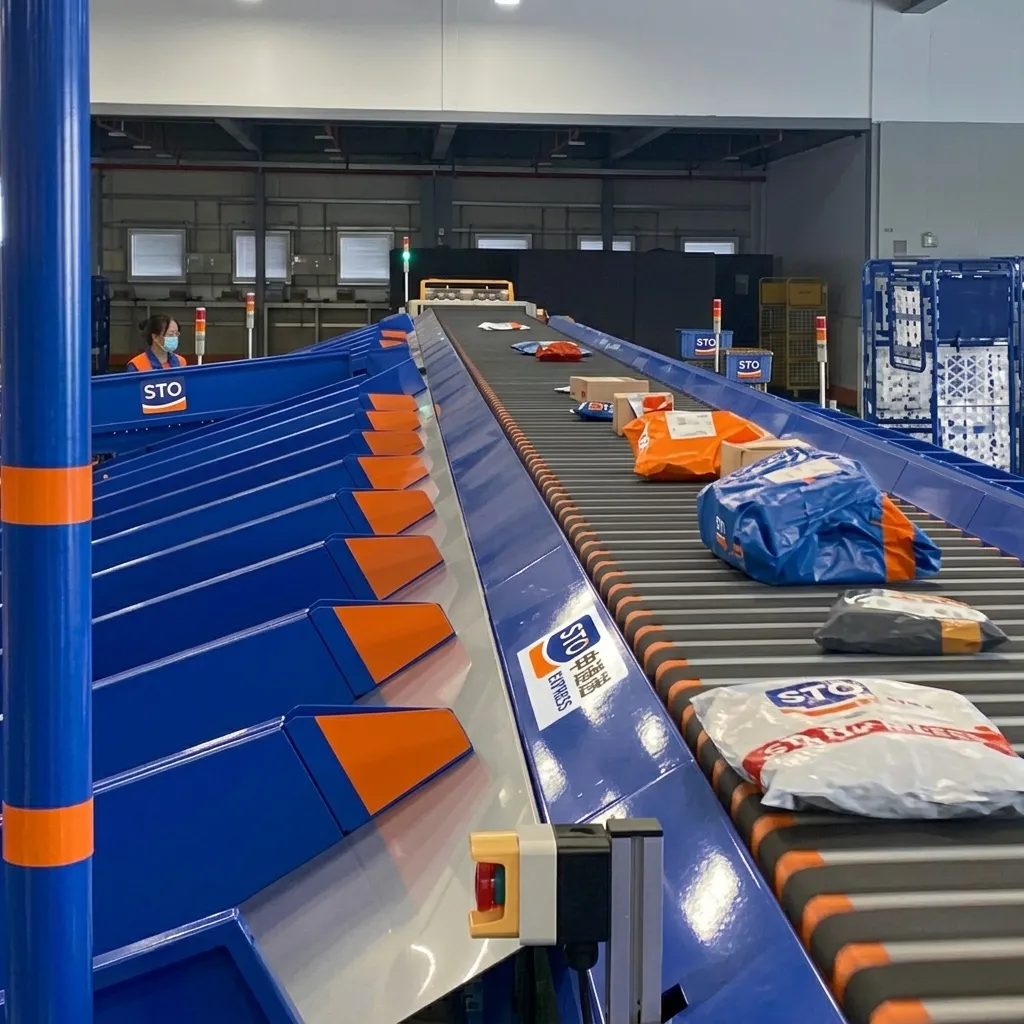
The narrow belt sorter receives identified parcels, tracks their positions and uses the assigned destination information to activate the corresponding lateral diversion mechanism. Each parcel is directed to one of the 42 configured sorting outlets, where it can be collected in a bag, cage, container or downstream conveyor.
The capacity of the complete line must be calculated from the performance of the singulator, DWS, sorter and downstream collection system. Published YJ-INTL equipment references include up to 8,000 pcs/h for the singulator and 7,000–10,000 parcels/hour for a relevant narrow belt configuration. These figures are not a guaranteed capacity for the integrated system. The final rated throughput requires project-specific engineering.
The system can be configured for cartons, poly mailers, padded envelopes, shoe boxes, small parcels and other compatible packages. The applicable parcel range depends on the dimensions, weight, shape, surface and handling characteristics of the products.
Yes, the line can be engineered for mixed carton and poly mailer flows. However, flexible and irregular parcels may require additional evaluation of the separation, centering and scanning processes. Representative samples should be tested before the final configuration is confirmed.
Yes. The system can be designed to communicate with WMS and WCS platforms. Typical data exchanges include barcode information, parcel weight, dimensions, destination instructions and processing status. The required interface architecture is confirmed with the customer's software team.
Yes. The 42 outlets can be assigned according to delivery branches, geographic regions, transport routes, service categories or other customer-defined destination rules. The outlet layout and collection method are customized during engineering.
Unreadable barcodes should be managed through a predefined exception-handling process. Depending on the project configuration, this may include a no-read outlet, manual review station, rescanning process or a separate exception conveyor. The exact method must be agreed during system design.
Yes. The integrated line can be designed to connect with existing conveyors and warehouse material handling equipment. Connection points, conveyor height, speed, transfer direction and control interfaces need to be checked against the existing facility layout.
To design the system, YJ-INTL recommends receiving parcel photos, minimum and maximum parcel dimensions, weight range, average and peak throughput, barcode information, destination quantity, warehouse layout, collection method and WMS/WCS interface requirements. These details allow the engineering team to evaluate the complete line rather than selecting individual machines in isolation.
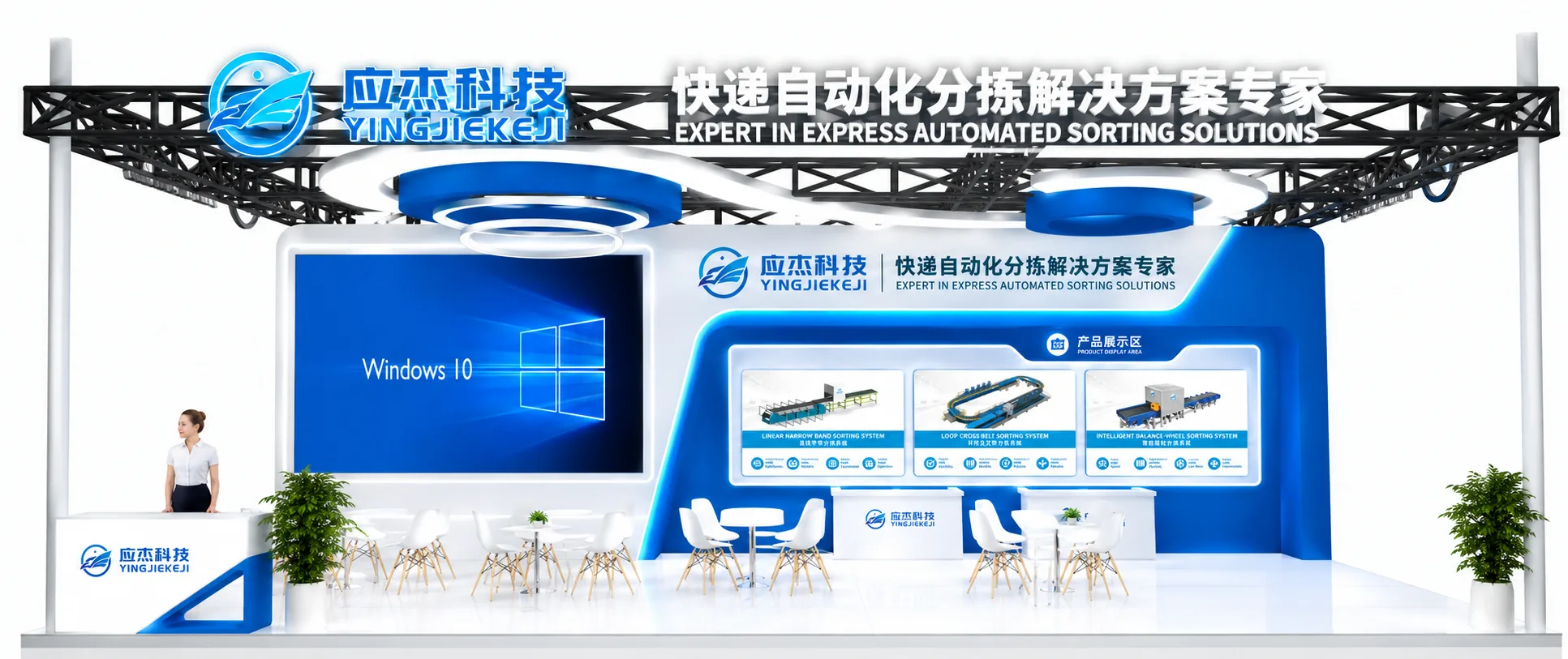
Meet YJ-INTL at CeMAT ASIA 2026: Visit Booth N2-C1-2 for Complete Intralogistics Solutions
Читать далее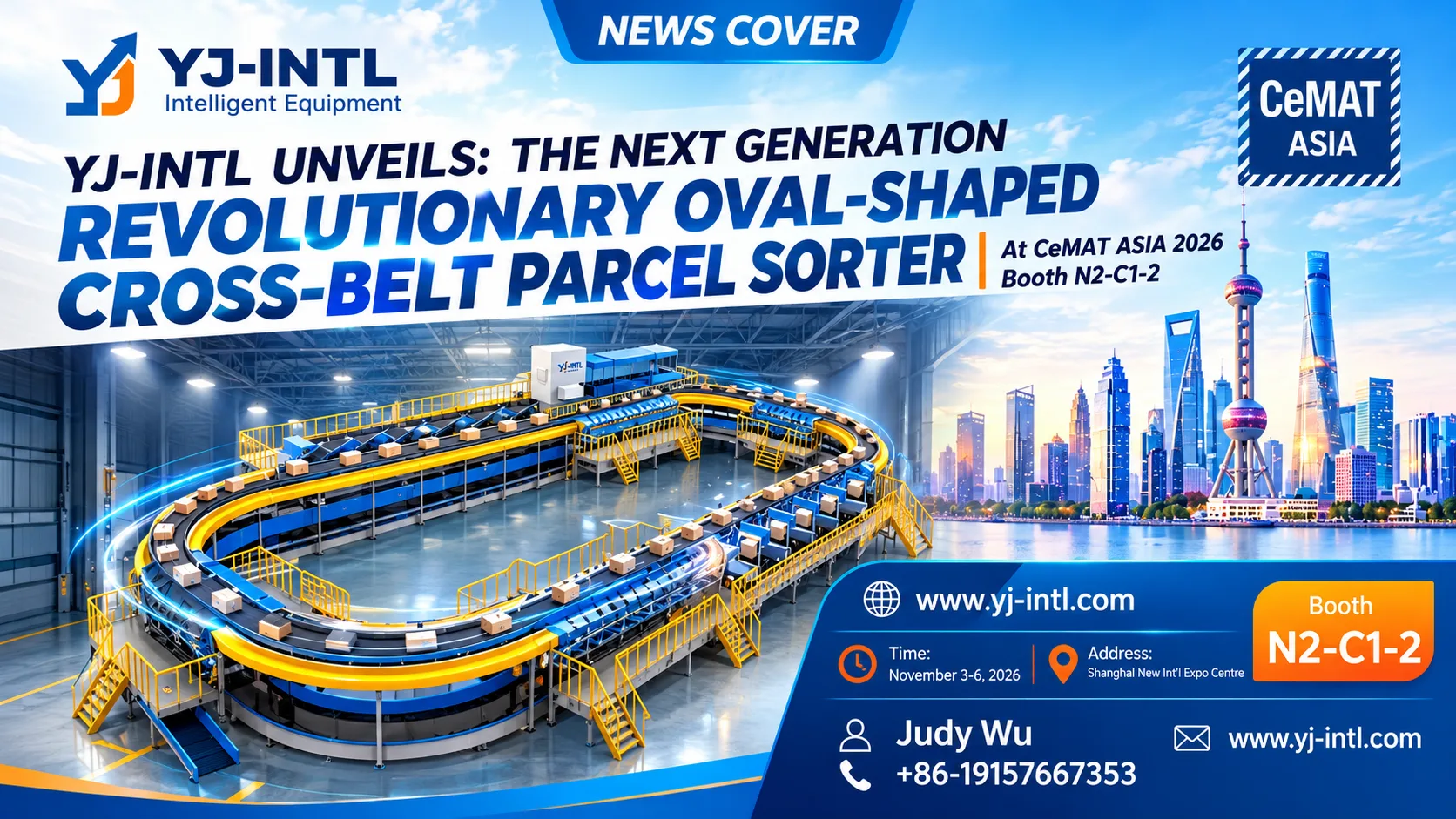
Meet YJ-INTL at CeMAT ASIA 2026: Sorting Equipment and Complete Intralogistics Solutions
Читать далее
Посетите стенд YJ-INTL на выставке CeMAT ASIA 2026: откройте для себя интеллектуальные решения для автоматизации складов
Читать далее