

















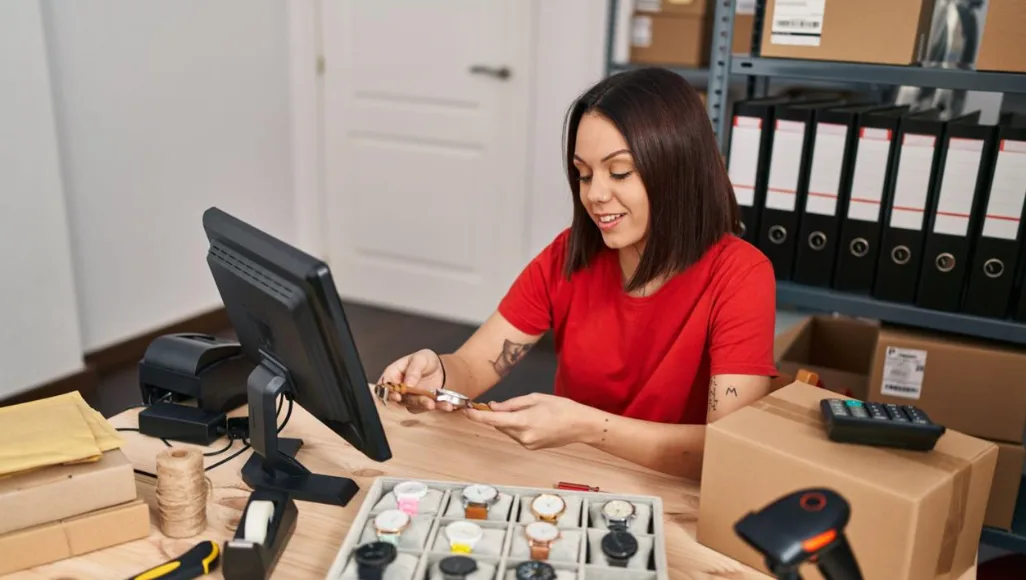
For e-commerce enterprises, the packaging process is more than just the final step before shipment; it directly impacts order fulfillment efficiency, labor costs, logistics lead times, and a company’s capacity to scale alongside business growth. As e-commerce order volumes rise, traditional manual packaging methods often hit efficiency bottlenecks. This is particularly true in retail sectors such as jewelry, watches, apparel, and accessories—where, despite the relatively small size of individual items, the high volume of orders and frequent packaging requirements mean that repetitive tasks like retrieving bags, inserting items, sealing, and labeling consume significant amounts of time and human labor.
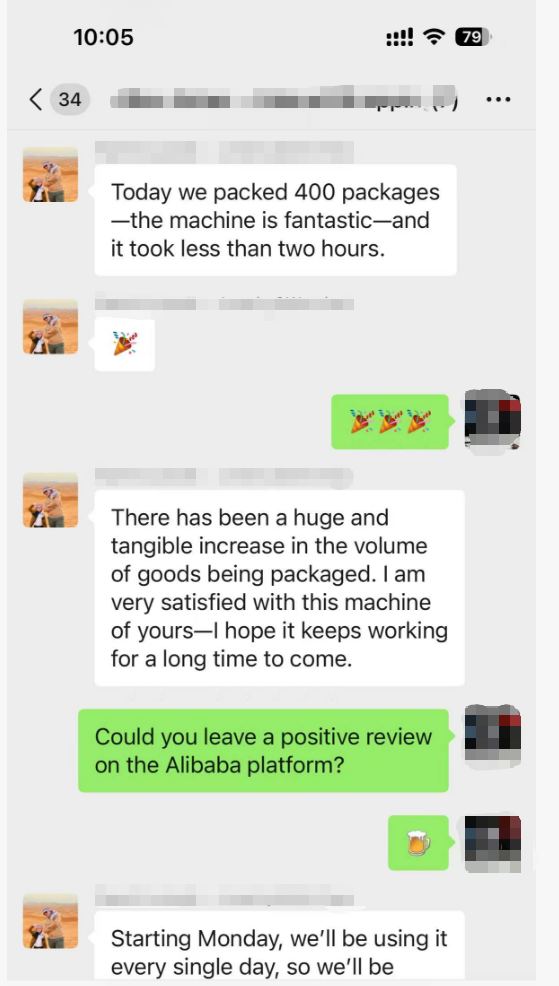
Recently, YJ-INTL received feedback from a client in Poland. The client, who operates a retail business specializing in jewelry and watches, shared a positive assessment of the YJ-INTL automatic bagging machine following its implementation. "Today, we processed 400 packages," the client noted. "The machine is fantastic, and the entire process took less than two hours."
Furthermore, the client reported a clear and tangible increase in their packaging throughput. Expressing high satisfaction with the machine’s performance, they also voiced a desire for it to continue operating reliably over the long term. Notably, the client confirmed that they intend to use the machine on a daily basis, starting next Monday. This feedback from an actual operational environment not only underscores the client’s confidence in the YJ-INTL automatic bagging machine but also highlights the practical value of automated packaging solutions in enhancing e-commerce fulfillment efficiency and optimizing packaging workflows.
I. Real-World Customer Feedback: 400 Packages Packed in Under 2 Hours
When evaluating automated packaging equipment, one should look beyond product specifications and theoretical speeds; the equipment’s performance in an actual production environment is what truly matters. According to feedback from a client in Poland, their YJ-INTL automatic bagging machine successfully processed 400 packages in less than 2 hours.
This real-world result—shared by a client in the Polish jewelry and watch industry—serves as a practical reference for businesses seeking to automate their packaging operations. For e-commerce retailers, the ability to pack hundreds of orders in a short timeframe helps optimize daily shipping schedules, reduces wait times during the packaging phase, and enhances the overall continuity of the order-fulfillment process. It should be noted that the 400-package figure represents the output achieved under the client’s specific working conditions and does not necessarily equate to the equipment’s rated hourly capacity. Actual packaging efficiency may vary based on factors such as product dimensions, bag specifications, operational methods, and on-site production conditions.
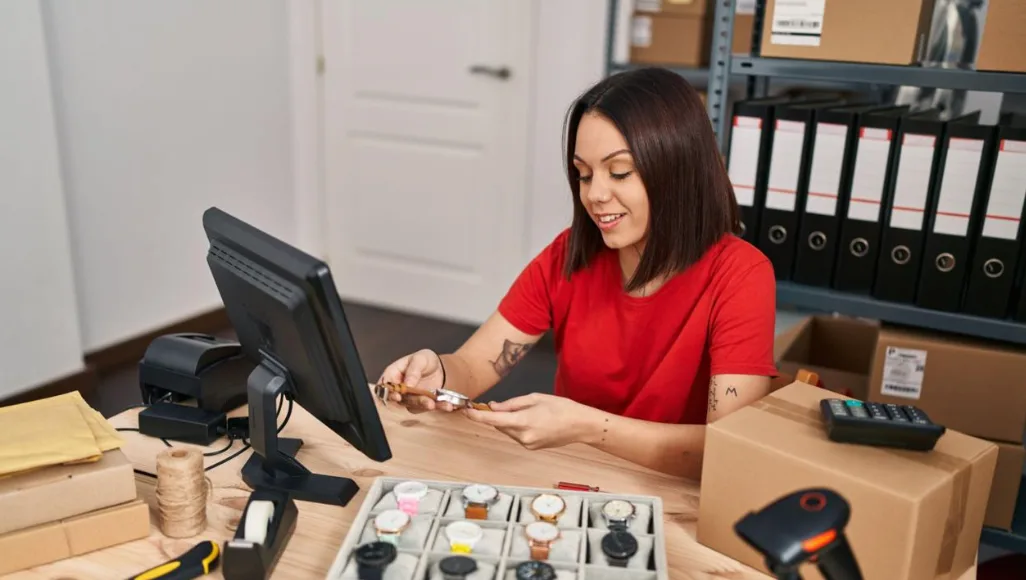
II. Why Do Jewelry, Watch, and E-commerce Retailers Need Automatic Bagging Machines?
Products sold by jewelry and watch retailers are typically small in size, characterized by high order frequency and diverse packaging requirements.
In a traditional manual packaging setup, staff must repeatedly perform the following tasks:
- Selecting a shipping bag of the appropriate size.
- Manually preparing and opening the bag.
- Placing the item into the bag.
- Preparing the shipping label and dispatch information.
- Sealing the bag.
- Organizing the finished packages and handing them over for shipment.
While manual packaging may suffice when order volumes are low, business growth often leads to these repetitive tasks consuming an increasing amount of human resources—frequently becoming a bottleneck in the order fulfillment process. The value of an automatic bagging machine lies in its ability to integrate multiple repetitive packaging steps into a seamless, automated workflow. For businesses experiencing sustained growth in order volume, automated packaging offers the following improvements:
1. Enhanced Consistency in the Packaging Process
By automating tasks such as bag retrieval, opening, and sealing, the system minimizes variations between different operators, ensuring a more standardized packaging process.
2. Reduction of Repetitive Manual Labor
Automated equipment takes over routine packaging tasks, allowing staff to focus their energy on activities such as organizing merchandise, verifying orders, and other essential operations.
3. Optimized Order Fulfillment
A more streamlined packaging stage facilitates better integration with upstream processes—such as picking and order processing—as well as downstream sorting and dispatch.
4. Increased Processing Capacity to Support Business Growth
As order volumes rise, automated packaging equipment provides a stable and consistent processing capacity, reducing the need for businesses to rely solely on increasing headcount to scale their operations.
III. How Do Automatic Bagging Machines Optimize E-commerce Packaging Workflows?
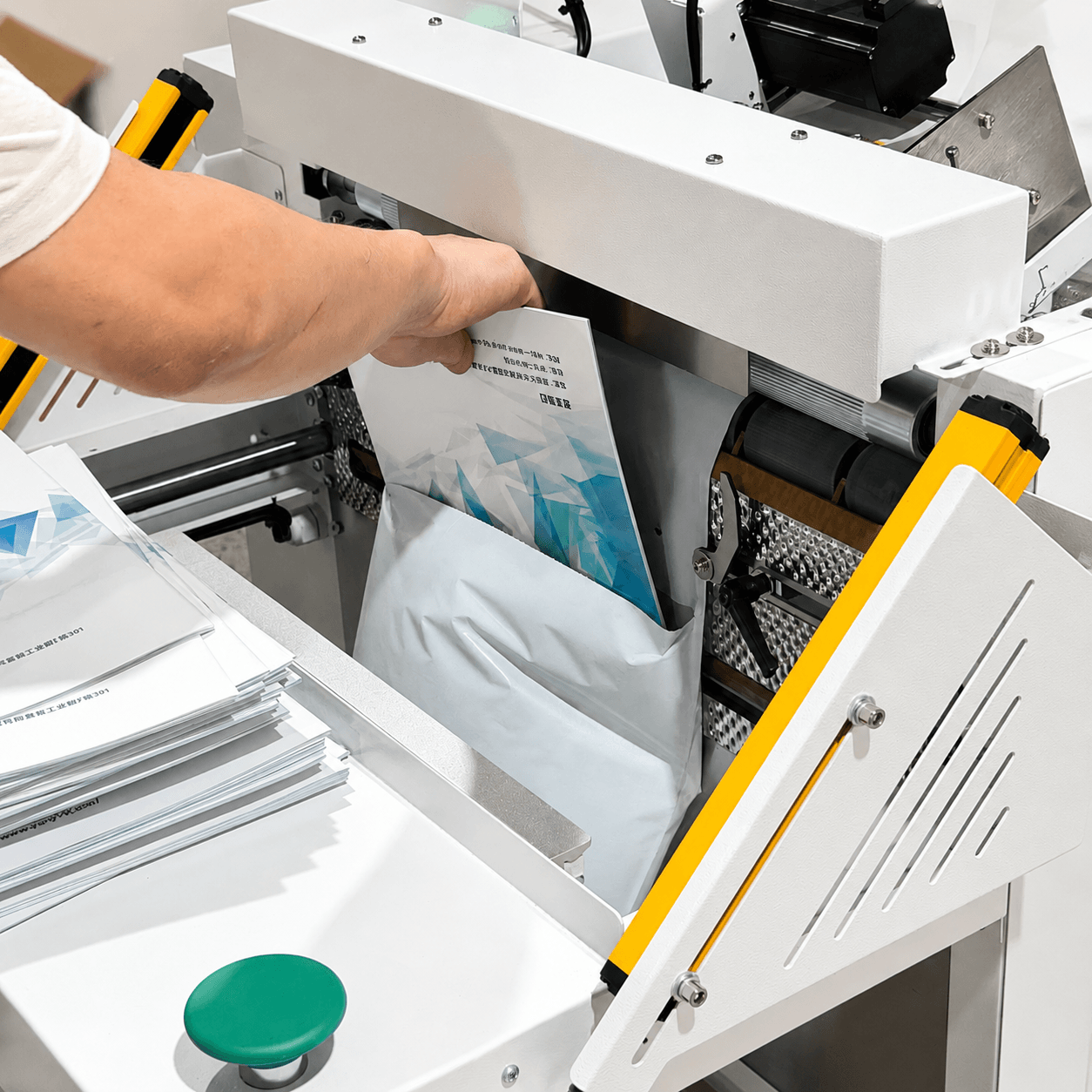
The value of an automatic bagging machine extends beyond simply increasing packaging speed; more importantly, it consolidates the fragmented and repetitive tasks inherent in traditional packaging processes.
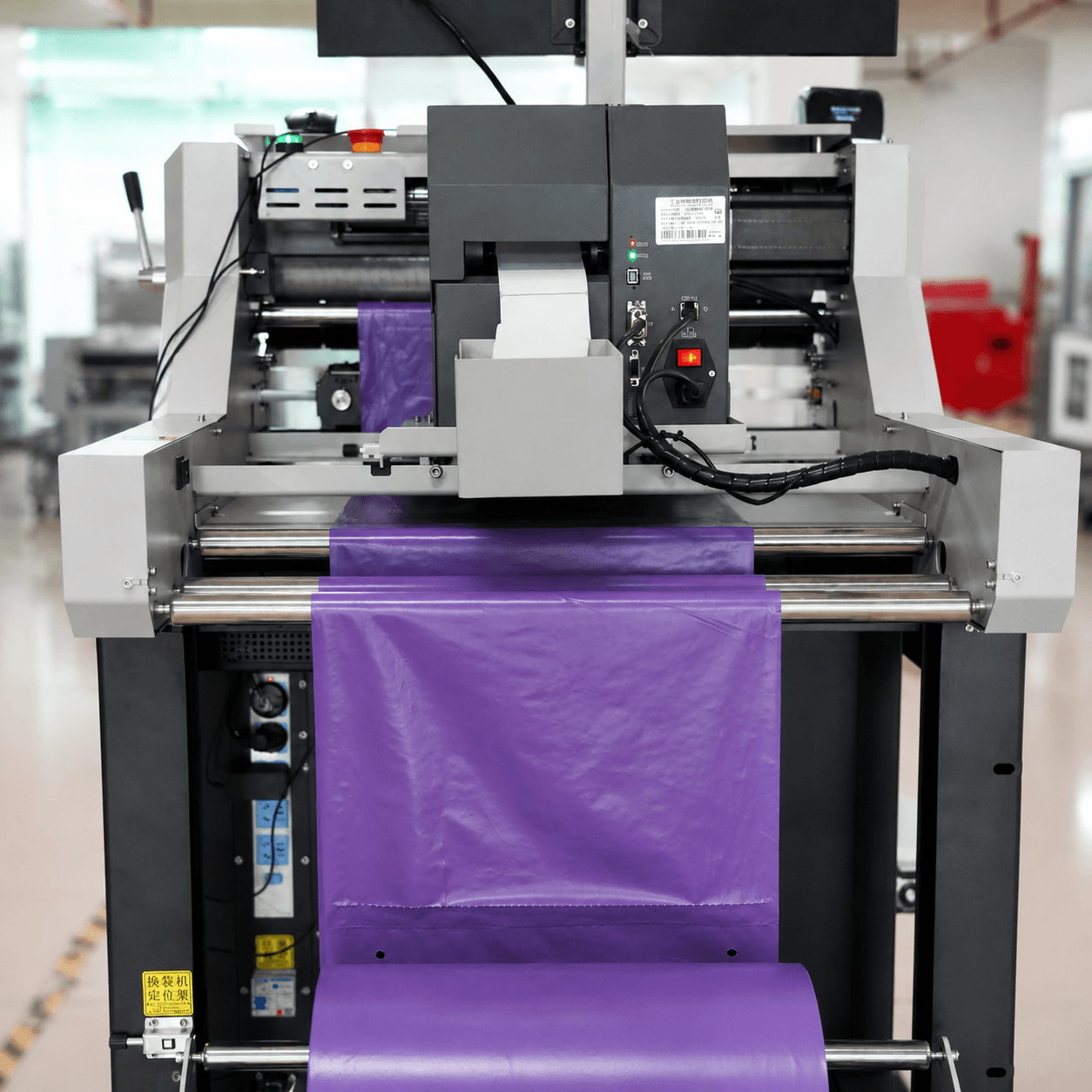
Depending on the model and configuration, an automatic bagging machine can integrate the following operations:
1. Automatic Bag Feeding and Opening
The equipment automatically feeds packaging bags and uses a specialized mechanism to open and position them, eliminating the need for manual, bag-by-bag preparation.
2. Product Insertion and Packaging
Operators place the items into the machine as required, and the equipment handles the subsequent packaging steps, reducing repetitive manual labor.
3. Automatic Sealing
Once the product is inside the bag, the machine’s sealing mechanism closes it, ensuring a consistent and professional finish. Reliable sealing quality is particularly crucial for businesses that process a high volume of e-commerce orders daily.
4. Logistics Label Printing and Application
For machines equipped with printing and labeling functions, logistics information processing can be seamlessly integrated into the packaging workflow. This helps eliminate the need for a separate labeling step, enhancing the efficiency of the transition between packaging and order fulfillment.
5. Finished Package Discharge
Once packaged, the items are conveyed to the next stage—such as collection, sorting, or dispatch—enabling a more streamlined and continuous packaging operation.
 |  |  |
|---|
IV. From Initial Use to Daily Operational Planning: Three Values Behind Customer Praise
In the feedback from a Polish client—beyond the specific mention of processing 400 packages—there is a particularly noteworthy remark: "There has been a significant and clear increase in the volume of goods being packaged. I am very satisfied with your machine and hope it will continue to operate reliably in the long term."
This testimonial highlights the client’s appreciation for the equipment in three key areas:
1. Significant Improvement in Packaging Throughput
The client specifically noted a substantial rise in the number of items packaged. For e-commerce businesses, packaging capacity is directly linked to the efficiency of the entire order fulfillment process—from preparing goods to final shipment. When the packaging stage runs more smoothly, companies can better plan their daily order processing, reducing backlogs caused by insufficient packaging capacity.
2. Validation of the Real-World User Experience
The client described the equipment as "fantastic." Compared to mere technical specifications, feedback from an actual user provides a more intuitive look at how the equipment performs in a real-world working environment. For manufacturers, such feedback is invaluable for gaining ongoing insight into how their products perform across diverse international markets and industry applications.
3. Expectations for Long-Term, Reliable Operation
The client’s satisfaction extends beyond the initial results to a desire for long-term, stable performance. This indicates that the client values not only the equipment's initial capabilities but also its ongoing reliability, ease of maintenance, and the quality of after-sales support. For overseas buyers, the delivery of the equipment is merely the beginning of the partnership; continuous technical support, troubleshooting, and the availability of spare parts are equally critical factors when selecting a supplier of automated equipment.
V. How to choose an automatic bagging machine suitable for e-commerce businesses?
Different companies have different packaging requirements. Jewelry retailers, e-commerce apparel warehouses, and large express delivery distribution centers vary significantly in terms of product dimensions, packaging materials, order volumes, and shipping workflows. Therefore, when selecting an automatic bagging machine, one should not focus solely on machine speed; rather, the choice must be based on specific, practical packaging needs.
YJ-INTL offers a range of automated packaging solutions tailored to various application scenarios:
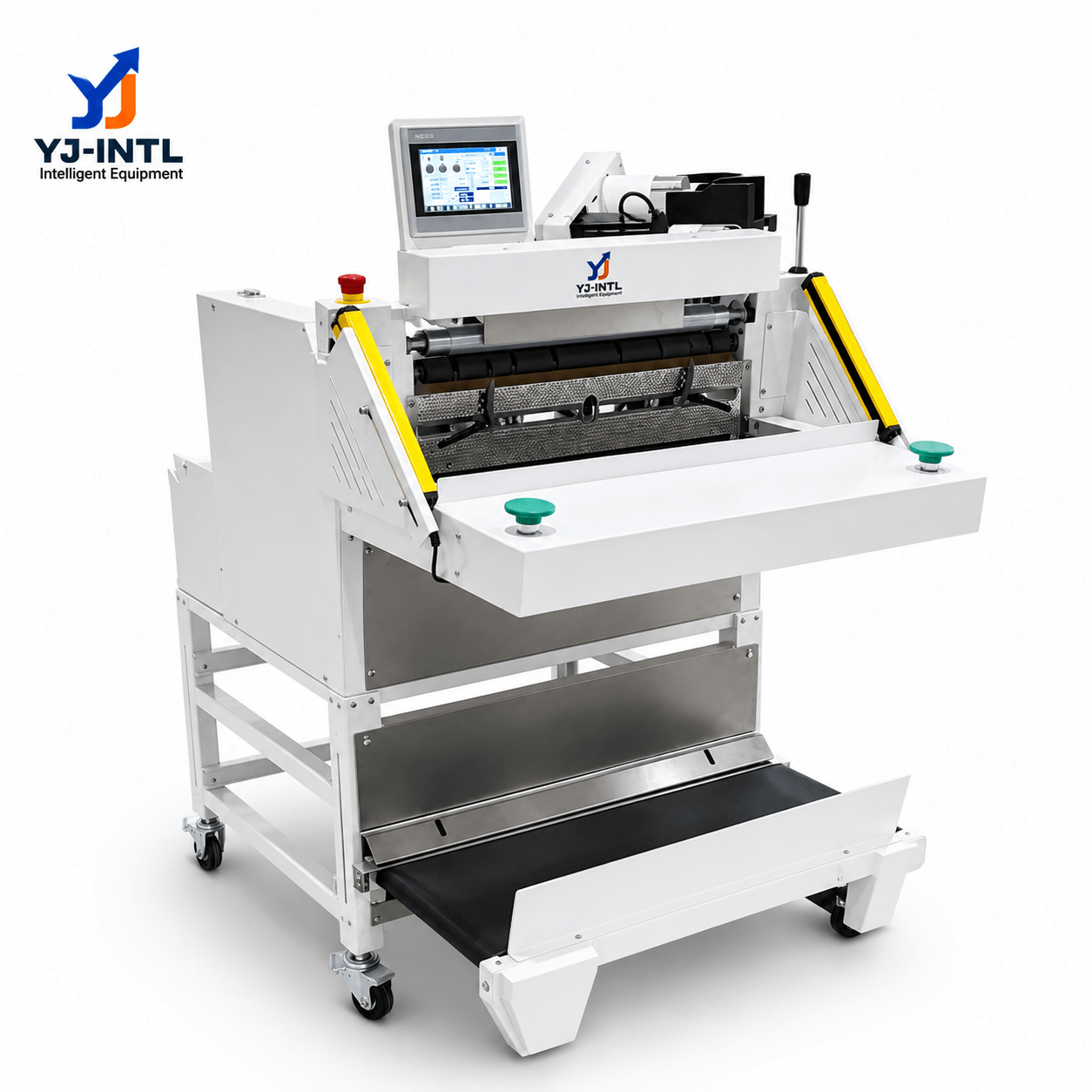
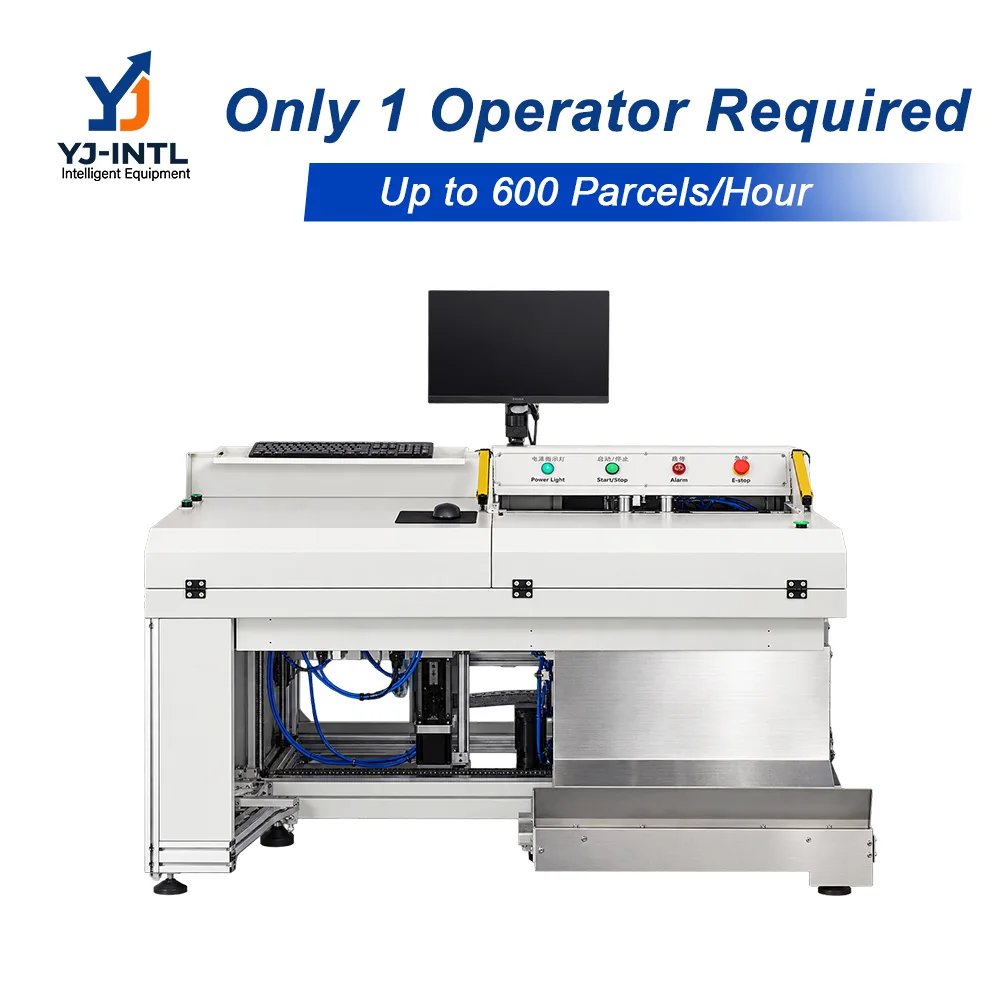
YJP-40 Series Automatic Bagging Machine
Designed for e-commerce and express parcel packaging; ideal for businesses looking to optimize their daily packaging operations.
Applications: Small-to-medium-scale e-commerce packaging and automated express parcel bagging.
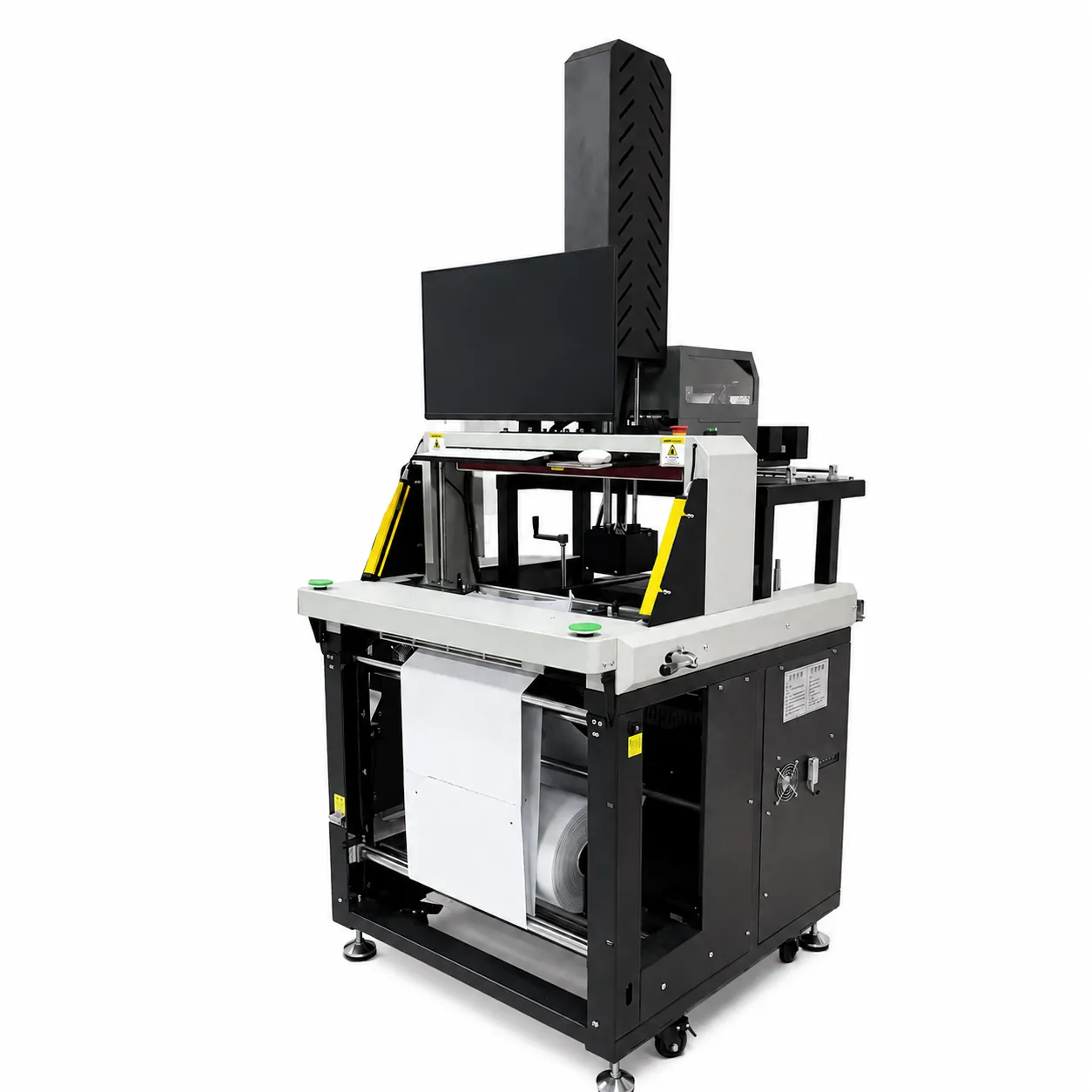
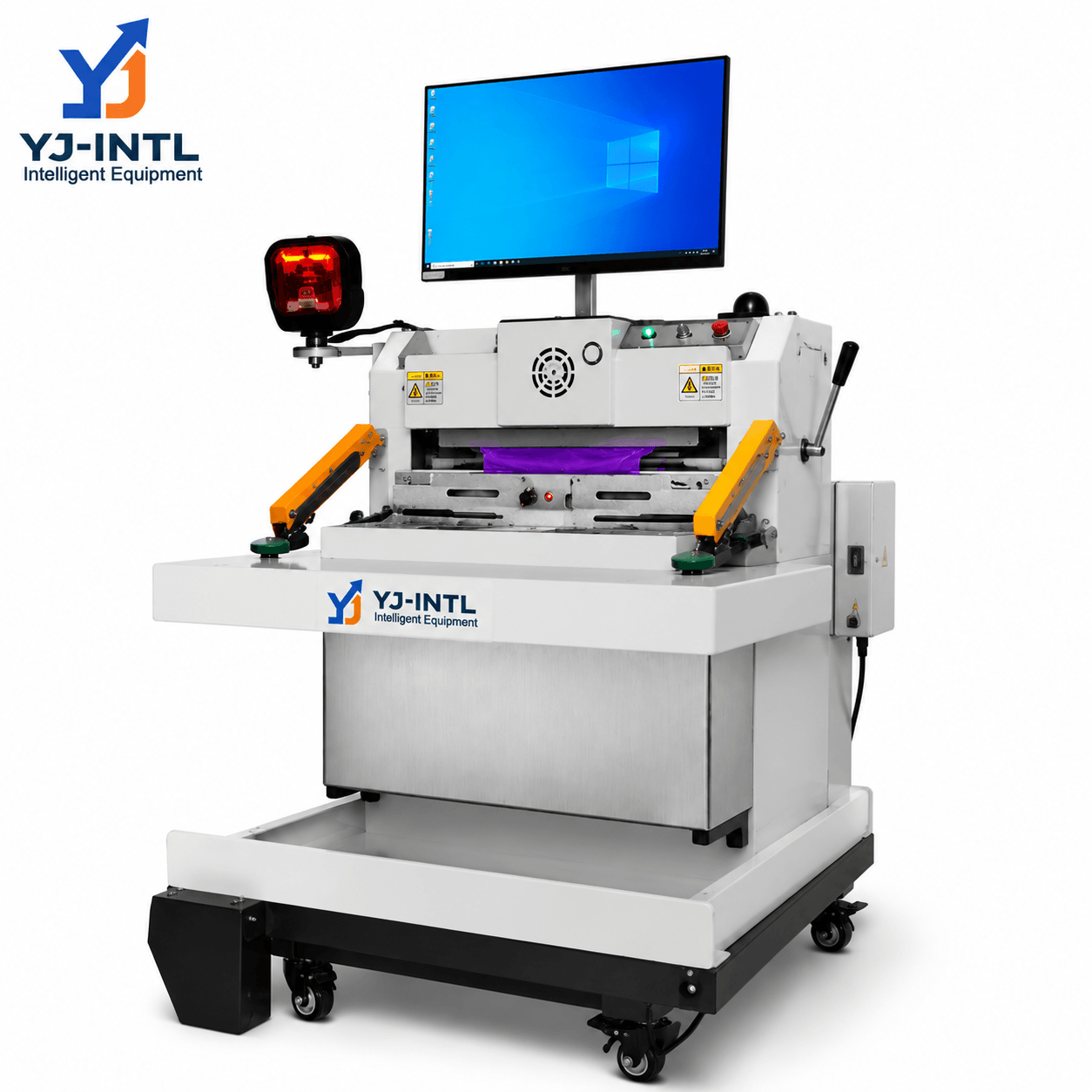
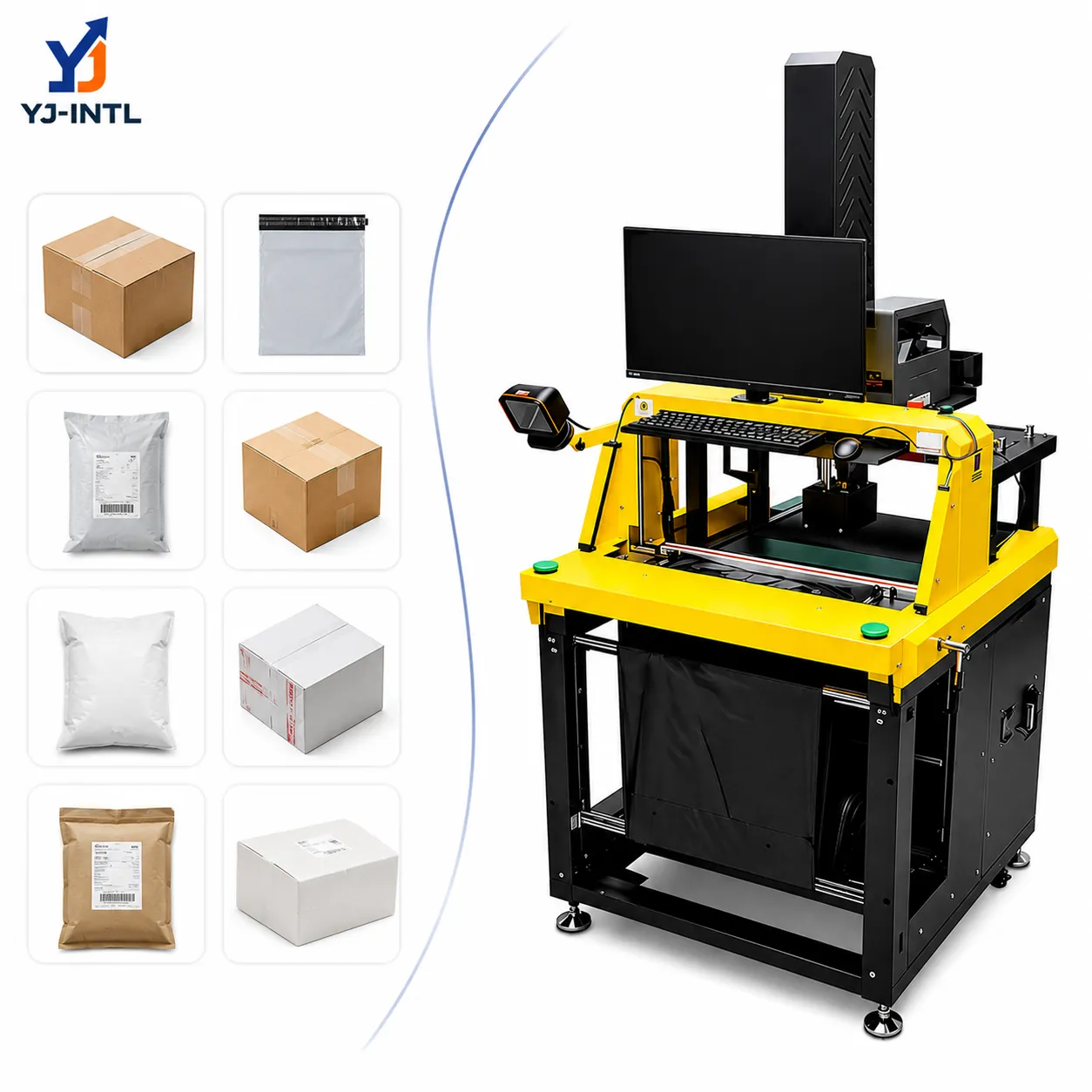
YJP-60P Automatic Bagging Machine with Integrated Printing and Labeling
Integrates scanning, logistics label printing, labeling, bag feeding, bag opening, and sealing into a single packaging workflow.
Applications: E-commerce warehouses that require automated logistics label printing and an integrated packaging process.
YJP-70 Horizontal Automatic Bagging Machine
Features a horizontal packaging design, suitable for scenarios involving a variety of product dimensions and shapes.
Applications: Larger-sized items and diverse e-commerce packaging requirements.
YJP-90E Intelligent Bubble-Film Packaging Machine
Utilizes a three-servo control system; integrates bubble-film feeding, forming, sealing, and cutting processes.
Applications: Fragile items and products requiring cushioned, protective packaging.
When selecting equipment, consider the following key factors:
- Average daily order volume and peak order volume during busy seasons.
- Minimum and maximum dimensions of the products to be packaged.
- Material, width, and length of the packaging bags.
- Whether automated printing and labeling are required.
- Available space for equipment installation on-site.
- Whether integration with existing conveyor lines or warehouse management systems is necessary.
Only by aligning equipment configuration with actual operational needs can you truly unlock the value of automated packaging.
 |  |
|---|---|
 |  |
VI. Beyond Equipment Delivery: YJ-INTL’s Commitment to the User Experience of Overseas Clients
For overseas buyers, the procurement of automated packaging equipment is not merely a one-time purchase; it is a long-term investment in production and operations. A successful automated packaging solution requires a comprehensive service chain—from initial requirements analysis and equipment selection to manufacturing, installation, commissioning, and ongoing technical support.
YJ-INTL, the international business division of Zhejiang Yingjie Technology, focuses on the global market. The company specializes in the R&D, manufacturing, and global service of intelligent logistics equipment and automated material handling systems. Its product portfolio includes automatic bagging machines, intelligent sorting systems, dynamic DWS (Dimensioning, Weighing, and Scanning) systems, conveying equipment, and end-to-end warehouse logistics automation solutions—serving sectors such as e-commerce, express delivery, third-party logistics (3PL), and warehousing and distribution.
To address the diverse needs of overseas clients, YJ-INTL provides:
- Equipment selection tailored to specific product characteristics and packaging requirements.
- Pre-sales technical consultation and evaluation of packaging solutions.
- Operational guidance and technical support.
- Equipment maintenance and spare parts support.
- On-site engineering and technical services for overseas projects.
The positive feedback from a client in Poland underscores YJ-INTL’s focus on the practical, real-world value of its products.
Our goal is to deliver more than just a piece of machinery; we provide an automated solution that integrates seamlessly into the client’s daily operations, effectively enhancing their packaging efficiency.
VII. Automated Packaging: Empowering E-commerce Enterprises to Meet Growing Order Volumes
As the global e-commerce sector continues to expand, consumer expectations for faster logistics and delivery are rising, placing increasing pressure on retailers and warehouse operators to process orders efficiently.
Against this backdrop, automatic bagging machines have emerged as a vital component in modern e-commerce warehousing and packaging operations.
By automating processes such as bag feeding, opening, packing, and sealing, businesses can reduce repetitive manual labor, optimize packaging workflows, and prepare for future growth in order volume.
The feedback from our client in Poland serves as a compelling example of this impact. With the ability to pack 400 parcels in under two hours—significantly boosting throughput—and a commitment to daily operational use starting next week, this feedback clearly demonstrates the client’s strong endorsement of the YJ-INTL automatic bagging machine.
Moving forward, YJ-INTL remains dedicated to addressing the specific needs of our clients by providing automated packaging solutions tailored to a wide range of products, business scales, and warehousing environments.
If your business is looking to enhance the efficiency of its e-commerce parcel packaging, please reach out to YJ-INTL. Whether you operate an e-commerce retail business, a third-party logistics (3PL) warehouse, or an express delivery service, we can recommend the ideal automatic bagging machine configuration based on your product dimensions, packaging materials, order volume, and existing operational workflows.
คำถามที่พบบ่อย
An automatic bagging machine is an automated system designed for packaging e-commerce parcels and express shipments. Depending on the configuration, it can perform tasks such as automatically feeding bags, opening them, inserting items, and sealing the packages. Some models also support barcode scanning, printing of shipping labels, and automatic labeling.
The processing capacity depends on the machine model, the dimensions of the items, the specifications of the packaging bags, and actual operating conditions. Rated speeds vary by model; it is recommended to select a machine based on your daily order volume and peak-season demand, rather than relying solely on theoretical maximum speeds.
Yes. Provided that the item dimensions, bag specifications, and protective requirements fall within the machine’s operational parameters, it can be used for jewelry, watches, accessories, apparel, and other e-commerce goods suitable for bagging.
Each model supports a specific range of packaging dimensions. When selecting a machine, you should provide the minimum and maximum dimensions of your items, as well as the required bag width and length, so the manufacturer can determine the appropriate configuration.
Some models do. YJ-INTL’s integrated print-apply-bagging machines combine barcode scanning, shipping label printing, labeling, bag feeding, opening, and sealing into a single, streamlined packaging process, eliminating the need for separate labeling steps.
Yes. By automating repetitive tasks—such as feeding, opening, and sealing bags—these machines reduce the need for manual intervention and ensure greater consistency in the packaging process. The actual reduction in labor depends on your existing workflow, order volume, and the specific machine configuration.
This depends on the specific machine model and configuration. Standard automatic bagging machines can be adapted to use various e-commerce shipping bags and plastic packaging materials. For items requiring cushioning or extra protection, equipment designed for bubble-lined packaging may also be an option.
We recommend evaluating your requirements based on the following factors: daily order volume, peak demand during busy seasons, product dimensions, packaging bag specifications, the need for automated printing and labeling, available installation space, and requirements for integration with existing conveyor lines. Based on this information, the manufacturer can recommend the most suitable model.
Yes, some models are designed to connect with conveyor lines and can be incorporated into your current warehousing and packaging workflows. The specific implementation will depend on your facility layout, equipment interfaces, and the direction of the conveyor flow.
Yes. YJ-INTL offers technical consultation, operational guidance, troubleshooting, and other after-sales support to international clients. The specific scope of services and arrangements for on-site engineering support can be tailored to the requirements of your project.