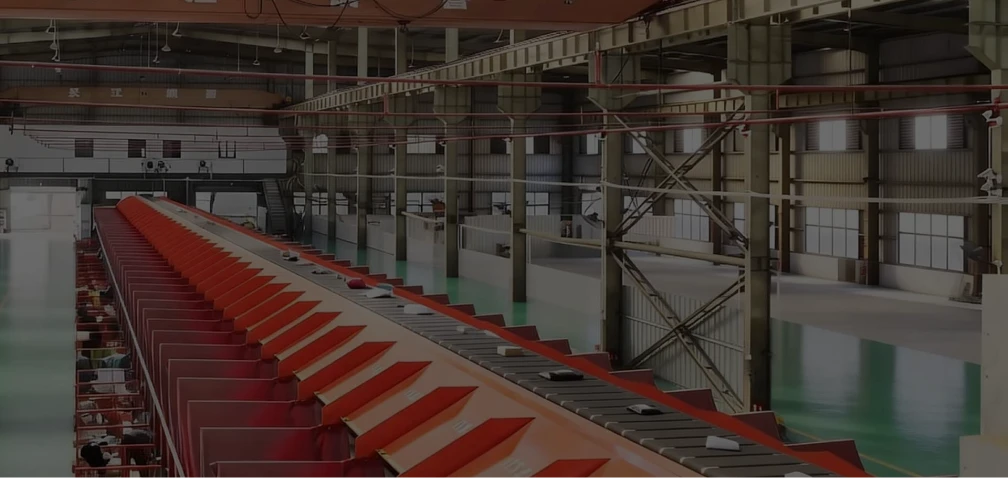
How to Choose the Right Parcel Sorting System for Your Warehouse?

Driven by rapid e-commerce growth, increasing customer expectations, and the demand for faster delivery, warehouses and distribution centers are under continuous pressure to process more parcels in less time.
For many logistics operators, the challenge is no longer simply moving packages from one location to another. The real challenge is building a scalable and reliable parcel handling system that can maintain high efficiency while controlling operational costs.
However, selecting the right parcel sorting system is not an easy decision. Many companies face critical questions before investing in automation:
- How much sorting capacity does my warehouse really need?
- Which sorting technology is suitable for my parcel types?
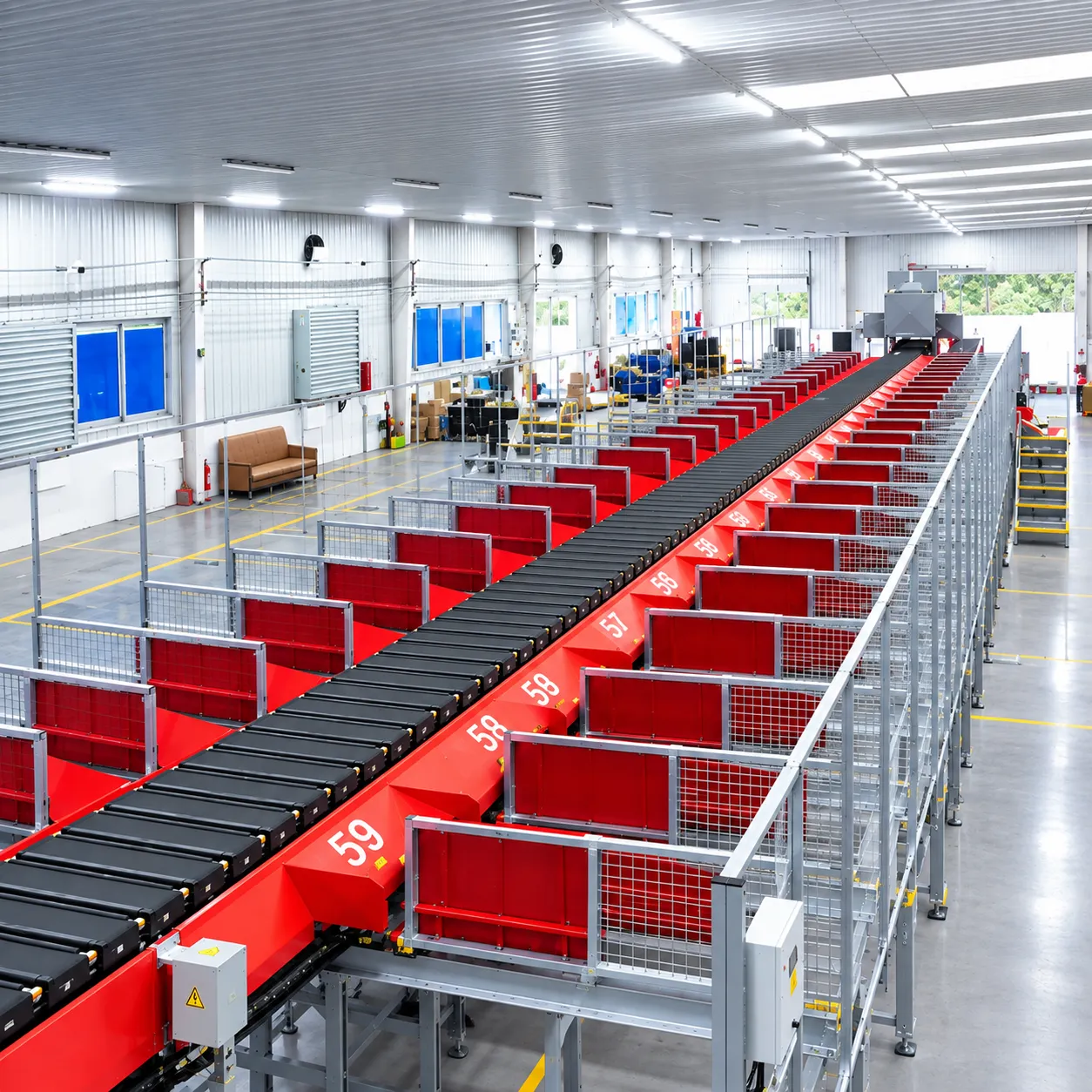
- Should I choose a cross belt sorter, narrow belt sorter, or another solution?
- How can the system integrate with my existing WMS or warehouse software?
- How can I evaluate the long-term return on investment?
A wrong decision may lead to:
- Insufficient processing capacity during peak seasons
- Higher-than-expected operating costs
- Limited system scalability
- Difficult software integration
- Additional investment in future upgrades
On the other hand, a well-designed automated parcel sorting system can significantly improve warehouse productivity, sorting accuracy, and operational flexibility.
This guide provides a practical framework for selecting the right sorting solution by analyzing the key factors that influence automation decisions, including throughput requirements, parcel characteristics, technology selection, software integration, investment considerations, and future expansion planning.
Whether you are operating an express delivery hub, e-commerce fulfillment center, or third-party logistics warehouse, understanding these factors will help you make a more informed automation investment decision.

What Challenges Are Driving Companies to Invest in Automated Parcel Sorting Systems?
Before selecting equipment, companies should first understand why automation is needed. Different warehouses may have different operational problems, but the most common challenges include:
1. Increasing Parcel Volume and Peak Season Pressure
The growth of online shopping has created significant fluctuations in parcel volumes.
For many logistics companies, daily shipments during major sales campaigns can be several times higher than normal periods.
For example:
- Normal operation: 100,000 parcels/day
- Peak season: 300,000+ parcels/day
Manual sorting teams often struggle to maintain stable performance during these periods.
Common problems include:
- Processing delays
- Increased labor requirements
- Higher sorting errors
- Shipment backlog
An automated sorting system provides consistent throughput and allows warehouses to handle peak periods without dramatically increasing manpower.
2. Rising Labor Costs and Workforce Challenges
Manual parcel sorting requires a large number of workers performing repetitive tasks.
As labor costs continue increasing globally, many companies are looking for automation solutions to improve efficiency.
Automation helps reduce:
- Manual handling
- Employee fatigue
- Training requirements
- Human errors
Instead of replacing all warehouse employees, automation allows workers to focus on higher-value activities such as:
- Exception handling
- Quality control
- System management
3. Limited Warehouse Efficiency
Many warehouses have limited space but need to process more orders.
Traditional sorting areas often require:
- Large manual sorting zones
- Additional working space
- More personnel
Automated sorting systems optimize warehouse space utilization through: - Vertical integration
- Intelligent routing
- Compact sorting layouts

How Do I Choose Between Different Parcel Sorting Technologies?
| Sorting Technology | Recommended Application | Throughput | Investment Level |
|---|---|---|---|
| Cross Belt Sorter | Large logistics hubs | Very High | High |
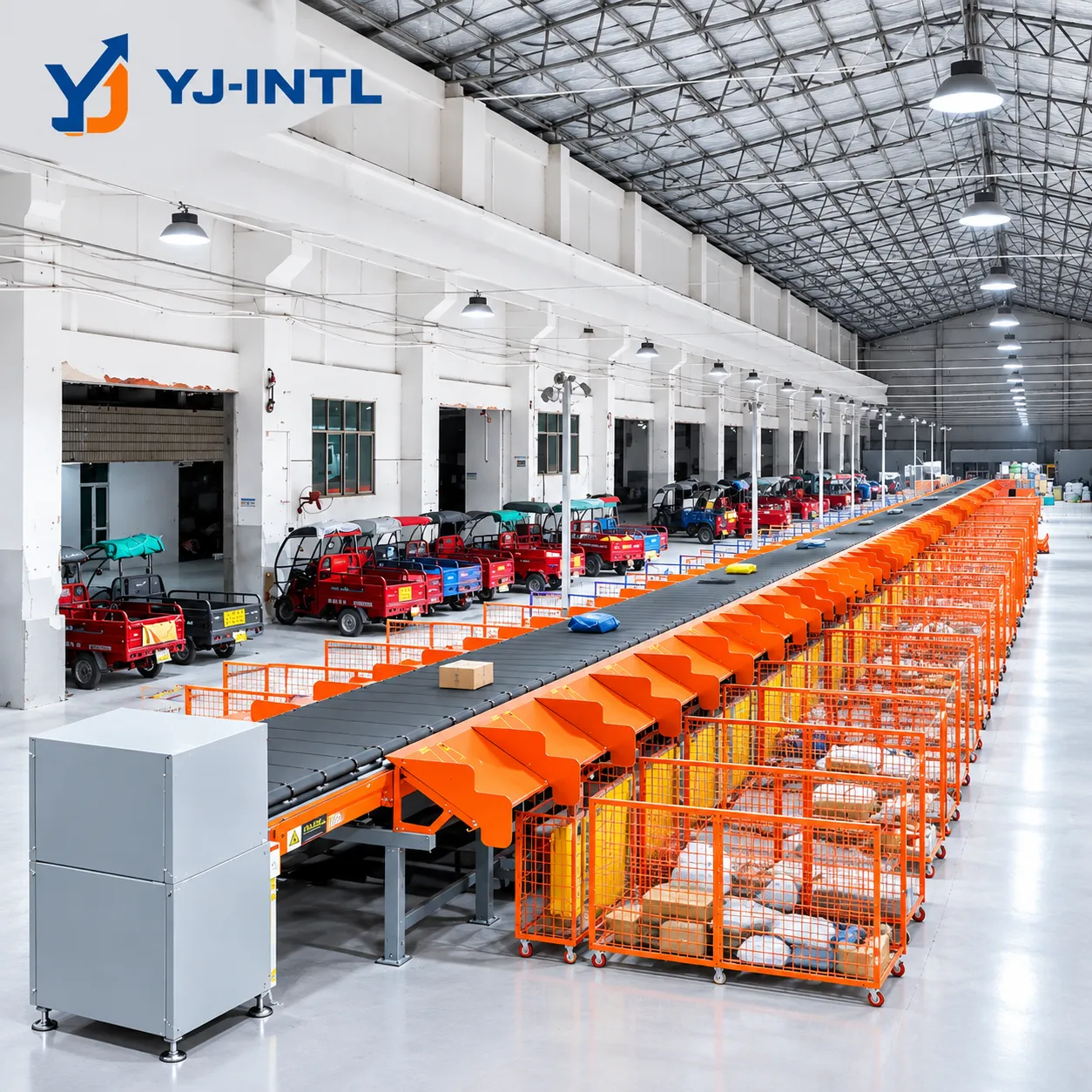
| Narrow Belt Sorter | Parcel warehouses | Medium-High | Medium |
| Sliding Shoe Sorter | Carton distribution | High | Medium-High |
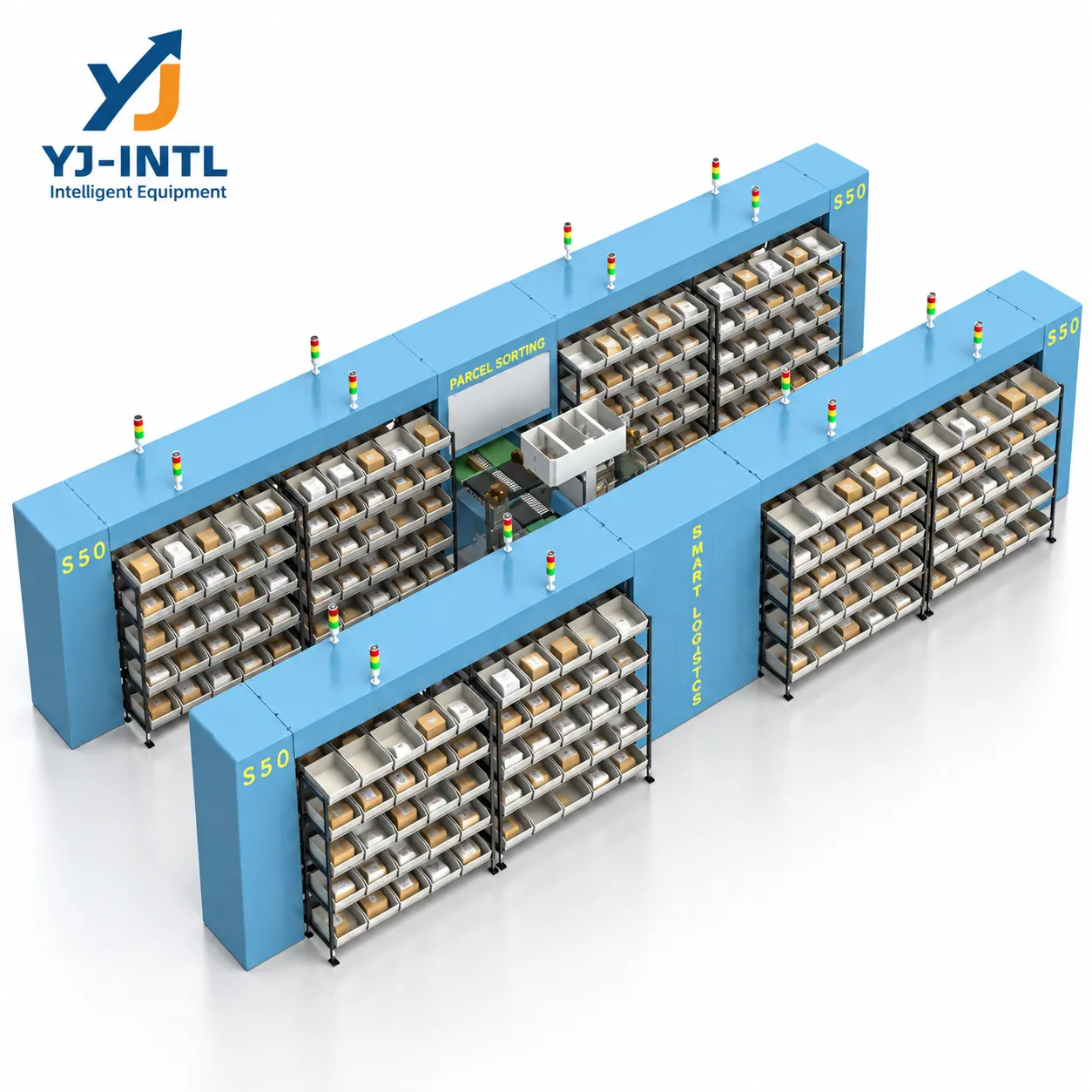
| Pop-up Sorter | Small warehouses | Low-Medium | Low |
Avoid These 4 Pitfalls to Select the Right Parcel Sorting System
When selecting parcel sorting systems, many enterprises fall into the trap of focusing solely on equipment price while ignoring long-term operational needs. This shortsightedness often significantly compromises the return on investment (ROI). Here are the four key mistakes enterprises frequently make during the selection process:
Pitfall 1: Selecting based only on current volume while ignoring future scalability
Many enterprises base their purchasing decisions solely on immediate daily processing volumes, causing the system to quickly become a bottleneck for business growth.
Comparison of typical scenarios:
Current volume: 50,000 items/day
Projected future volume: 150,000 items/day
Consequence: Systems lacking scalability become saturated rapidly as business surges, leading to high costs for retrofitting or complete system replacement.
Correct approach: Consider the following factors holistically during selection:
Business growth forecasts
Peak demand during major promotions or peak seasons
Future increases in sorting destinations (flow paths)
Pitfall 2: Ignoring compatibility with the physical characteristics of parcels
Parcel formats vary widely across industries; blindly applying generic equipment often yields poor results.
Industry-specific characteristics:
E-commerce warehousing: Often involves handling small parcels, polybags, and items of mixed shapes and sizes.
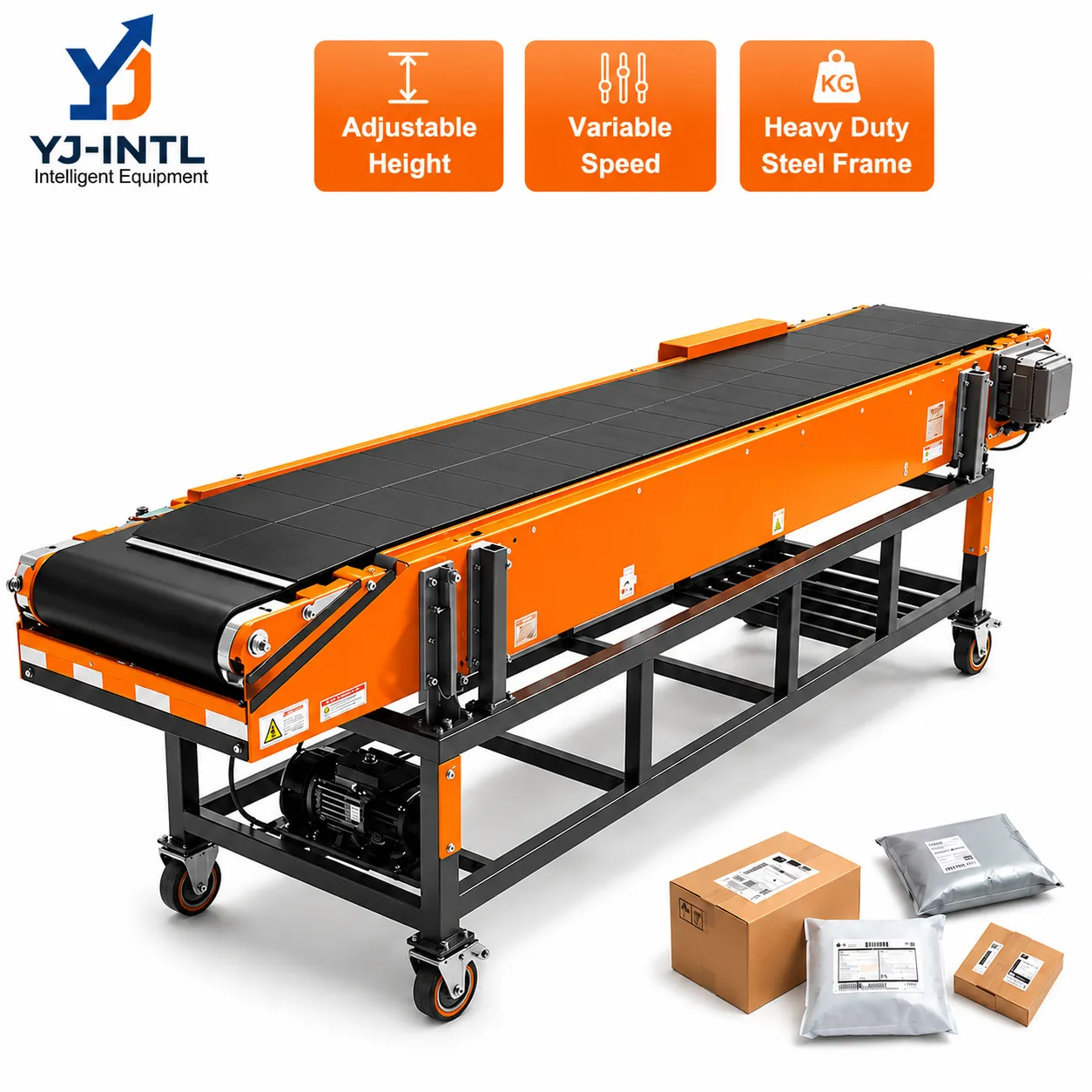
Industrial logistics: Primarily deals with heavy cartons and oversized items.
Consequence: Mismatches between equipment and parcel characteristics lead to low sorting efficiency, increased product damage rates, and high maintenance costs.
Pitfall 3: Overlooking software system compatibility and integration
Some enterprises purchase automation hardware only to struggle with software implementation, resulting in isolated systems (data silos).
Common pain points:
Inability to seamlessly interface with WMS (Warehouse Management Systems)
Limited data exchange and information lag
Superficial automation, with underlying operations still relying heavily on manual labor
Correct approach: A comprehensive automation solution must prioritize software architecture and planning from the very beginning of the project.
Pitfall 4: Choosing a supplier lacking comprehensive engineering capabilities
An automated sorting system is far more than just an assembly of hardware components; it demands exceptional implementation capabilities from the supplier. A qualified, high-quality supplier should provide comprehensive, end-to-end engineering service support:
System design capabilities: Including site layout planning, operational simulations, and precise throughput analysis.
Software development expertise: Providing mature Warehouse Control Systems (WCS), seamless communication interfaces, and real-time monitoring dashboards.
Implementation and delivery support: Covering mechanical installation, electrical commissioning, and professional operator training.

FAQ: Parcel Sorting System Selection
1. What is the best parcel sorting system for an e-commerce warehouse?
The best system depends on parcel volume, product characteristics, and sorting requirements.
Small warehouses may use compact sorting solutions, while high-volume fulfillment centers often require advanced systems such as cross belt or narrow belt sorters.
2. How do I know what sorting capacity my warehouse needs?
Capacity should be calculated based on peak-hour requirements rather than average daily volume.
A professional assessment should consider:
- Daily volume
- Peak periods
- Working hours
- Growth expectations
3. How long does it take to install an automated sorting system?
Project timelines depend on system complexity, warehouse conditions, and customization requirements.
Large automation projects usually include:
- Engineering design
- Manufacturing
- Installation
- Testing
- Training
4. Can a parcel sorting system work with my existing WMS?
Yes. Modern sorting systems can integrate with existing warehouse software through APIs and communication interfaces.
5. Should I choose a modular sorting system?
For companies expecting future growth, modular systems provide better scalability.
Additional sorting capacity or destinations can be added when business expands.
6. What information should I provide when requesting a sorting system proposal?
You should provide:
- Warehouse layout
- Parcel data
- Throughput requirements
- Sorting destinations
- Integration requirements
7. Is automation suitable for small warehouses?
Yes. Automation solutions can be customized according to warehouse size and operational needs. Not every warehouse requires a large sorting system.
8. How can I compare different sorting equipment suppliers?
Evaluate suppliers based on:
- Technical capability
- Project experience
- Software capability
- After-sales support
- Total solution capability