Challenges Facing the Parcel & Express Industry
Parcel networks are handling increasingly complex flows. Operators need to process more shipments while maintaining service-level commitments and controlling the cost of every parcel handled.
Typical challenges include:
- Rapid growth in daily parcel and peak-hour volumes
- Short dispatch windows and higher delivery-time expectations
- High labor demand for repetitive induction, sorting and handling tasks
- Mixed parcel sizes, weights, bags, cartons and irregular shapes
- Multiple destinations, routes, service levels and carrier rules
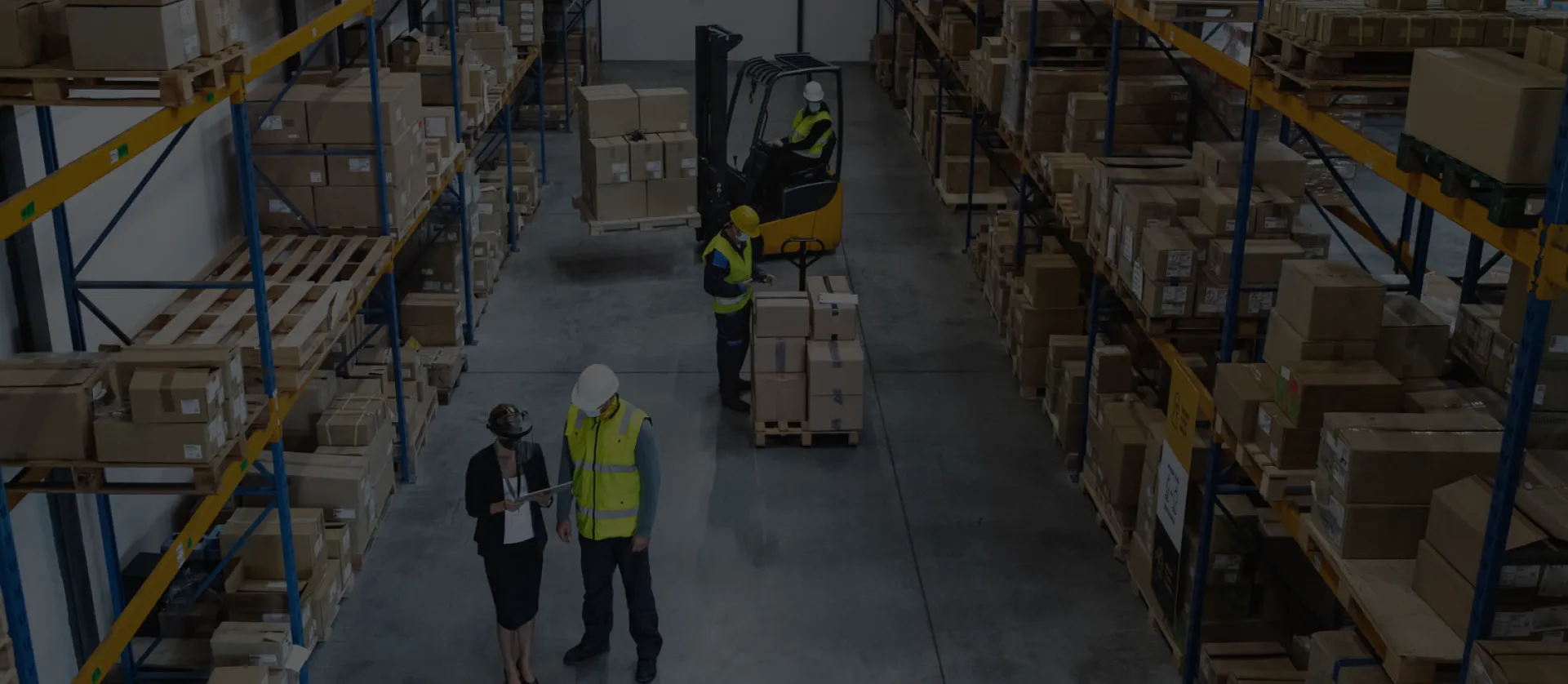
- Limited floor space in urban and regional distribution facilities
- Peak-season surges that can overwhelm manual processes
- Need for real-time parcel identification, tracking and operational data
How YJ-INTL Builds a Parcel & Express Automation Solution
Instead of selecting a sorter first and fitting the rest of the operation around it, YJ-INTL starts with the parcel flow and engineering requirements. The system can be configured around daily volume, peak throughput, parcel dimensions and weight, barcode position, destination count, site constraints and required software interfaces.
1. Inbound Unloading & Induction
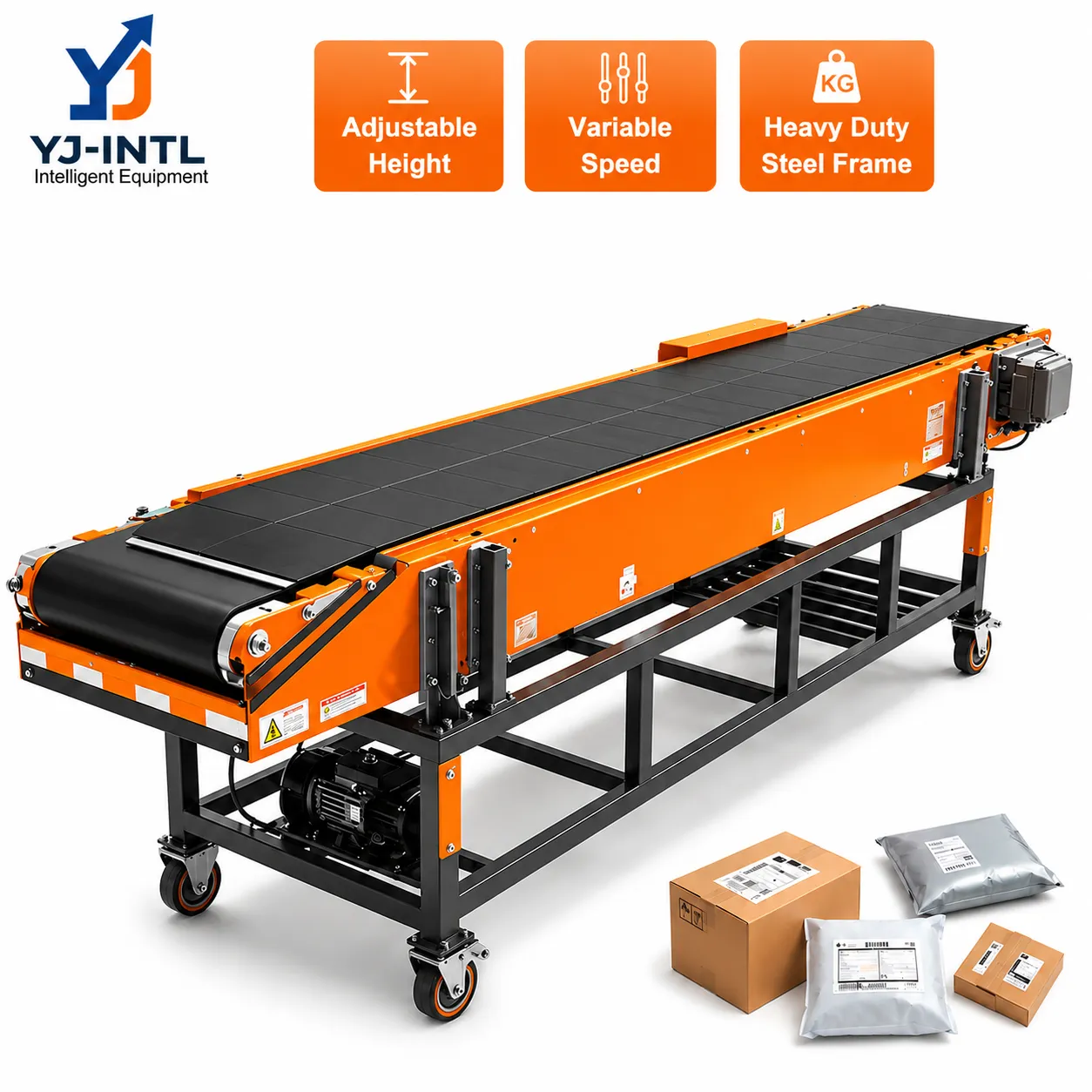
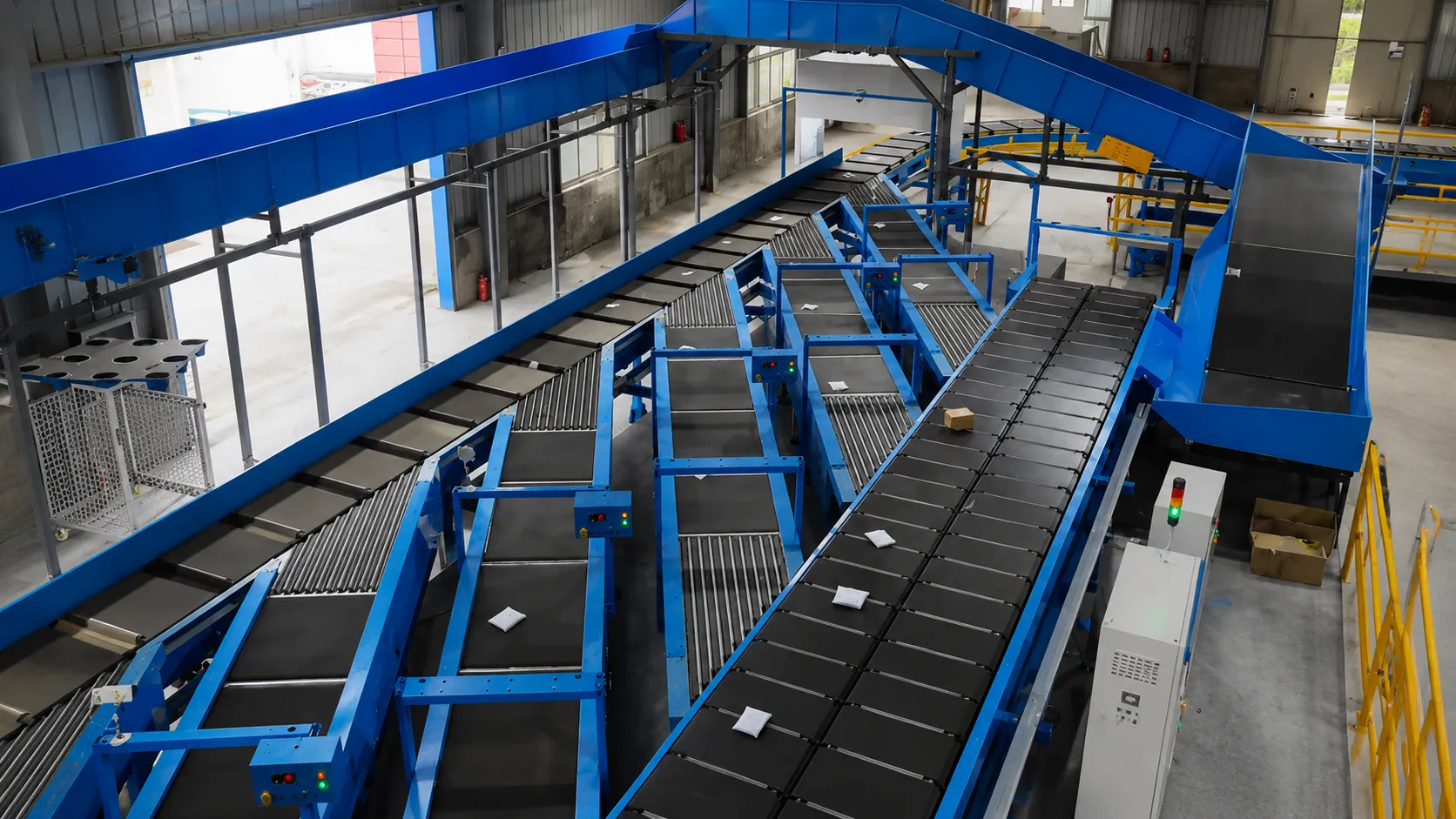
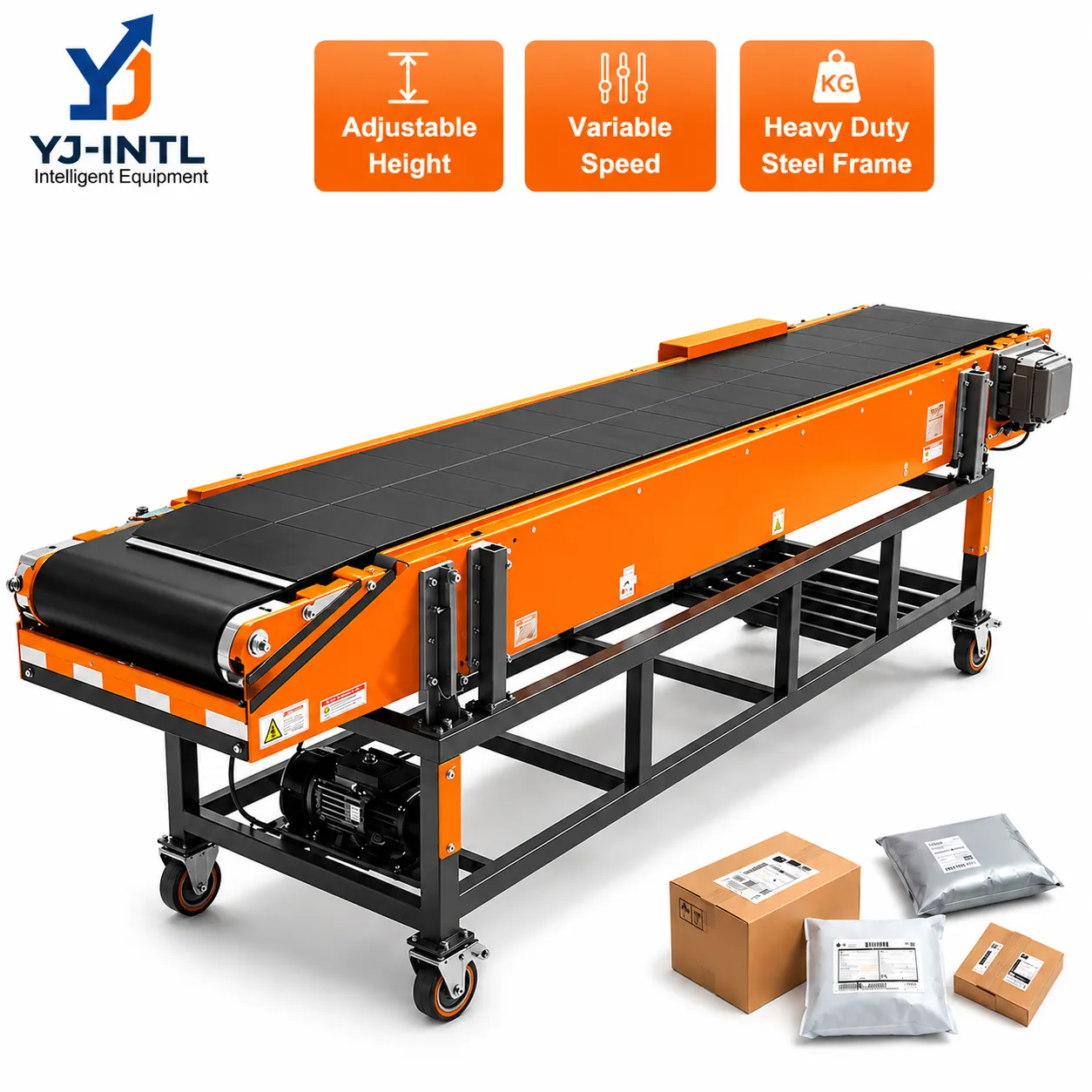
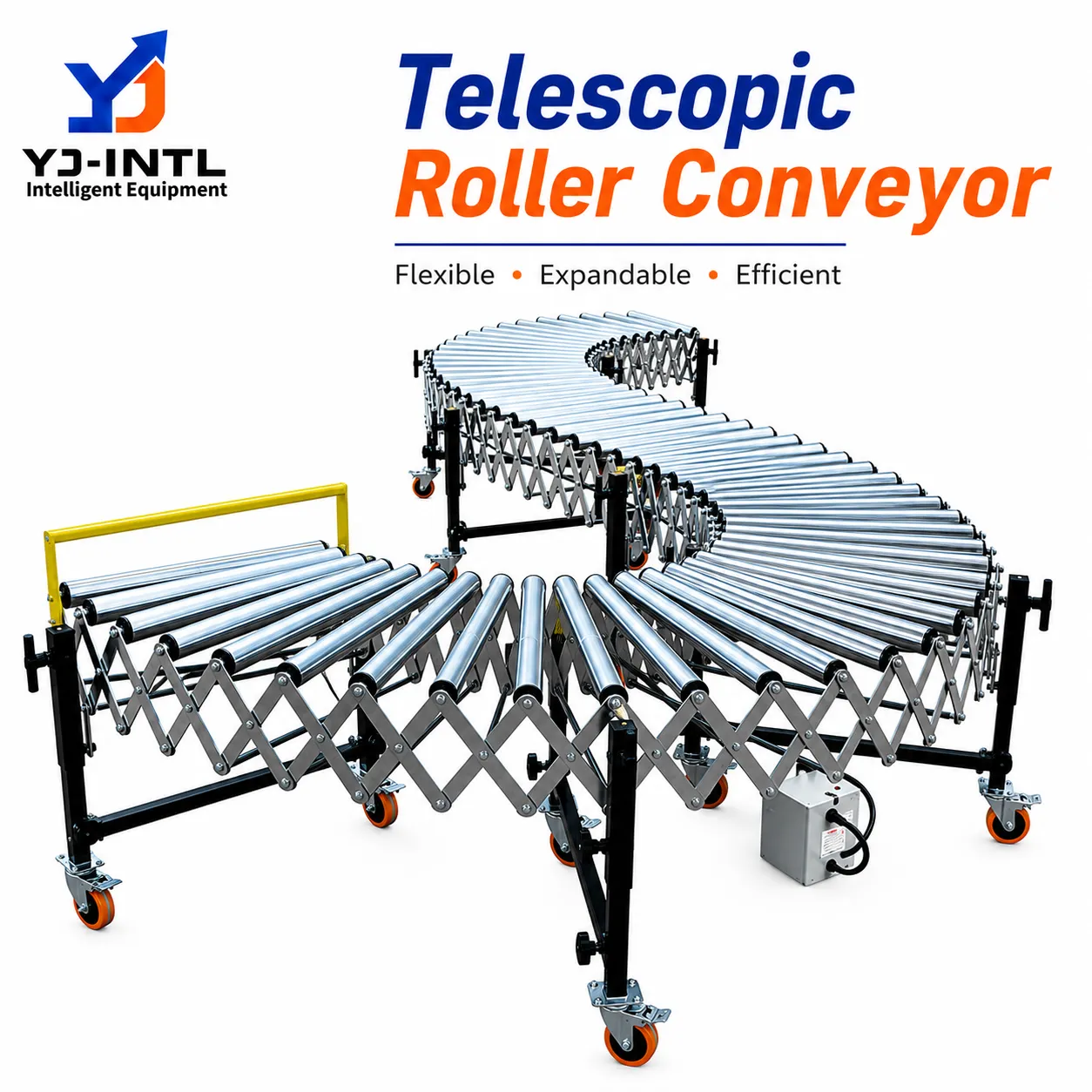
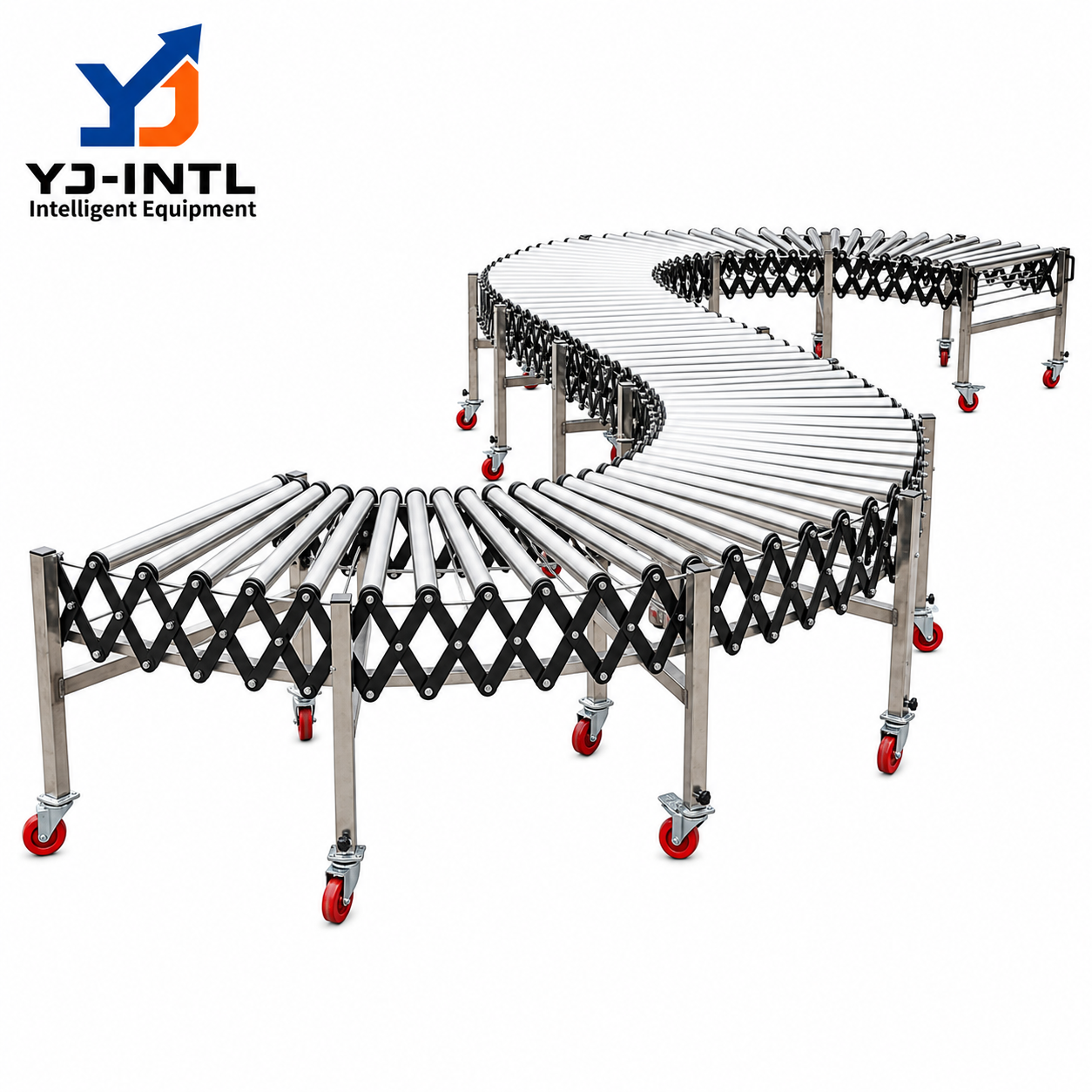
Telescopic belt conveyors and induction conveyors move parcels from trucks, containers or manual unloading areas into the automated process. Controlled feeding and parcel spacing help maintain stable downstream sorting performance.
2. Conveying & Parcel Singulation
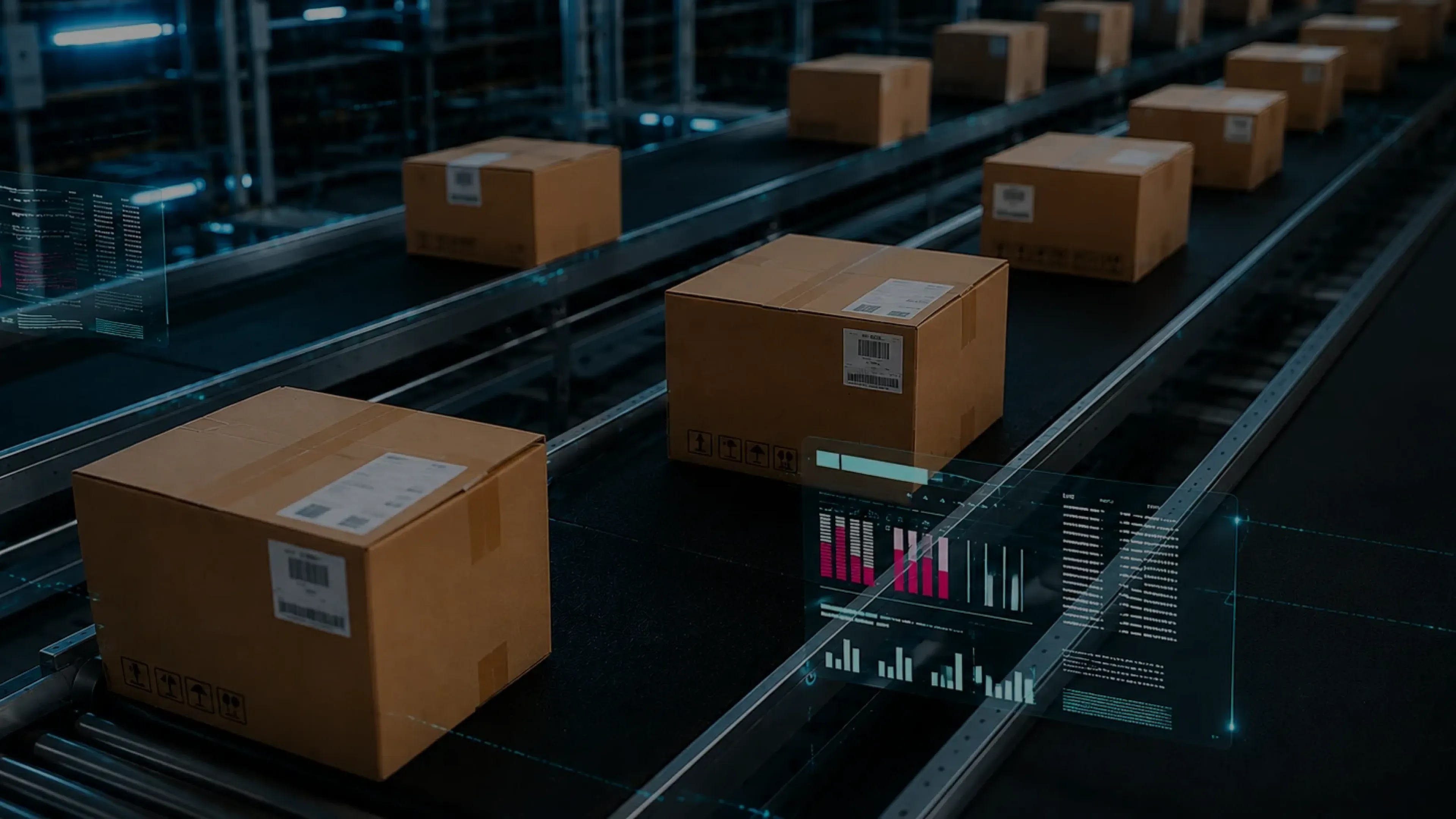
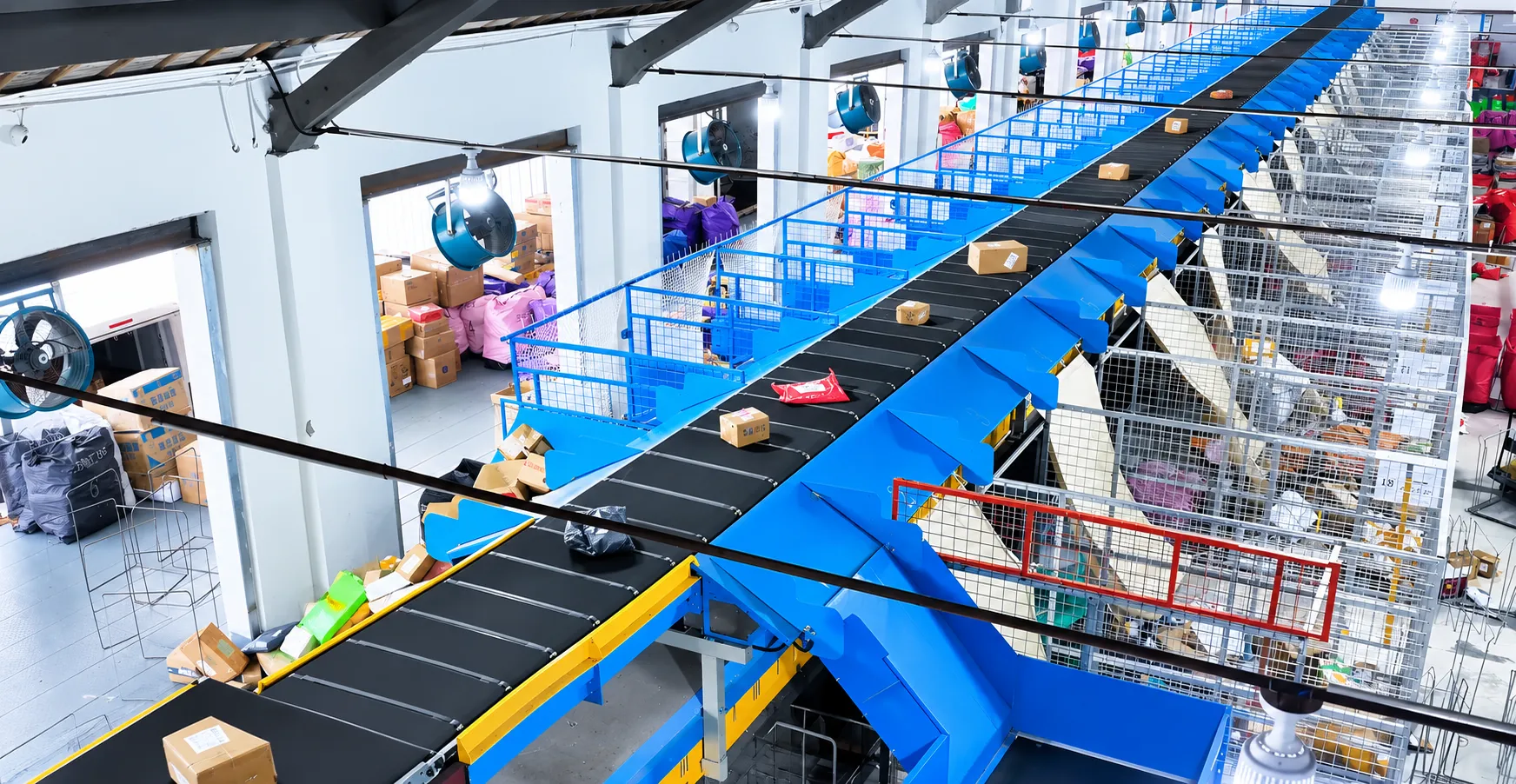
Conveyor sections connect unloading, scanning, DWS, sorting and outbound areas. Where required, the layout can incorporate singulation and controlled accumulation to reduce congestion and maintain continuous flow.
3. Identification, Dimensioning & Weighing
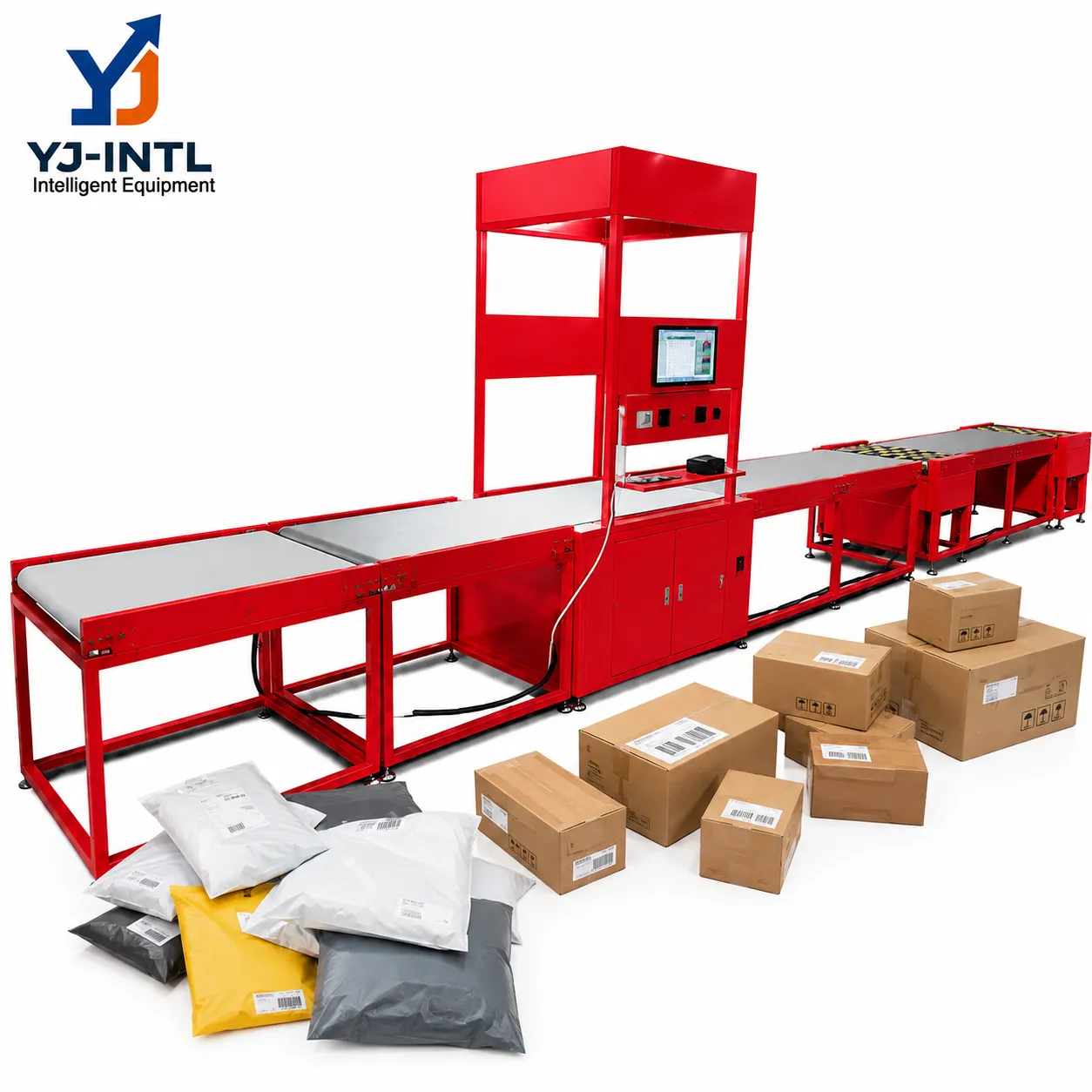
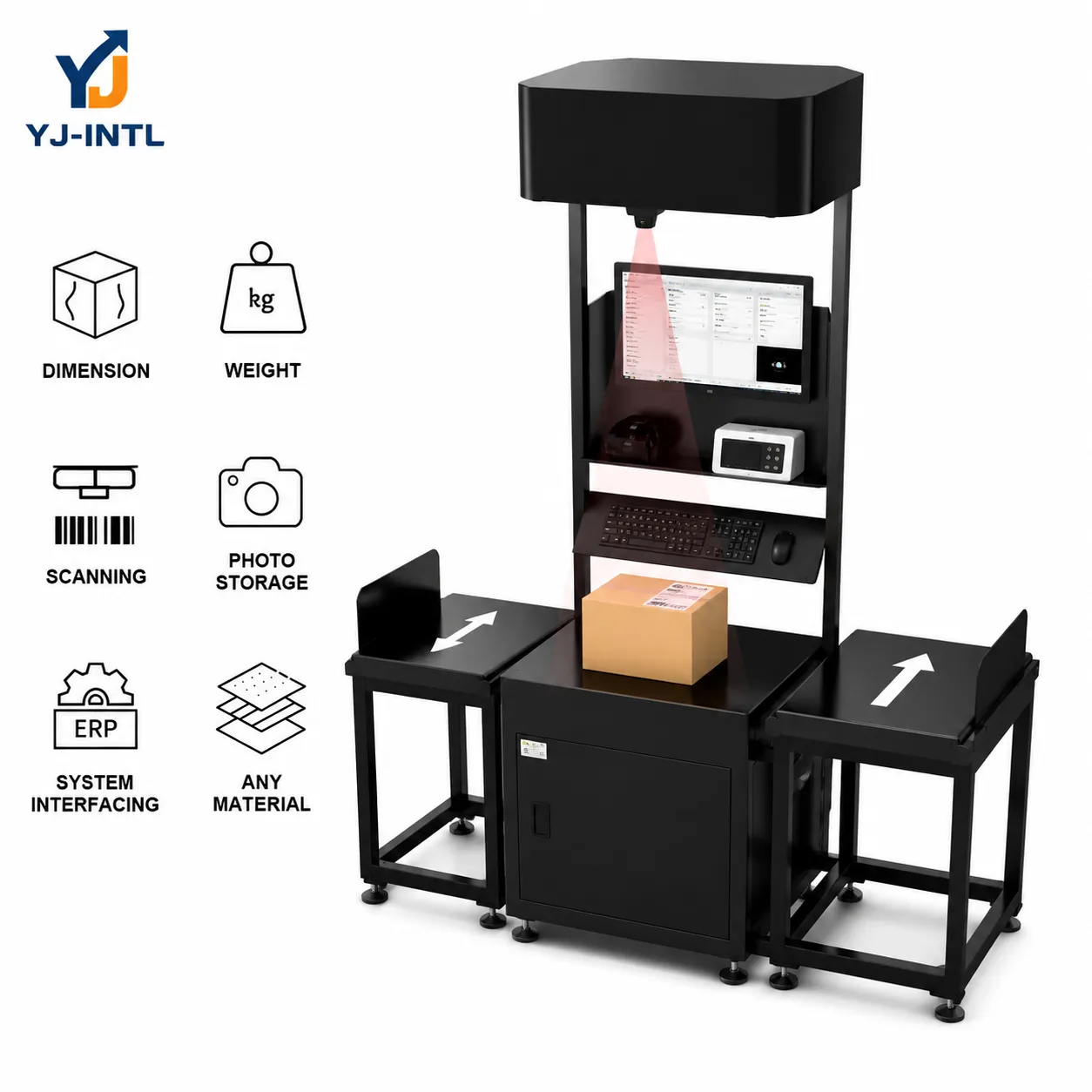
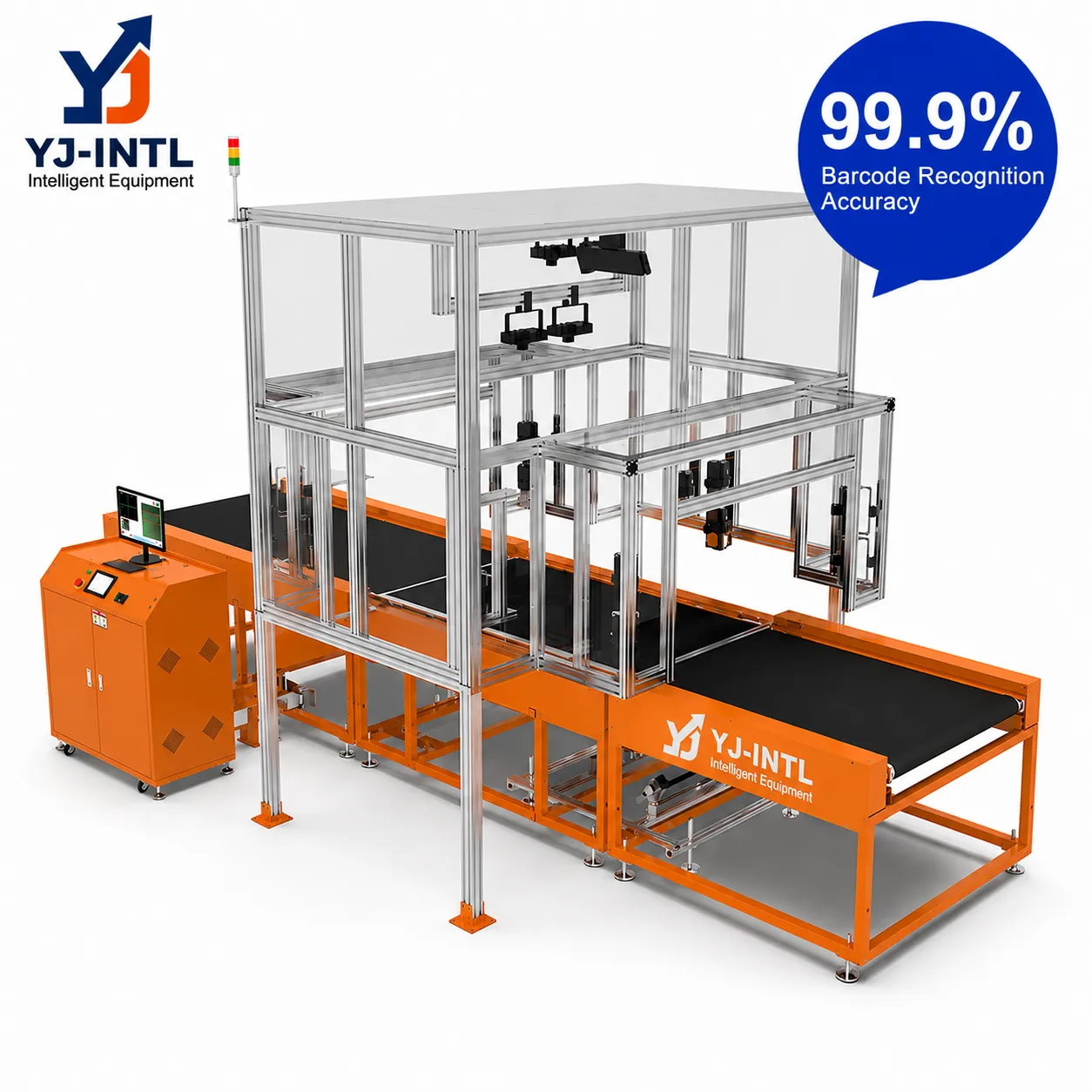
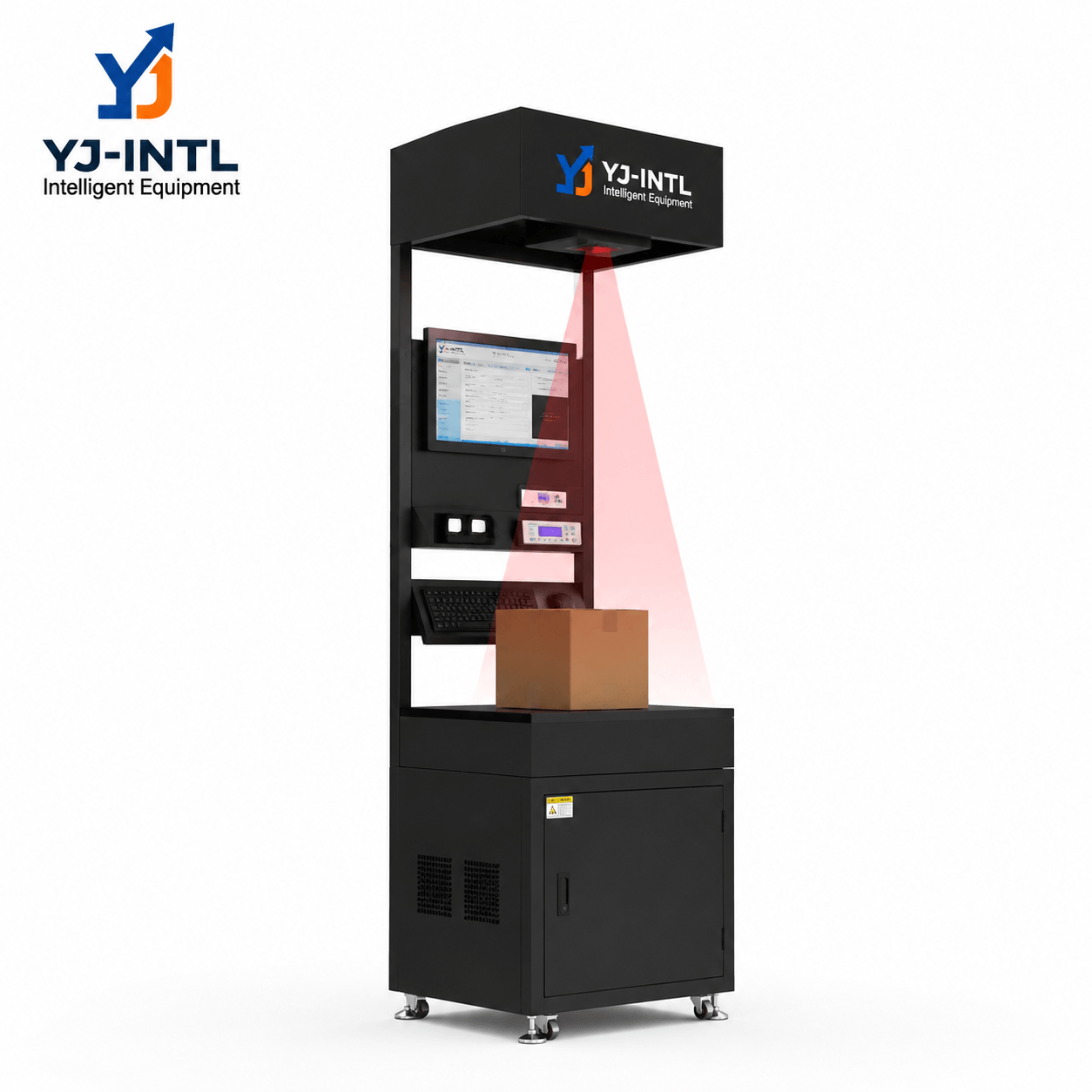
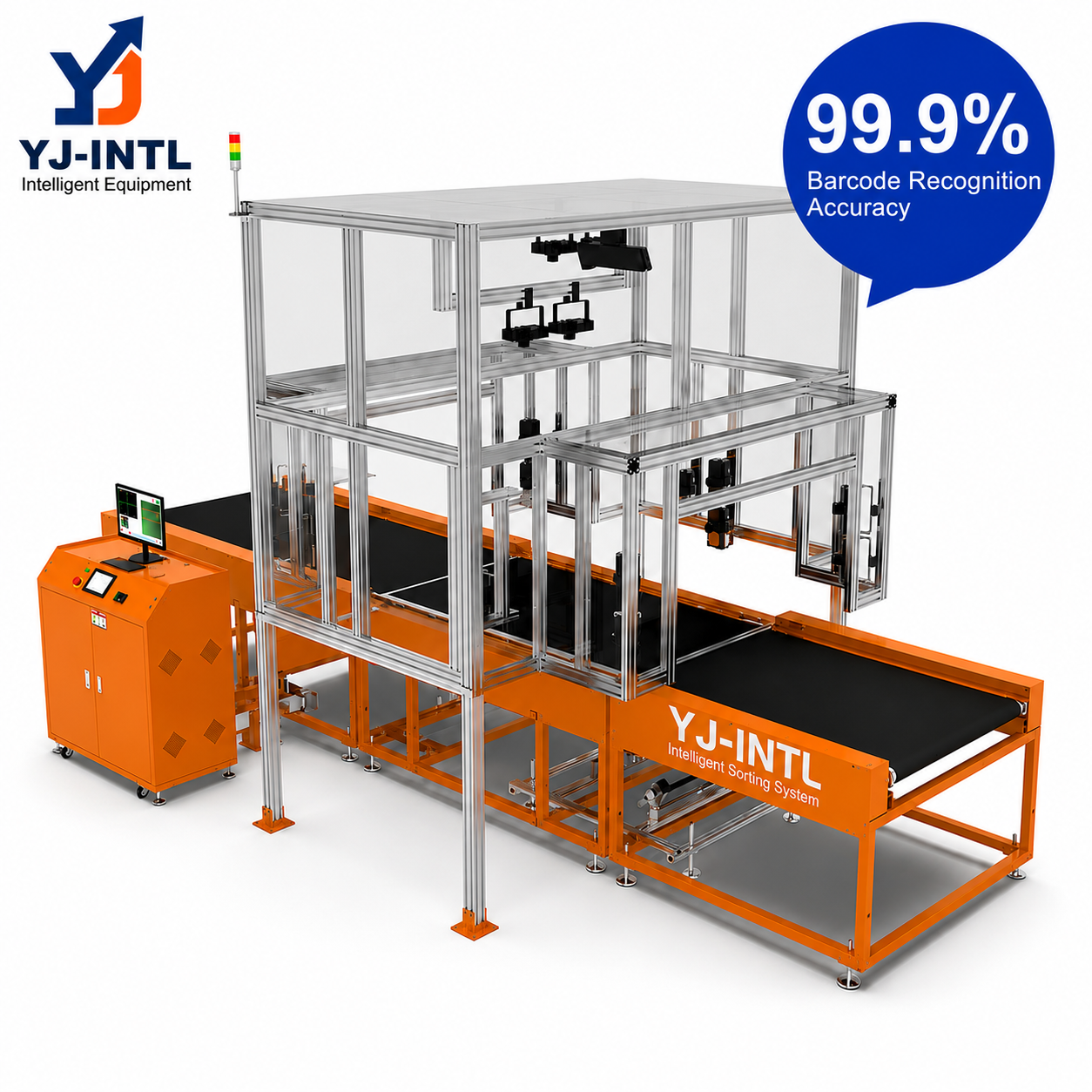
DWS systems can capture barcode or parcel ID, weight and dimensions while the parcel is processed. YJ-INTL dynamic DWS configurations can support 1D/2D barcode and QR-code identification, with 6-side scanning options for applications requiring broader barcode visibility.
4. Automated Parcel Sorting
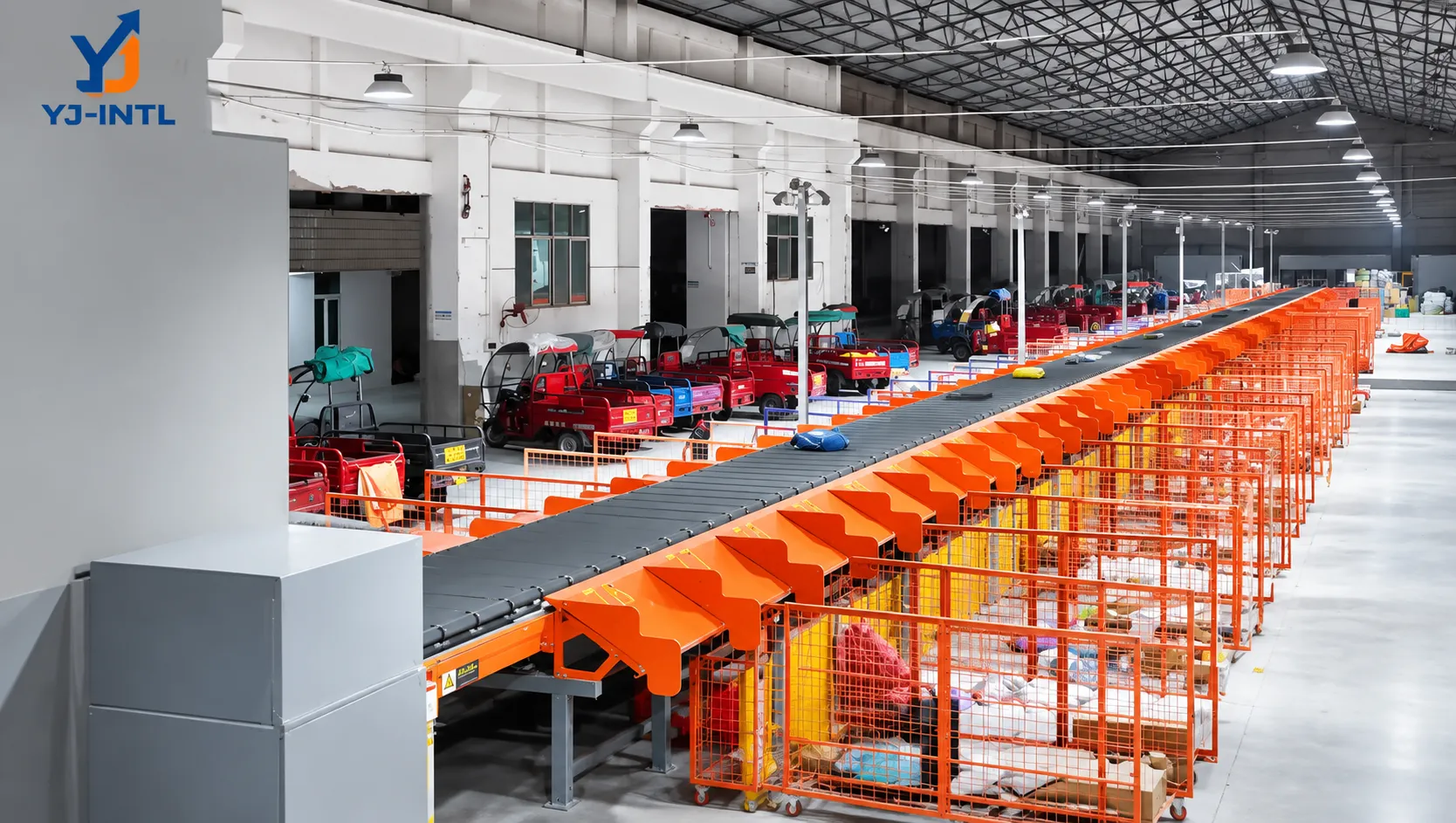
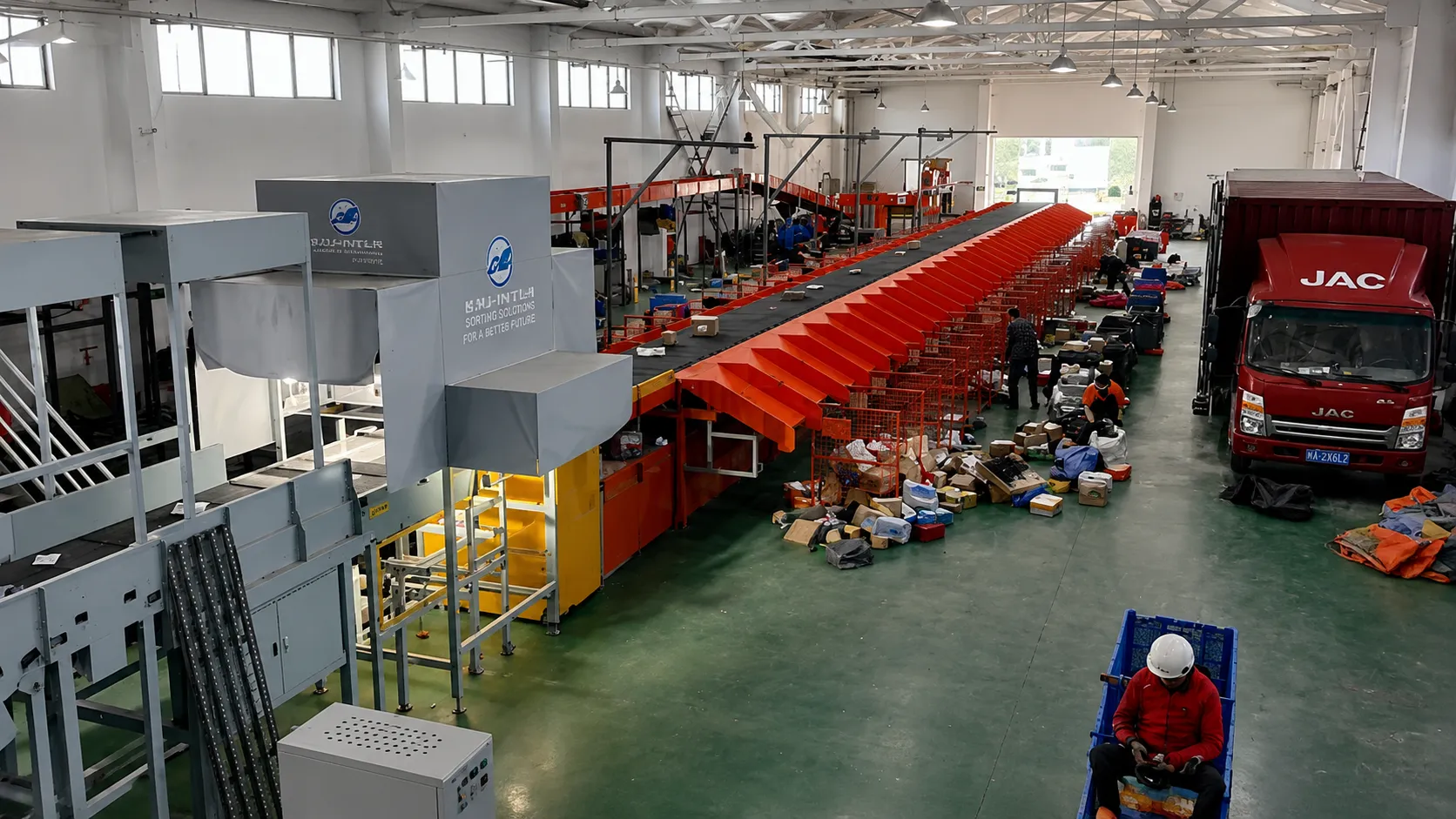
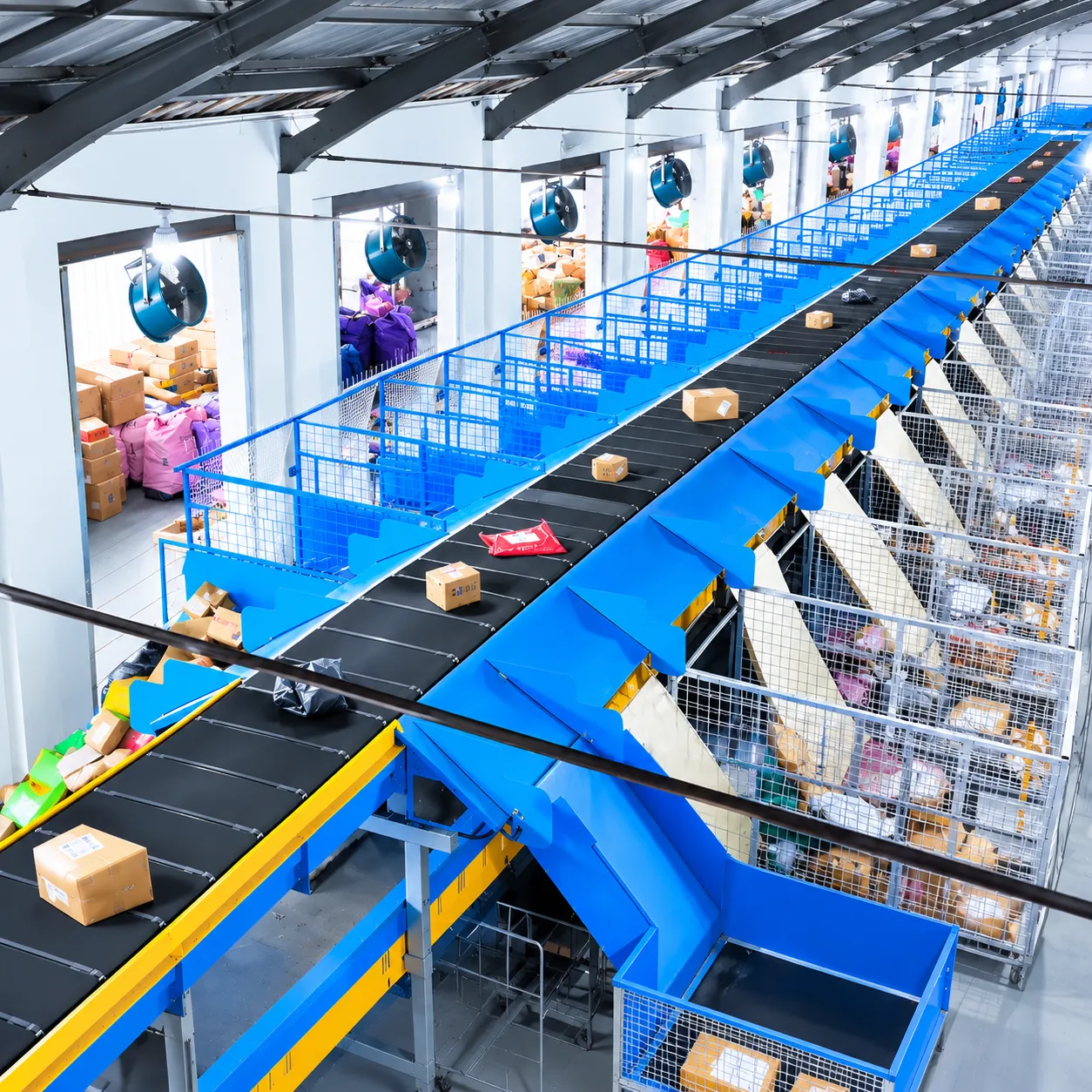
The sorter is selected according to parcel characteristics, required throughput, destination count and layout. Options include cross-belt, narrow-belt, wheel and Z-type sorting technologies, as well as compact DWS sorting stations for smaller regional operations.
5. Chutes, Takeaway & Consolidation
After diversion, parcels can be transferred to chutes, takeaway conveyors, bags, cages, packing stations or outbound lanes. The downstream design is engineered so that accumulation and dispatch capacity match the upstream sorter.
6. Bagging & Outbound Processing
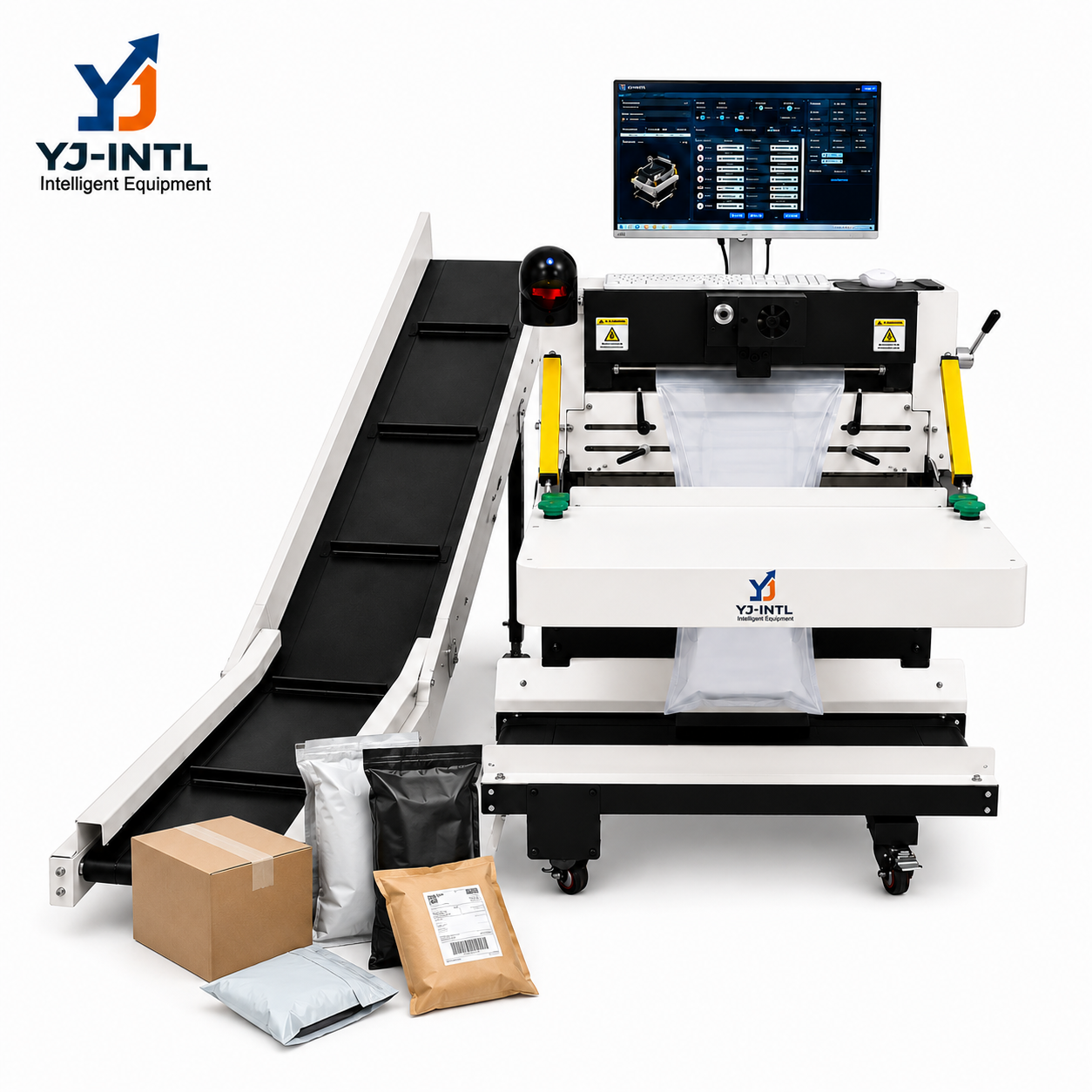
Automatic bagging equipment can be added where parcels need to be consolidated into shipping bags before dispatch. This creates a continuous path from sorting to final outbound preparation.
Solution Options by Parcel Operation
| Operation Requirement | Recommended Automation | Typical Purpose |
|---|
| Regional parcel station | Static DWS + multi-chute sorting | Measurement, identification and multi-destination classification in a compact footprint |
| Medium-volume express hub | Dynamic DWS + wheel sorter / narrow belt sorter | Continuous parcel data capture and automated route sorting |
| High-volume parcel hub | Cross belt sorter + DWS + conveyor network | High-throughput multi-destination sorting |
| Mixed parcel operation | Conveying + singulation + DWS + flexible sorting | Stabilize parcel flow and handle different package profiles |
| Outbound consolidation | Sorter + takeaway conveyor + auto bagging | Automate sorting-to-bagging and dispatch preparation |
What Problems Can the Solution Solve?
- Too many manual sorting positions: automated routing transfers destination decisions from operators to the control system.
- Sorting bottlenecks: continuous conveyors and automated sorters provide a more consistent processing rhythm.
- Peak-season labor shortages: automation reduces dependence on temporary manual sorting labor during volume spikes.
- Parcel data gaps: DWS combines identification, weight and dimensional information into a digital parcel record.
- Limited site space: compact DWS configurations and engineered multi-level layouts can increase processing density.
- Frequent route changes: software-controlled destination rules allow sorting logic to be adapted without rebuilding the entire material-flow system.
- Disconnected equipment: WMS/WCS/PLC interfaces connect identification, routing and equipment control into one workflow.
Quantifiable Performance: What Can Be Improved?
Final performance must be confirmed through project engineering and testing because parcel size, weight, shape, induction rate, destination distribution and downstream capacity all affect actual throughput. Current YJ-INTL reference specifications include up to 30,000 parcels/hour for cross-belt configurations, 8,000–12,000 parcels/hour for a linear narrow-belt configuration, and up to 3,000 parcels/hour for certain 6- or 8-chute DWS sorting configurations.
For a practical ROI evaluation, we recommend measuring five baseline indicators before automation: parcels/hour, labor positions per shift, peak-hour volume, mis-sort rate and average processing time per parcel. The automation target can then be expressed as throughput increase, labor reduction, error reduction and capacity gained per square meter.
As an external industry benchmark, a published express automation project reported processing up to 500,000 parcels/day while reducing related operating staff from 300 to 80 and extending operating time from 8 hours to as much as 22 hours. This figure is a reference case from the wider express-automation industry, not a guaranteed YJ-INTL project result.
Digital Control & Software Integration
A modern parcel sorting line is not only mechanical equipment. YJ-INTL systems can integrate barcode scanning, DWS, PLC control, WCS and WMS interfaces so that parcel identity, routing decisions and equipment status can be connected.
A typical workflow is:
Inbound Unloading → Induction → Identification → DWS → Routing Decision → Automated Sorting → Chute / Takeaway → Bagging or Consolidation → Outbound Dispatch
This architecture provides a clearer operational data trail and makes it easier to monitor throughput, equipment status, exceptions and destination performance.
Factory-Direct Services from YJ-INTL
As a source manufacturer and turnkey automation supplier, YJ-INTL can support the project through the complete engineering cycle rather than supplying isolated machines only.
- Requirement analysis: review parcel dimensions, weight, daily volume, peak volume, destinations and site conditions.
- Process planning: design the complete inbound-to-outbound material flow.
- System engineering: prepare equipment configuration, layout and sorting logic based on the project requirements.
- Equipment manufacturing: supply conveyors, DWS, sorters, put walls, bagging equipment and related automation hardware.
- Control integration: support PLC, WCS and WMS interface requirements according to the project architecture.
- Factory testing: conduct equipment inspection and functional testing before shipment.
- Installation & commissioning: provide on-site installation, commissioning and system optimization services.
- Training: train operators and maintenance personnel on normal operation and basic troubleshooting.
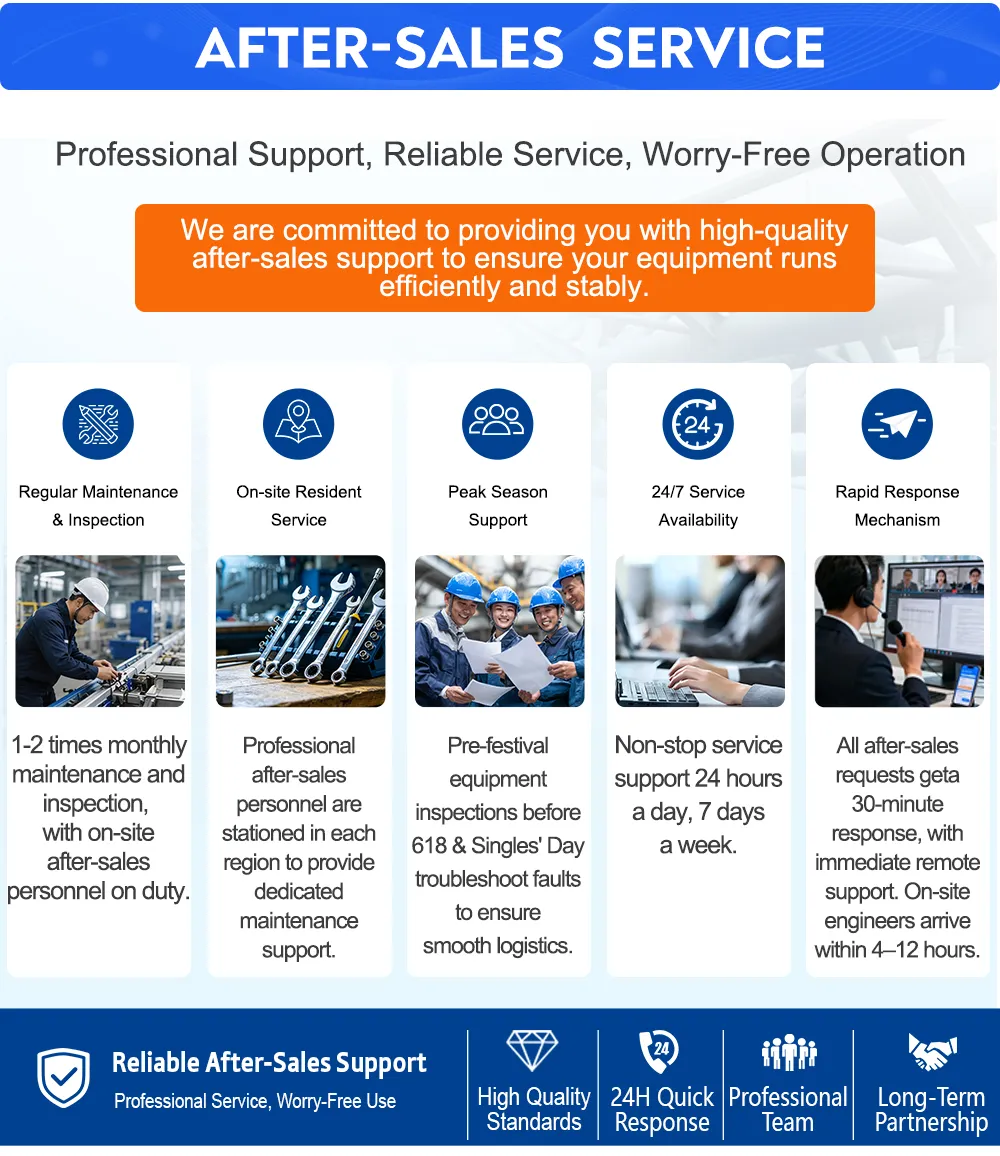
- After-sales support: provide technical support, spare parts coordination and maintenance guidance.
- Future expansion: reserve capacity and interface options where customers expect parcel volumes or destination counts to grow.
Why Choose YJ-INTL for Parcel & Express Automation?
YJ-INTL combines parcel sortation equipment, DWS, conveying and warehouse automation into project-based solutions. The company states an annual capacity of more than 1,500 automated sorting lines and more than 45 patents, with experience serving major logistics and parcel organizations. For overseas customers, the value is not simply the sorter itself, but the ability to receive a coordinated solution covering design, equipment manufacturing, integration, installation and technical support.