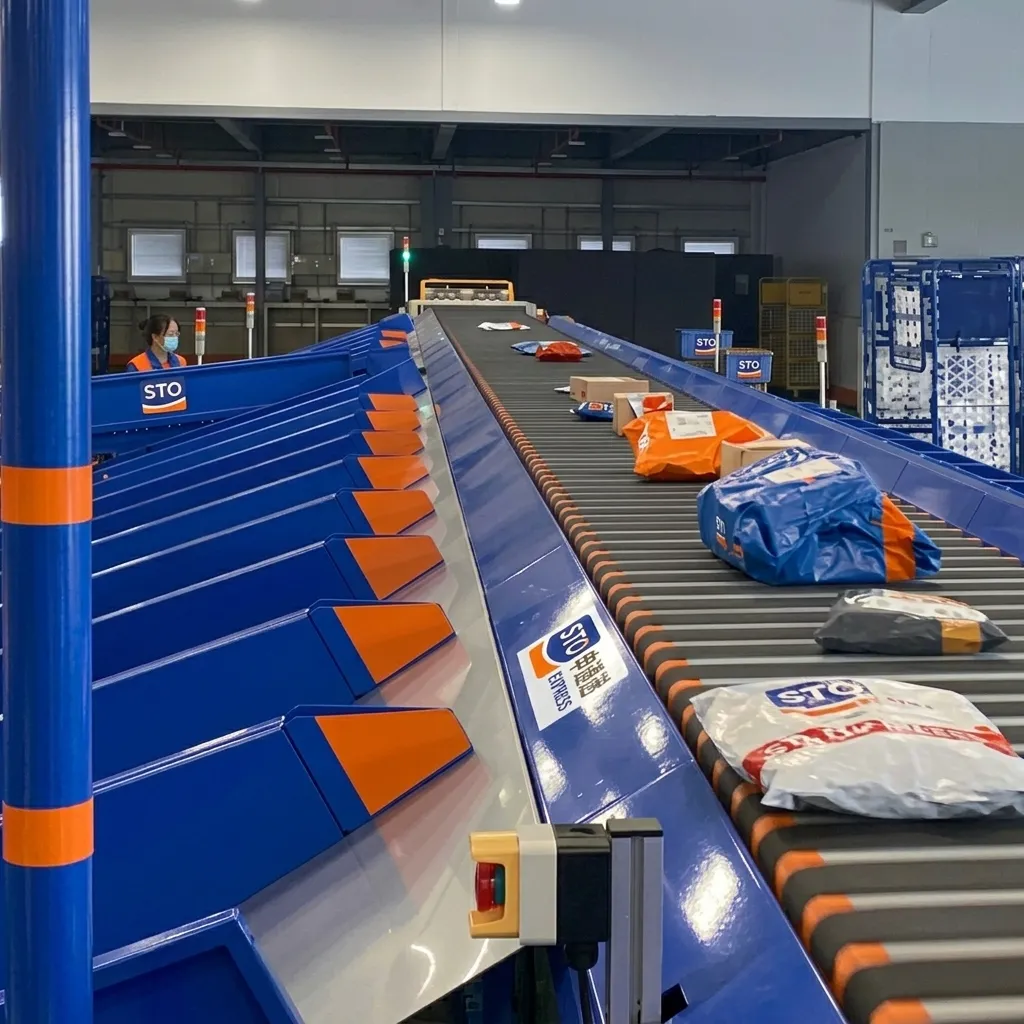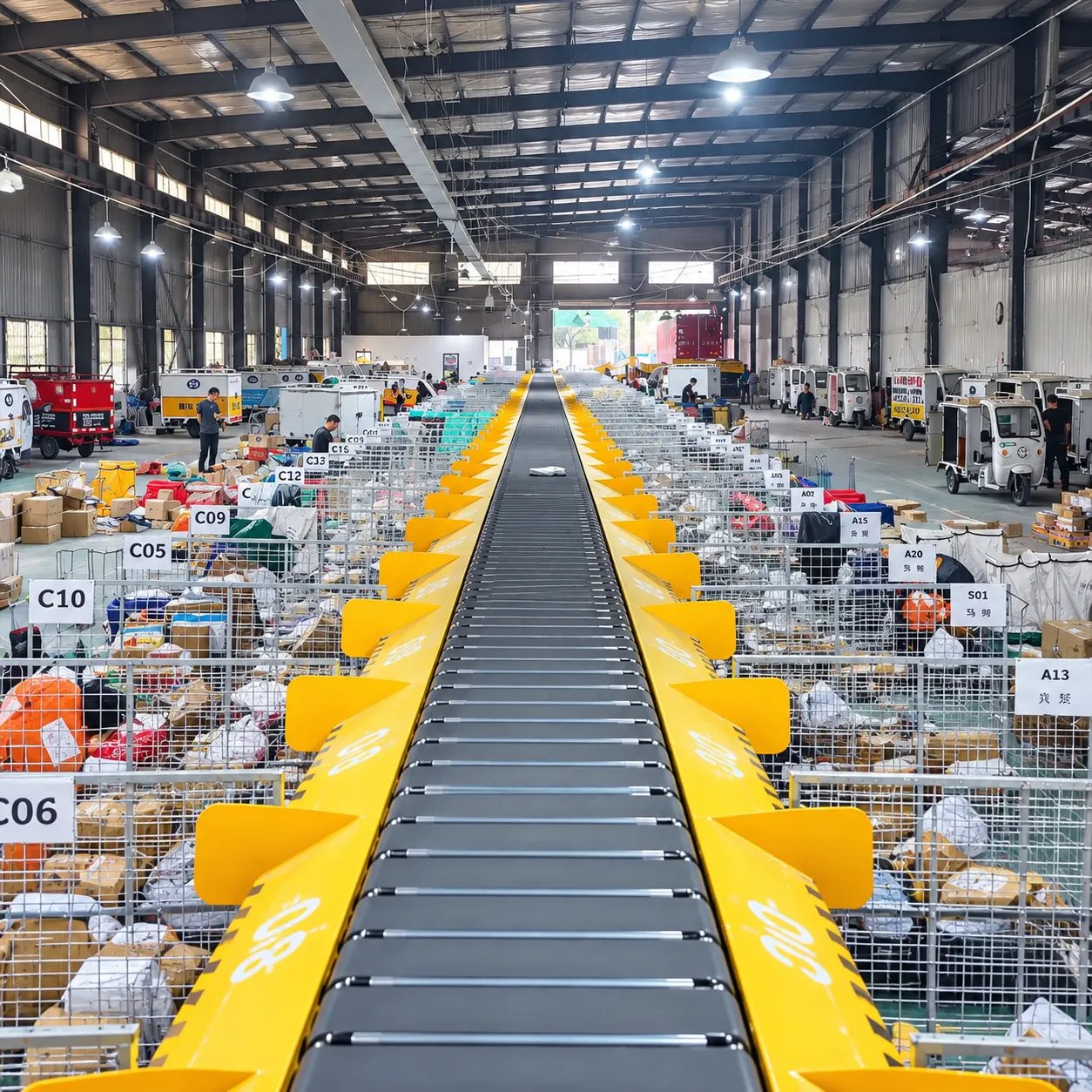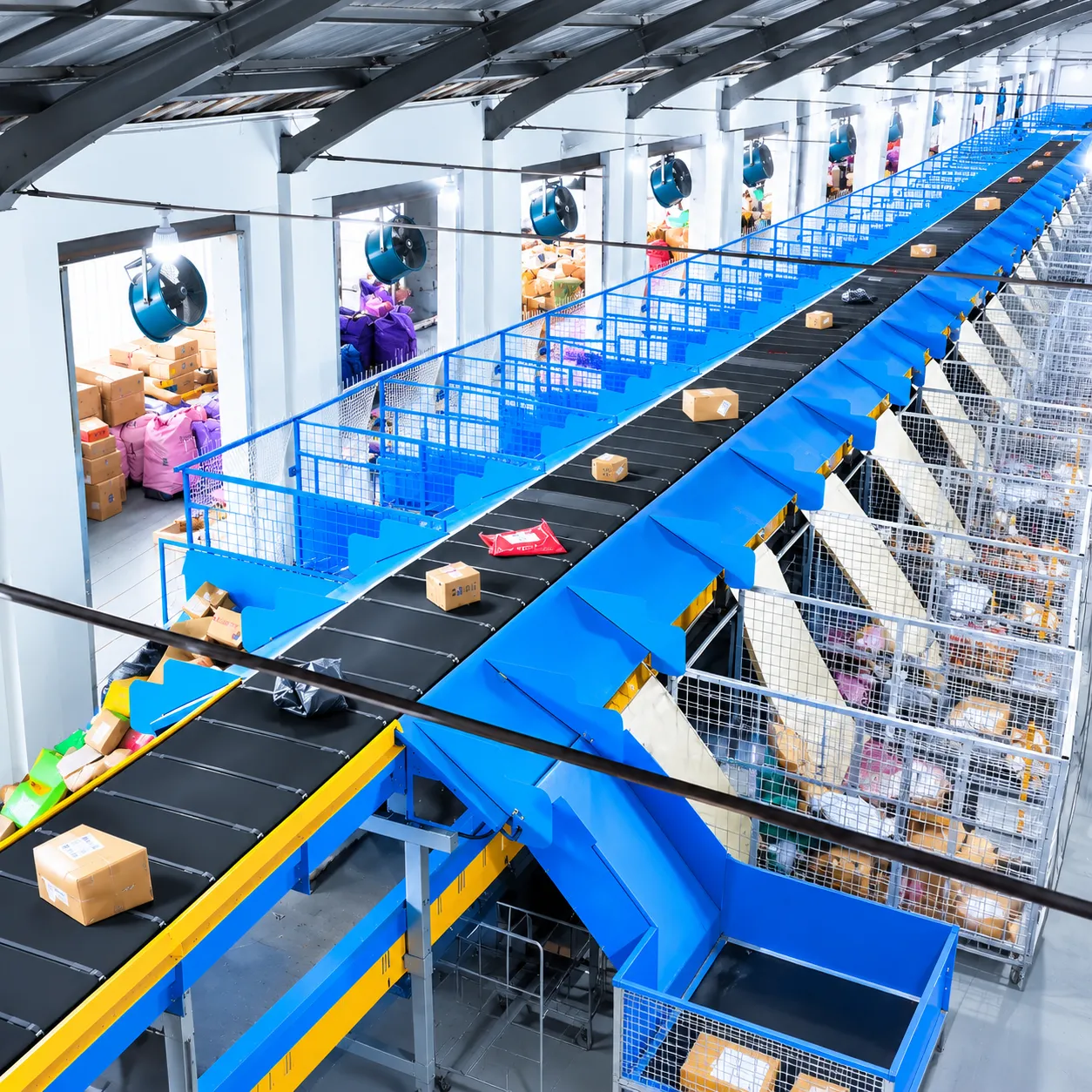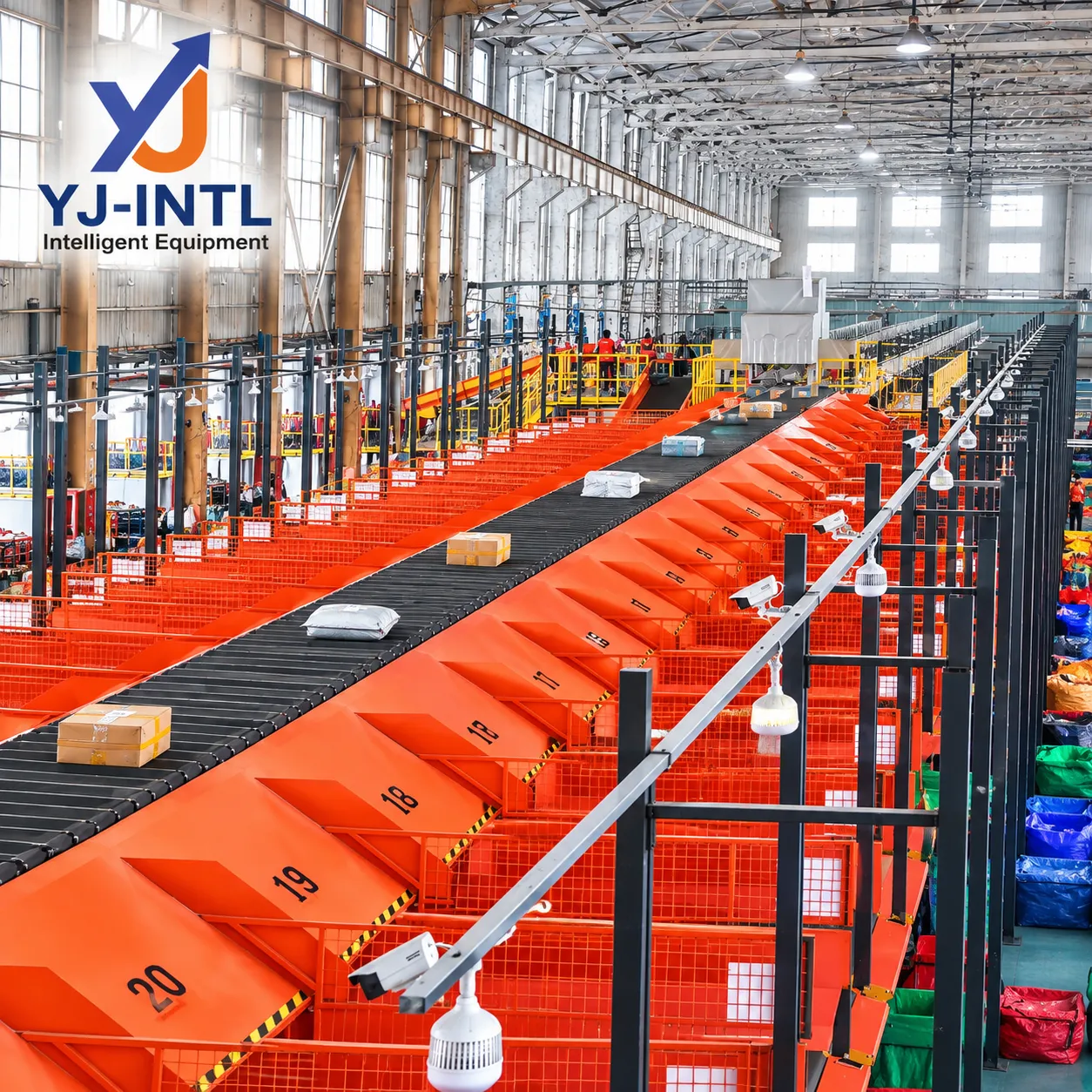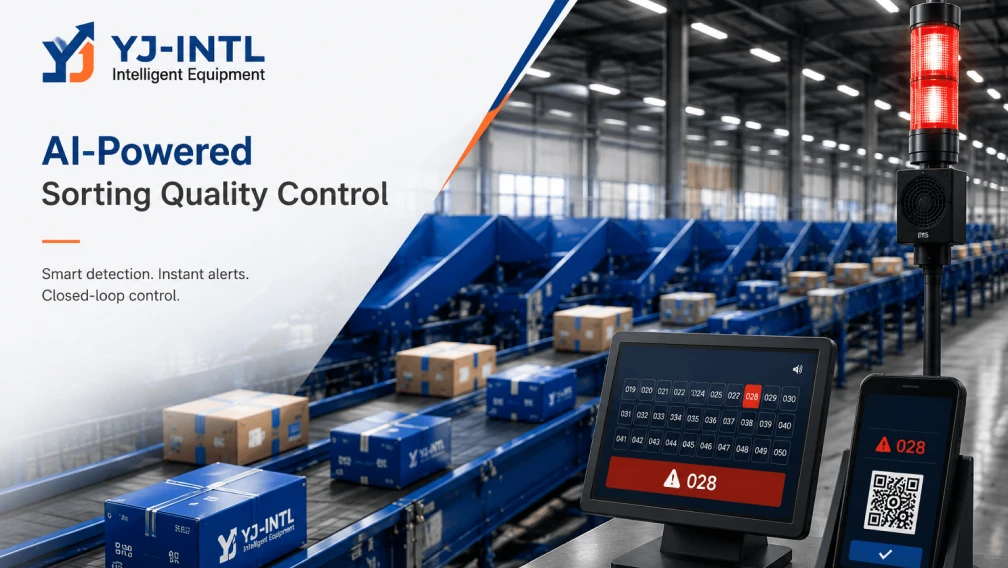
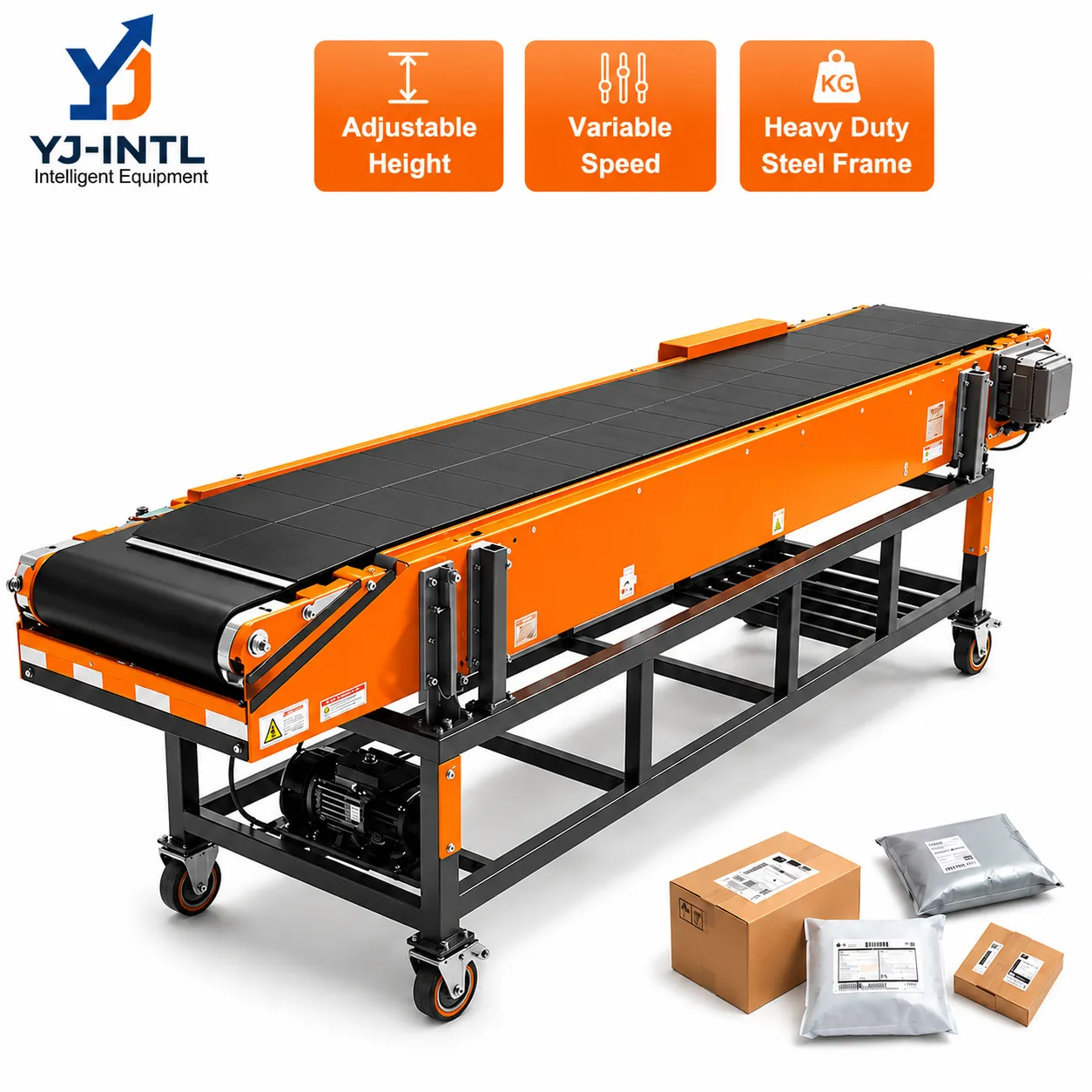
Reliable, durable, and offering excellent value for money—a sorting machine that delivers it all.
Narrow-belt cross-belt sorter
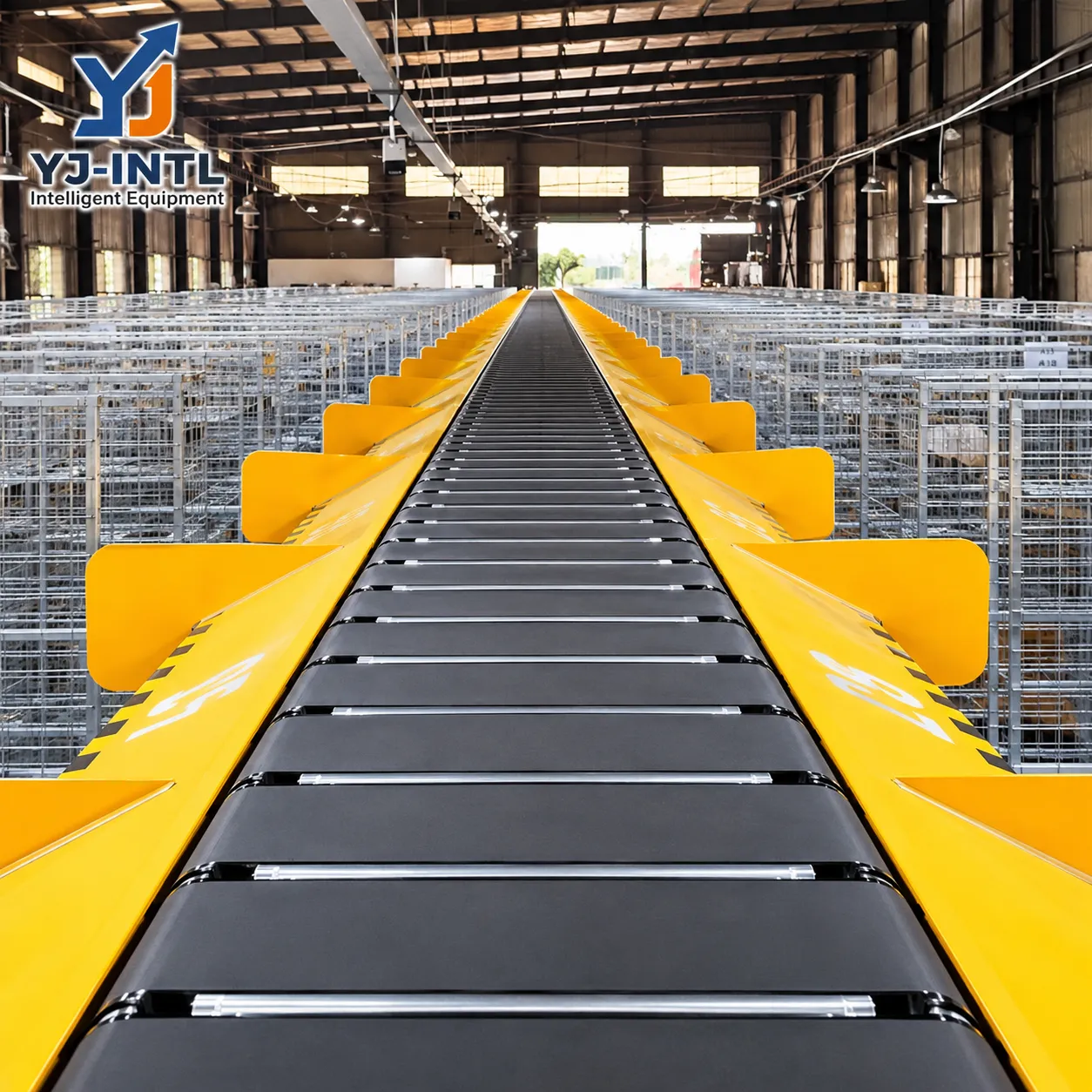
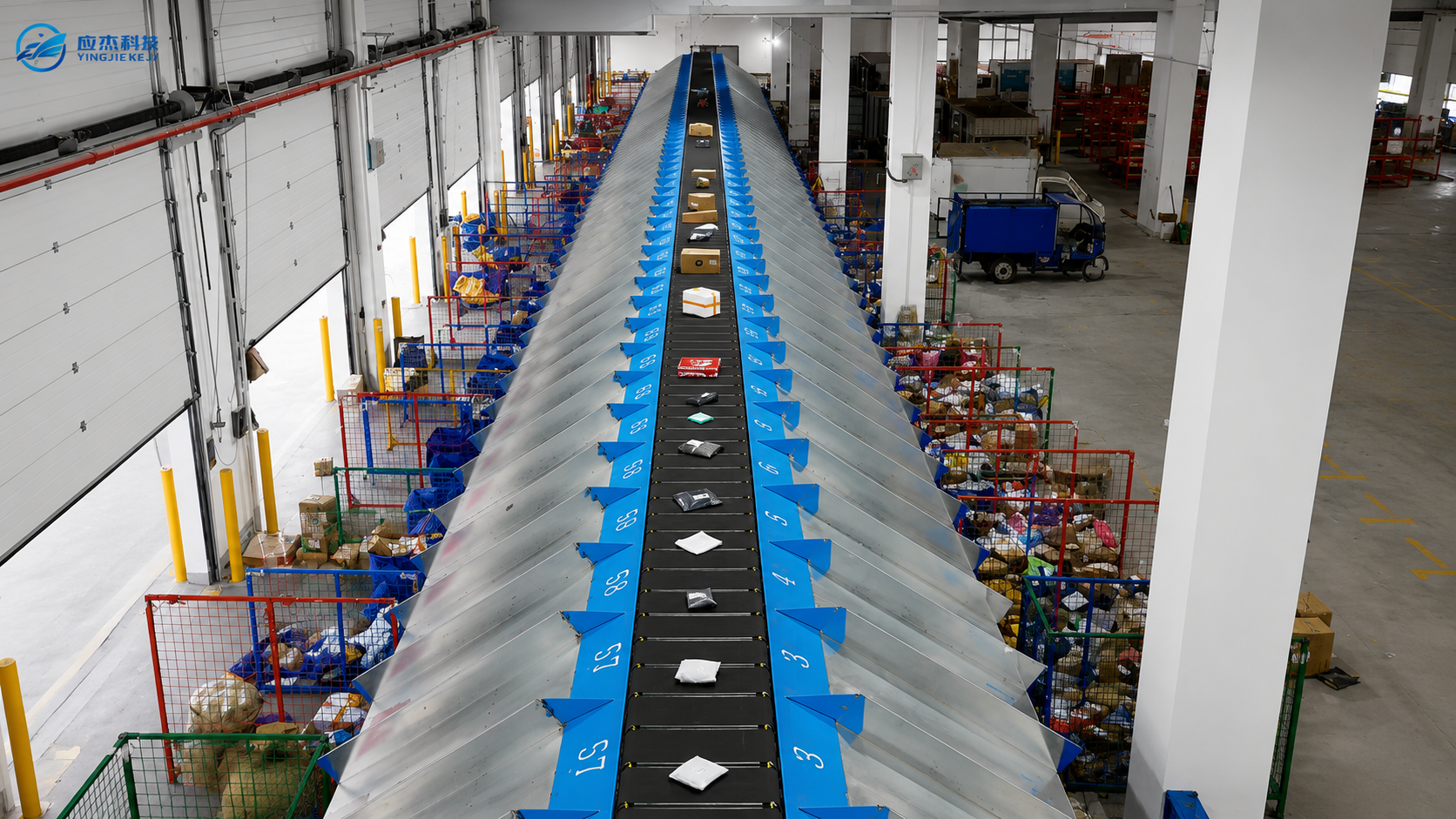
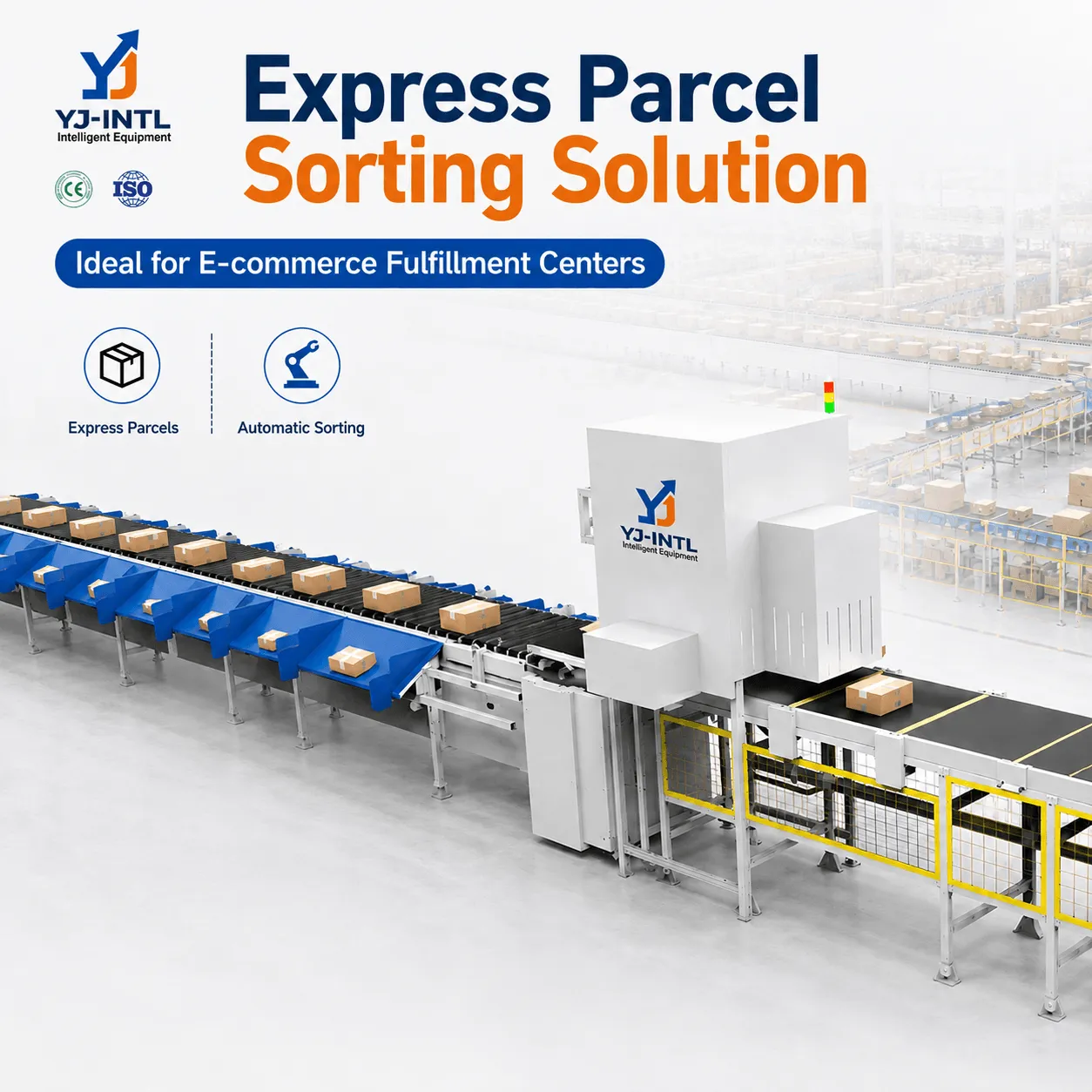
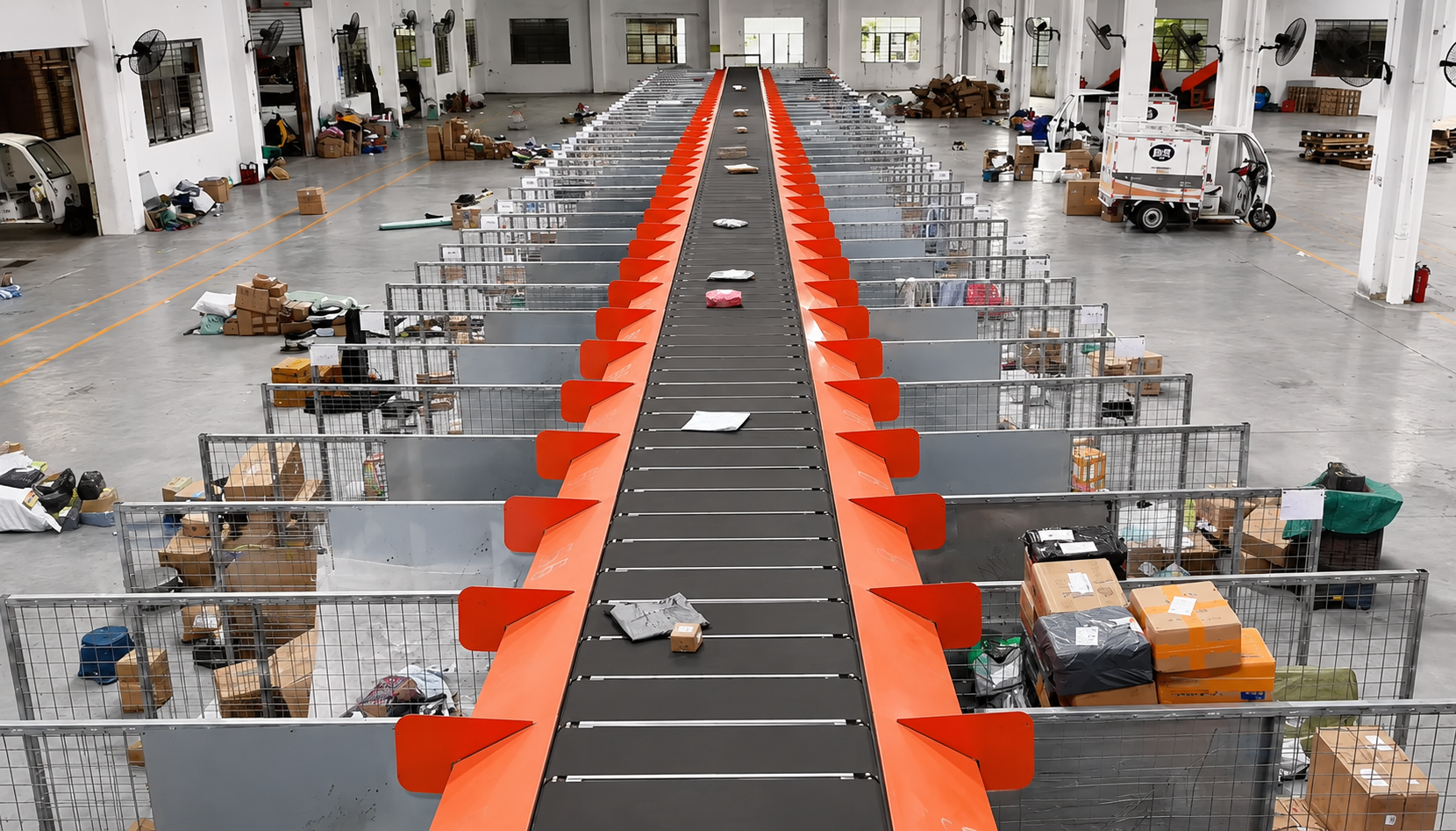
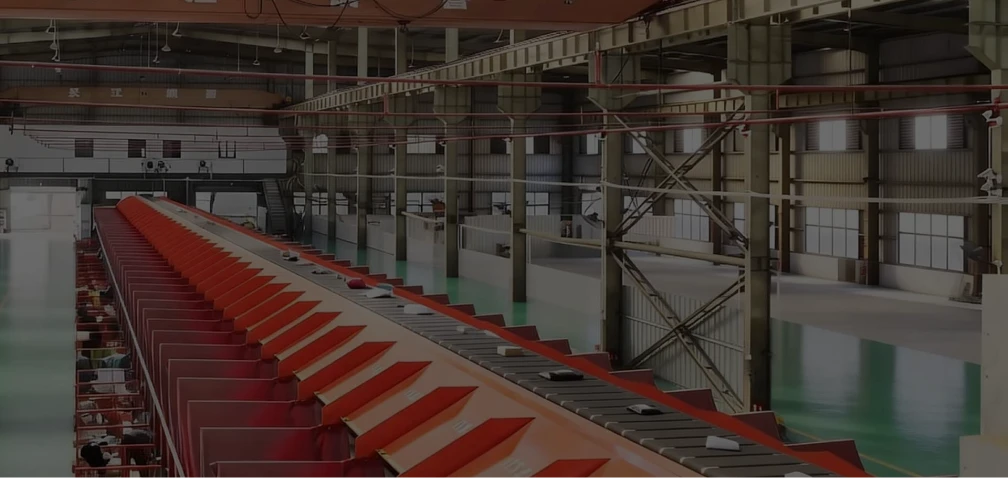
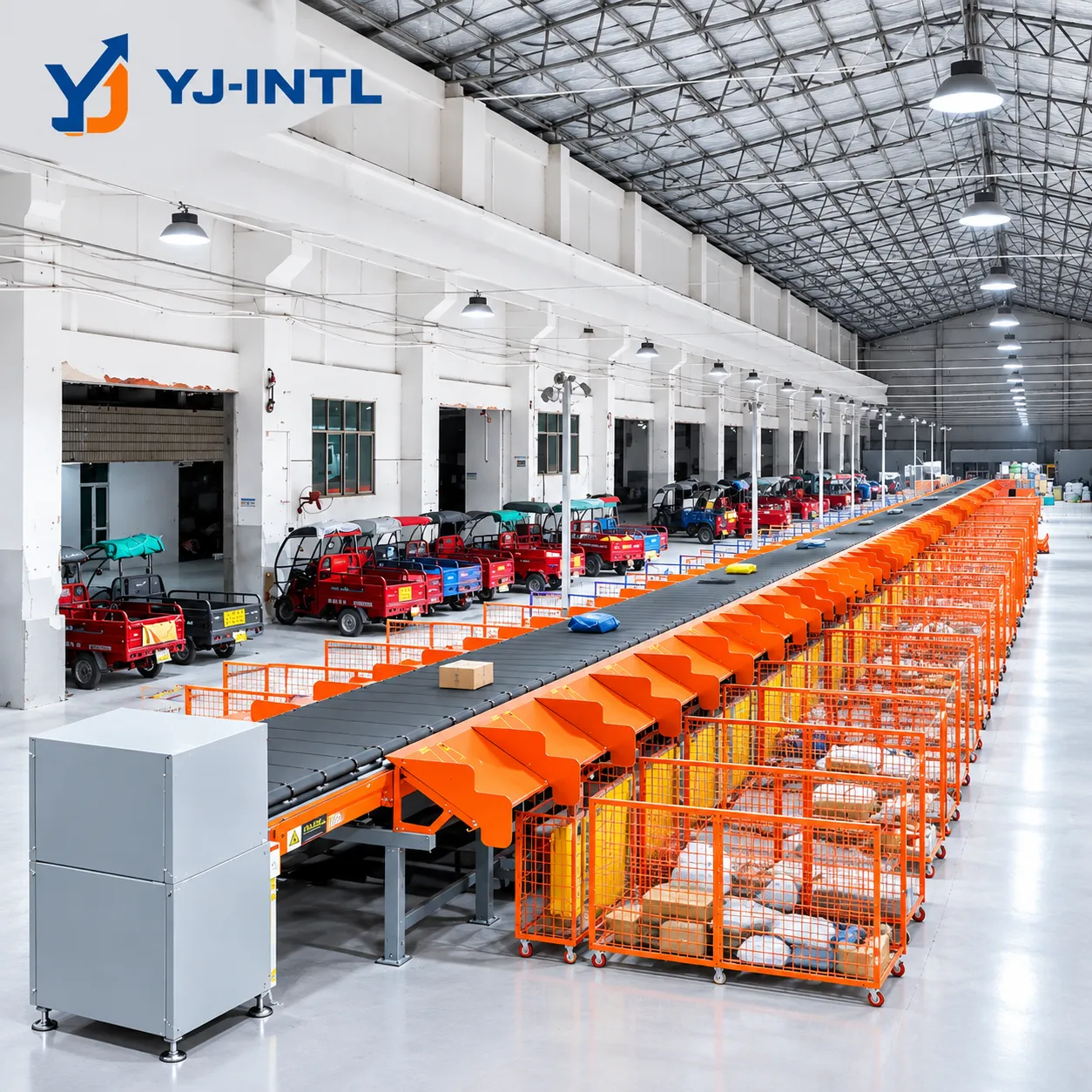
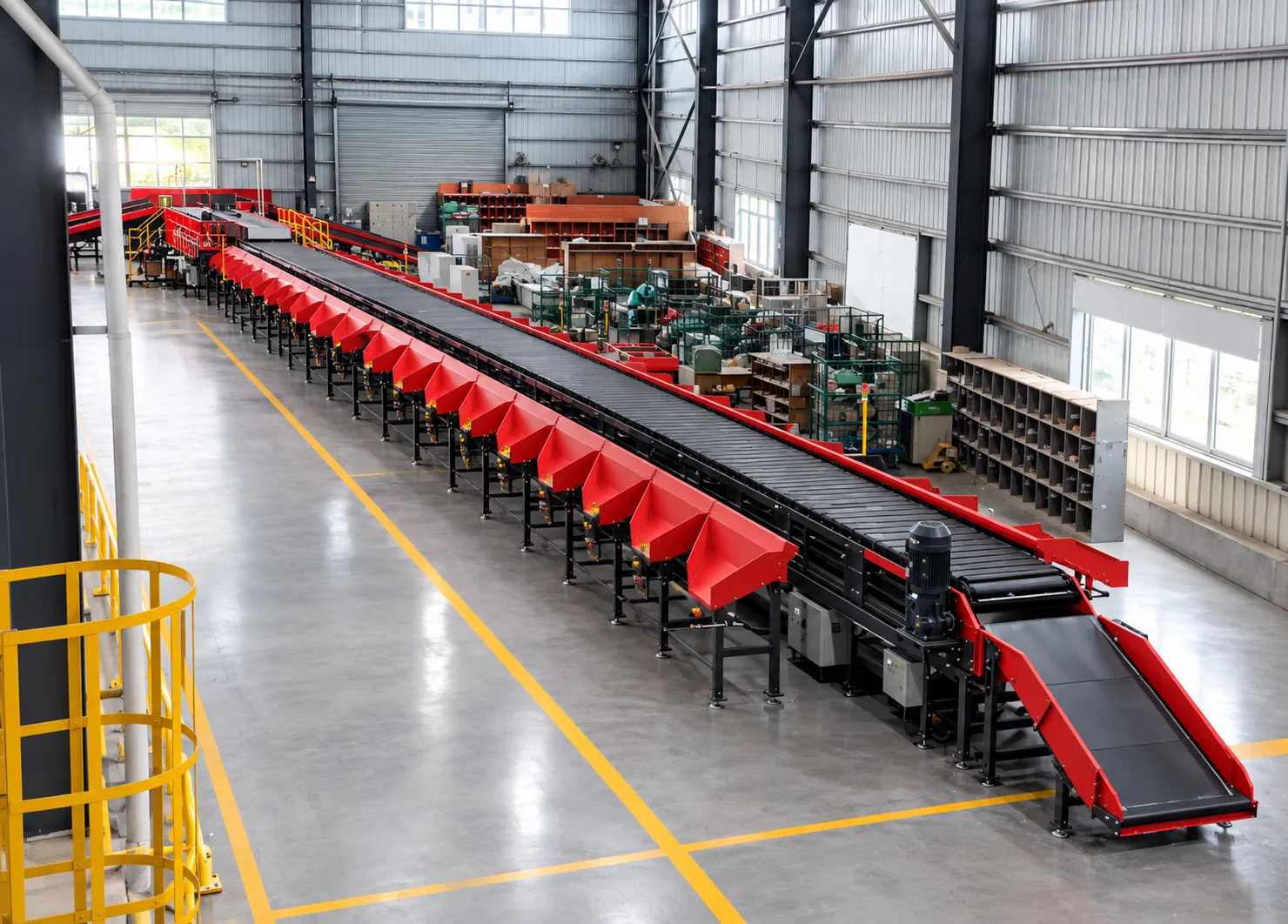
The linear narrow-belt sorter is an automated sorting system independently developed by YJ-Intl to meet diverse material sorting requirements. It comprises four main components—item induction, barcode scanning, the main sorting unit, and discharge chutes—with the entire system centrally controlled by an electronic control software platform. Items are fed onto the sorter's carriages via various induction methods; barcode scanners automatically capture destination data, and the sorter conveys the items to the designated chutes based on this information, thereby executing the transport and sorting functions.
- Up to 9,000 Parcels/Hour
- 90–180 m/min Operating Speed
- 152.4 mm Carrier Pitch
- 0.1–60 kg Parcel Load
- Up to 1,500 × 1,000 × 700 mm
- 48V DC Power Supply
- Variable-Speed Motor + Gear Drive
Technical Specifications
| Specification | Reference Parameter |
|---|---|
| Product Type | Narrow Belt Sorting System |
| Application | Express Parcel Sorting / Distribution |
| Operating Speed | 90–180 m/min |
| Carrier Pitch | 152.4 mm |
| Power Supply | 48V DC |
| Parcel Weight | 0.1–60 kg/pc |
| Minimum Parcel Size | 100 × 100 × 10 mm |
| Maximum Parcel Size | 1,500 × 1,000 × 700 mm |
| Reference Throughput | ≥6,000 pcs/h at approx. 500 × 500 × 500 mm parcel size |
| Maximum Reference Throughput | Up to 9,000 pcs/h |
| Sorting Destinations | Customized |
| Drive Method | Variable-speed motor + gear transmission |
| Noise Level | ≤76 dB |
| Operating Temperature | -10°C to 45°C |
| Control | PLC-based control |
| Main Motor | SEW / NORD or customer-specified |
| PLC | Siemens / customer-specified |
| Sensor | SICK or equivalent |
| Low-Voltage Components | Schneider / customer-specified |
Engineering note: The above figures are based on the supplied product specification. Actual sorting capacity and parcel compatibility depend on parcel dimensions, weight, spacing, induction conditions, sorting layout and downstream equipment. Final specifications should be confirmed during project engineering.
Details
The narrow-belt sorting system is a highly efficient, cost-effective, and versatile sorting solution designed for scenarios demanding high standards of automated load-bearing capacity, adaptability, and throughput. Primarily utilized for item sorting in sectors such as express delivery centers and outlets, warehousing, logistics, and e-commerce, this motorized narrow-belt system offers distinct advantages in operations characterized by diverse product types, fluctuating unloading efficiency, and high volume requirements.
It consists of a series of interconnected, narrow-belt carts spaced at regular intervals; when a shipment reaches its designated sorting chute, the system flexibly assigns the appropriate number of carts—based on the package's dimensions—to execute the sorting action. Its structural design supports high-speed operation, reaching up to 3 meters per second, thereby enabling higher throughput. The narrow-belt sorter effectively meets the sorting requirements of operations centers handling high volumes, diverse package types, and large-sized items.
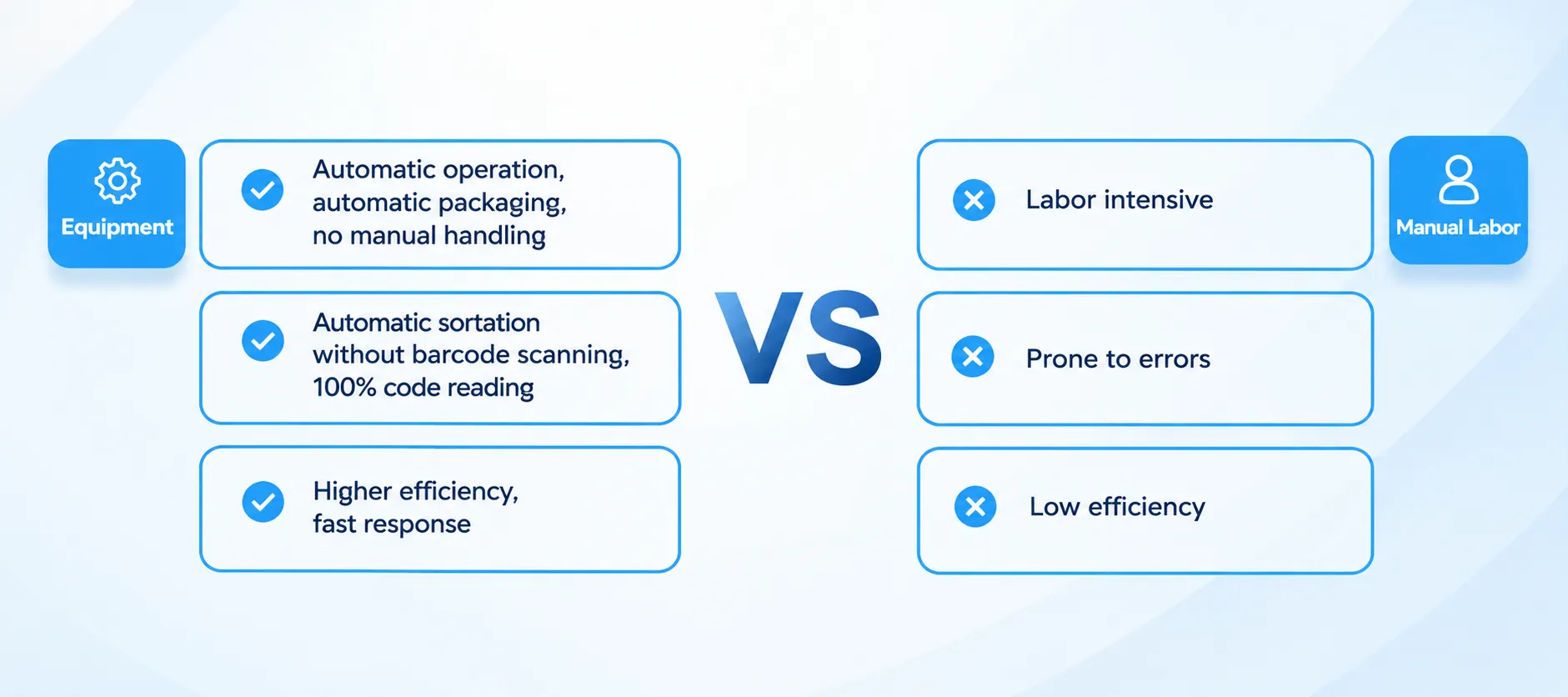
Performance Features:
- Linear layout offers strong adaptability to various item specifications and simplifies the design and planning process;
- Compact footprint, suitable for small-to-medium-sized sites or locations requiring high space utilization efficiency;
- Narrow-belt configuration offers superior flexibility, allowing the number of sorting carriers to be adjusted based on cargo size;
- Highly adaptable to a wide range of item shapes, weights, sizes, and packaging types;
- High-speed and efficient operation; variable speed control meets peak productivity demands while ensuring low noise levels and extended service life during standard operations;
- Operators can input sorting commands quickly and easily via diverse, user-friendly methods;
- Features real-time dynamic tracking, system monitoring, diagnostics, and safety protection functions;
- Modular design ensures ease of maintenance and high system stability.
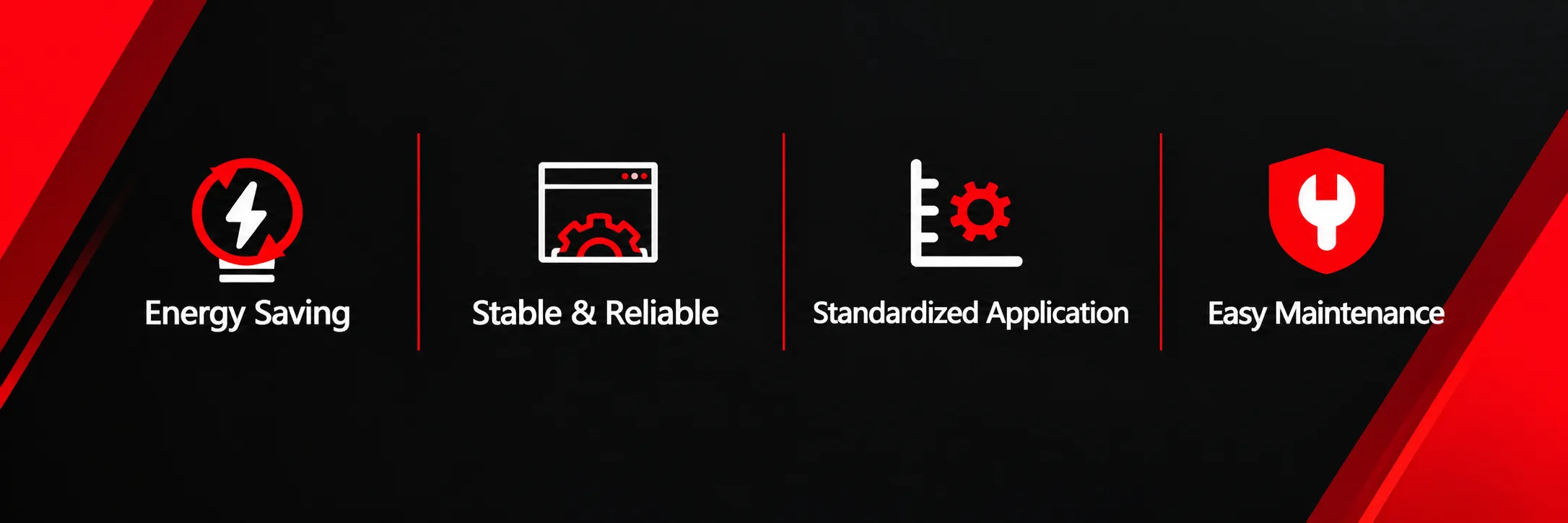
Advantages
- Flexible Sorting: Highly adaptable to a wide range of items, including soft packs, flat items, consolidated bags, cartons, and irregularly shaped items with stable centers of gravity.
- High Speed and Efficiency: Mainline speeds reach up to 2.2 m/s, with a sorting throughput of 9,000 pieces per hour.
- High Accuracy: Utilizes a new control architecture and infrared communication control scheme, achieving a sorting accuracy of up to 99.99%.
- Rapid Delivery: Features a modular, weld-free structure that enables quick on-site delivery and easy maintenance.
- Reliable Quality: Ensures quality management with full-lifecycle traceability across production and delivery.
YJ-INTL Engineering & Manufacturing Capability
Product Configuration Based on Real Parcel Data
YJ-INTL can evaluate the sorting system according to actual parcel dimensions, weight distribution, hourly volume, destination quantity and warehouse layout.
Complete Sorting Line Engineering
The equipment can be combined with conveying, scanning, DWS, induction, sorting chutes and warehouse-control systems.
Flexible Component Selection
Key electrical and drive components can be specified according to customer standards and project requirements.
Installation and Commissioning
Project support can include equipment installation, system commissioning, operator training and technical support depending on project scope.
International Project Support
The system can be engineered for overseas logistics and warehouse automation projects with customer-specific electrical, control and integration requirements.
FAQ
The reference operating speed is 90–180 m/min. The final speed should be selected according to parcel dimensions, weight, spacing, required throughput and the complete system configuration.
The reference carrier pitch is 152.4 mm. The final carrier arrangement should be evaluated together with the parcel profile and required sorting density.
The supplied reference specification supports parcel loads from 0.1 to 60 kg per parcel. Final load capability should be confirmed according to parcel dimensions, center of gravity and carrier configuration.
The reference maximum parcel size is 1,500 × 1,000 × 700 mm. Actual suitability should be confirmed for parcels close to the maximum dimensions.
The supplied specification lists a minimum parcel size of 100 × 100 × 10 mm. Very lightweight or flexible parcels should be evaluated to confirm stable conveying and sorting.
The supplied specification indicates a reference capacity of at least 6,000 parcels per hour for parcels around 500 × 500 × 500 mm, with a maximum reference throughput of approximately 9,000 parcels per hour. Actual capacity depends on parcel characteristics and system conditions.
Yes. The system can be configured for mixed parcel sizes and weights within the applicable operating range. Parcel stability should be evaluated for unusually shaped or highly flexible packages.
The number of sorting destinations can be customized according to the project. Destination quantity depends on the required routes, warehouse layout, chute arrangement and parcel distribution.
The supplied configuration uses a variable-speed motor with gear transmission. SEW / NORD or customer-specified motor configurations can be considered according to project requirements.
The reference electrical configuration uses a 48V DC power supply. Final electrical requirements should be confirmed according to the complete project design and local standards.
Yes. Barcode scanning or other parcel identification equipment can be integrated with the sorting line so that parcel information can be associated with the required destination.
Yes. The sorter can be connected with WMS, WCS, PLC and other warehouse automation systems according to the customer's interface and control requirements.
The reference application covers cartons, soft packages, polybags, small parcels, larger parcels and mixed-weight shipments. Final parcel compatibility depends on dimensions, weight, shape and bottom condition.
Yes. The equipment can be engineered for J&T Express-type parcel distribution operations according to actual parcel data, throughput requirements, destination quantity, warehouse layout and control-system requirements.
For a preliminary quotation, provide parcel dimensions, parcel weight range, average and peak throughput, number of destinations, warehouse layout, induction method, barcode requirements and WMS/WCS integration requirements.