

YJ-INTL Answers 10 Key Questions About Cross-Belt Sorters

YJ-INTL recently shared practical answers to 10 of the questions most frequently raised by customers when evaluating a cross-belt sorting system, covering equipment cost, energy consumption, return on investment, site requirements, throughput, sorting accuracy, future expansion, labor requirements, delivery time and after-sales support.
As parcel volumes continue to increase across express delivery, e-commerce and logistics operations, automated sorting has become an important consideration for distribution centers and parcel processing facilities.
However, choosing a cross-belt sorter involves much more than comparing equipment prices.
Through this Q&A, YJ-INTL explains how project requirements, facility conditions and operating objectives influence the design of an automated parcel sorting system.
1. How Much Does a Cross-Belt Sorter Cost?
There is no single standard price for a cross-belt sorting system. The final equipment configuration and project cost are influenced by several factors, with parcel volume being one of the most important.
A facility processing several thousand parcels per day has very different requirements from one handling hundreds of thousands of parcels. Parcel characteristics also matter, including whether the system is designed primarily for small parcels, larger packages or a mixed parcel profile. The number of sorting destinations is another important factor. In general, increasing the number of sorting outlets requires a different system configuration and can increase equipment investment. The available facility space also affects equipment selection and layout. For this reason, YJ-INTL's approach is to first evaluate the operating requirements and site conditions, develop a suitable parcel sorting system, and then determine the equipment configuration and quotation.
In other words, the sorting solution comes before the final equipment price.
2.How Much Energy Does a Cross-Belt Sorting System Consume?
Energy consumption is another consideration for logistics operators, particularly facilities where sorting equipment operates for long hours or experiences significant fluctuations in parcel volume.
YJ-INTL states that its sorting equipment uses a permanent-magnet motor drive concept, with the magnetic field generated through the interaction between track coils and permanent magnets on the sorter carriers.
According to the company's technical explanation, the carriers can achieve zero power consumption when operating under no-load conditions, with overall energy savings of up to 50% under applicable operating conditions.
The potential benefit can be particularly relevant to facilities where equipment remains powered while waiting for parcels during periods of low or fluctuating volume.
For customers evaluating an automated sorting system, therefore, the initial purchase price is only one part of the total cost of ownership. Long-term energy consumption should also be considered.
3.How Long Does It Take for a Cross-Belt Sorter to Pay for Itself?
Return on investment depends heavily on the operating profile of the facility.
YJ-INTL points to two major factors affecting the economics of automated sorting:
- Labor savings
- Reduced losses associated with sorting errors
For facilities with sufficient daily parcel volumes, the company states that the combined savings can potentially bring the payback period to around one year or less, depending on the actual project conditions. The practical ROI of a parcel sorting machine should therefore be evaluated based on the customer's parcel volume, labor structure, error-related costs, operating hours and equipment investment rather than using a universal payback period.
4. Can a Cross-Belt Sorter Fit My Facility?
A sorting system does not have a universal footprint.
Before designing a solution, engineers need to evaluate factors such as:
- Building length and width
- Column locations
- Available floor area
- Ceiling height
- Inbound and outbound flows
- Sorting destinations
- Equipment maintenance space
These conditions directly affect the layout and equipment configuration. YJ-INTL therefore recommends conducting an actual site assessment before finalizing a cross-belt sorting system. This is particularly important when retrofitting automation into an existing logistics facility, where building structures can significantly constrain the available layout.
5. How Many Parcels Can the System Sort Per Day?
There is no universal throughput figure for every automated sorting system. YJ-INTL's Q&A explains that sorting capacity can range from several thousand to hundreds of thousands of parcels per day, depending on the selected sorting technology and system configuration.
Actual throughput is influenced by factors such as:
- Sorter type
- Number of carriers
- Induction configuration
- Parcel size and weight
- Number of destinations
- Feeding efficiency
- Operating hours
- Upstream parcel handling
This means throughput should be specified as part of the overall system design rather than evaluated from the sorter alone.
6. What Is the Sorting Error Rate?
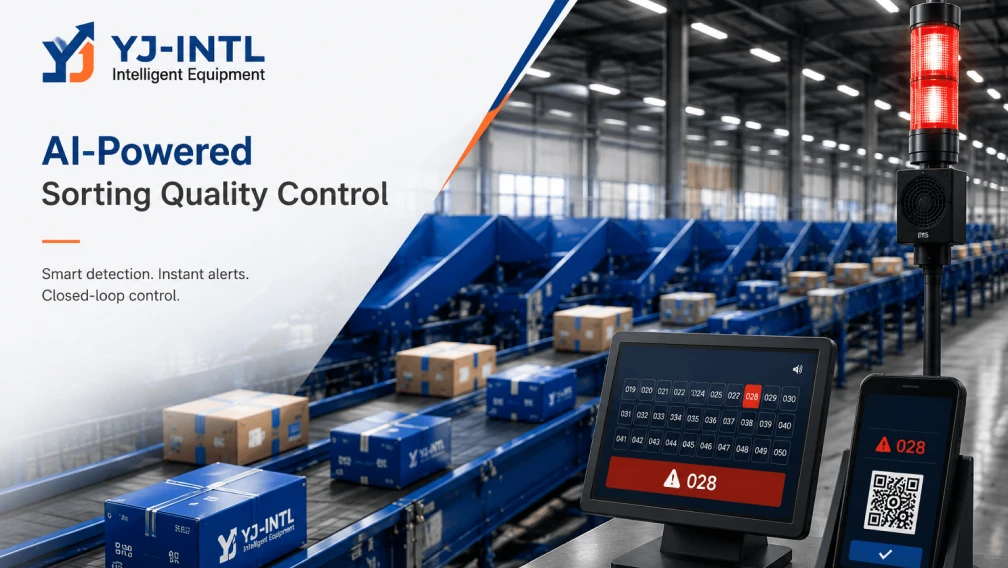
under normal operating conditions, the sorting error rate can be below 0.03%. However, We emphasizes that sorting accuracy does not depend entirely on the sorter itself. Problems can occur before parcels even reach the sorting equipment.
- Parcels may arrive overlapped
- Multiple parcels may enter the line together
- Barcodes may not be readable
- Labels may be positioned incorrectly
- Irregular parcels may require additional handling
For this reason, improving the accuracy of an automated parcel sorting system requires attention to the entire feeding process. YJ-INTL recommends combining sorting equipment with upstream technologies such as parcel singulation, de-stacking and six-sided scanning, where appropriate, to improve parcel identification and feeding quality. This reflects an important principle in logistics automation: Sorting accuracy starts before the parcel reaches the sorter.
7. Can the System Be Expanded When Parcel Volumes Increase?
A growing logistics operation may eventually outgrow its original sorting capacity. YJ-INTL's answer is yes — provided expansion requirements are considered during the initial design stage. Future capacity can be easier to accommodate when the original project reserves appropriate space and infrastructure for additional equipment.
Examples include planning for:
- Additional gantries
- Additional induction stations
- Additional feeding equipment
- Future sorting destinations
- Expansion space around the system
- Building and structural constraints
This forward-looking approach can reduce the difficulty of future expansion. For logistics operators experiencing rapid e-commerce or parcel growth, scalability should therefore be considered when the first sorting system is designed, rather than after existing capacity has already become a bottleneck.
8. Is Labor Still Required After Automated Induction Is Installed?
Automation reduces the need for continuous manual intervention, but it does not necessarily eliminate people from the operation. Under normal conditions, an automated feeding system can operate without constant manual intervention. Personnel may still be required when abnormal situations occur, such as:
- Parcel jams
- Irregular parcels
- Failed barcode scanning
- Unexpected feeding conditions
- Equipment alarms
YJ-INTL notes that many facilities continue to assign personnel for on-site monitoring and exception handling. The objective of automation is therefore not simply to remove every manual position, but to shift operators from repetitive parcel handling toward system monitoring and exception management.
9. How Long Does It Take to Deliver and Commission a Sorting System?
A complete project typically involves several stages: Site Assessment → Solution Design → Manufacturing → Installation → Commissioning → Operation
YJ-INTL states that a typical project can take around one month, although the actual schedule varies according to system scale, equipment configuration and implementation complexity. Early preparation can also affect the delivery timeline. Clearly defining the requirements, selecting the site in advance and maintaining effective communication between the customer and supplier can help reduce unnecessary delays during implementation. For international customers, project planning should therefore begin well before equipment manufacturing starts.
10. What After-Sales Service Does YJ-INTL Provide?
For a logistics automation project, equipment delivery is only one part of the customer relationship. System availability becomes particularly important during peak periods, when unexpected equipment downtime can affect the entire parcel processing operation. YJ-INTL states that its after-sales service includes:
- 30-minute response
- 4–12 hour on-site support
- Remote technical assistance
- 24/7 after-sales service
On-site personnel support during major peak periods and events, such as major shopping festivals, The objective is to provide technical support throughout the equipment's operational lifecycle and help customers maintain stable sorting operations. For logistics operators evaluating a cross-belt sorter manufacturer, after-sales capability is therefore an important part of supplier selection alongside equipment specifications and project pricing.
Beyond the Equipment: Designing the Complete Sorting Process
The 10 questions highlight a broader point about logistics automation. A cross-belt sorter is only one component of a complete parcel processing system. Depending on the application, a project may combine:
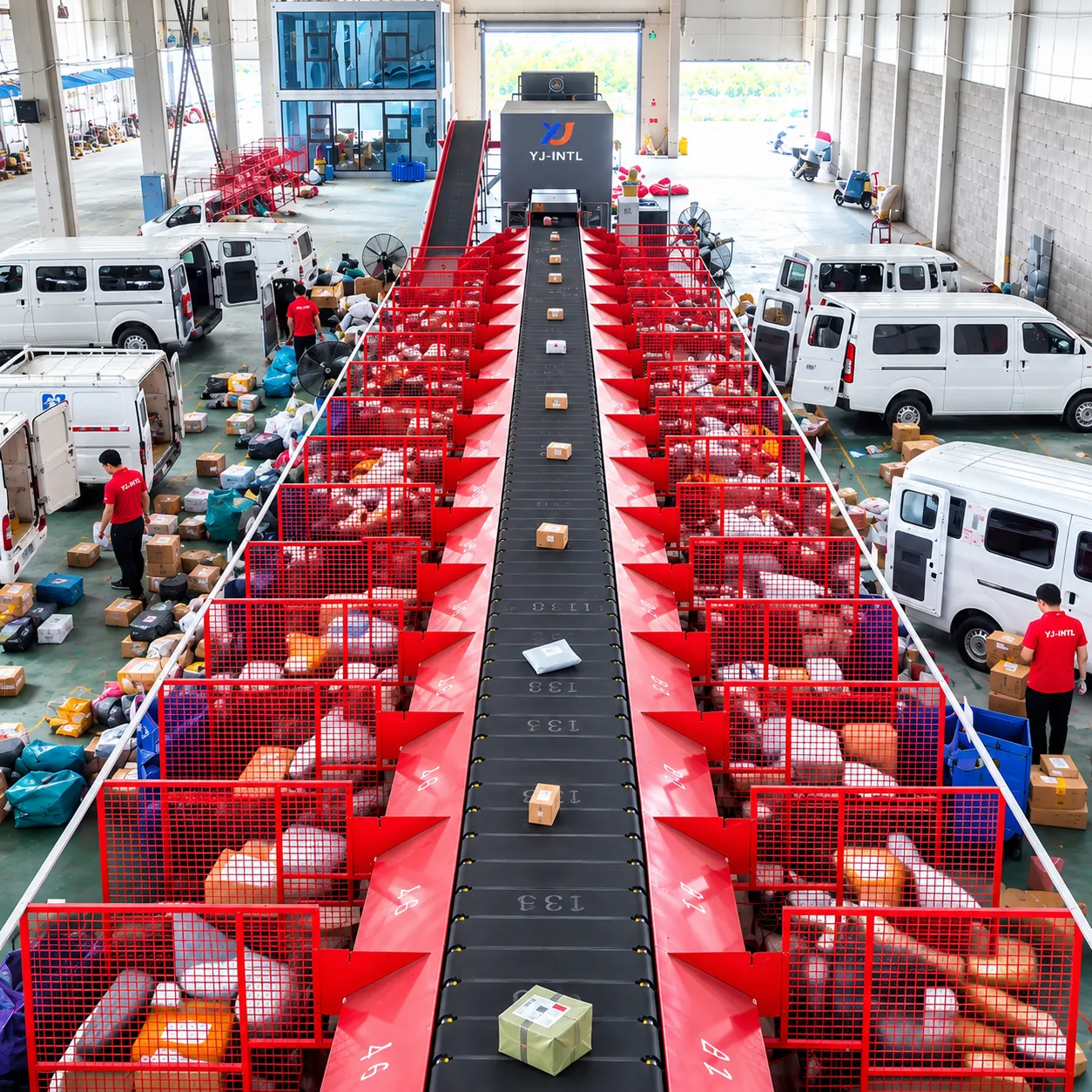
Parcel Feeding → Singulation → DWS → Scanning → Conveying → Cross-Belt Sorting → Chutes → Bagging / Dispatch
Other equipment, such as conveyors, DWS systems, singulation equipment and destination handling systems, can be integrated according to the customer's process. This system-level approach allows the automation solution to address not only sorting speed, but also parcel identification, feeding quality, space utilization, scalability and operational continuity.
YJ-INTL: From Equipment Manufacturing to Complete Automation Solutions
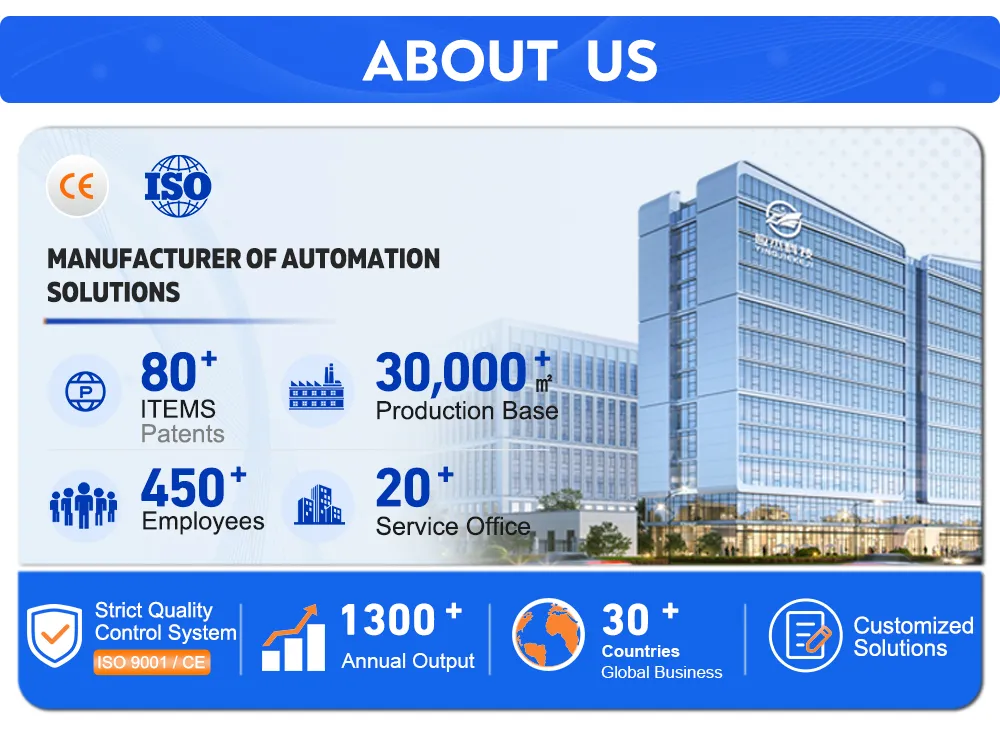
YJ-INTL (Hangzhou Yingjie International Intelligent Equipment Co., Ltd.) is a China-based manufacturer specializing in warehouse automation and parcel sortation equipment.
Its product portfolio covers multiple sorting and material handling technologies, including:
- Cross-belt sorters
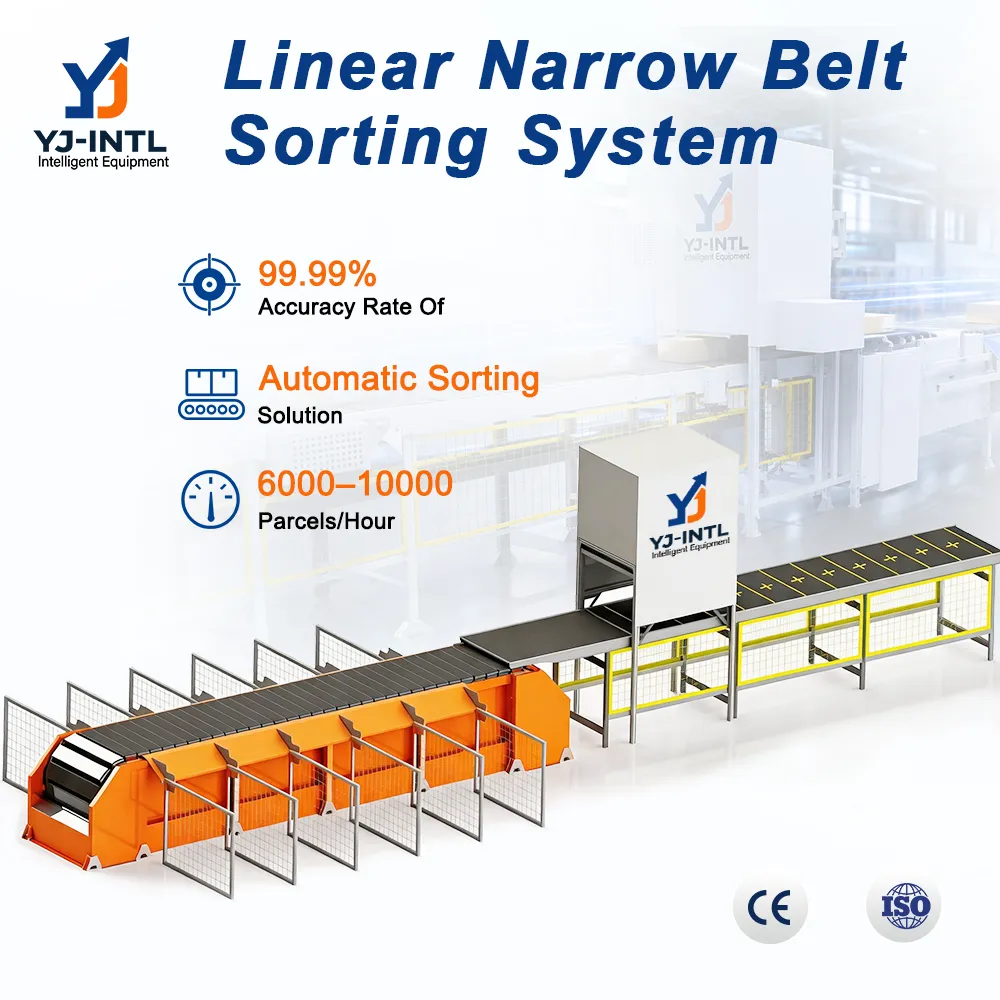
- Narrow-belt sorters
- Wheel sorters
- Z-type sorters
- DWS systems
- Parcel singulation equipment
- Put wall systems
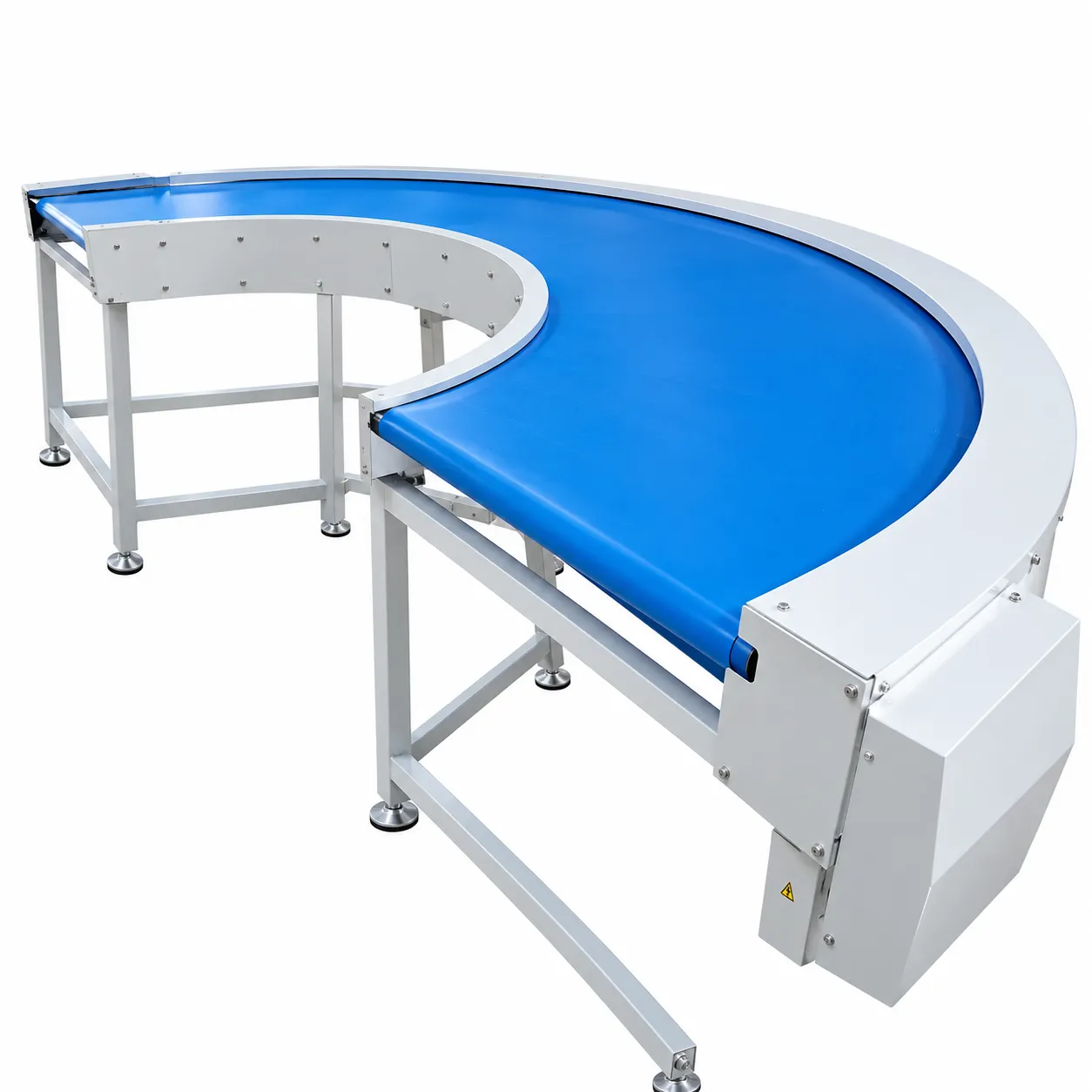
- Conveyor systems
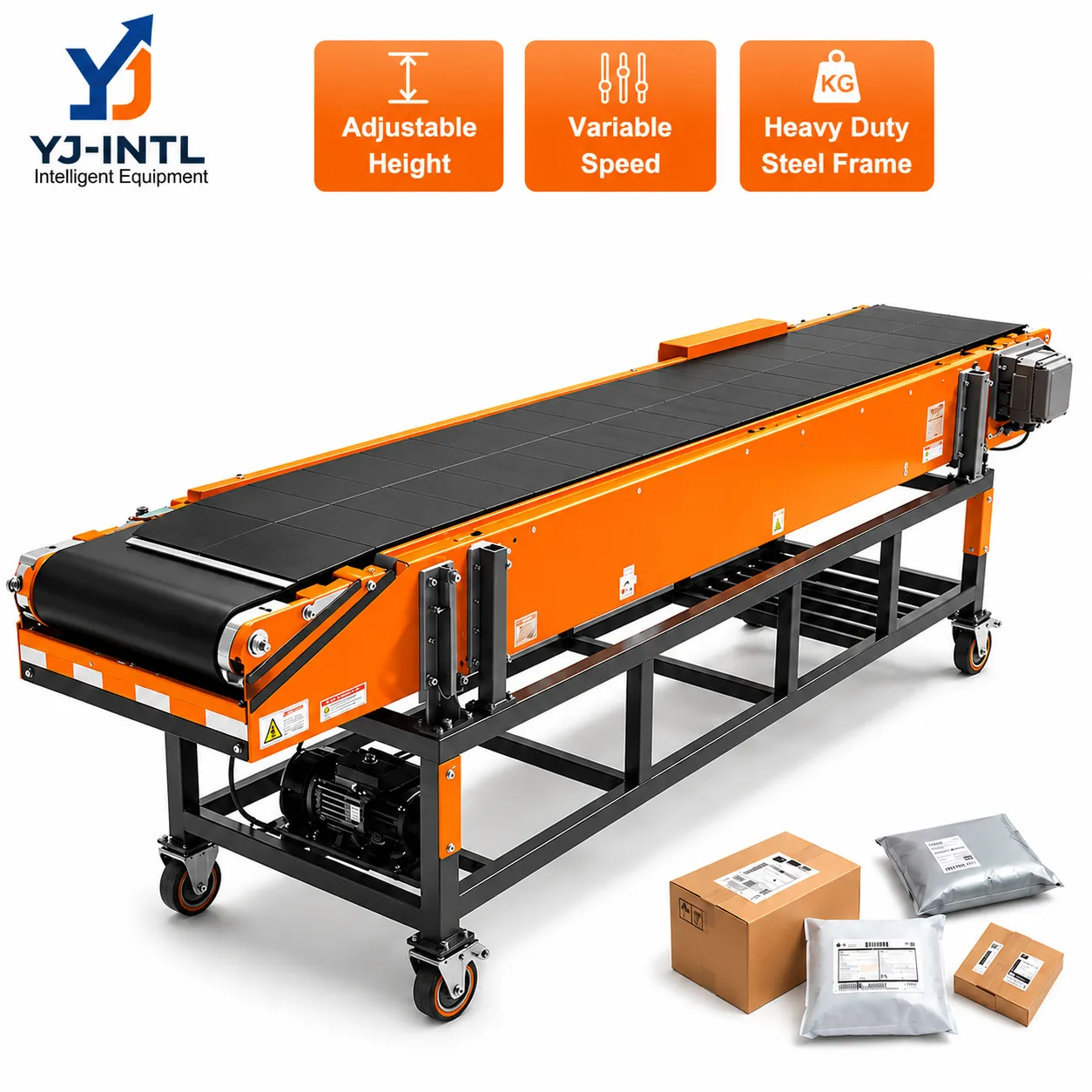
- Telescopic belt conveyors
- Bagging and labeling equipment
The company supports customers from solution design and equipment manufacturing through installation and commissioning, with solutions designed for applications including e-commerce fulfillment, express delivery, 3PL and distribution operations. For customers considering automated parcel sorting, the key question is therefore not simply “How much does a cross-belt sorter cost?”"What sorting configuration fits my parcel volume, facility, process and future growth?"
YJ-INTL's approach is to answer that question through site assessment, application analysis and system-level solution design.
About YJ-INTL
YJ-INTL (Hangzhou Yingjie International Intelligent Equipment Co., Ltd.) provides warehouse automation and parcel sortation equipment for international customers. The company's solutions cover automated sorting, parcel handling, DWS, conveying and related warehouse automation applications, supporting customers across e-commerce, express delivery, 3PL and other logistics operations.