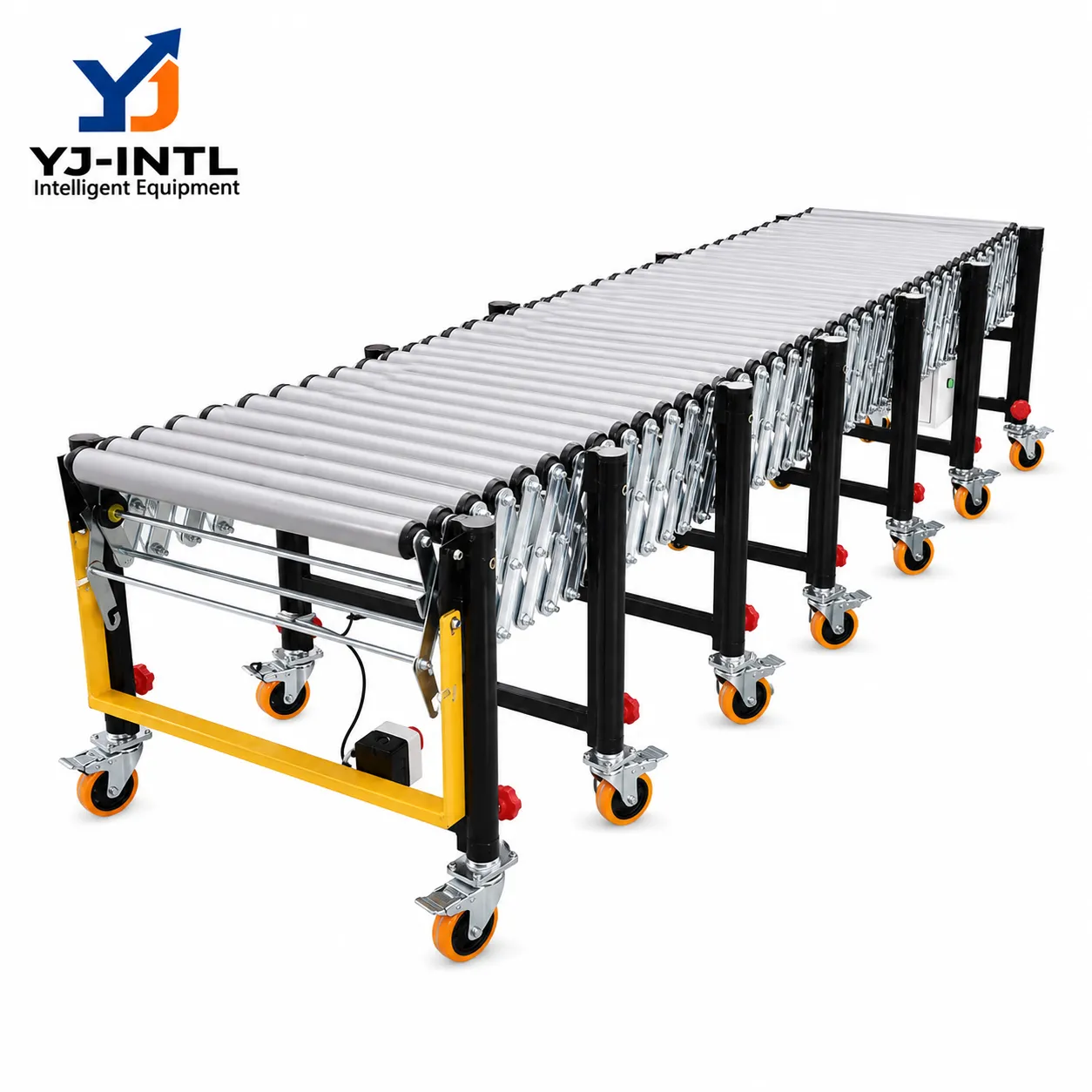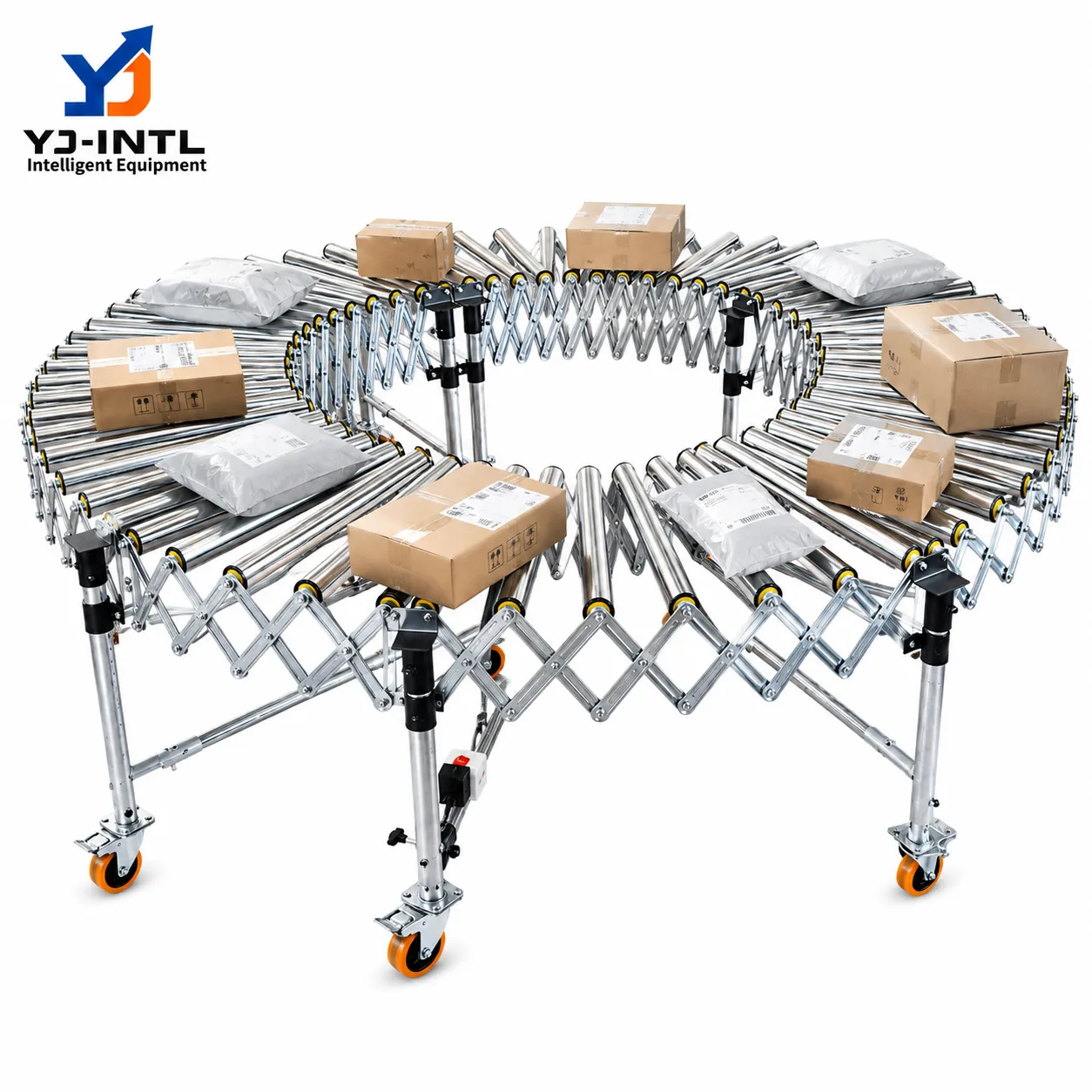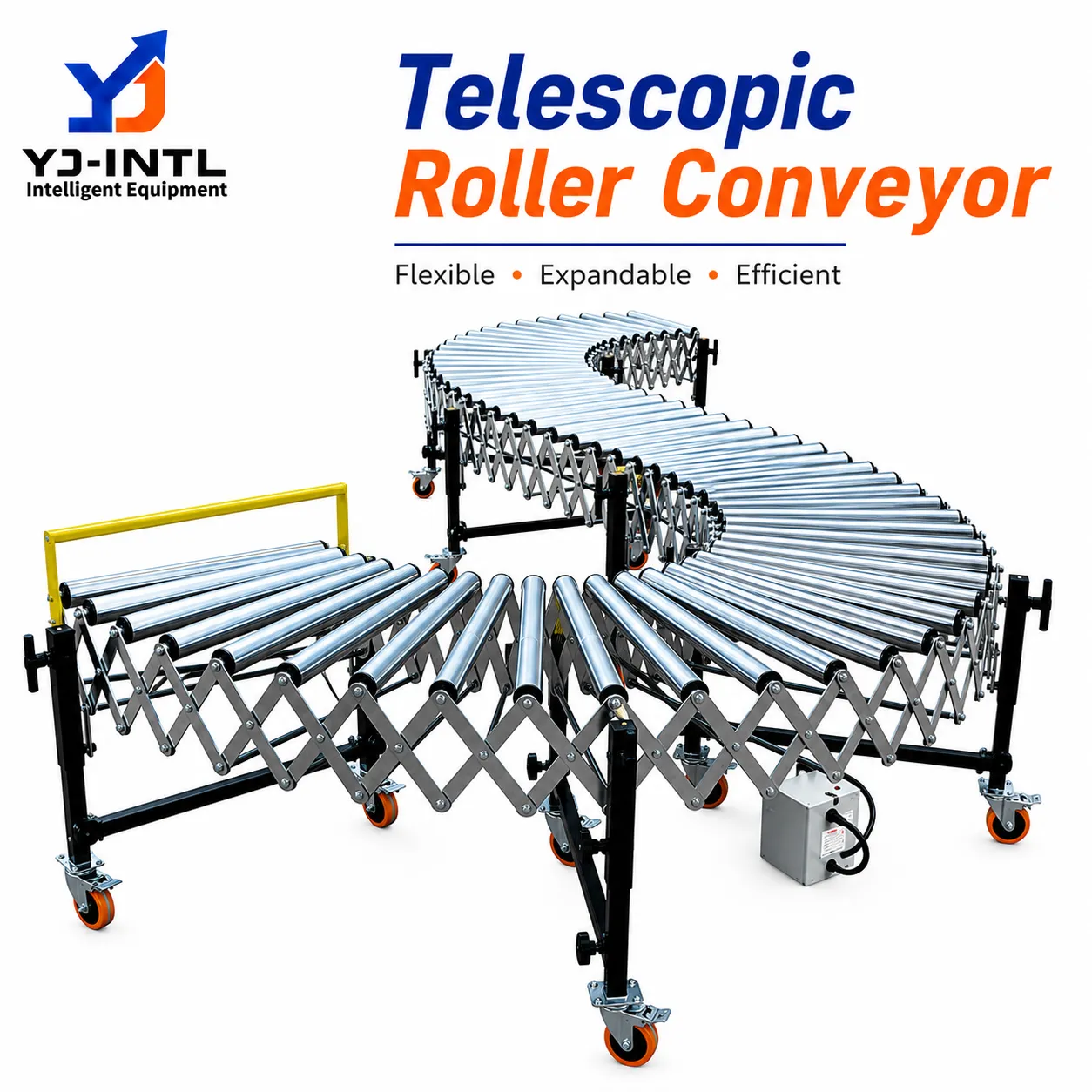
Conveyor
Parcel Singulator for Single-Piece Parcel Feeding
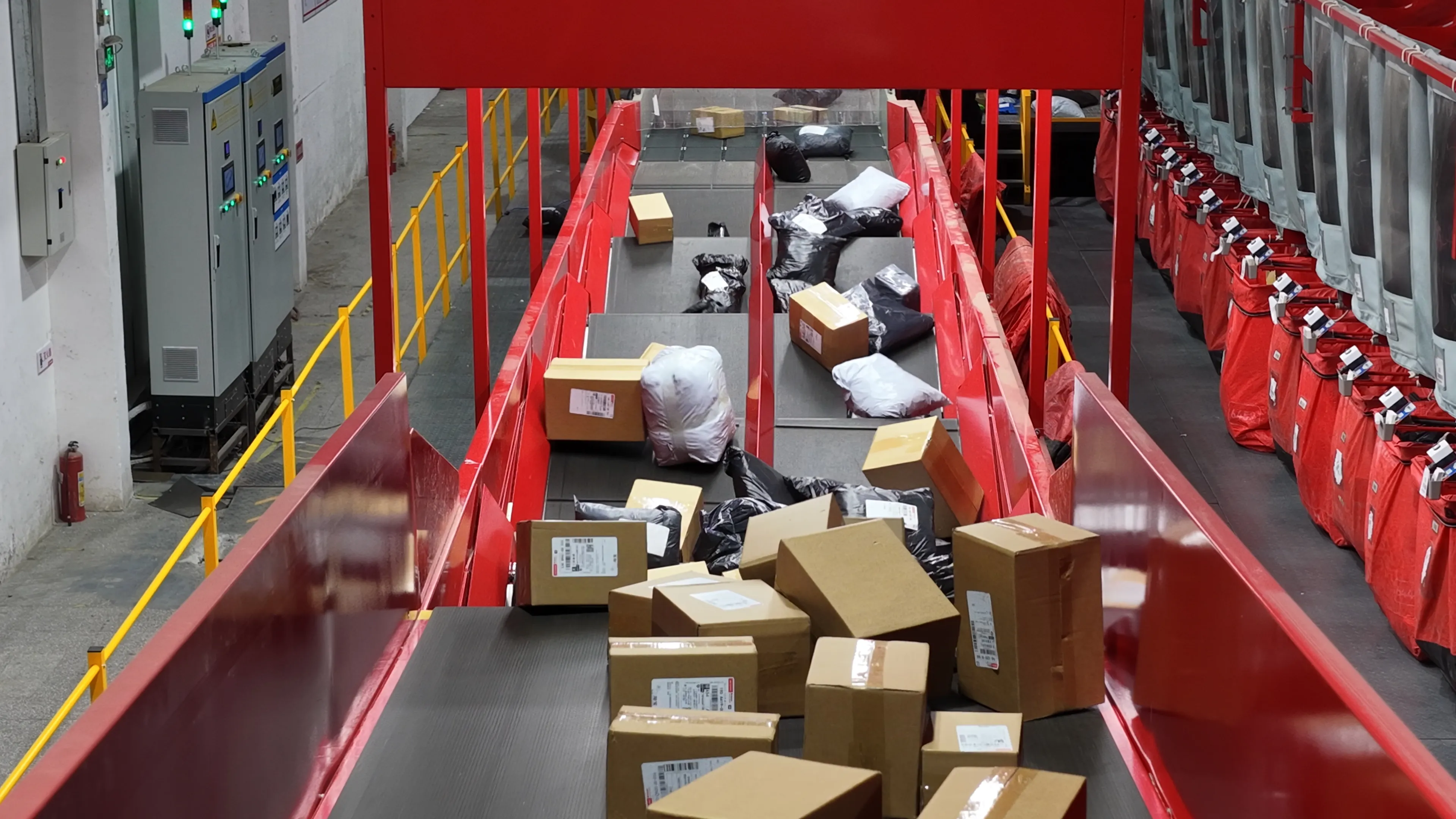
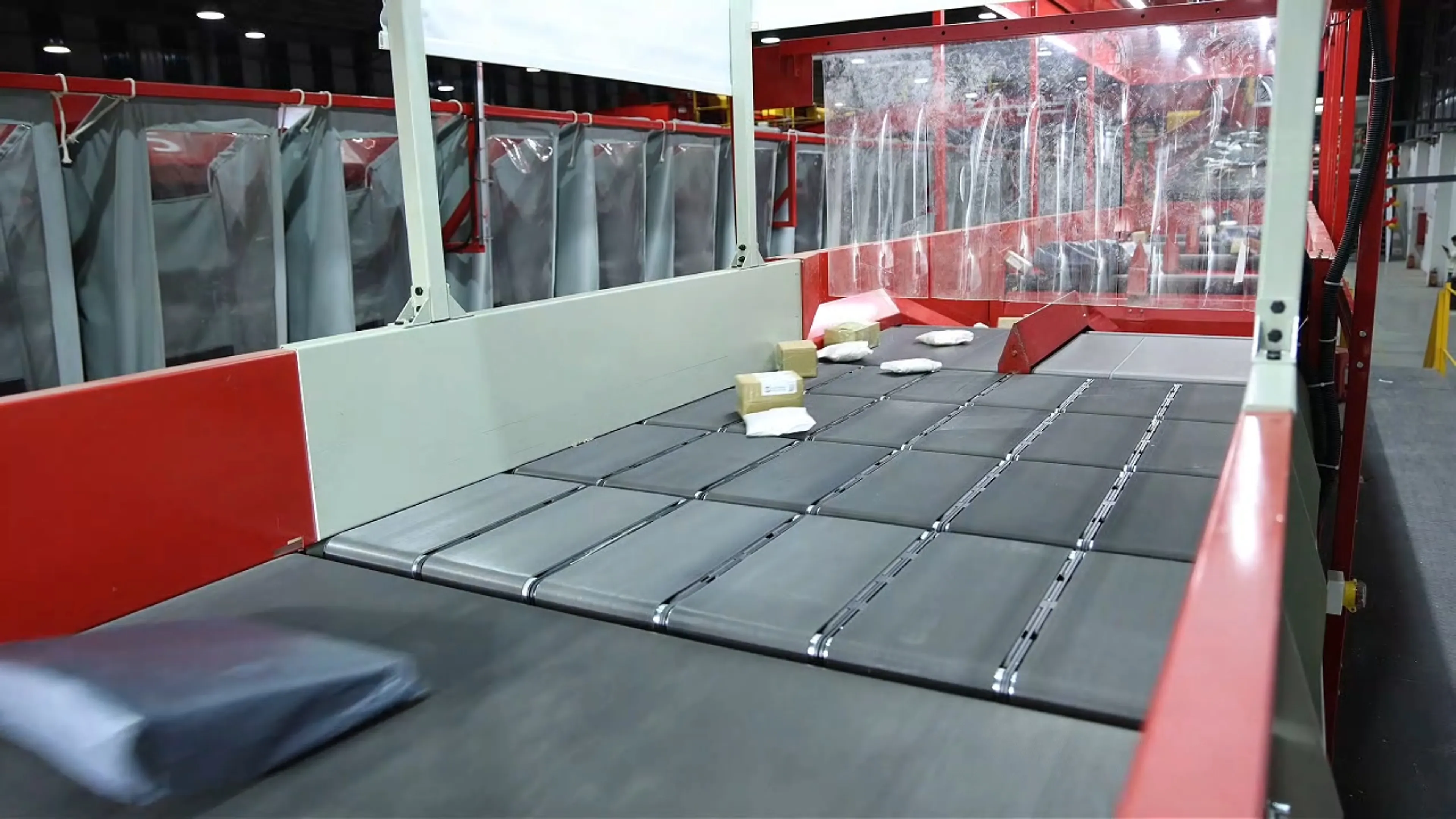
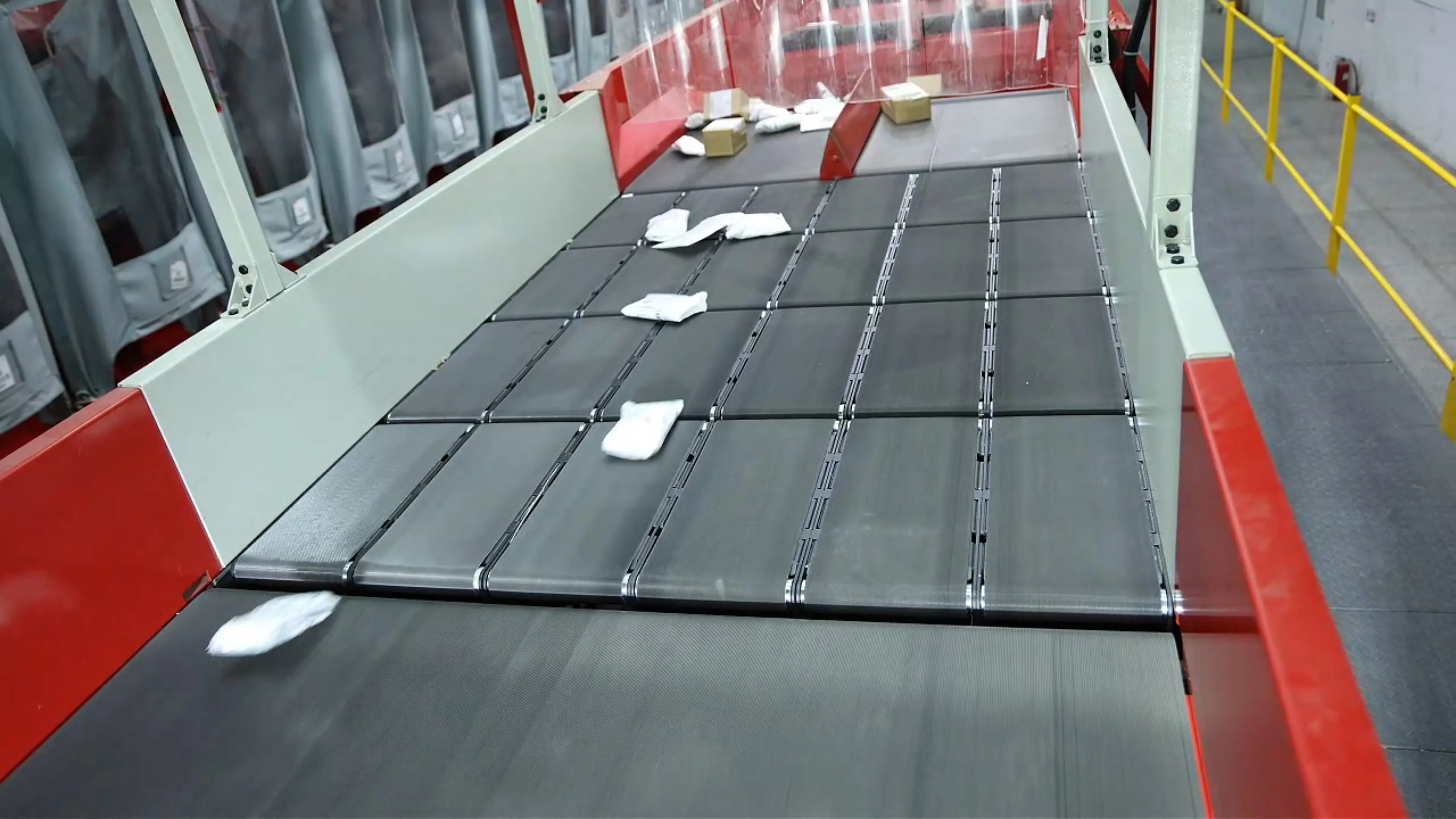
The Parcel Singulator is designed to convert a dense or irregular incoming parcel stream into a more controlled single-piece flow before scanning, DWS measurement or automated sorting.
When parcels arrive too close together, overlap partially or enter the conveyor in groups, downstream equipment may have difficulty identifying and tracking individual items. The singulator creates a more defined separation between packages so that each parcel can enter the next process independently.
The product material identifies a reference processing capacity of up to 8,000 pieces/hour and a reference single-piece separation recognition rate of up to 99.9% for the shown configuration. Actual performance depends on parcel characteristics and system design.
- Single-Piece Parcel Separation
- Dense Flow Conditioning
- Overlap Reduction
- Controlled Parcel Pitch
- Continuous Feeding
- Up to 8,000 pcs/h Reference Capacity
- Up to 99.9% Reference Separation Recognition
- Sorter-Ready Parcel Flow
Technical Specifications
| Parameter | Specification |
|---|---|
| Product Type | Parcel Singulator |
| Main Function | Single-Piece Parcel Separation |
| Input Flow | Dense / Mixed Parcel Flow |
| Separation | Overlap and Close-Spacing Reduction |
| Output Flow | Controlled Single-Piece Flow |
| Reference Throughput | Up to 8,000 pcs/h* |
| Reference Separation Recognition | Up to 99.9%* |
| Spacing Control | Configurable |
| Conveyor Structure | Modular |
| Downstream Equipment | DWS / Cross Belt / Narrow Belt / Wheel Sorter |
| Control | Automated |
| Conveyor Width | Customized |
| Parcel Range | Project Based |
Details
Product Advantages
01. Single-Piece Feeding
The system is designed to create a one-package-at-a-time flow for downstream identification and sortation.
This helps improve the operating conditions of scanners, DWS equipment and parcel sorters.
02. Reduces Parcel Overlap
The separation mechanism addresses packages that enter the line partially overlapping or too close together.
The purpose is to establish a clearer physical gap between adjacent parcels.
03. Controlled Parcel Pitch
Single-piece separation is only effective when the output spacing is also controlled.
The system therefore prepares parcels with a more consistent pitch before they reach the next processing stage.
04. Continuous Operation
The singulator works as part of a continuous conveyor line rather than requiring an operator to manually separate every package.
This is especially valuable for high-volume logistics operations.
05. Upstream Protection for Sorters
The singulator can help prevent poorly separated parcels from directly entering:
- DWS
- Barcode scanners
- Cross belt sorters
- Linear narrow belt sorters
- Wheel sorters
This makes it a process-conditioning unit, not merely a conveyor.
06. Modular Integration
The singulation section can be designed around the customer's:
- Infeed conveyor
- Parcel flow
- Required spacing
- Downstream equipment
- Available space
 |  |
|---|
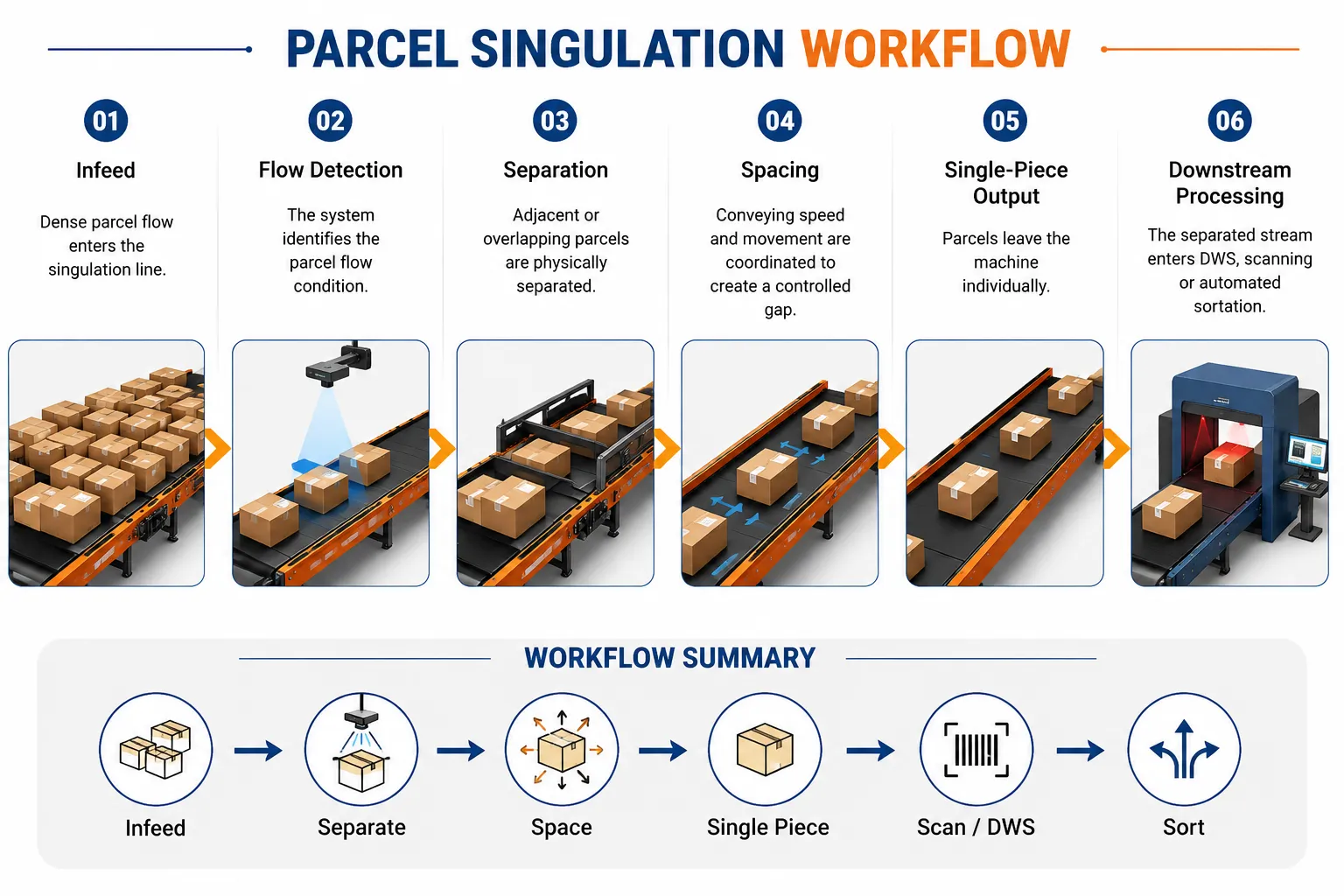
Parcel Singulation Workflow
Step 01 — Infeed
Dense parcel flow enters the singulation line.
Step 02 — Flow Detection
The system identifies the parcel flow condition.
Step 03 — Separation
Adjacent or overlapping parcels are physically separated.
Step 04 — Spacing
Conveying speed and movement are coordinated to create a controlled gap.
Step 05 — Single-Piece Output
Parcels leave the machine individually.
Step 06 — Downstream Processing
The separated stream enters DWS, scanning or automated sortation.
Workflow Summary
Infeed → Separate → Space → Single Piece → Scan / DWS → Sort
When Do You Need a Parcel Singulator?
A singulator is worth considering when your current process has:
- Frequent parcel overlap
- Multiple parcels arriving together
- Barcode recognition problems
- DWS measurement failures caused by adjacent packages
- Sorter induction collisions
- Heavy dependence on manual separation
FAQ
A parcel singulator is an automated conveyor system designed to separate dense, closely spaced or overlapping packages into a more controlled single-piece flow.
Its purpose is to ensure that downstream identification, weighing, dimensioning and sorting equipment can process one parcel at a time rather than receiving multiple packages as one combined flow.
A singulator can address parcels arriving too closely together, partially overlapping, grouped together or entering the conveyor with insufficient separation.
Yes. The system is specifically intended to reduce parcel overlap and create a more individually separated output flow.
Adequate spacing gives scanners, DWS equipment and sorters a clearer operating window and helps reduce parcel tracking and processing conflicts.
The product material shows a reference capacity of up to 8,000 pieces per hour. Actual throughput depends on parcel size, weight, shape, input density and required spacing.
Yes. The singulator can be installed upstream of a cross belt sorter to provide a more controlled induction flow.
Yes. It can be used before a DWS system so that individual parcels enter the weighing, dimensioning and scanning area separately.
The applicable parcel range depends on the selected configuration and actual product characteristics. Sample testing is recommended for irregular or unstable packages.
Selection requires parcel dimensions, weight, shape, incoming flow rate, overlap condition, required output spacing, downstream equipment and available installation space.