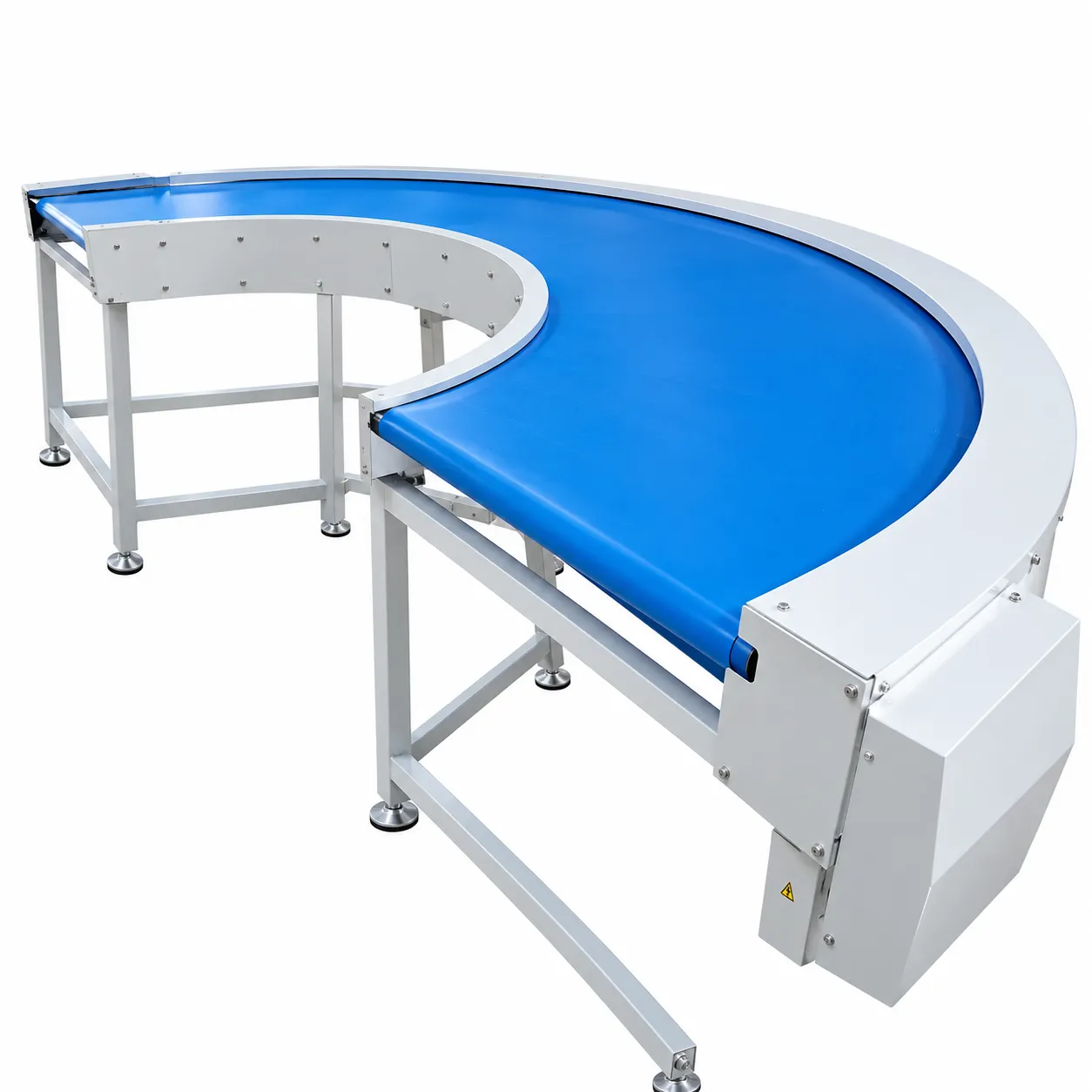
Chain Turning Conveyor / Chain-Driven Curved Belt Conveyor
Chain Turning Machine
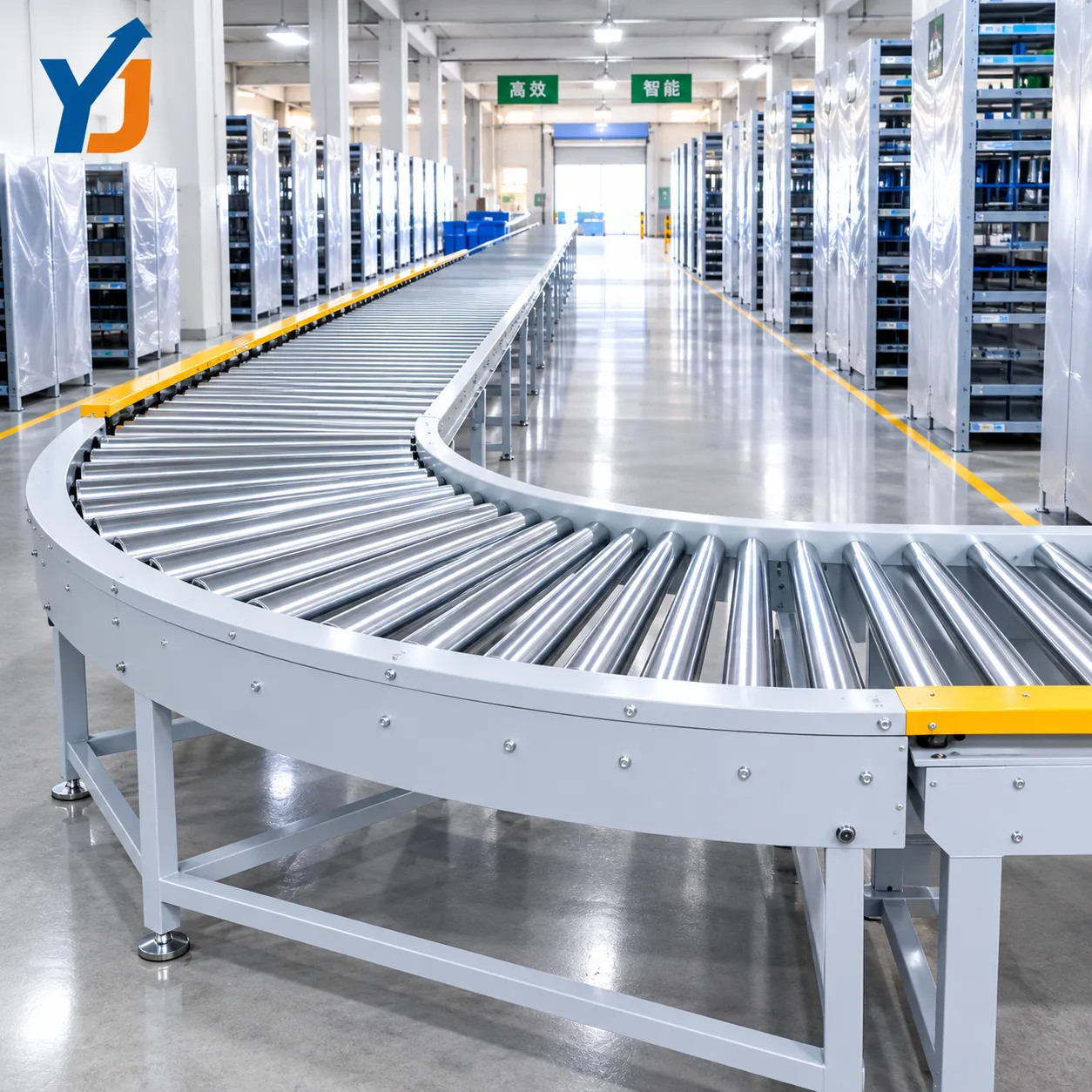
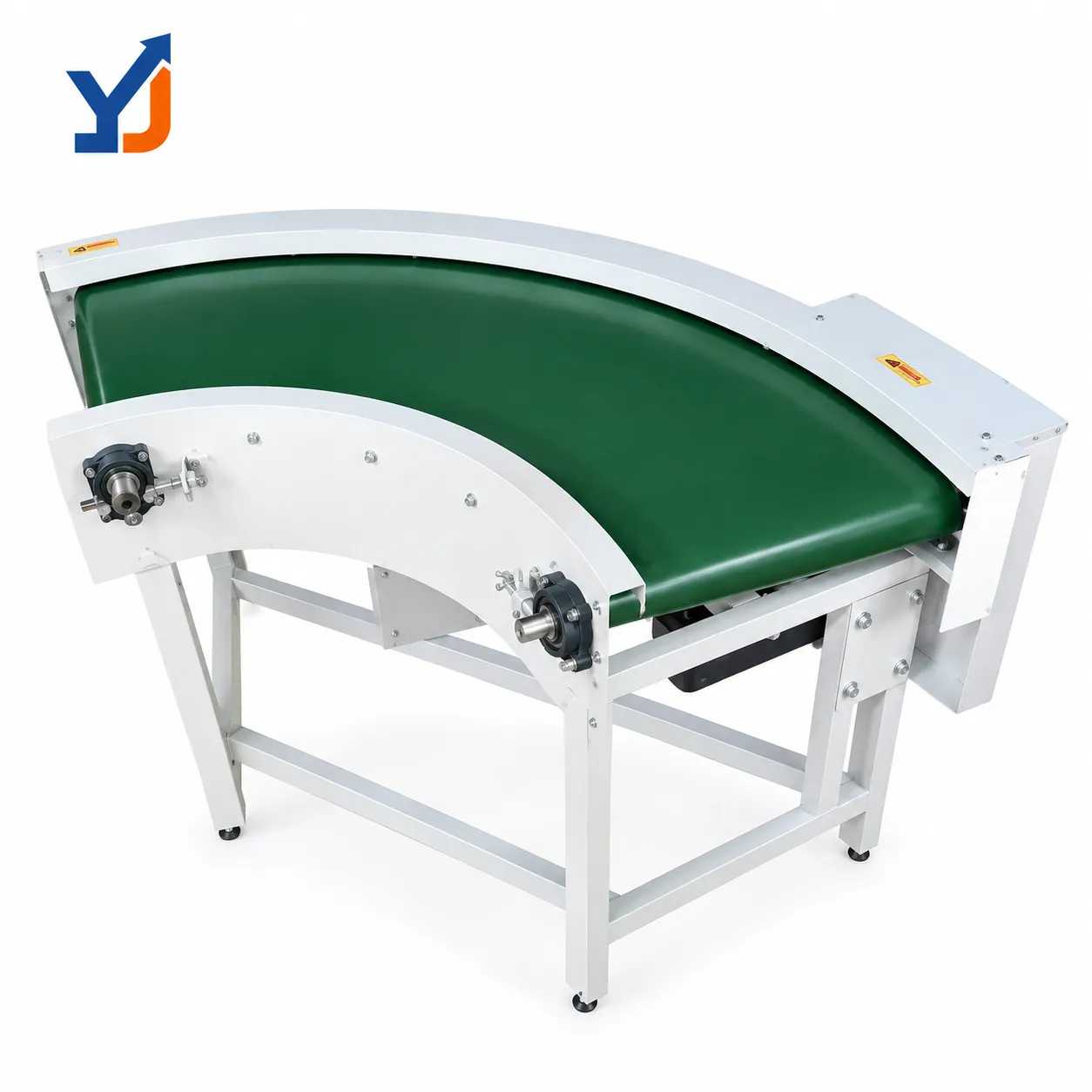
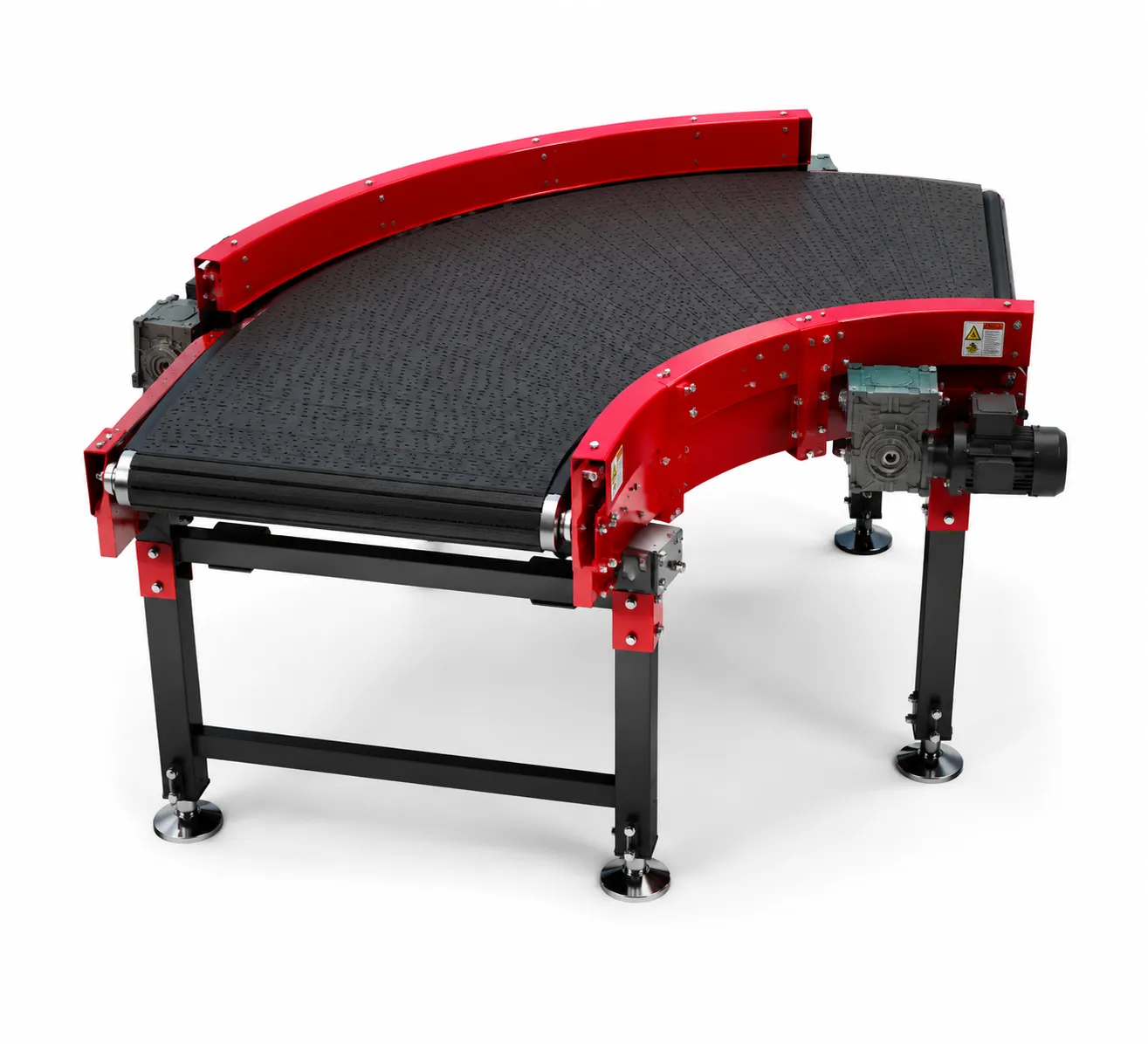
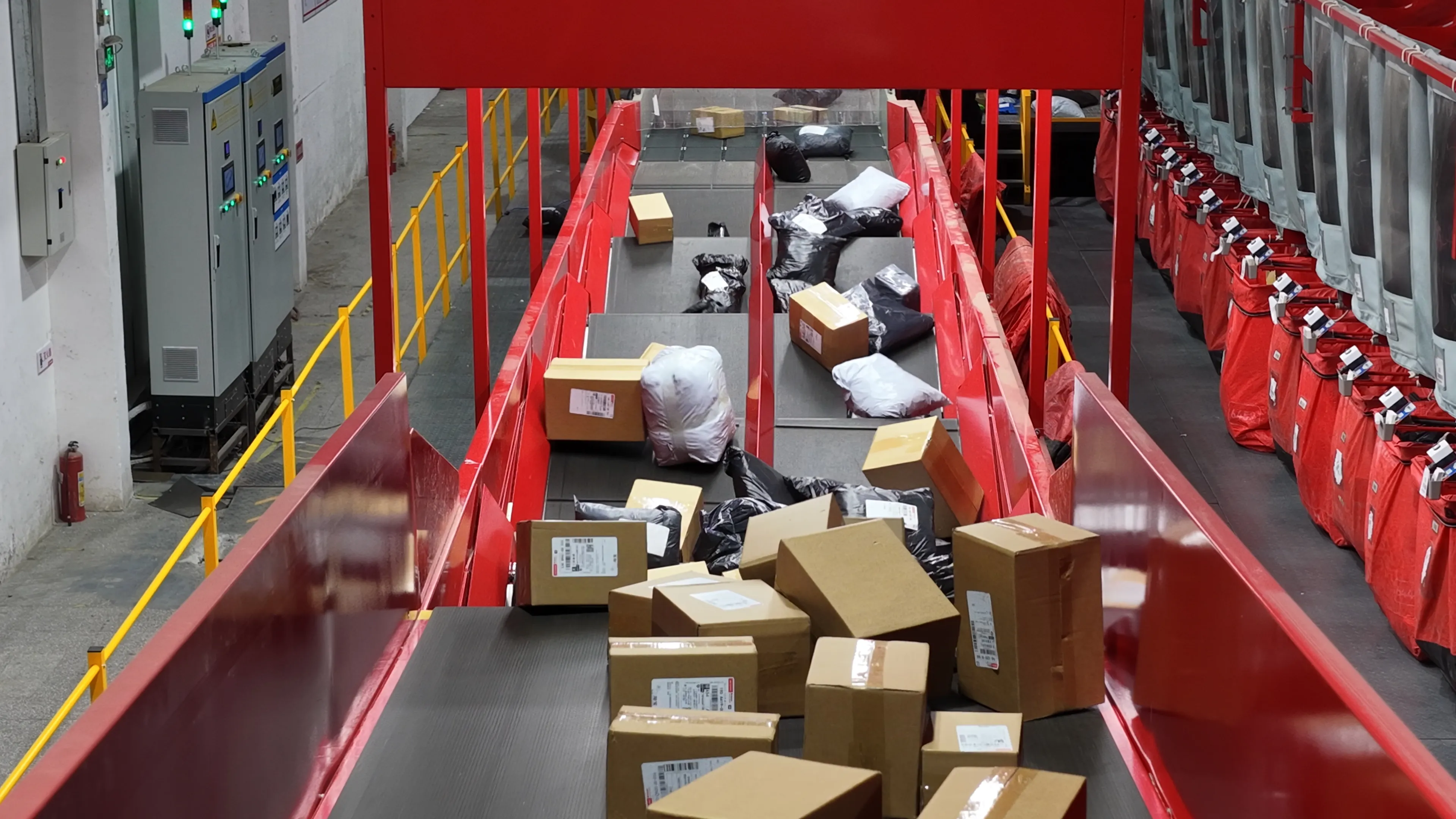
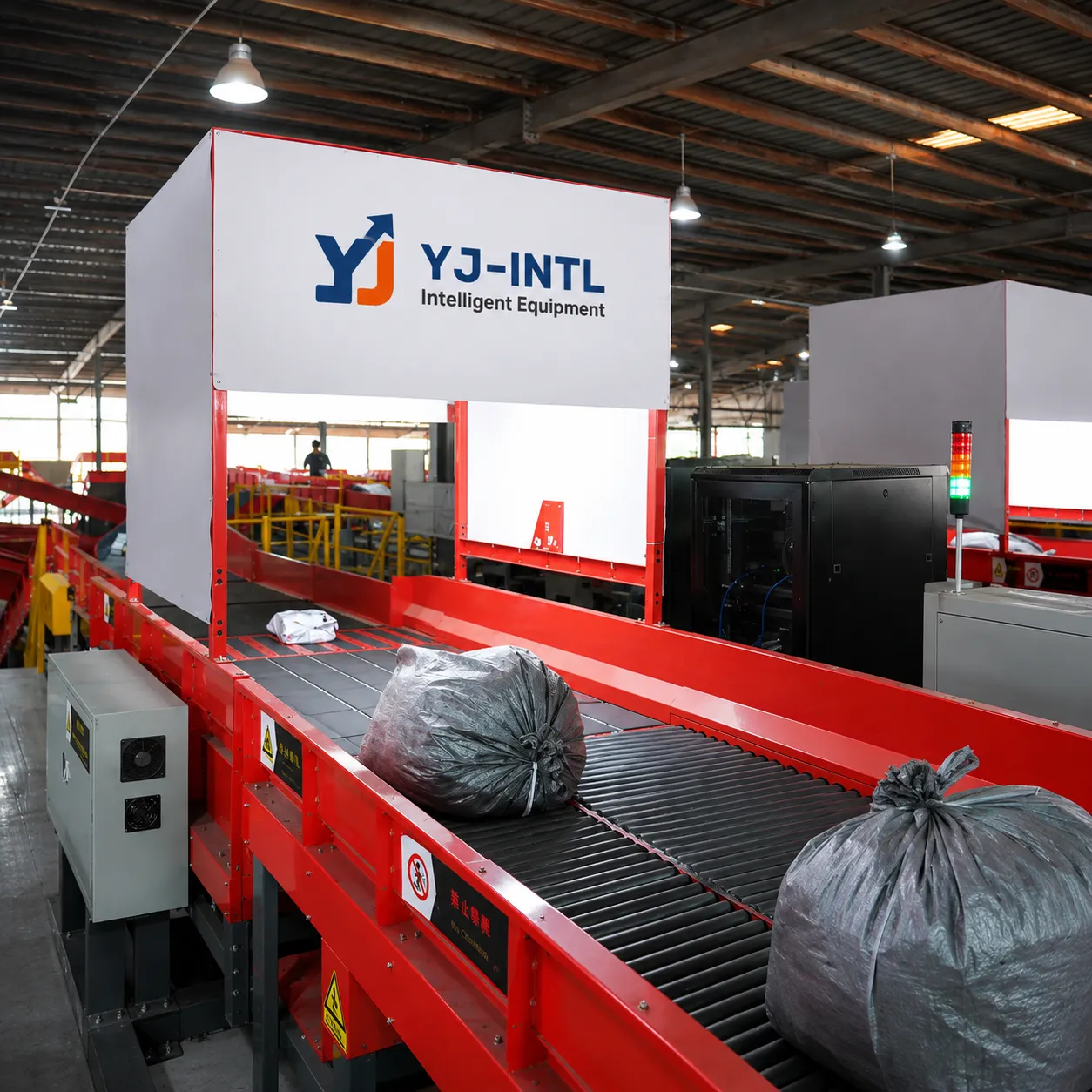
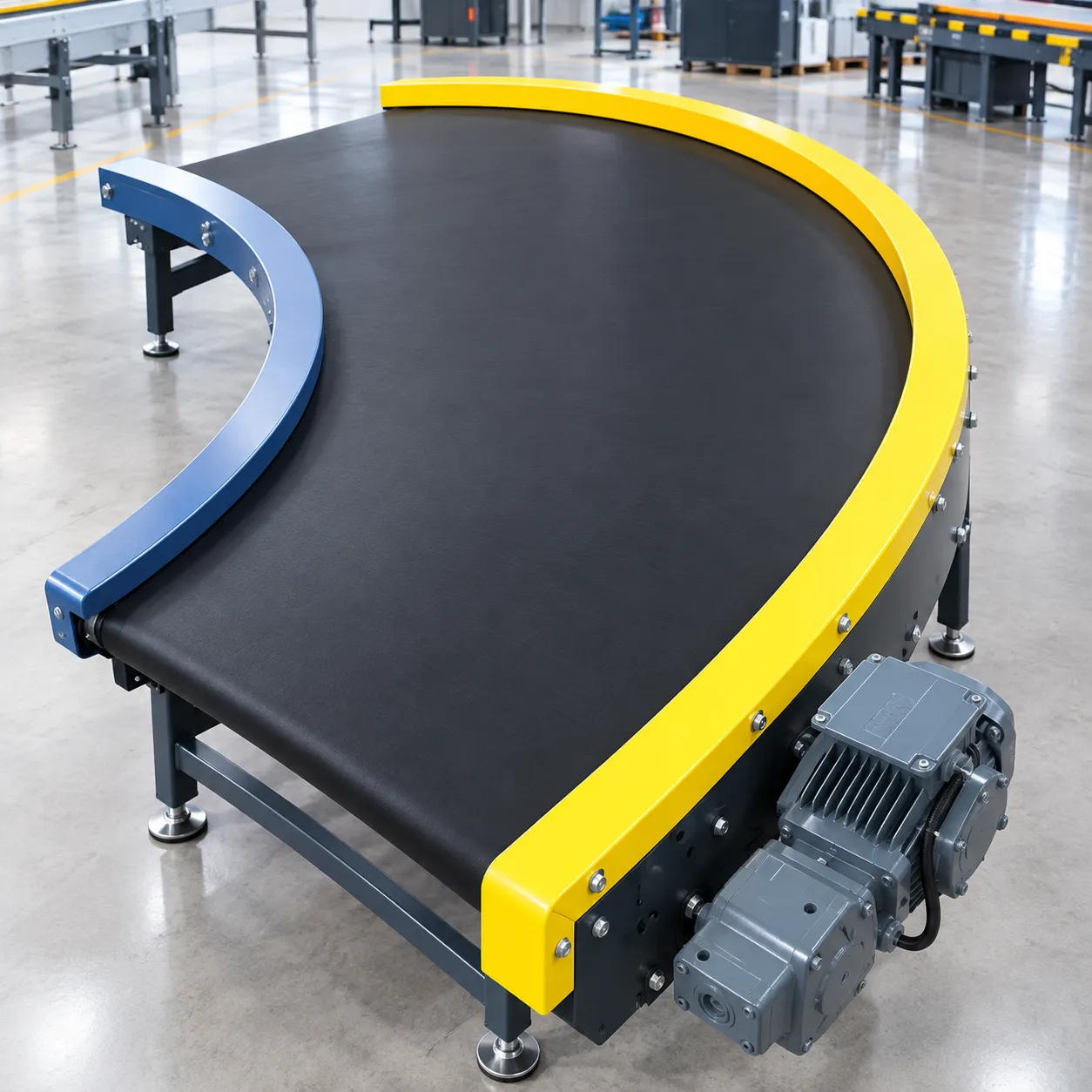
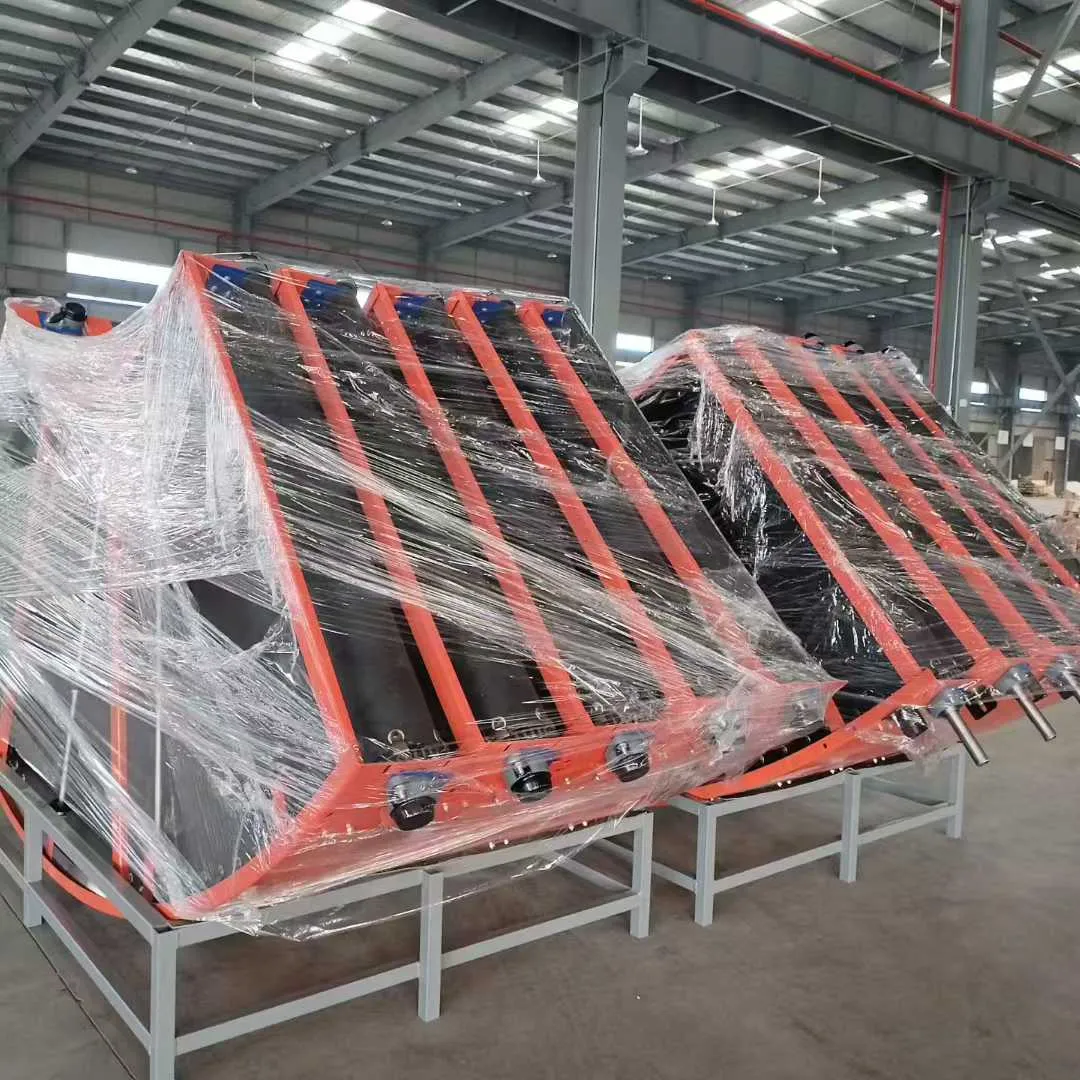
The chain turner is our company's most distinctive product line within the turner series. The edge of the cured conveyor belt on this machine is perforated and fitted with metal clamps that connect directy to the drive chain. The inner side of the outer arc of the machine's frame features a speclalized track mechanism, allowing the chain to operate at high speeds along the track, thereby driving the rotation of the conveyor belt. This design effectively meets both low-noise and high-speed, heaw-load requirements, making it widely applicable in the logistics sector.
- Positive Chain-Driven Belt
- Up to 120 m/min Conveying Speed
- 300–2000 mm Custom Belt Width
- Up to 60 kg Load Capacity
- 30°–180° Turning Angles
- Two-Way Conveying
- 400–2000 mm Custom Inner Radius
Technical Specifications
| Specification | Details | Specification | Details |
|---|---|---|---|
| Belt Material Options | PVC / PU / PVK | Common Belt Widths | 300 / 400 / 500 / 600 / 800 / 900 / 1000 / 1200 mm |
| Customized Belt Width | W300–2000 mm | Rack External Width | 90 mm |
| Minimum Installation Height | 300 mm | Rack Internal Width | 3 mm |
| Common Inner Radius | 400 / 500 / 600 / 800 / 900 / 1000 mm | Customized Inner Radius | R400–2000 mm |
| Turning Angle | 30° / 45° / 60° / 90° / 180° | Customized Turning Angle | 30°–180° |
| Conveying Speed | ≤120 m/min | Maximum Load Capacity | ≤60 kg, customizable |
| Conveying Direction | Two-way | Noise | 70–80 dB |
| Working Temperature | -5°C to 40°C | Operating Condition | No condensation |
| Drive Structure | Chain-driven belt system | Belt Connection | Perforated belt edge with metal clips |
| Guide Mechanism | Dedicated chain guide track | Application | Logistics and material handling |
Details
Product Overview
The Chain-Driven Curved Belt Conveyor is designed for continuous directional conveying where products need to change travel direction without interrupting material flow.
Unlike a conventional belt curve that relies primarily on friction between the belt and drive components, this design uses a positive chain-drive structure. The outer edge of the curved conveyor belt is perforated and fitted with metal clips that connect directly to the drive chain. A dedicated track along the inner side of the frame guides the chain as it travels through the curve.
This structure allows the drive system to directly control belt movement through the turning section, making the conveyor suitable for logistics, material handling and other applications requiring relatively high conveying speed and load capacity.
Product Structure
1. Curved Conveyor Belt
Provides the conveying surface for products.
2. Belt-Edge Connection
The belt edge is perforated and fitted with metal clips.
3. Drive Chain
The chain connects directly with the belt-edge clips and transfers mechanical movement to the belt.
4. Guide Track
The dedicated track controls the chain path around the curved frame.
Together, these components create the positive chain-driven turning mechanism.
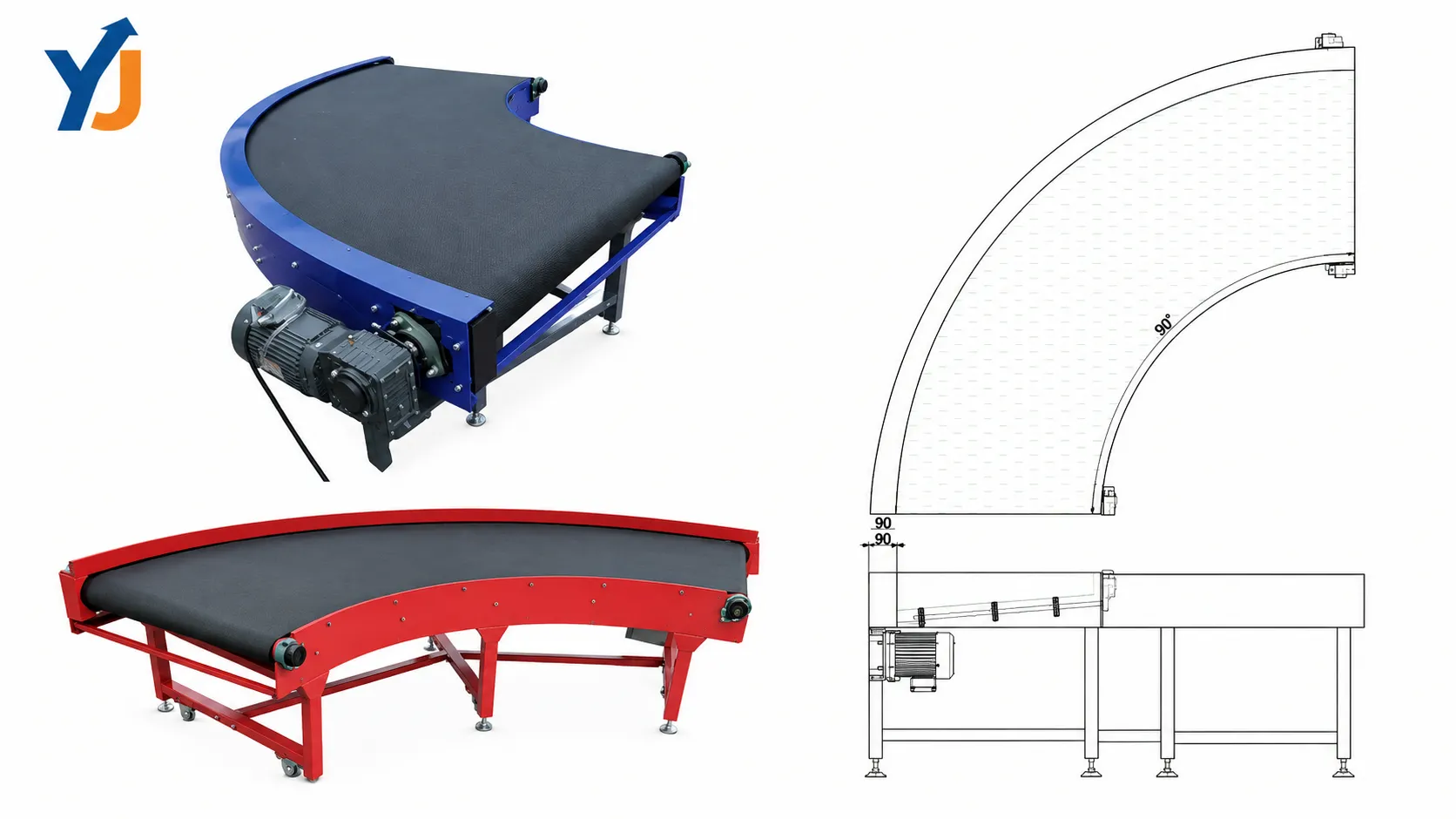
Why Use Chain Drive for a Curved Conveyor?
The key reason for using chain drive is to create a direct mechanical connection between the drive chain and the curved belt. For applications requiring relatively high conveying speeds or heavier unit loads, this architecture provides a different engineering approach from friction-driven curved belts.
The technical specification of this model combines:
≤120 m/min speed + ≤60 kg load + 300–2000 mm belt width + 30°–180° turning
This combination makes it appropriate for larger-scale logistics and material-handling conveyor layouts. Industry chain-driven curve conveyors similarly use positive mechanical drive concepts for curved conveying, with manufacturers highlighting controlled belt movement and suitability for continuous operation
 |  |  |
|---|
Typical Applications
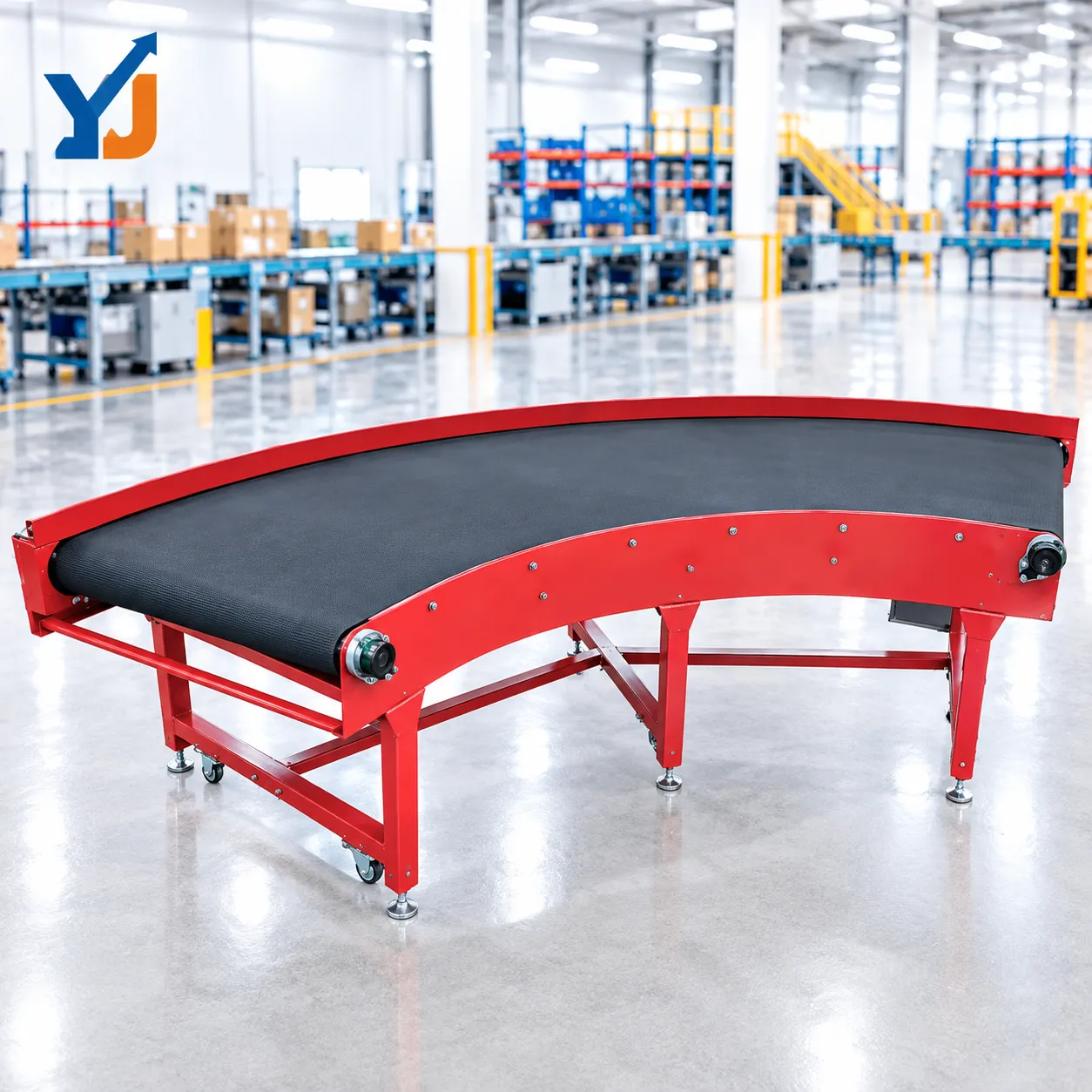
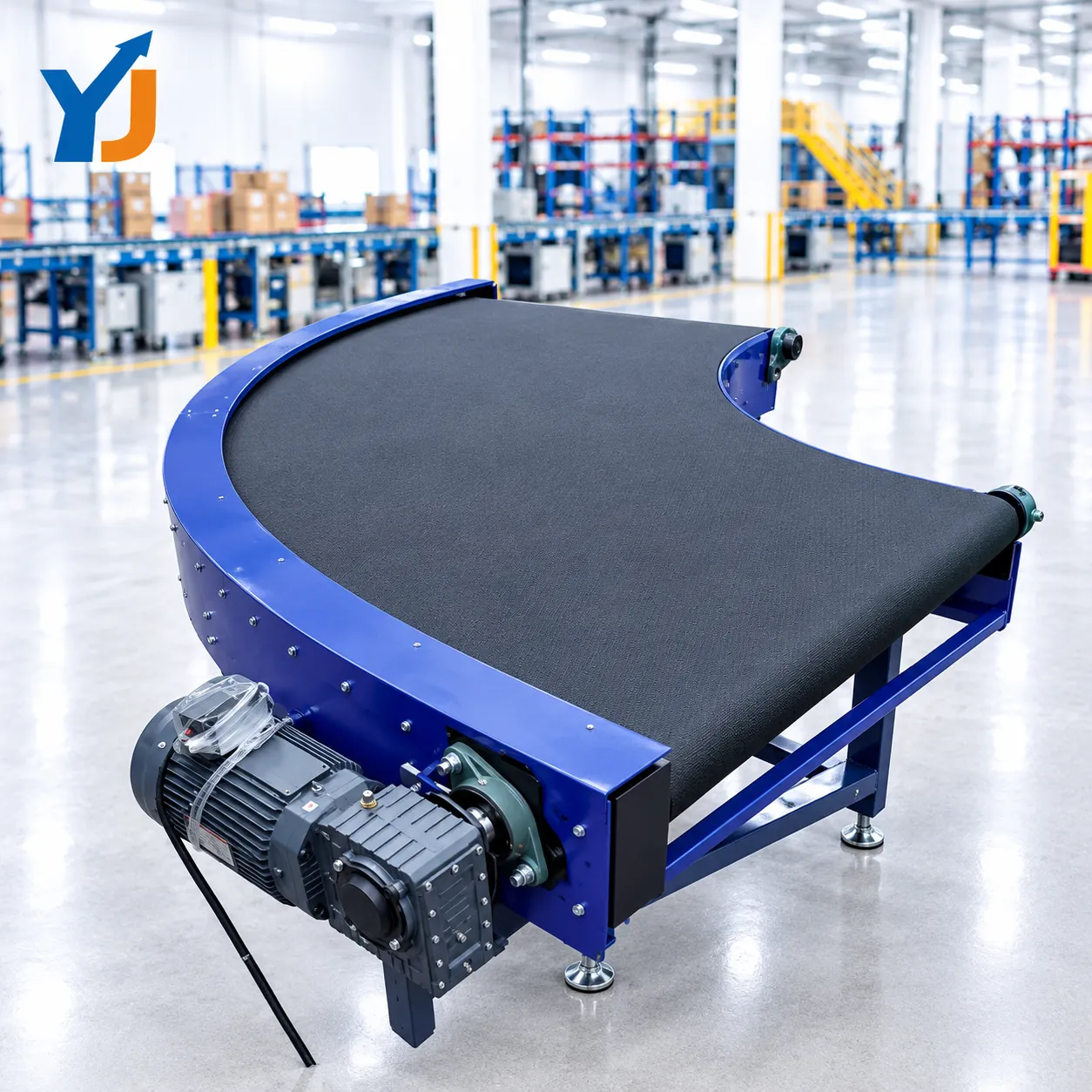
- Logistics Conveyor Systems
- Warehouse Material Handling
- Manufacturing Lines
 |  |
|---|---|
 |  |
FAQ
A chain turning conveyor is a curved belt conveyor that uses a chain-driven transmission mechanism to move the belt through the turning section. The belt edge is connected to the drive chain through metal clips, allowing the chain to directly drive the curved belt.
The conveyor uses a dedicated chain guide track along the curved frame. The belt edge is perforated and fitted with metal clips that connect directly to the chain. When the drive system moves the chain, the connected belt follows the curved track.
The outer edge of the curved belt is perforated and fitted with metal clips. These clips connect the belt directly to the drive chain, creating the positive mechanical connection used to drive the belt through the curve.
The specified maximum conveying speed is up to 120 m/min. The actual operating speed should be selected according to product dimensions, weight, belt width, turning radius and the requirements of the complete conveyor system.
The technical specification lists a maximum load capacity of up to 60 kg, with customization available. Final capacity should be evaluated according to the actual product and conveyor configuration.
Standard turning angles listed in the technical specification are 30°, 45°, 60°, 90° and 180°. The turning angle can be customized within a 30°–180° range according to the project layout.
Yes. A 180° configuration is included in the listed turning-angle options. The final radius, belt width and load conditions should be confirmed during engineering design.
Common belt widths include 300, 400, 500, 600, 800, 900, 1000 and 1200 mm. The technical specification indicates customized widths from 300 to 2000 mm.
Common inner-radius options include 400, 500, 600, 800, 900 and 1000 mm, with customization available from R400 to R2000 mm.
Yes. The supplied technical specification identifies the conveying direction as two-way. The final drive and control configuration should be confirmed according to the required reversing operation.
The available belt materials listed in the technical specification are PVC, PU and PVK.
The product is primarily positioned for logistics and material-handling applications, and its configuration can also be considered for manufacturing, packaging and other conveyor systems requiring curved directional transfer.