Challenges Facing Pharmaceutical Logistics
Pharmaceutical logistics must coordinate product characteristics, order priorities, multiple distribution channels and strict handling requirements. Industry challenges include GSP/GMP requirements, low efficiency in single-stage supply-chain optimization, weak internal process integration, B2B/B2C coexistence, classified storage and expiry-date management.
For order fulfillment operations, common challenges include:
- Large numbers of small or multi-line pharmaceutical orders
- Many SKUs and frequent order fragmentation
- B2B pharmacy replenishment and B2C e-commerce orders sharing infrastructure
- High walking distance between picking, consolidation and packing
- Manual order consolidation errors
- Difficulty scaling labor during demand peaks
- Need for clear order and item identification
- Limited space for high-density order sorting
- Need to connect warehouse execution with WMS/WCS and upstream picking systems
Why Put Wall Is Effective for Pharmaceutical Order Consolidation
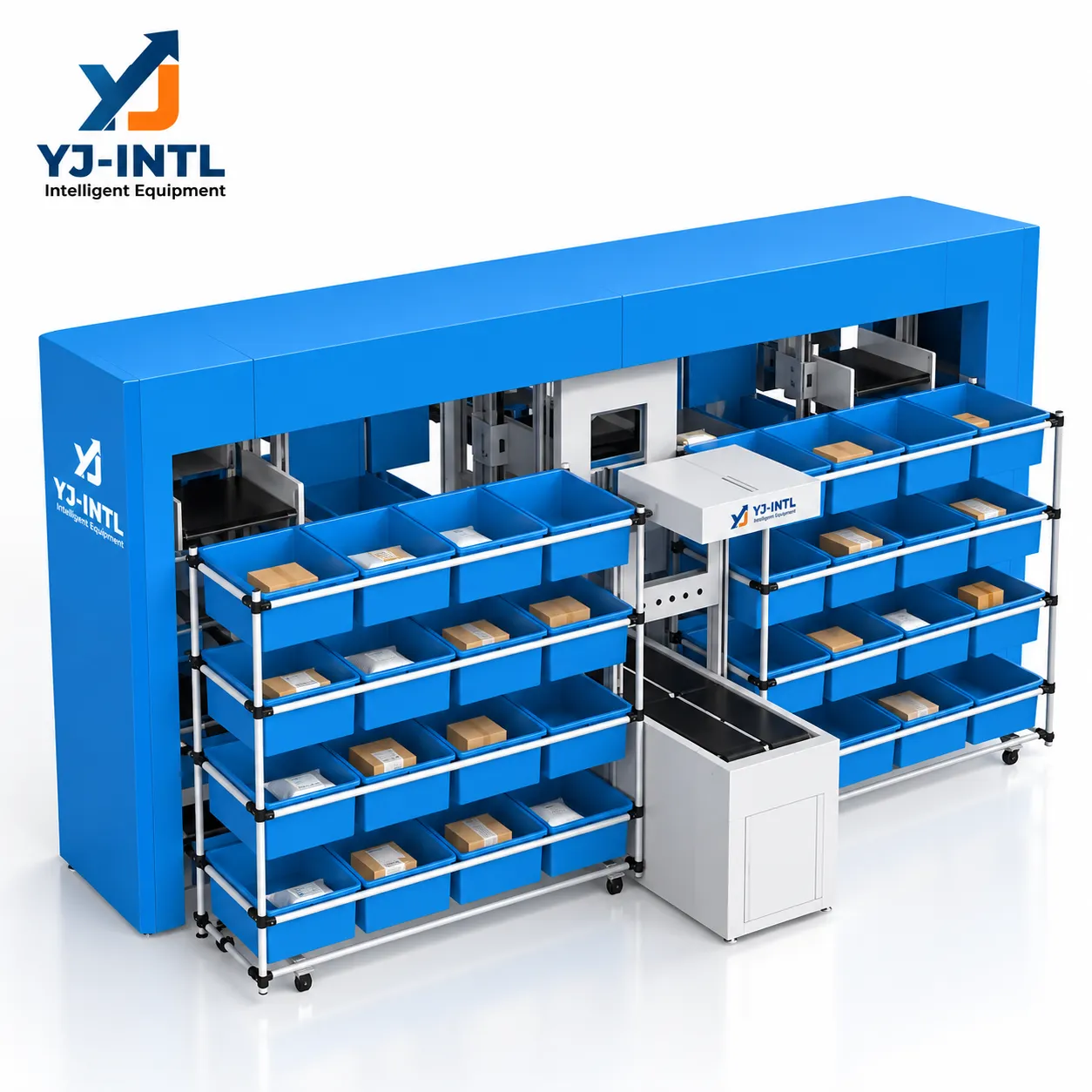
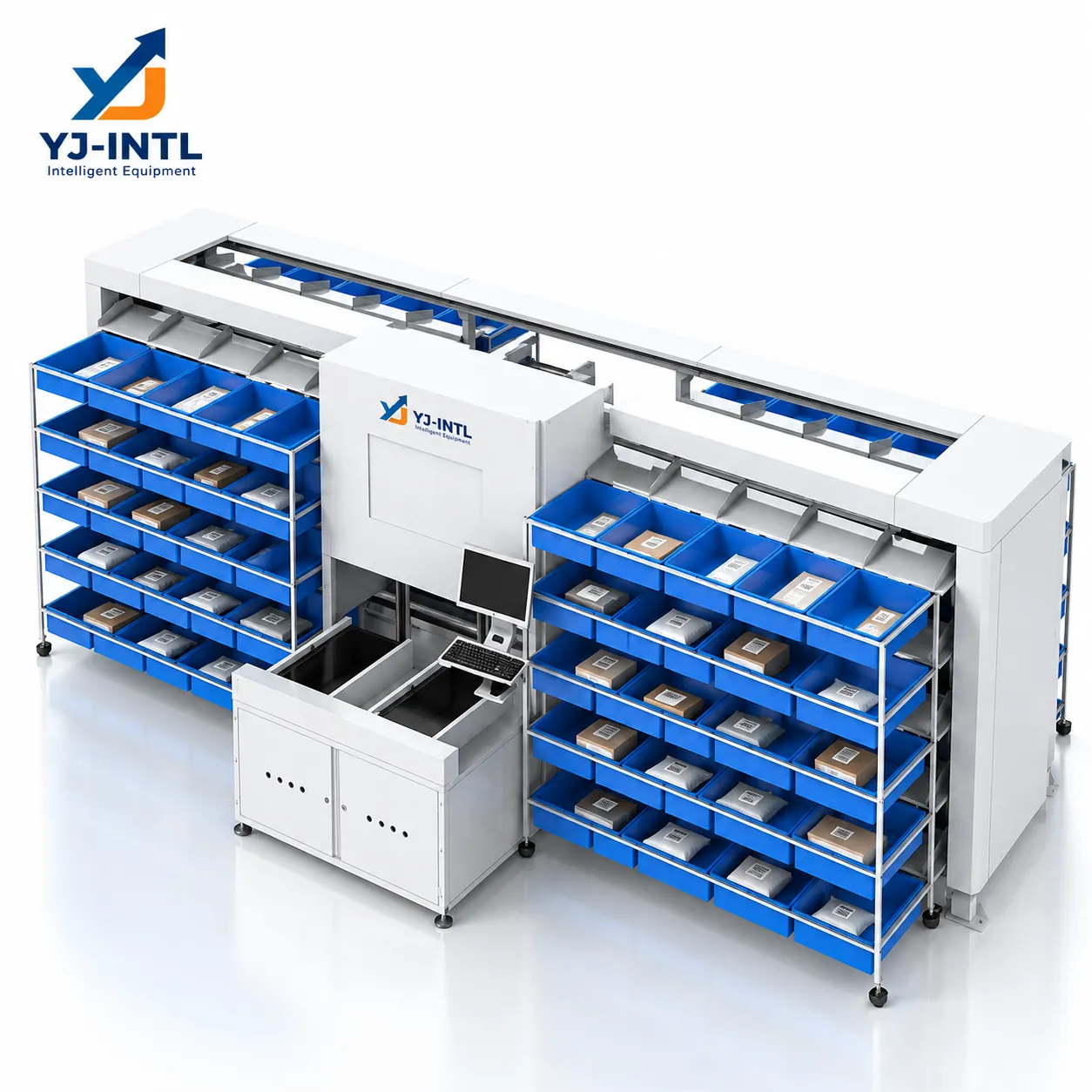
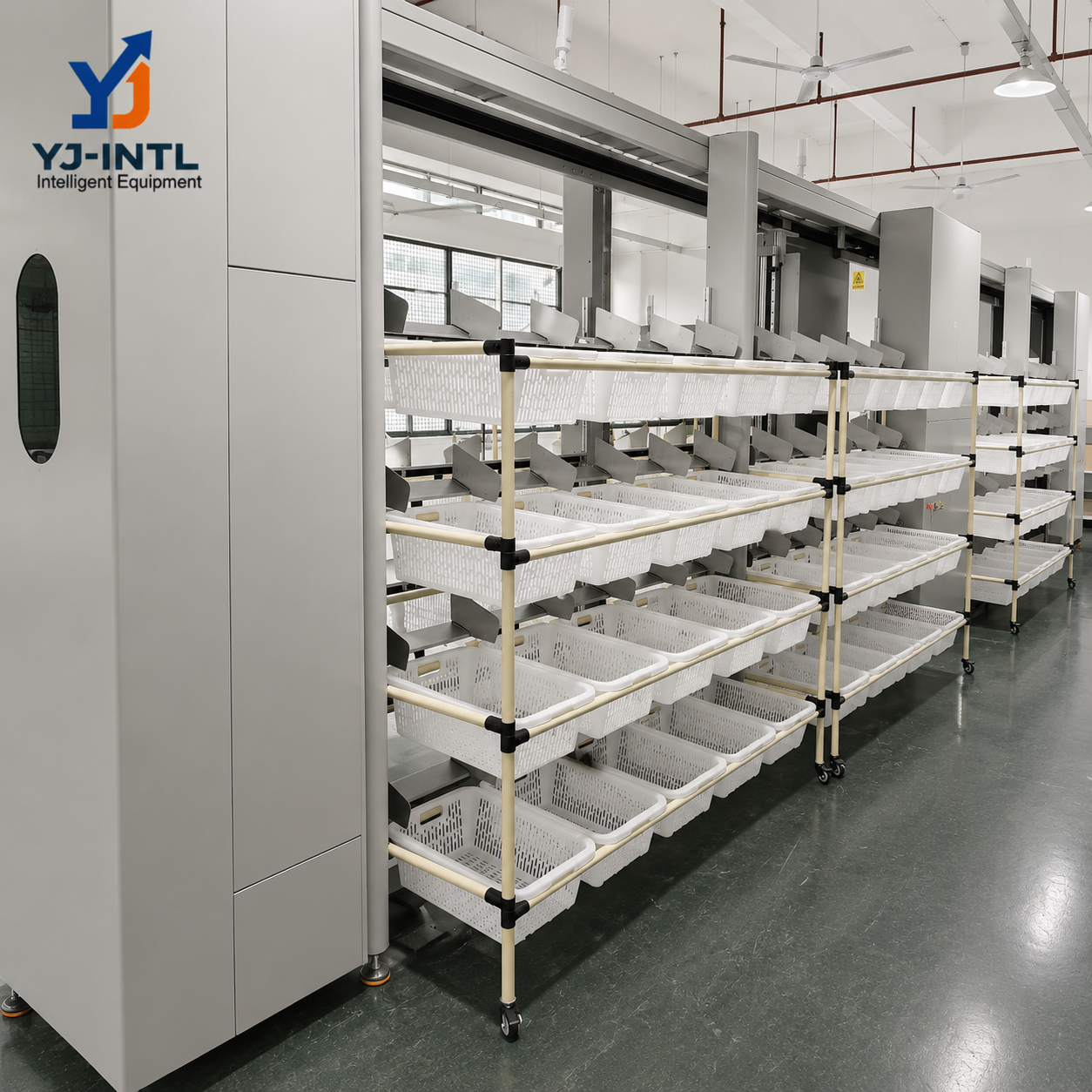
A Put Wall is positioned between picking and packing as a dedicated order-consolidation layer. Instead of sending an operator back and forth to complete one order at a time, batch-picked items can be distributed across multiple order locations in parallel.
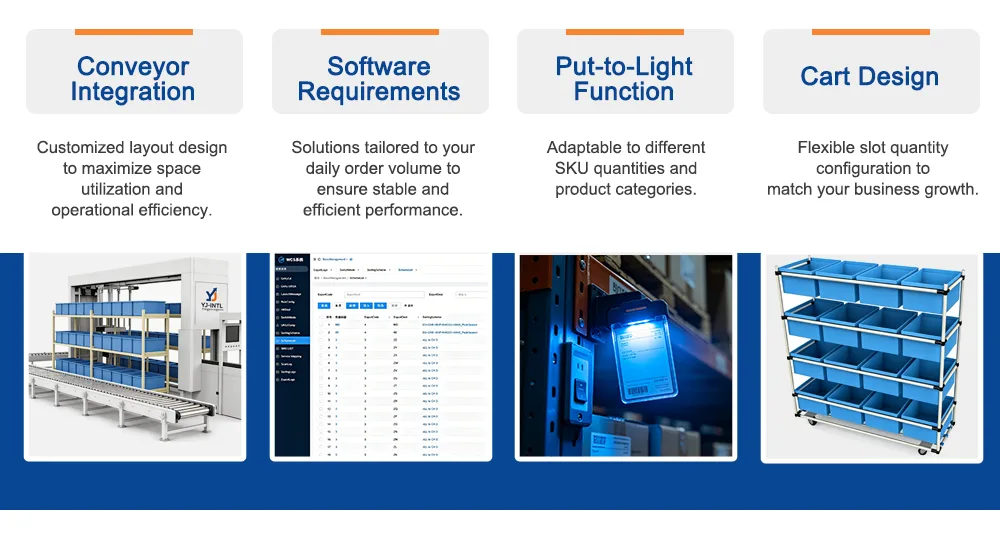
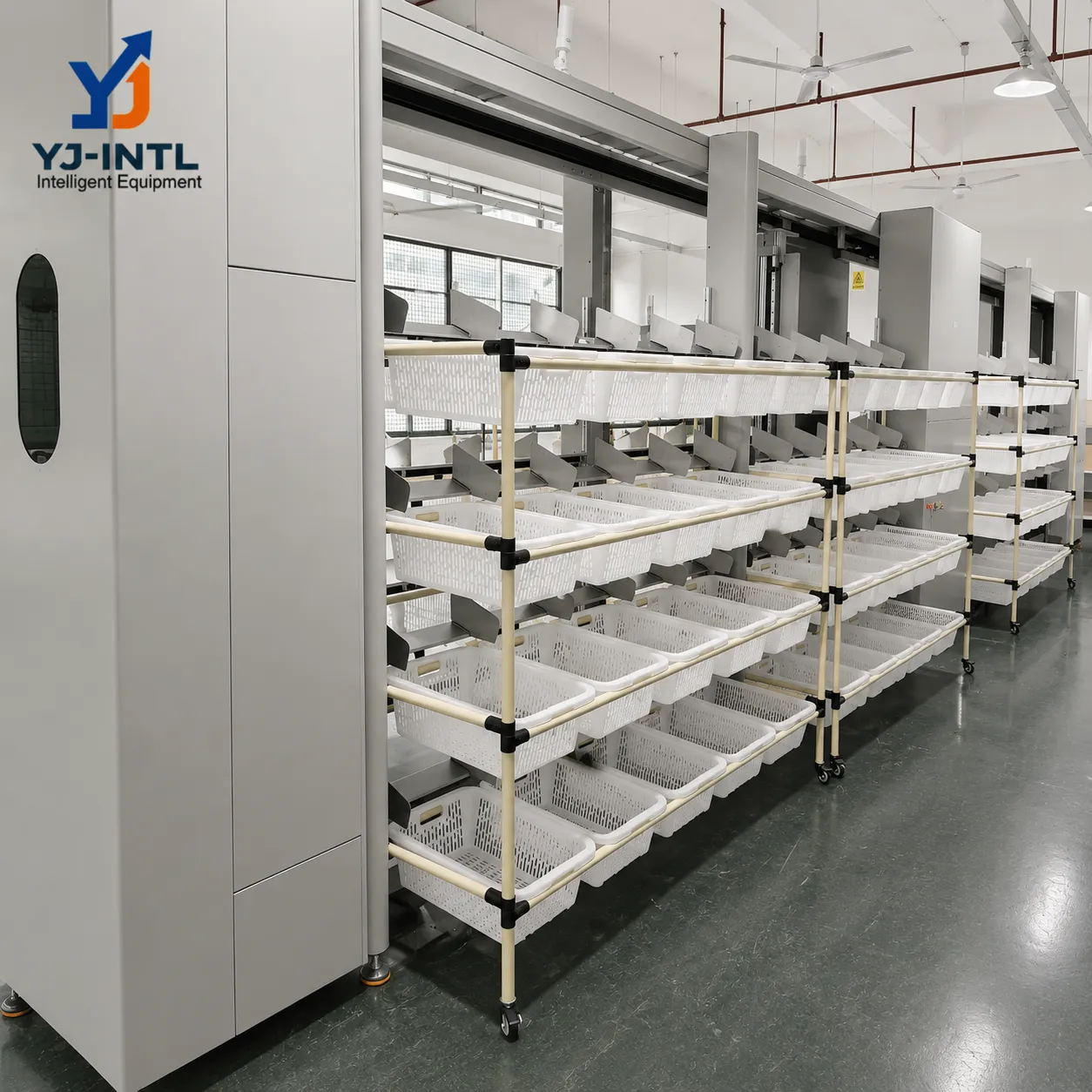
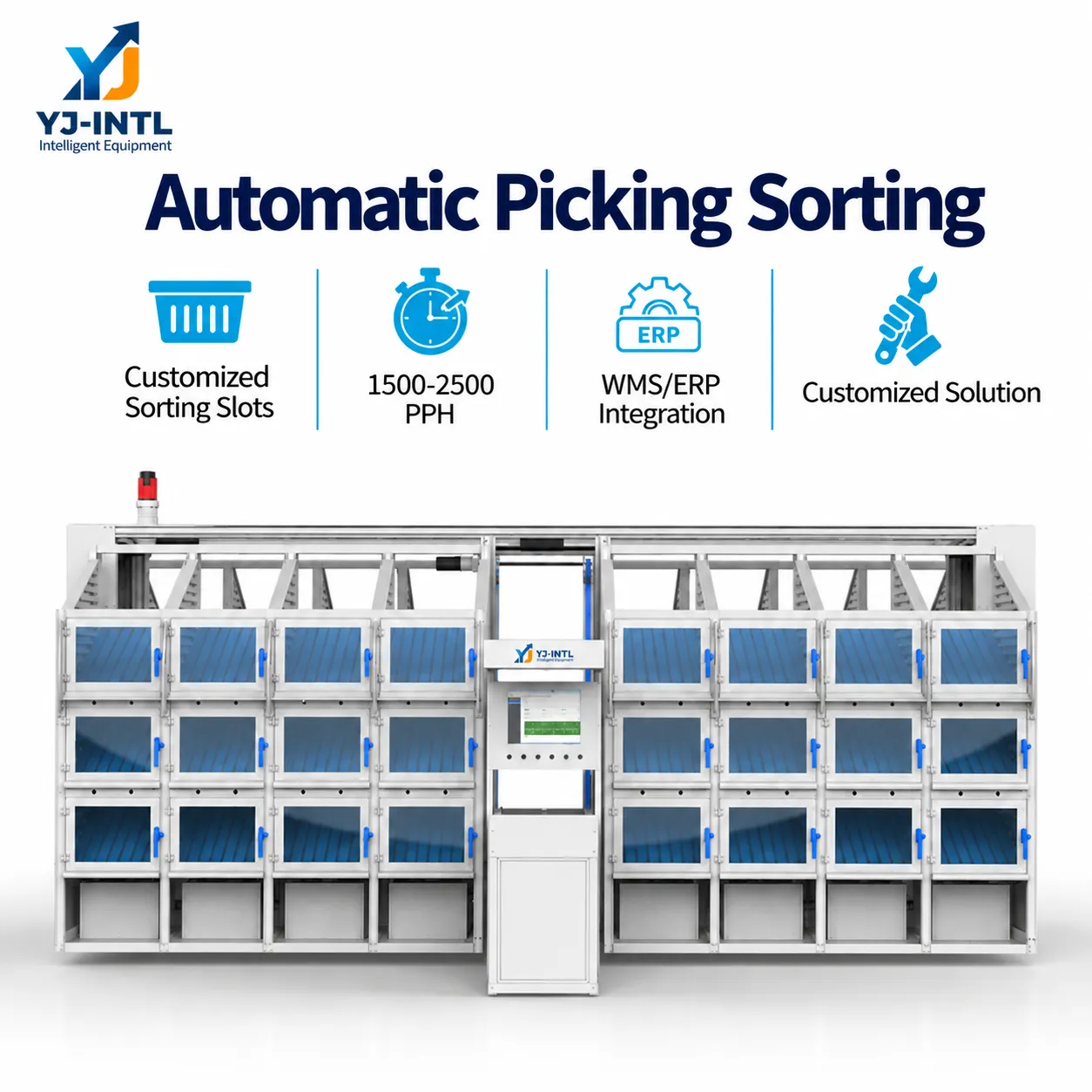
YJ-INTL's Put Wall architecture supports customizable sorting positions, modular rack structures, visual status indication, barcode identification and WMS/WCS or ERP integration. The layout can be configured around order volume, SKU characteristics, operator access and warehouse space.
Recommended Pharmaceutical Put Wall Workflow
WMS Order Release → Batch Picking → Barcode Identification → Put Wall Allocation → Visual / Pick-to-Light Guidance → Order Consolidation → Order Verification → Packing → Shipping
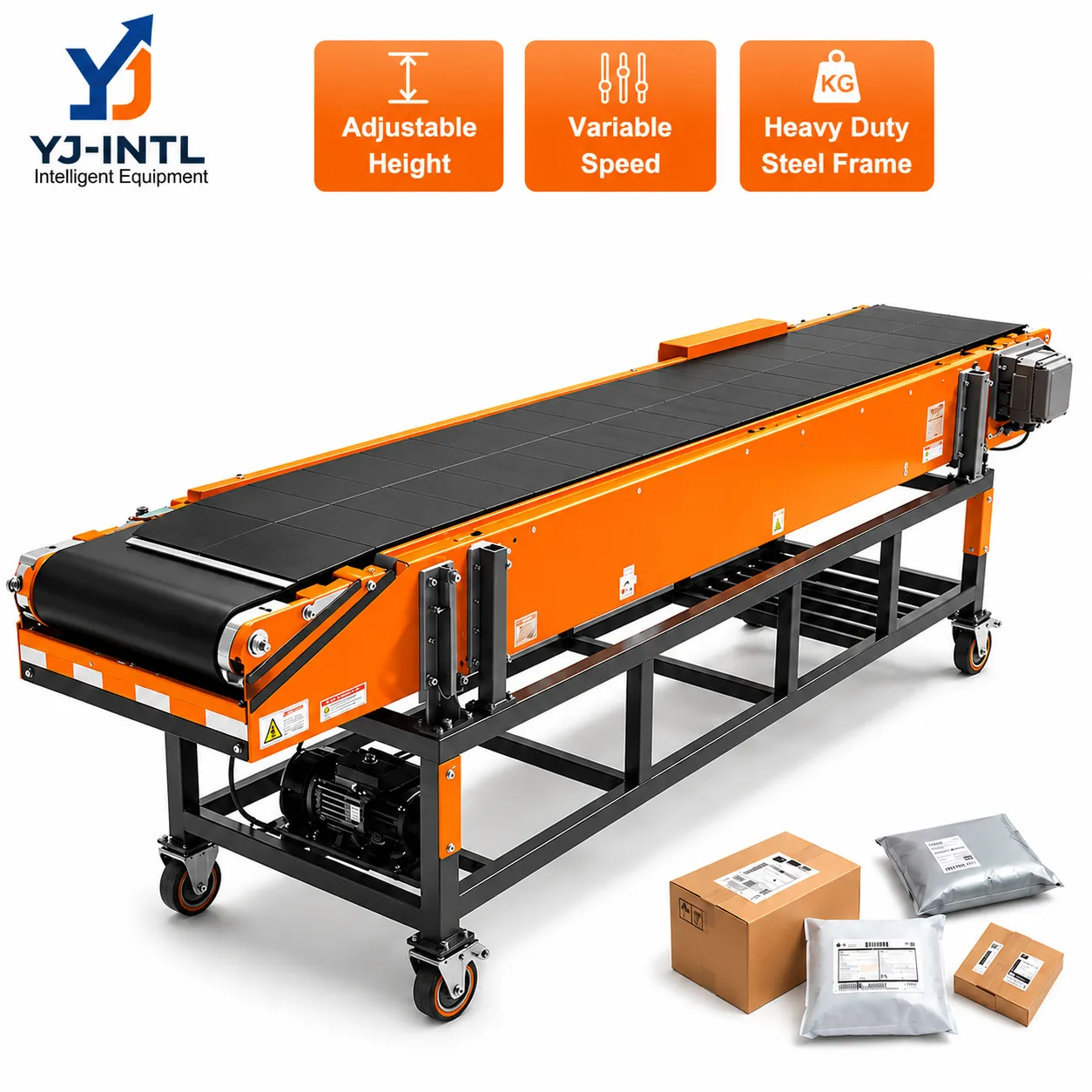
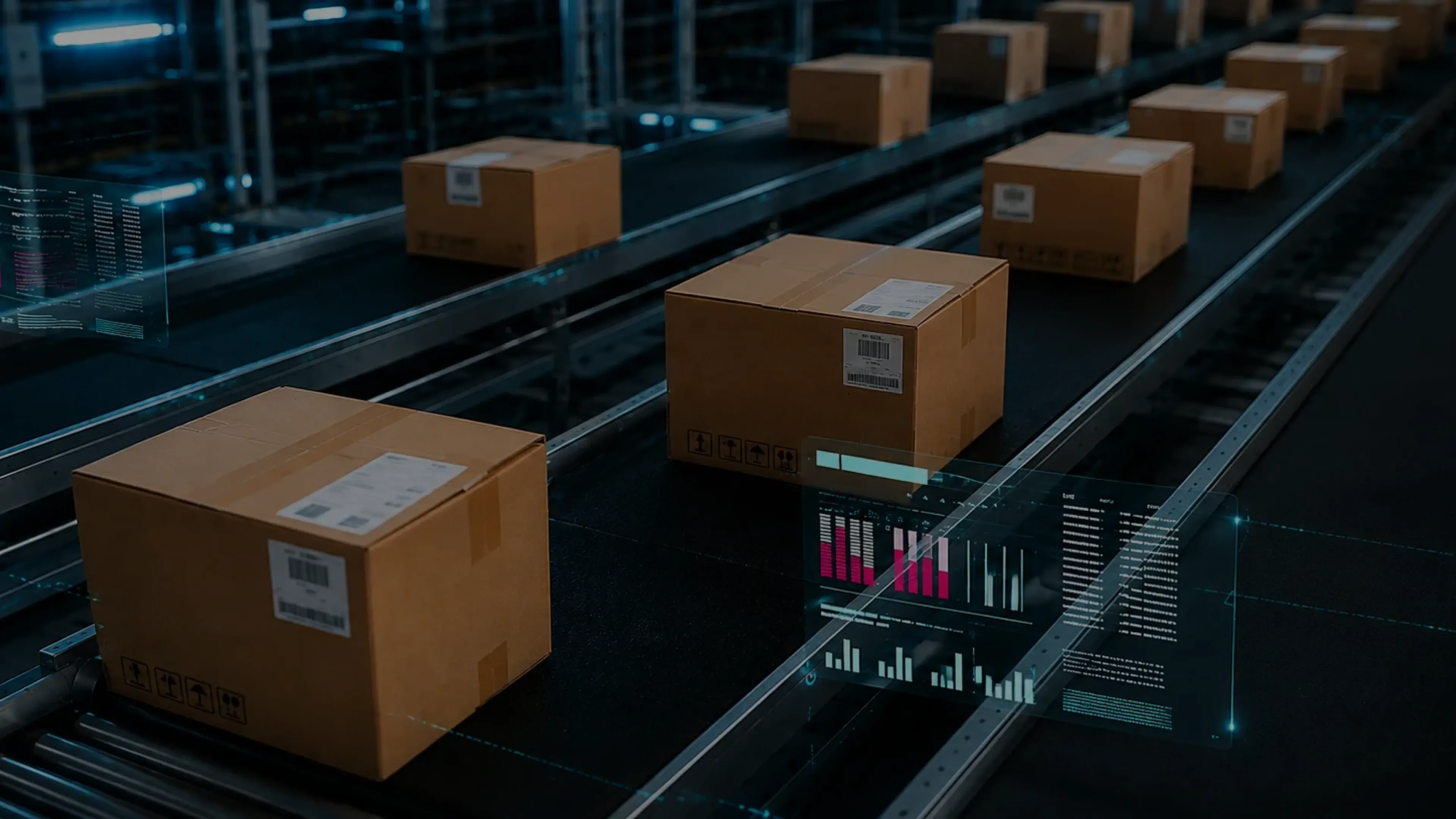
For more automated operations, the upstream process can include conveyors, AMR or goods-to-person picking, while the downstream process can connect to packing, checking and outbound sorting.
1. Order Release & Batch Planning
Orders are grouped according to operational rules such as destination, priority, service level or SKU profile. This creates a manageable batch for the picking and consolidation process.
2. Batch Picking
Operators or AMRs collect products for multiple orders in one picking cycle, reducing repeated travel while maintaining a digital link between each item and the relevant order.
3. Put Wall Identification
Barcode information identifies the destination and the Put Wall provides the corresponding order location through visual indicators or other operator guidance.
4. Multi-Order Consolidation
Multiple orders are processed simultaneously across a bank of sorting locations. Each location represents an order or defined consolidation destination, allowing operators to build complete orders without mixing items.
5. Verification & Packing
Once all required items have been consolidated, the completed order moves to checking and packing. The Put Wall can be connected to downstream packing stations as part of a continuous fulfillment workflow.
Pharmaceutical Put Wall Configurations
| Application | Recommended Configuration | Purpose |
|---|
| Pharmacy replenishment | Multi-channel Put Wall + barcode identification | Consolidate pharmacy orders by destination |
| B2C medicine e-commerce | Pick-to-Light Put Wall + packing stations | Process small and multi-item customer orders |
| Mixed B2B + B2C fulfillment | Dual-zone or multi-channel Put Wall | Separate order flows while sharing downstream resources |
| High-SKU pharmaceutical warehouse | Modular high-density Put Wall | Increase simultaneous order positions within a controlled footprint |
| AMR / G2P picking environment | AMR or G2P + Put Wall + WMS/WCS | Connect automated picking with final order consolidation |
What Problems Can the Solution Solve?
- One-order-at-a-time processing: multi-position Put Wall sorting allows multiple orders to be consolidated in parallel.
- Long operator travel: centralized order locations reduce repeated movement between picking and packing.
- Item-to-order confusion: dedicated locations and visual guidance make destinations easier to identify.
- High manual consolidation workload: structured Put Wall workflows standardize repetitive operator tasks.
- Peak-volume pressure: additional sorting positions can be added through modular configuration.
- Poor process visibility: barcode identification and software integration create a digital link between item, order and sorting location.
- Fragmented fulfillment systems: Put Wall, conveyors, picking equipment and WMS/WCS can be designed as one process architecture.
Quantifiable Efficiency Improvement
YJ-INTL's current Put Wall product information gives a reference throughput of 1,500–2,500 PPH for its dual-channel Put Wall configuration. The main multi-channel Put Wall uses customizable sorting positions. Actual performance depends on order lines, item characteristics, operator count and workflow design.
YJ-INTL's published smart Put Wall case reports 99.9% sorting accuracy, 300% order-consolidation speedup, operator onboarding in under 10 minutes, and 99.99% system uptime reliability. These are case-specific published results and should not be presented as guaranteed performance for every pharmaceutical project.
For project ROI analysis, compare baseline and target values for order lines/hour, orders/hour, operator count, walking distance, consolidation errors, packing queue time, simultaneous order positions and peak-hour capacity.
Digital Integration for Pharmaceutical Fulfillment
The Put Wall can operate as a software-connected workstation. YJ-INTL's published Put Wall configurations support WMS/WCS or ERP integration, barcode identification, visual location guidance and configurable electrical control.
A typical digital flow is:
WMS → Order Batching → Picking Task → Item Barcode → Put Wall Destination → Order Completion → Packing → Shipping Confirmation
Where pharmaceutical operations require additional control logic, the project architecture can be designed around the customer's existing WMS, ERP, WCS, barcode rules and operational processes. GSP/GMP compliance requirements should be confirmed with the customer's quality and regulatory teams; equipment automation alone does not constitute regulatory compliance.
Source Factory Services from YJ-INTL
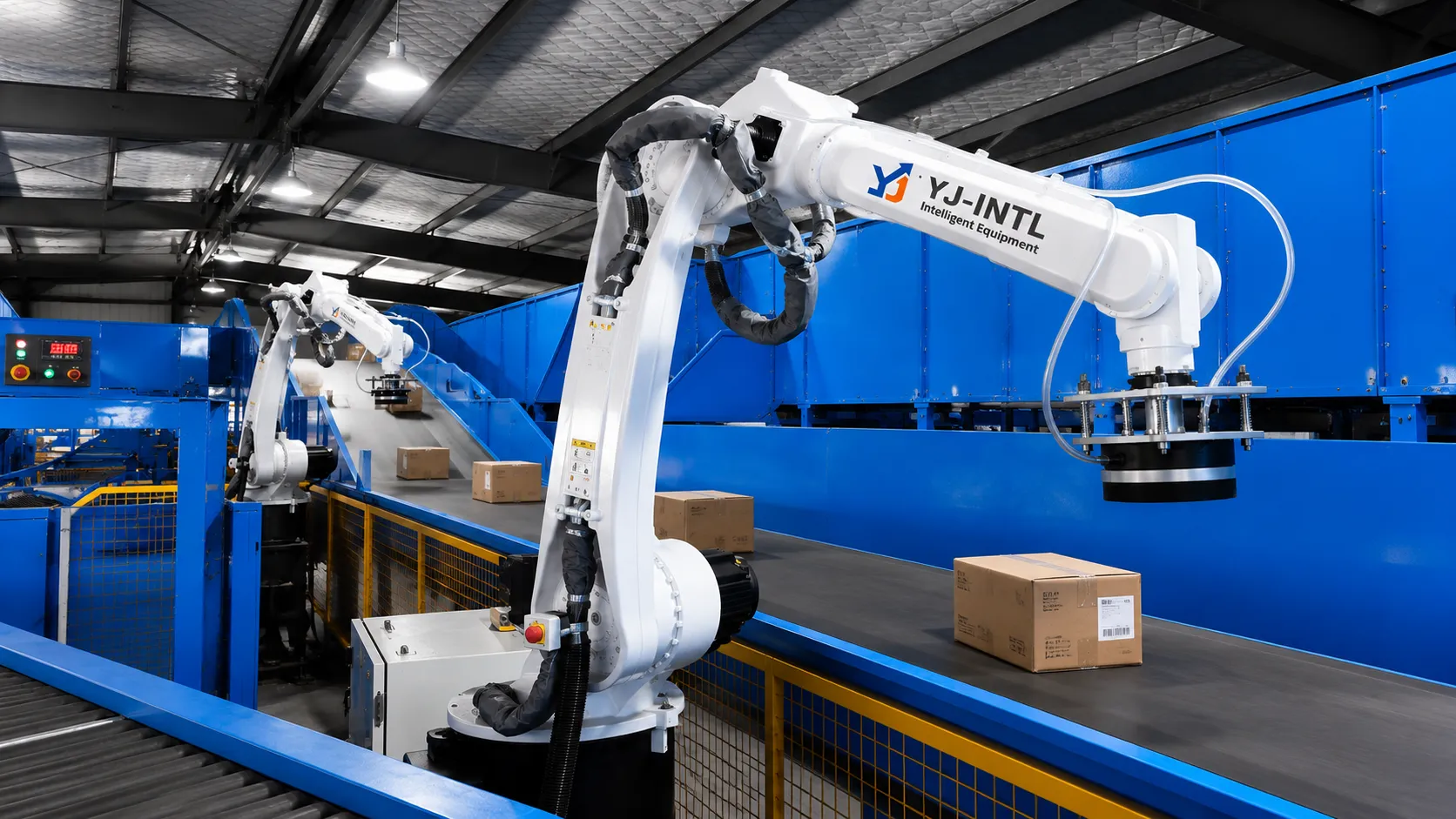
YJ-INTL can provide the Put Wall as part of a complete fulfillment automation project rather than treating it as an isolated workstation.
- Process analysis: review order lines, SKU profile, item dimensions, order structure and daily / peak volume.
- Put Wall engineering: calculate sorting positions, rack dimensions, working height, operator quantity and workstation arrangement.
- System integration: connect barcode identification, Put Wall controls and WMS/WCS or ERP interfaces.
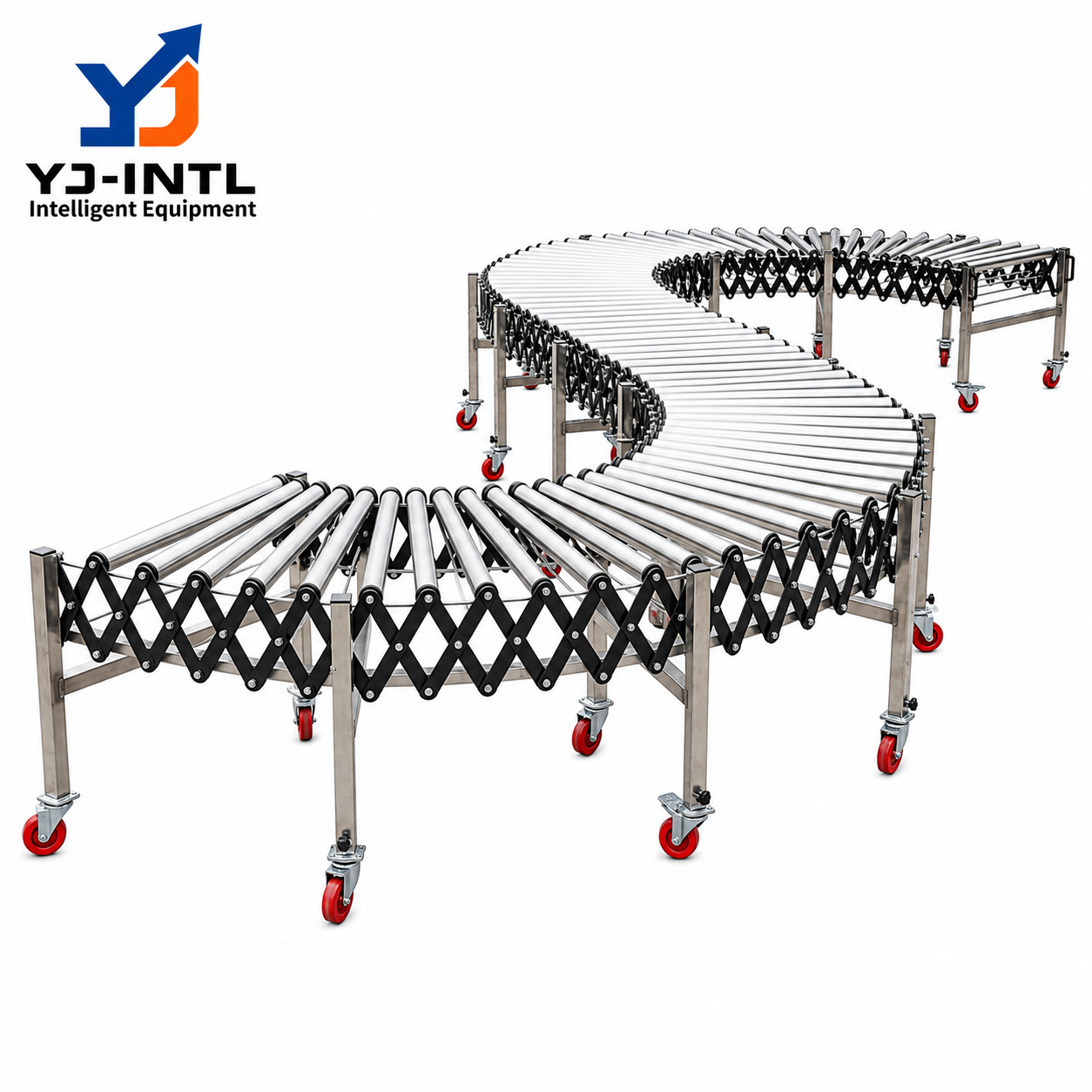
- Upstream automation: integrate conveyors, AMR, G2P or picking systems where required.
- Downstream integration: connect order consolidation to verification, packing, labeling and outbound processes.
- Factory manufacturing: manufacture the Put Wall structure, electrical controls and associated automation equipment.
- Factory testing: perform functional inspection and system testing before shipment.
- Overseas installation: provide installation and commissioning support for international projects.
- Operator training: provide operation and basic maintenance training.
- After-sales support: provide technical assistance, spare-parts coordination and maintenance guidance.
- Future expansion: reserve modular expansion options for additional sorting locations or higher order volumes.
Why Use a Put Wall as Part of a Pharmaceutical Automation Solution?
The Put Wall is particularly useful where the warehouse must convert batch-picked inventory into many individual pharmacy, customer or distribution orders. Its value comes from connecting picking, order consolidation and packing into a structured process.
For pharmaceutical projects with higher volumes or more complex material flow, the Put Wall can be combined with conveyors, AMR, barcode scanning and WMS/WCS integration. This allows YJ-INTL to design the order-consolidation layer according to the actual pharmaceutical fulfillment workflow.