
10,000 PPH
Peak Hour Sorting Throughput


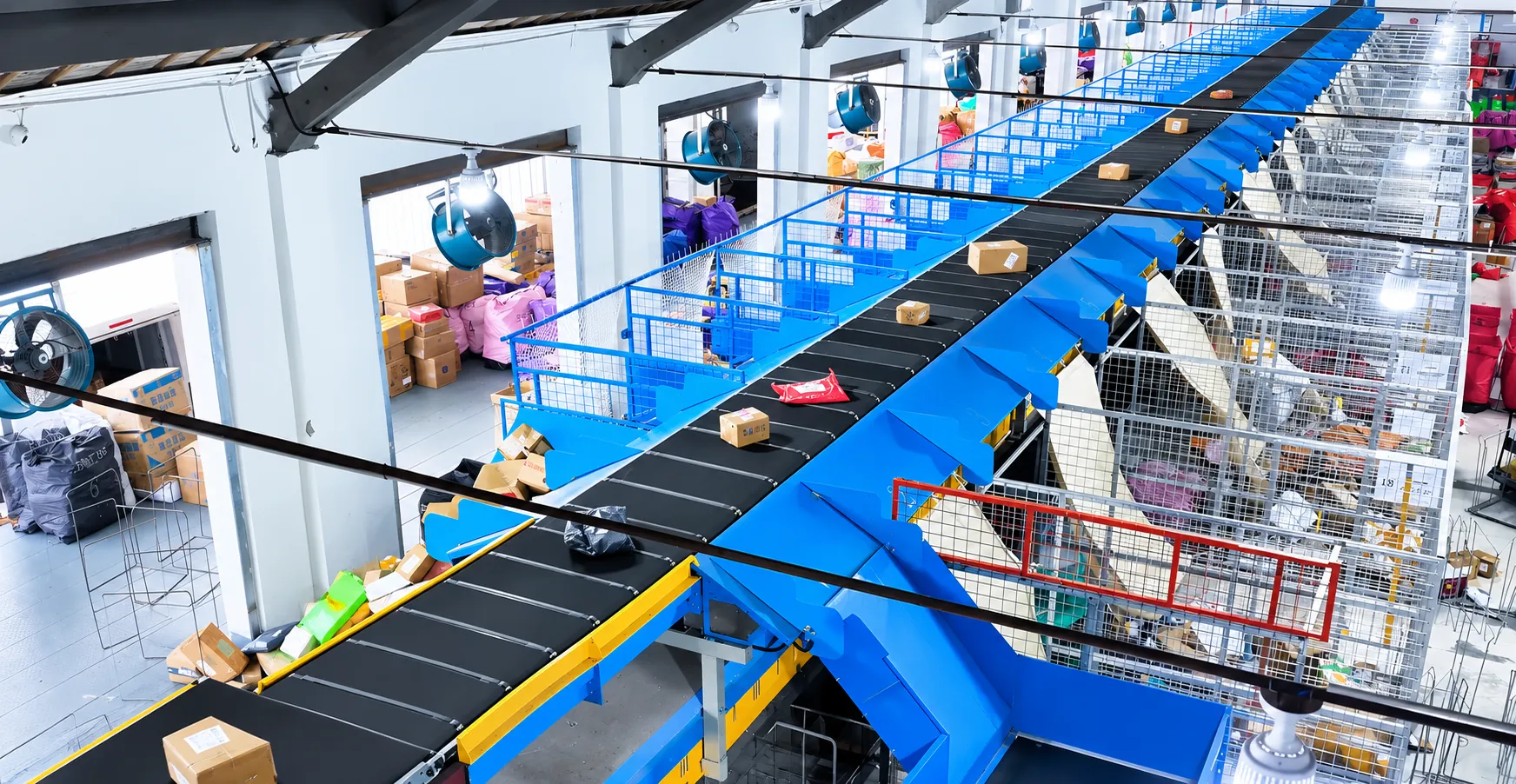
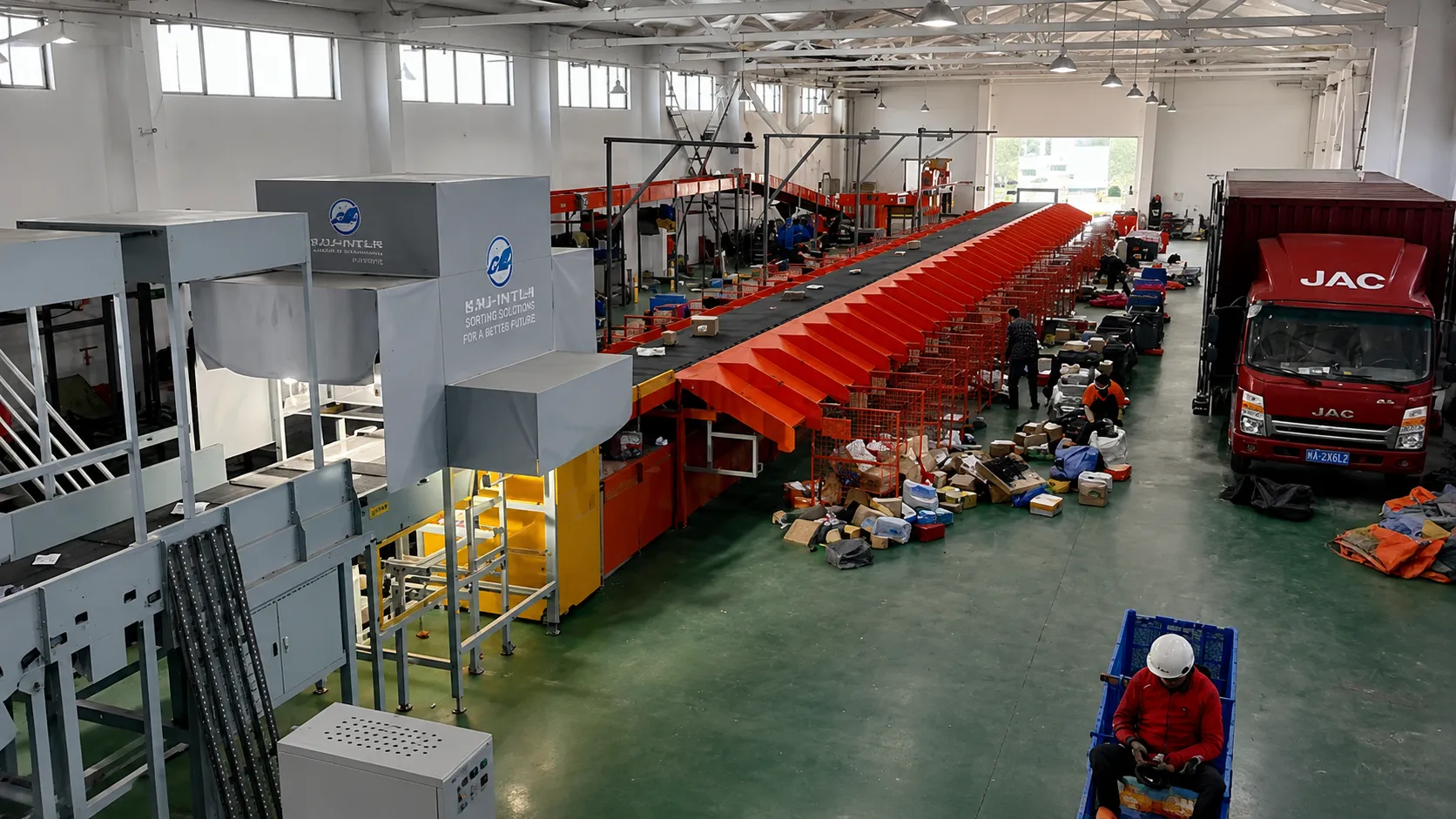
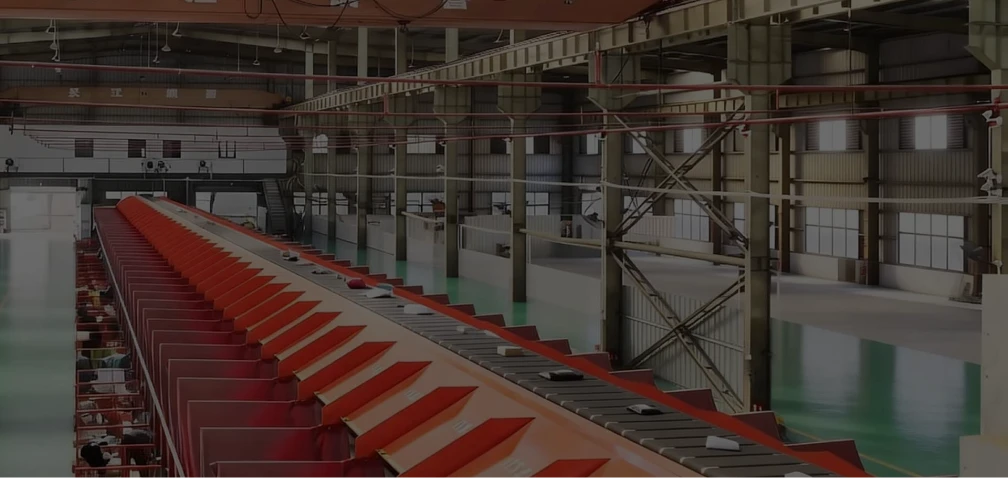
To handle heavy seasonal parcel volume surges in coastal e-commerce centers, Quanzhou YTO Express Hub upgraded its sorting infrastructure with YJ-INTL's narrow belt sorter. Featuring unaligned blind infeed, multi-car linkage for bulky cargo, and precision side-discharge chutes, the line handles up to 10,000 parcels per hour with a 99.99% scan accuracy while requiring only 4-5 operators on site.
Regional Operations Manager, Quanzhou YTO Express Distribution Hub"In coastal manufacturing hubs like Quanzhou, parcel profiles range from tiny polybags to heavy footwear cartons. The YJ-INTL narrow belt sorter transformed our operations—allowing operators to drop mixed cargo onto the belt without manual pre-sorting. The multi-car linkage carries oversized bags effortlessly, and our labor footprint dropped from 12 workers to just 4 per shift."
Peak Hour Sorting Throughput

Barcode Read Rate Accuracy

Max Dynamic Carrier Load

On-Site Personnel Footprint
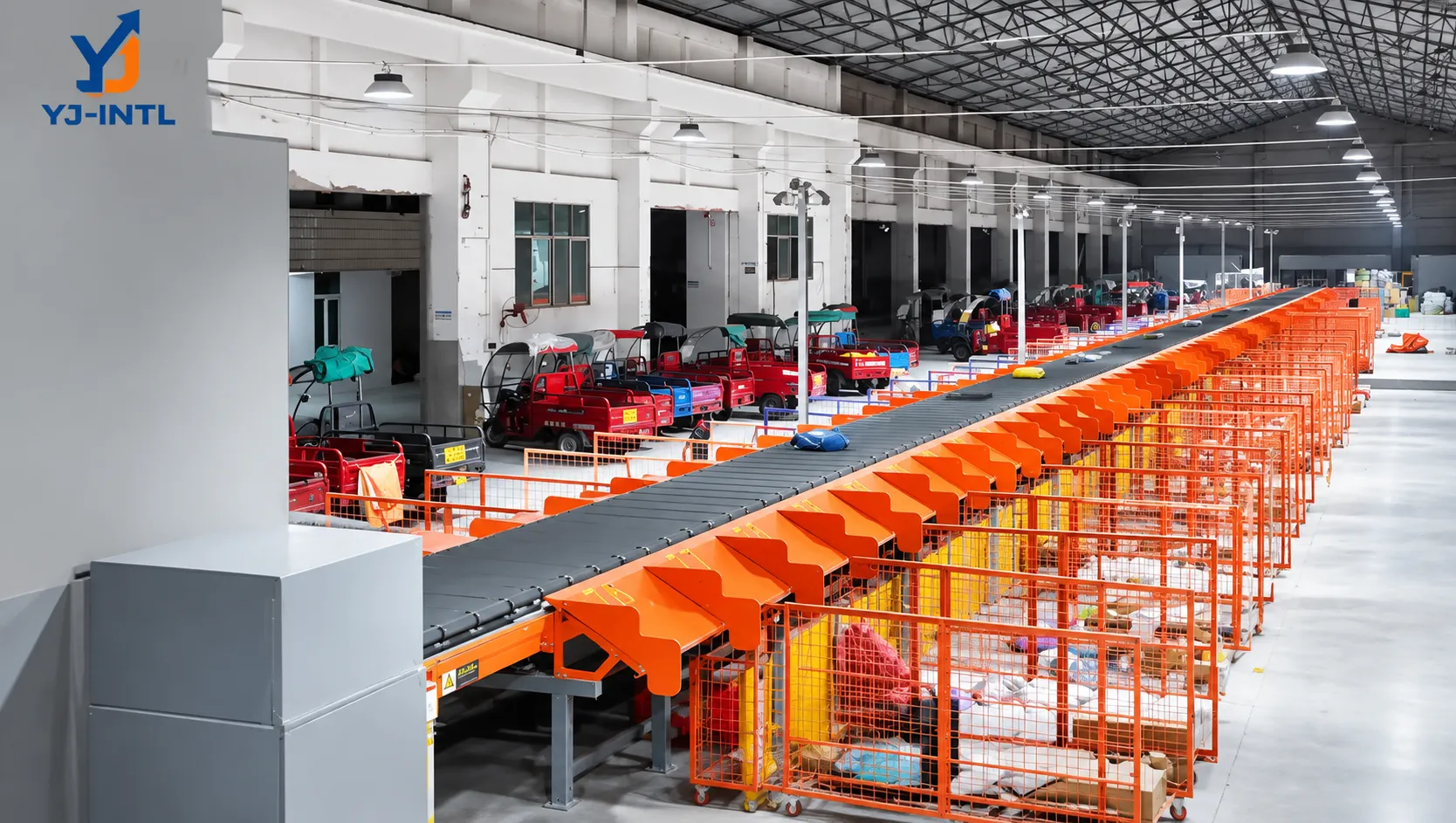
Quanzhou is one of Eastern China's primary manufacturing and e-commerce shipping centers, generating massive daily volumes of footwear, apparel, and consumer goods. During peak promotional periods, the regional Quanzhou Express Hub experienced severe operational bottlenecks under traditional semi-automated sorting workflows.
With incoming cargo varying heavily—from 50g soft mailers to 50kg oversized cartons up to 1200mm in length—manual infeed lanes frequently jammed. Staff had to manually orient every parcel before scanning, creating dock congestion, high labor expense, and unacceptable mis-sorting rates.
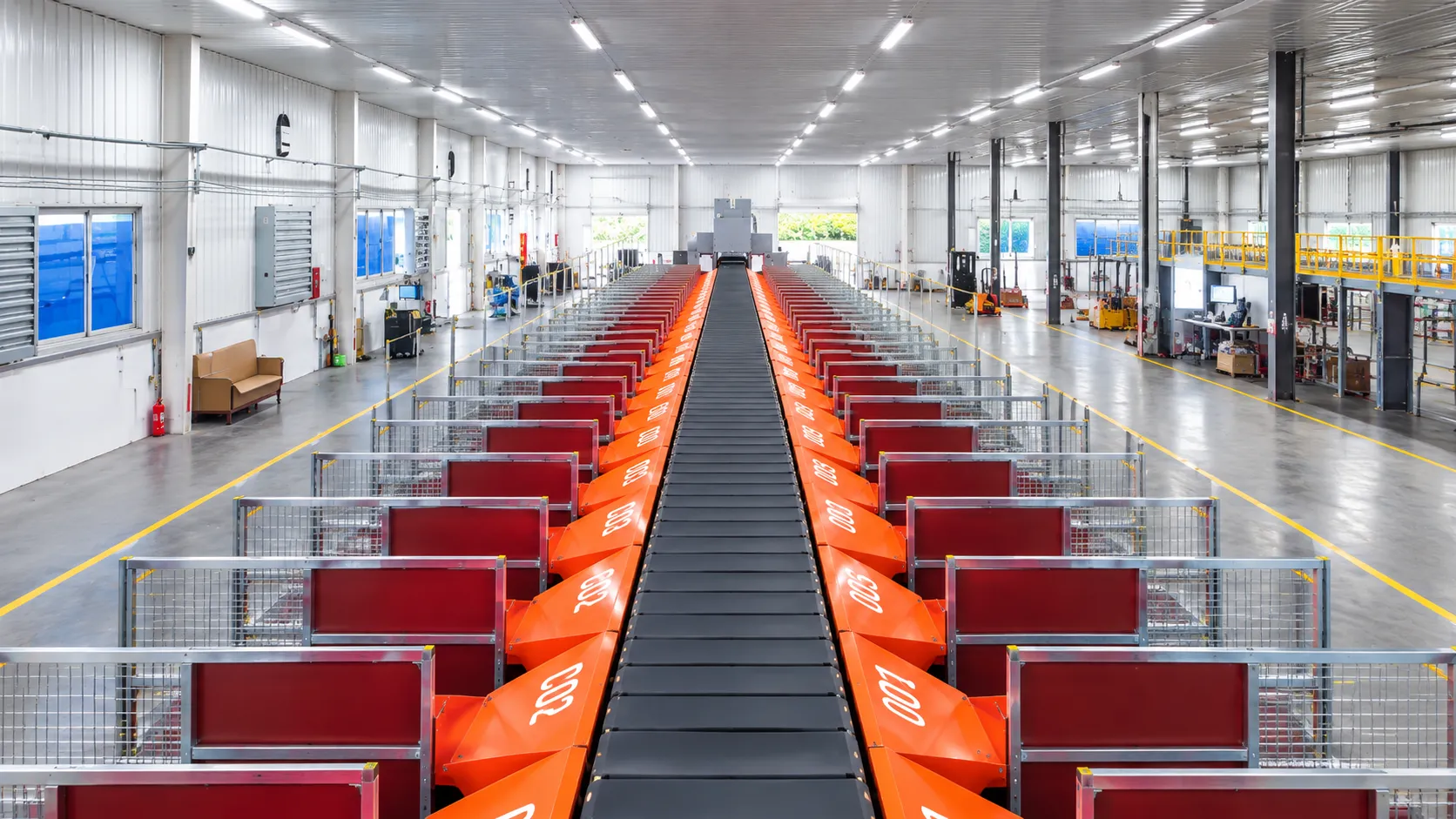
YJ-INTL designed and deployed a heavy-duty Narrow Belt Sorting System tailored specifically to Quanzhou Hub's mixed-cargo environment. Operating at line speeds of 2.0 m/s to 2.5 m/s with flexible 200mm/300mm standard pitches, the automated conveyor handles high-density parcel flows with minimal manual intervention.
| Operational Parameter | System Specification | Practical Business Value |
|---|---|---|
| Sorting Throughput | 7,000 – 10,000 Parcels/Hour (PPH) | Eliminates sorting backlog during peak regional shipping surges |
| Conveying Line Speed | 2.0 m/s – 2.5 m/s | Maintains smooth, uninterrupted parcel acceleration |
| Standard Pitch Options | 200 mm / 300 mm | Optimizes belt spacing for soft bags and heavy cartons |
| Barcode Read Rate | 99.99% Scan Accuracy | Ensures full tracking visibility across all destination chutes |
| Mis-Sorting Rate | < 0.03% (< 3 in 10,000 items) | Minimizes costly re-sorting and delivery SLA violations |
| Parcel Dimensions | ≤ 1200mm × 900mm × 700mm | Handles bulky boxes alongside small e-commerce mailers |
| Dynamic Carrier Load | 0.05 kg to 50 kg | Prevents belt deflection under heavy industrial loads |
| Facility Footprint | 100 m² – 500 m² Modular Layout | Fits cleanly into compact regional logistics centers |
| Labor Requirement | 4 – 5 Operators total | Reduces shift workforce requirements by over 60% |
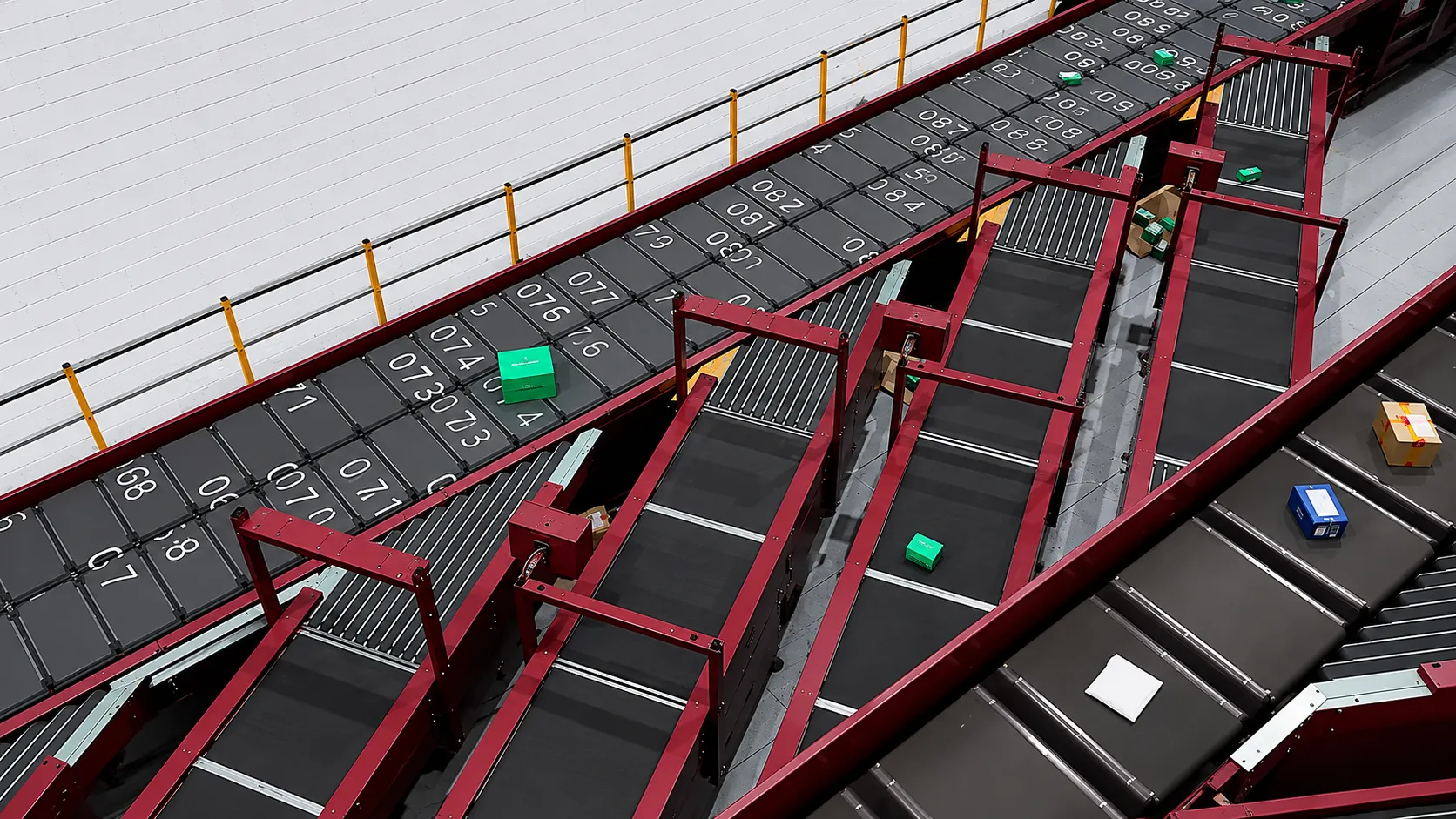
The system supports direct, random parcel placement ("blind loading") without requiring manual pre-alignment. When an oversized item (up to 1200mm) passes through the optical sensor zone, multiple narrow belt carriages automatically bind their movement to act as a synchronized carrier, discharging heavy loads up to 50kg safely into target chutes.
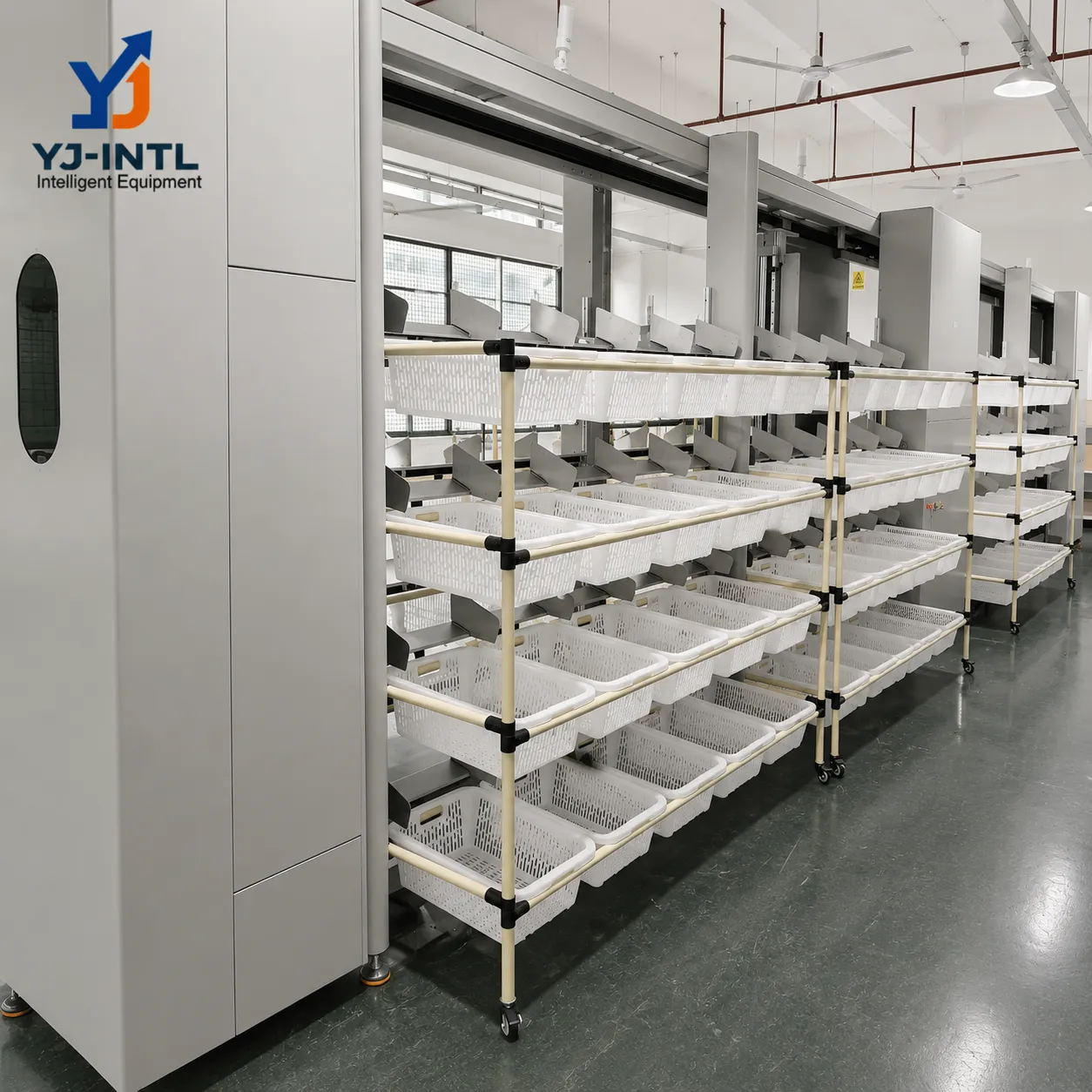
Equipped with dual-side drop chutes, mesh cage guides, and adjustable bag-hanging frames, parcels slide smoothly into designated destination sacks with minimal impact, protecting fragile merchandise.
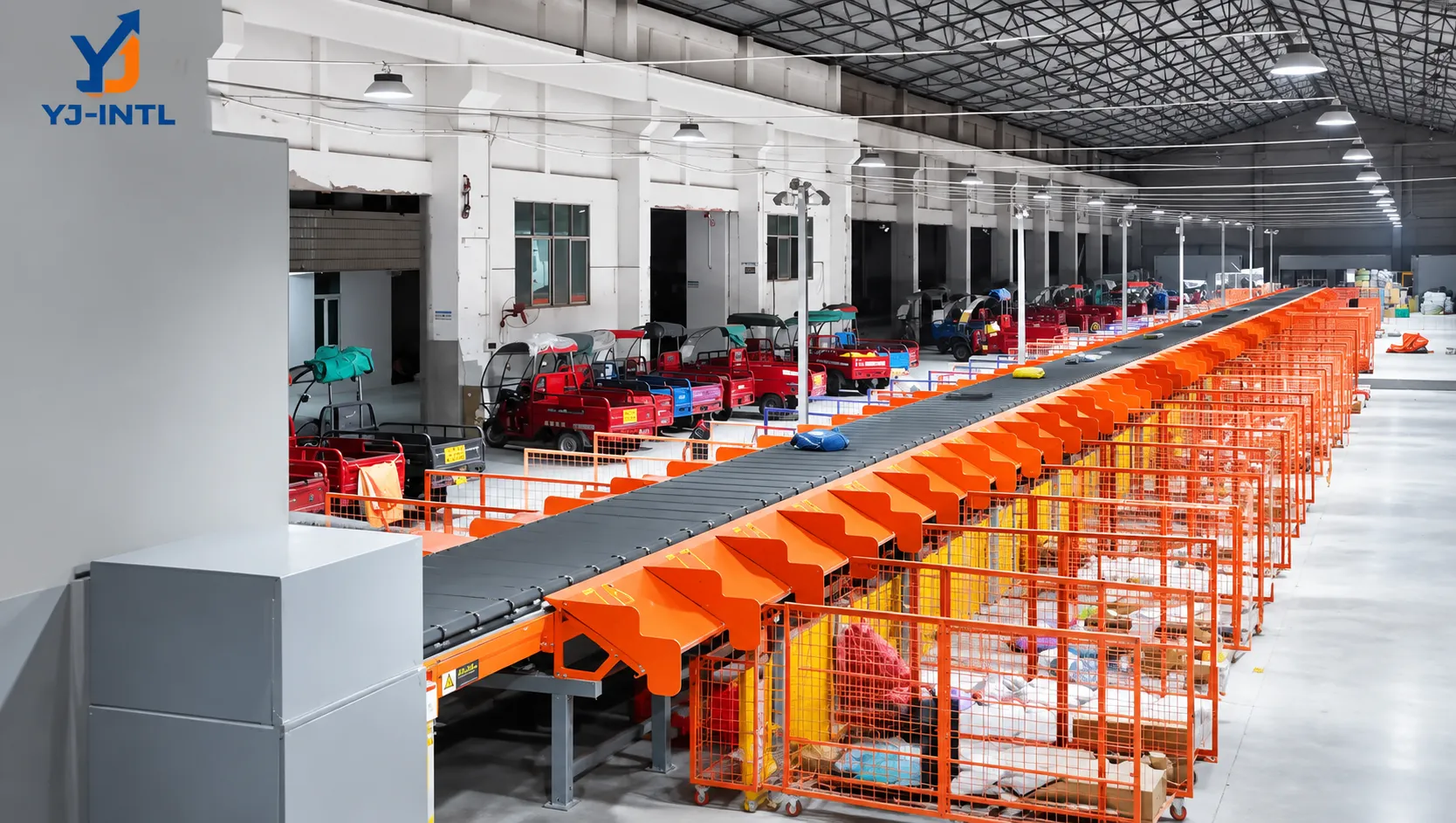
Since the commissioning of the YJ-INTL Narrow Belt Sorter at the Quanzhou Hub, operational efficiency metrics have improved substantially:
A narrow belt sorter provides a highly compact, cost-effective footprint (100m²–500m²) ideal for medium-to-large regional hubs handling mixed soft bags and heavy cartons without requiring large overhead cross-belt loop structures.
When sensors detect an oversized item spanning multiple belt segments, adjacent narrow belt modules synchronize dynamically to transport and discharge the package as a unified carrier unit without tipping.
Yes. The control system uses standard industrial Ethernet protocols and RESTful APIs to integrate directly with third-party WMS, WCS, and ERP software platforms for real-time parcel tracking.
The system requires a modular area between 100m² and 500m² depending on chute counts, operating on standard 380V industrial power with low headroom requirements.
Our engineering team is on standby 24/7 — get your first response in as fast as 3 minutes. Share your parcel profile, daily volume, and floor plan, and we'll design a tailored layout and quotation, the same way we did for this project.
LET'S AUTOMATELet's Talk