
500,000 Pcs
Daily Sorting Capacity


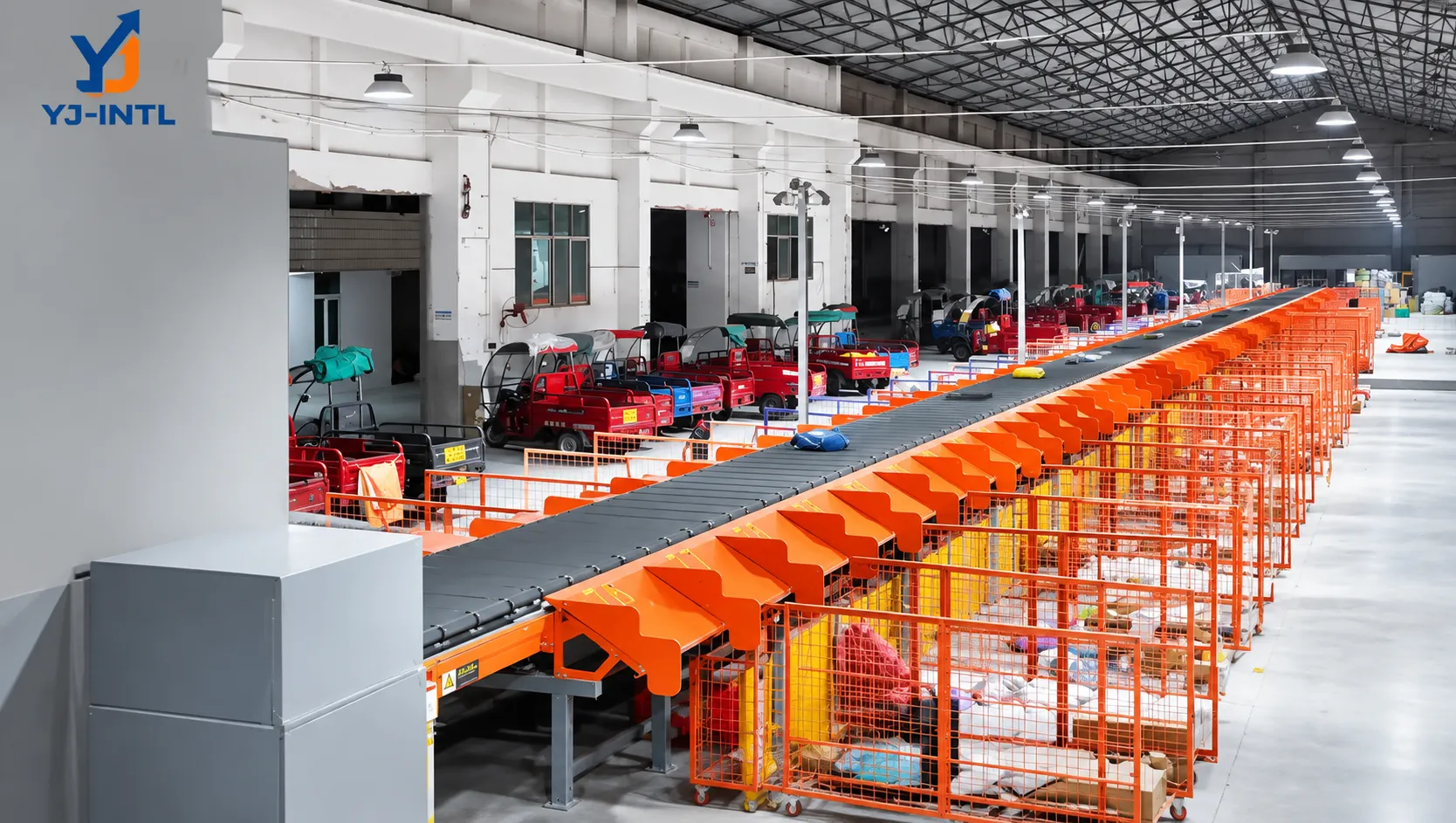
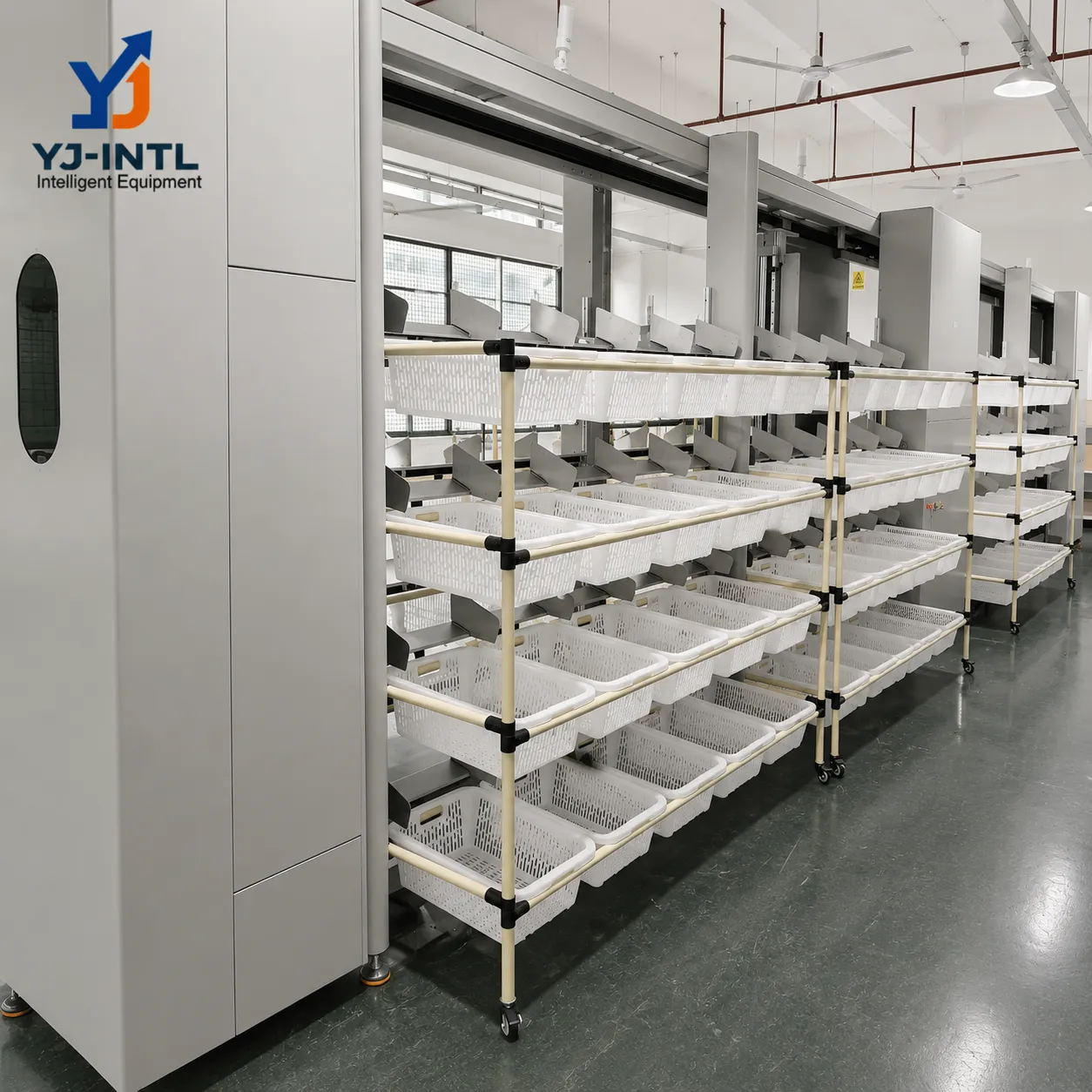
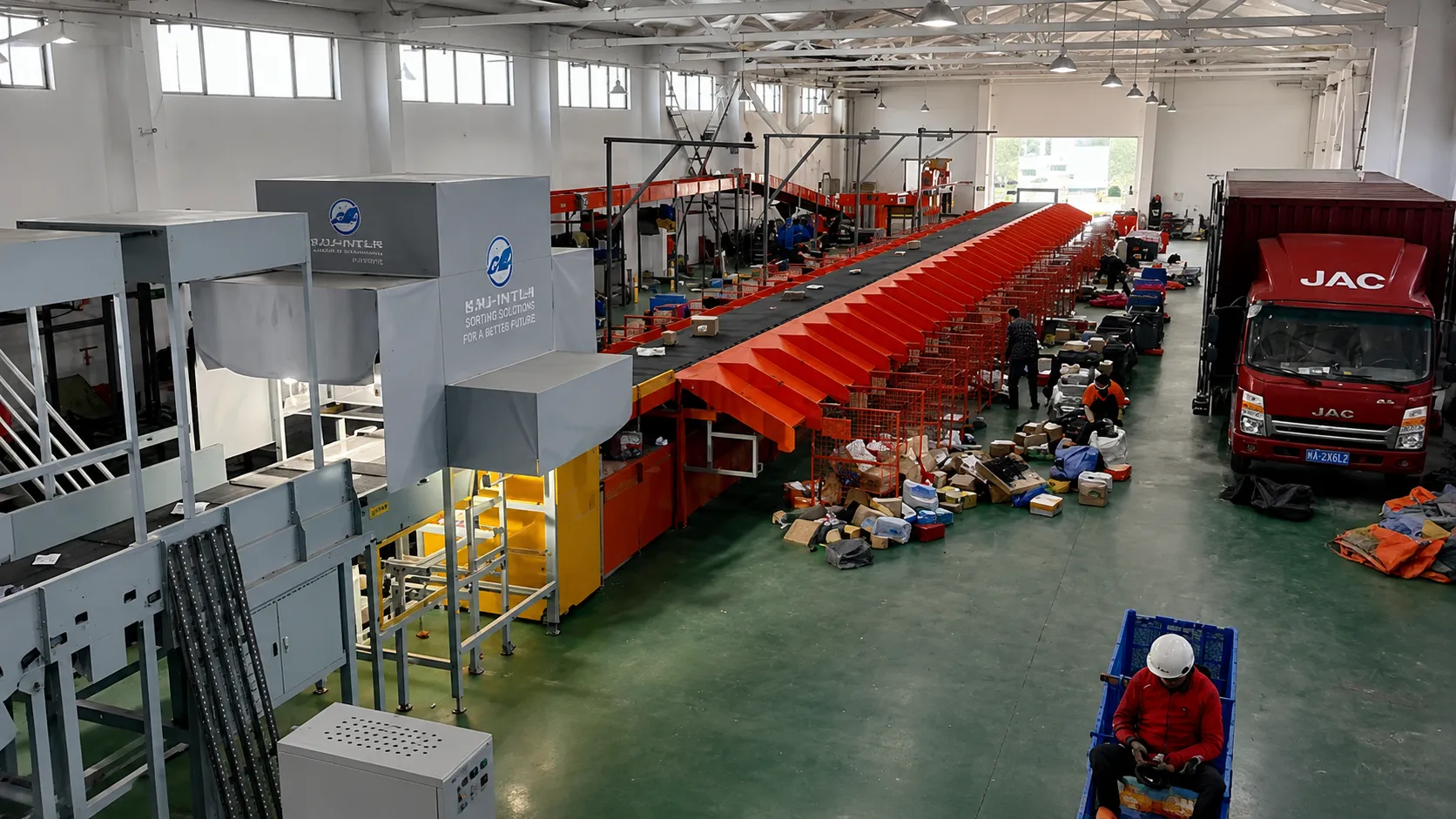
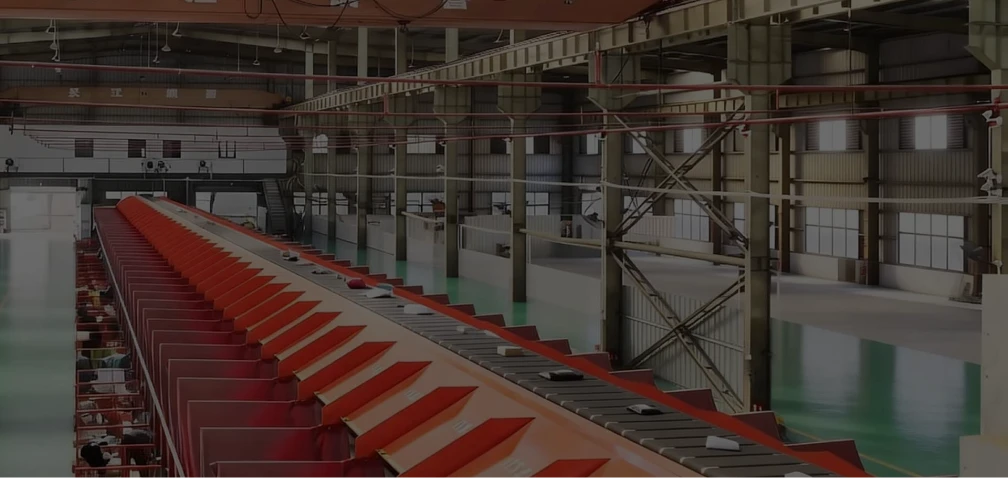
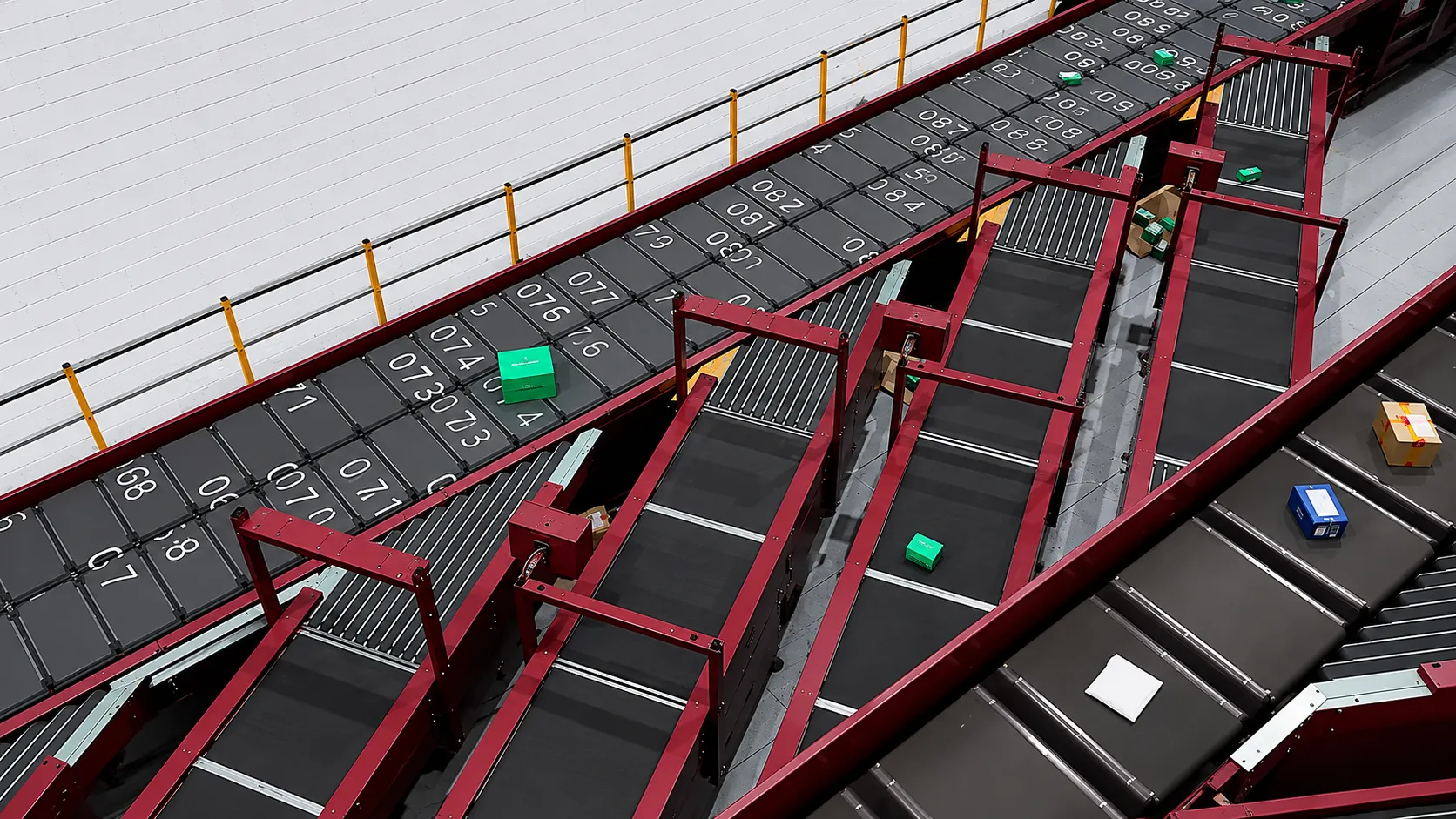
YJ-INTL engineered an industry-first dual-channel automatic induction loop system for Yunda Express in Shanghai. Integrating AI vision, dual-channel de-stacking, dual-system 6-sided 3D barcode scanning, and dual-row narrow-belt carriers with smart 6-stage induction tables, this automation solution processes 500,000 parcels daily while completely eliminating manual label flipping and reducing operational costs.
Operations Management Team, Yunda Express Shanghai Hub"Operating an express hub in Shanghai means every square meter and labor hour comes at a premium. YJ-INTL's dual-channel automatic induction system enabled us to achieve 500,000 daily parcel volume while completely eliminating manual waybill flipping. The combination of 6-sided 3D barcode reading, automatic centering, and smooth 6-stage induction table flow has delivered exceptional efficiency and cost reduction across our hub operations."
Daily Sorting Capacity

Label Flipping Overhead

Induction Stages Layout

Barcode Scan Coverage
Shanghai is a global financial and logistics powerhouse where industrial land costs remain at a premium and labor expenses continue to rise. Express logistics hubs handling intra-city and regional distribution face relentless pressure to maximize throughput per square meter while reducing headcount.
At the Yunda Express Shanghai distribution center, manual parcel handling and manual waybill label flipping created severe operational bottlenecks during surge hours. YJ-INTL (Yingjie Technology) deployed its advanced AI-driven dual-channel automatic induction loop system to deliver high-capacity, low-cost express sortation in a tight urban footprint.
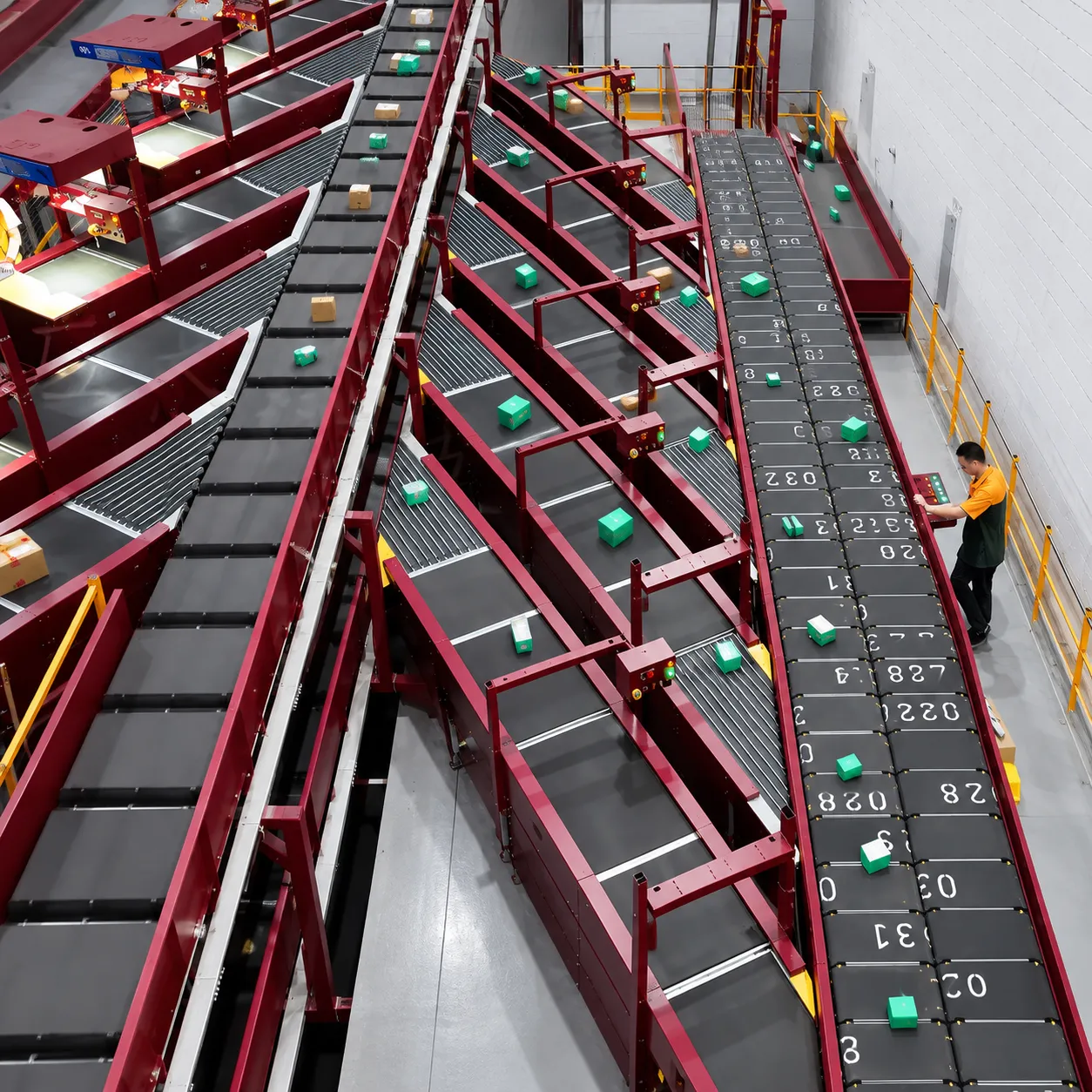
YJ-INTL deployed an integrated, multi-stage dual-channel auto-induction architecture engineered specifically for high-density express sortation:
 |  |
|---|
The implementation of YJ-INTL's dual-channel automatic induction system transformed Yunda Express Shanghai into an automated benchmark facility.
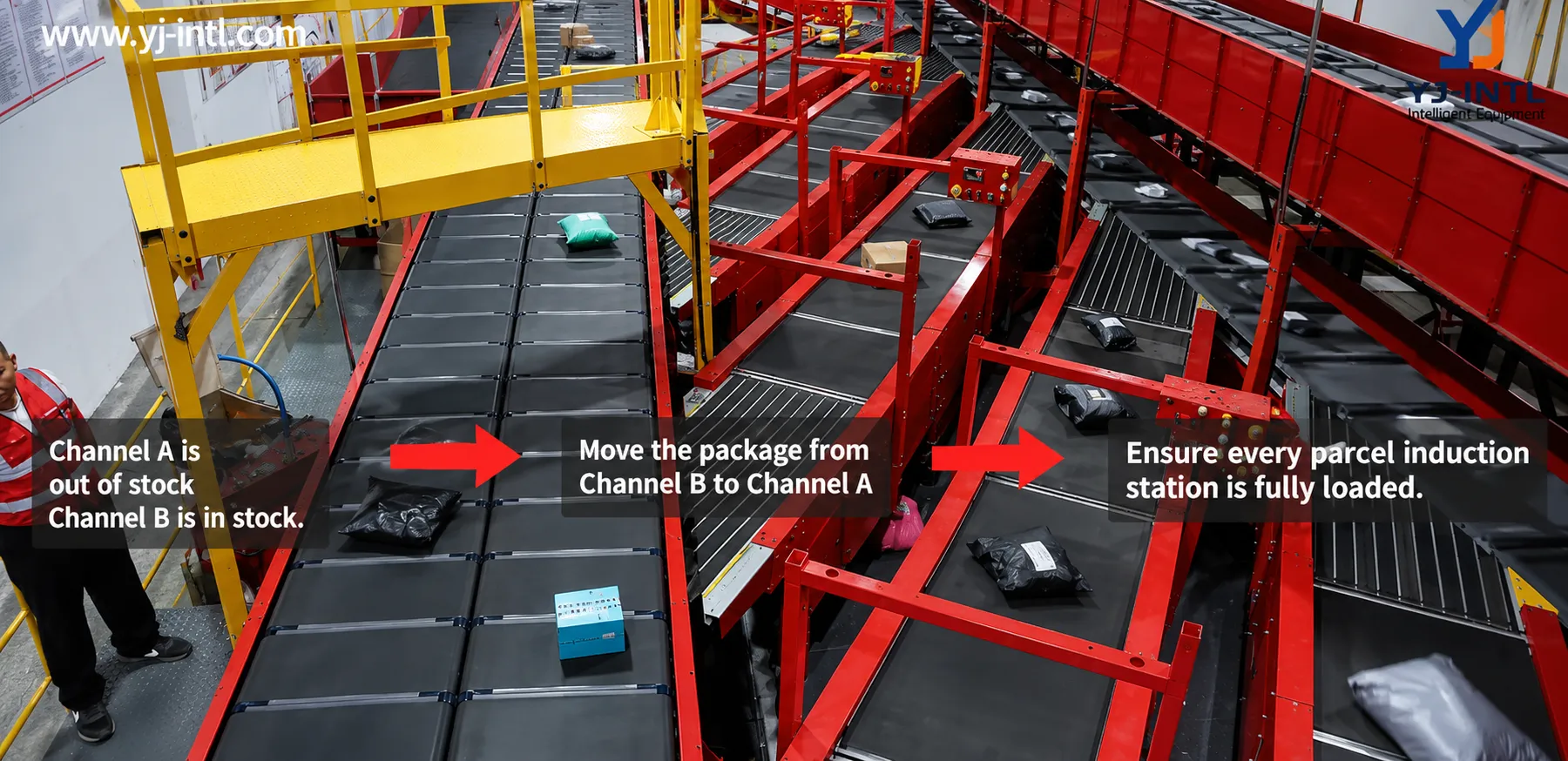
The system utilizes a dual-system 6-sided scanning array with 3D code reading and smart AI recognition. It reads waybills on top, bottom, and all four sides of a parcel simultaneously as it passes through the scanning tunnel, completely eliminating the need for workers to manually turn parcels over.
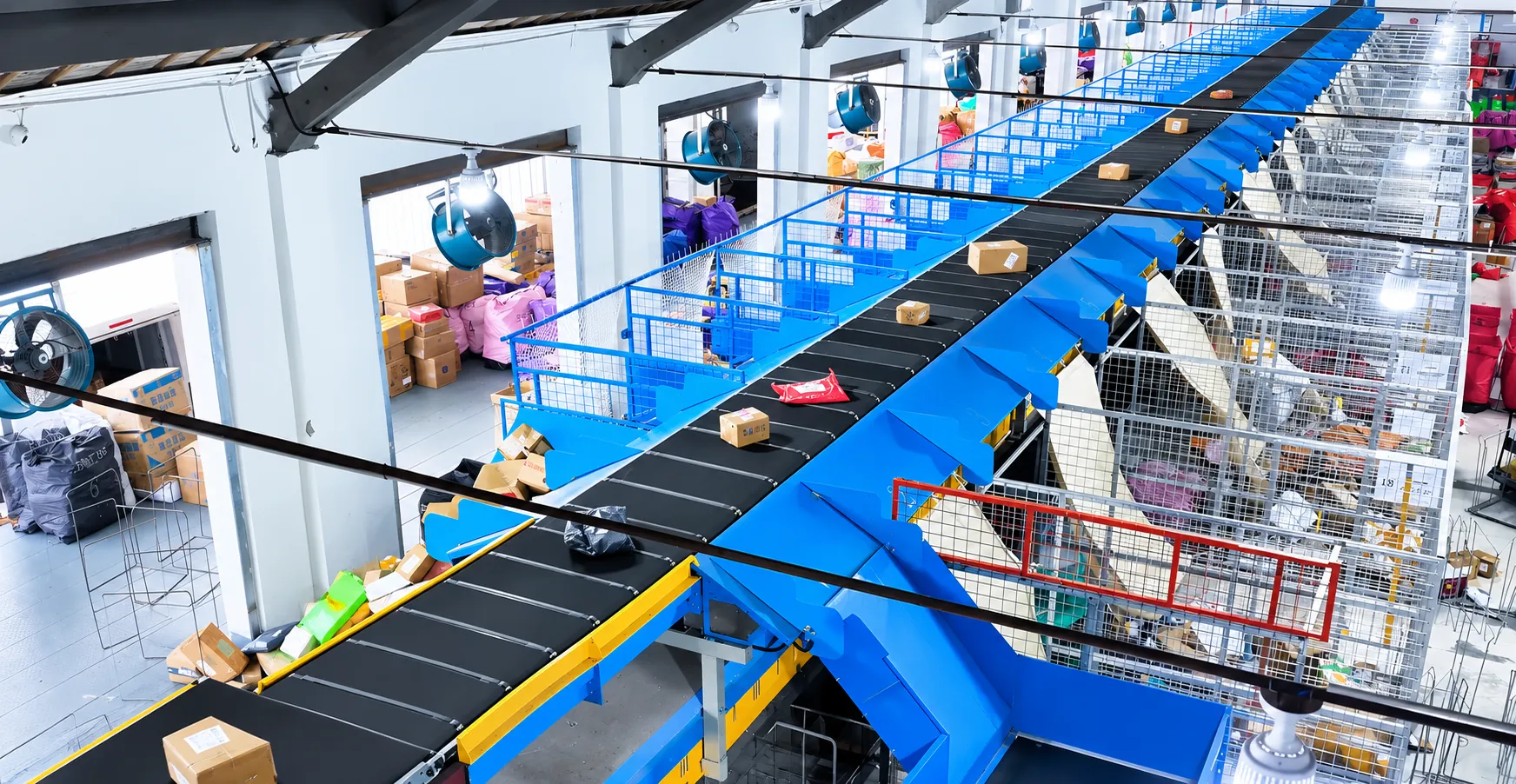
The front-end dual-channel de-stacking line uses automated mechanical separation modules and dynamic belt speed adjustments to singulate stacked cartons and polybags into single-file order before entering the scanning and loading stages.
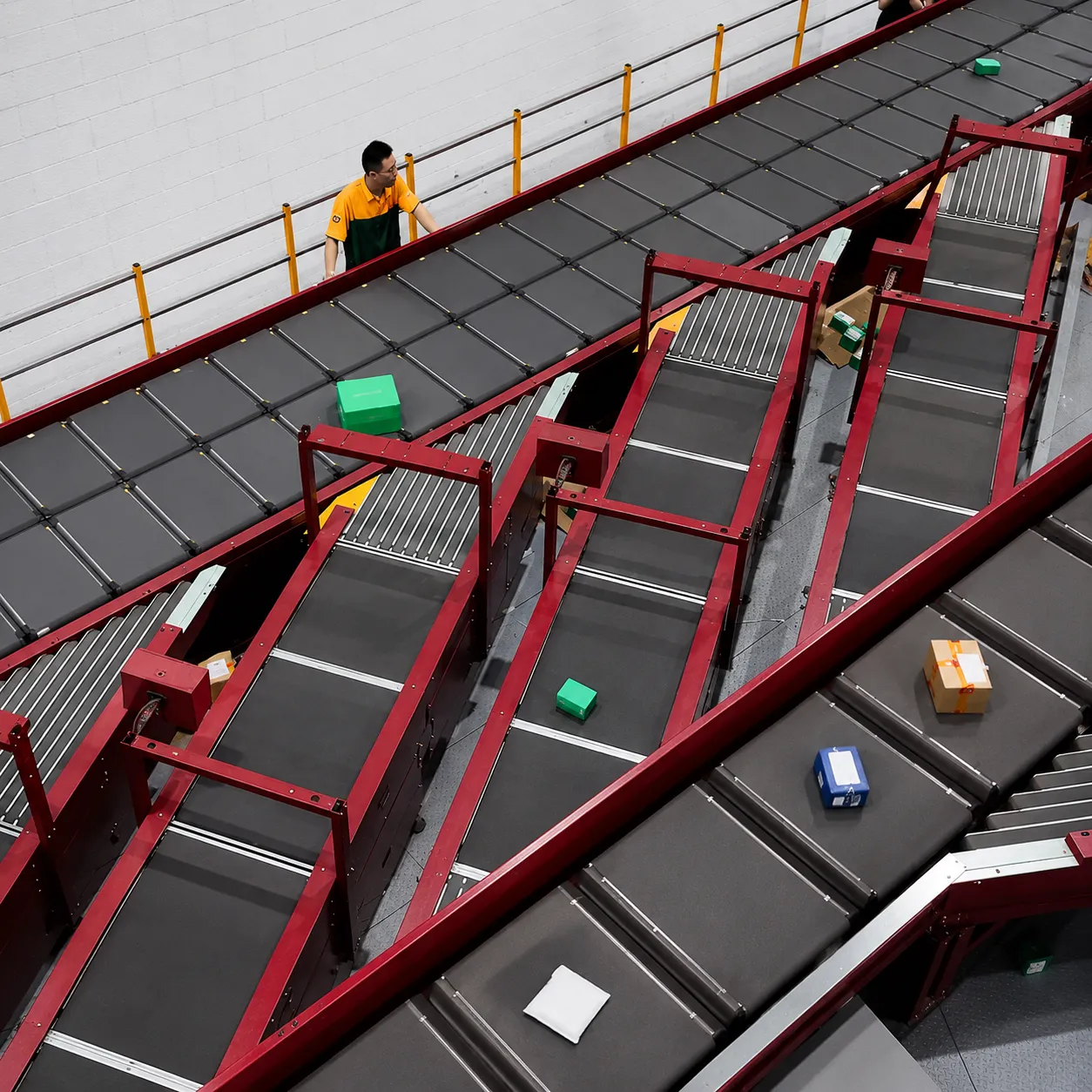
The system routes parcels via two distinct paths: the inner channel directly connects to induction tables 1, 2, and 3, while the outer channel transitions and merges into the inner flow to feed tables 4, 5, and 6. This staggered 6-stage timing ensures parcels are loaded smoothly onto empty sorter carts without collisions.
Dual-row narrow-belt carriers provide precise control over varying parcel sizes. Coupled with automatic centering sensors, they dynamically align each item to the center of the sorter cart, drastically reducing mis-sorts and package drops at high loop speeds.
Our engineering team is on standby 24/7 — get your first response in as fast as 3 minutes. Share your parcel profile, daily volume, and floor plan, and we'll design a tailored layout and quotation, the same way we did for this project.
LET'S AUTOMATELet's Talk