
Why Logistics Companies Need Automated Parcel Sorting Systems?

The logistics industry is experiencing rapid transformation. The continuous growth of e-commerce, cross-border trade, and express delivery services has significantly increased the number of parcels processed by distribution centers worldwide.
For many logistics companies, the biggest challenge is no longer simply transporting parcels. The real challenge is how to process higher volumes of packages faster, more accurately, and with greater operational stability.
Traditional manual sorting methods have supported logistics operations for many years. However, as parcel volumes continue to grow, many warehouses are facing increasing limitations:
High dependence on manual labor
Lower processing efficiency
Increased sorting errors
Difficulty handling peak seasons
Limited operational visibility
These challenges have accelerated the adoption of automated parcel sorting systems in modern logistics centers. But why are automated sorting systems becoming a necessary investment? How do they improve warehouse operations?And what role do they play in building the future of intelligent logistics?
This article explains the key reasons why logistics companies are adopting automated sorting technology and how it helps create more efficient, accurate, and scalable parcel handling operations.
Here is a polished and professionally optimized version of your text. It enhances clarity, strengthens the flow, and uses formatting to make the key points stand out.
Why Manual Parcel Sorting Is Becoming Unsustainable?
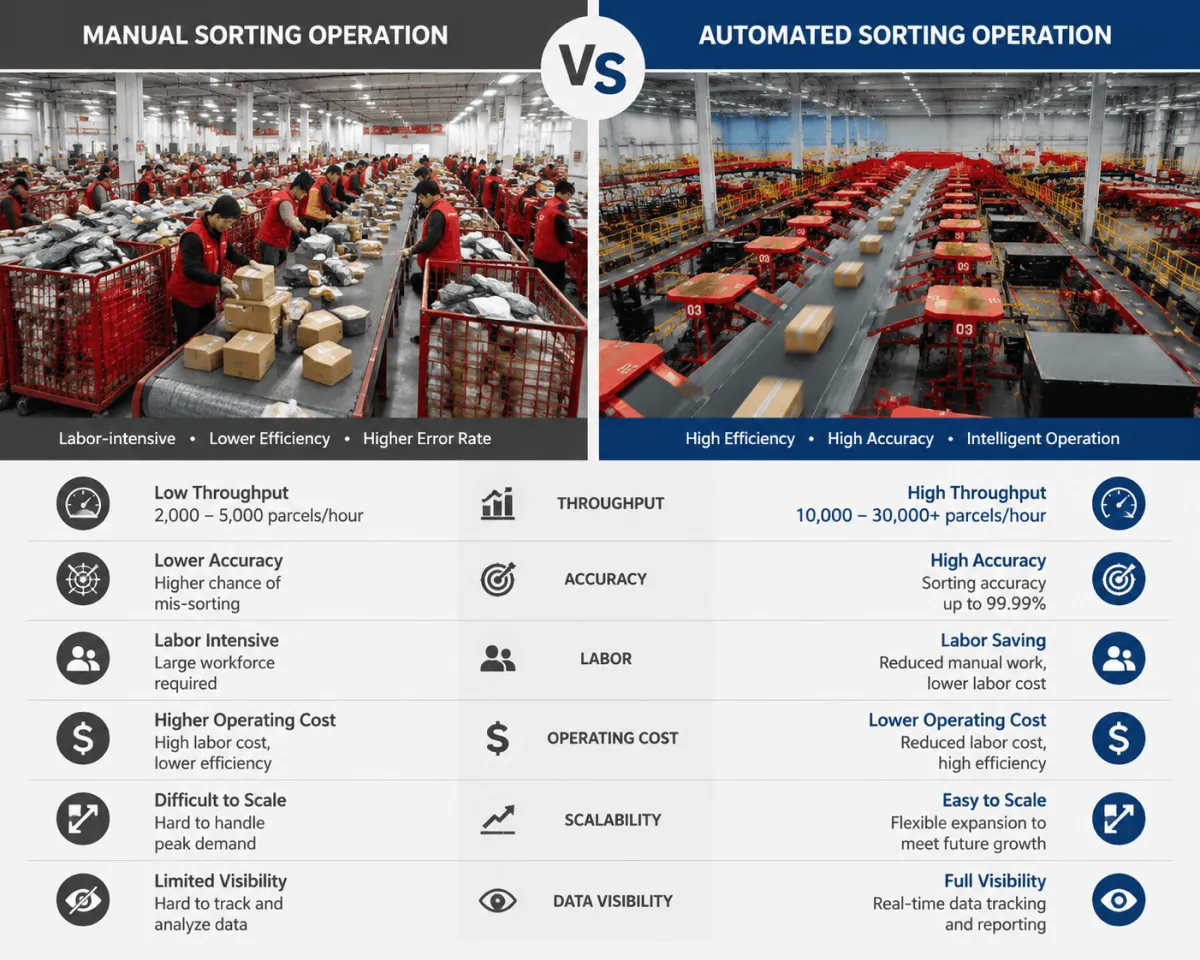
For years, manual sorting was the standard approach in logistics warehouses. Workers would identify package information, check destinations, and physically move items into designated processing areas. While this method can work for small-scale operations, it quickly breaks down when facilities must handle thousands—or even millions—of parcels daily.
Here are the three primary reasons why manual parcel sorting is becoming increasingly challenging:
1. Surging Parcel Volumes Create Unprecedented Pressure
The explosive growth of e-commerce has dramatically increased global parcel volumes. During peak shopping events and holiday seasons, logistics centers often experience volume spikes several times higher than normal operations.
Manual workflows frequently struggle to keep up, leading to:
- Long processing times and delayed dispatches
- Spiraling overtime costs to manage backlogs
- Systemic shipment delays that cascade through the supply chain
- Declining customer satisfaction
Industry Insight: For modern logistics hubs, transitioning to automated systems is no longer optional—it is essential for maintaining stable, scalable processing capacity.
2. Labor-Intensive Operations Drive Up Costs
Parcel sorting is inherently repetitive and physically demanding. Relying strictly on human labor for core tasks creates significant operational overhead:
- Parcel identification and data entry
- Destination classification
- Physical package movement and stacking
- Manual error correction and re-sorting
As labor shortages and wages rise globally, companies must adopt automated solutions to boost productivity and relieve operational pressure. Automation allows human workers to pivot toward higher-value roles, such as:
- Exception handling and troubleshooting
- System monitoring and maintenance
- Quality control and oversight
- Advanced warehouse management
3. Human Error Compromises Logistics Accuracy
Sorting accuracy directly dictates the quality of the customer experience. Errors in the sorting phase can trigger costly downstream effects:
- Missed delivery windows and delays
- Additional transportation and handling costs
- Increased customer complaints and support tickets
- Expensive reverse logistics and return processing
To combat this, modern facilities deploy automated sorting technologies—such as high-speed barcode scanners, OCR (Optical Character Recognition) recognition, automated dimensioning, and intelligent control systems—to drive accuracy rates as close to perfection as possible.
How Do Automated Parcel Sorting Systems Work?
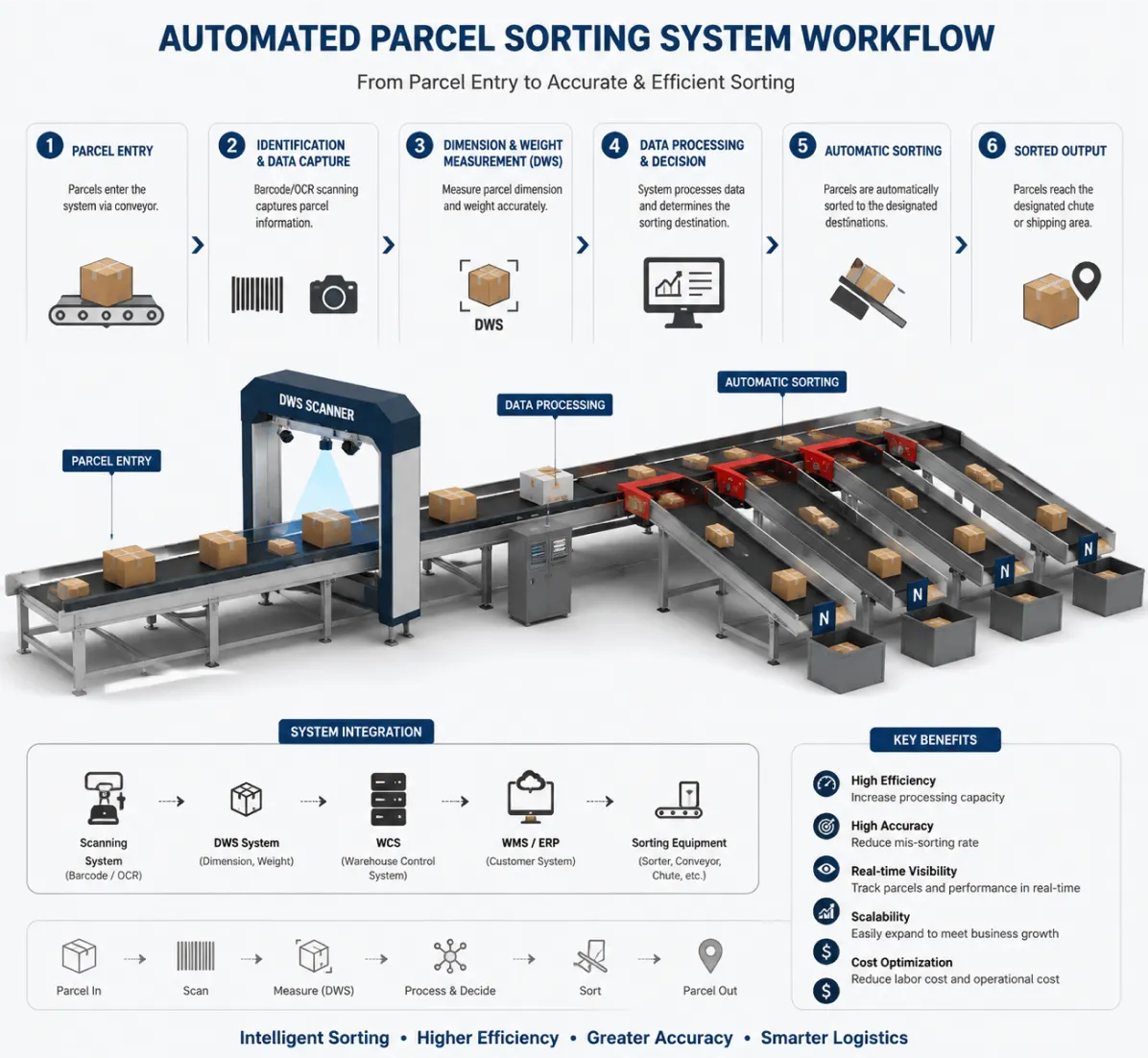
An automated parcel sorting system combines mechanical equipment, identification technology, and intelligent control software.
The basic workflow includes:
Step 1: Parcel Identification
When parcels enter the system, sensors and scanning devices collect information including:
- Barcode data
- Parcel dimensions
- Weight information
- Destination information
Common technologies include:
- Barcode scanners
- OCR cameras
- DWS (Dimension Weight Scanning)
Step 2: Intelligent Decision Making
After information collection, the control system determines where each parcel should be sorted.
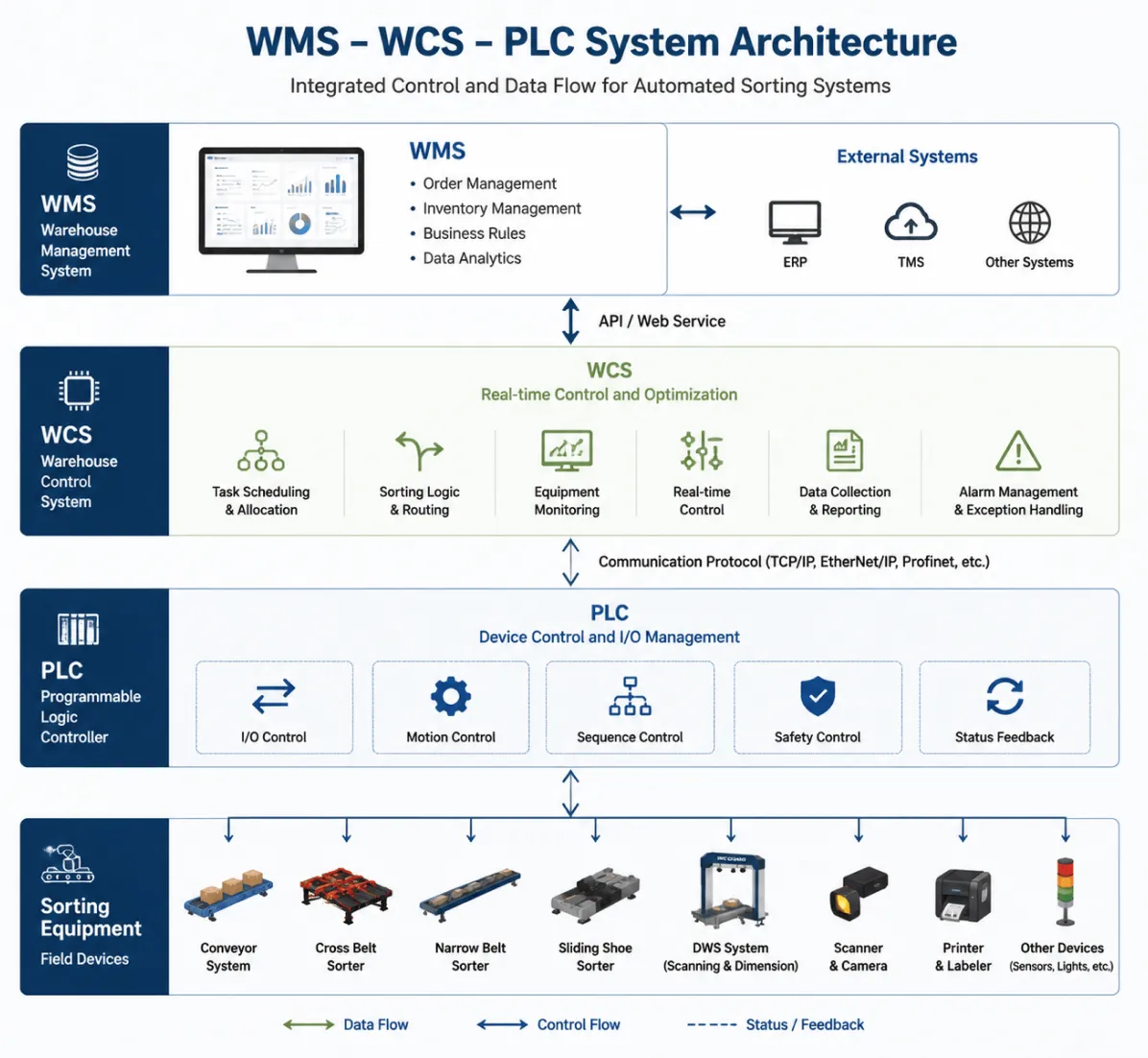
The WCS (Warehouse Control System) communicates with:
- WMS
- ERP systems
- Sorting equipment
The system calculates:
- Sorting destination
- Transport path
- Timing sequence
Step 3: Automatic Sorting
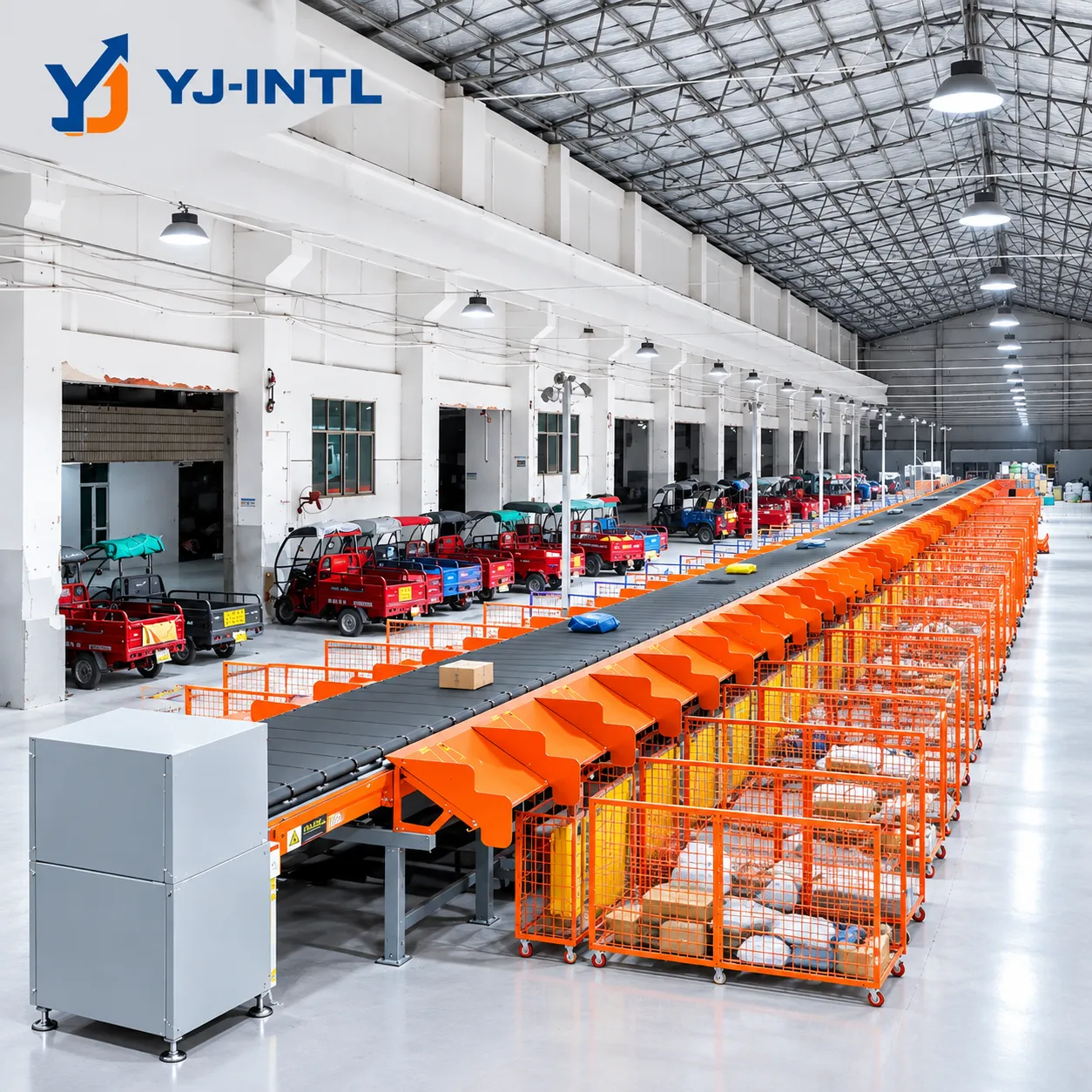
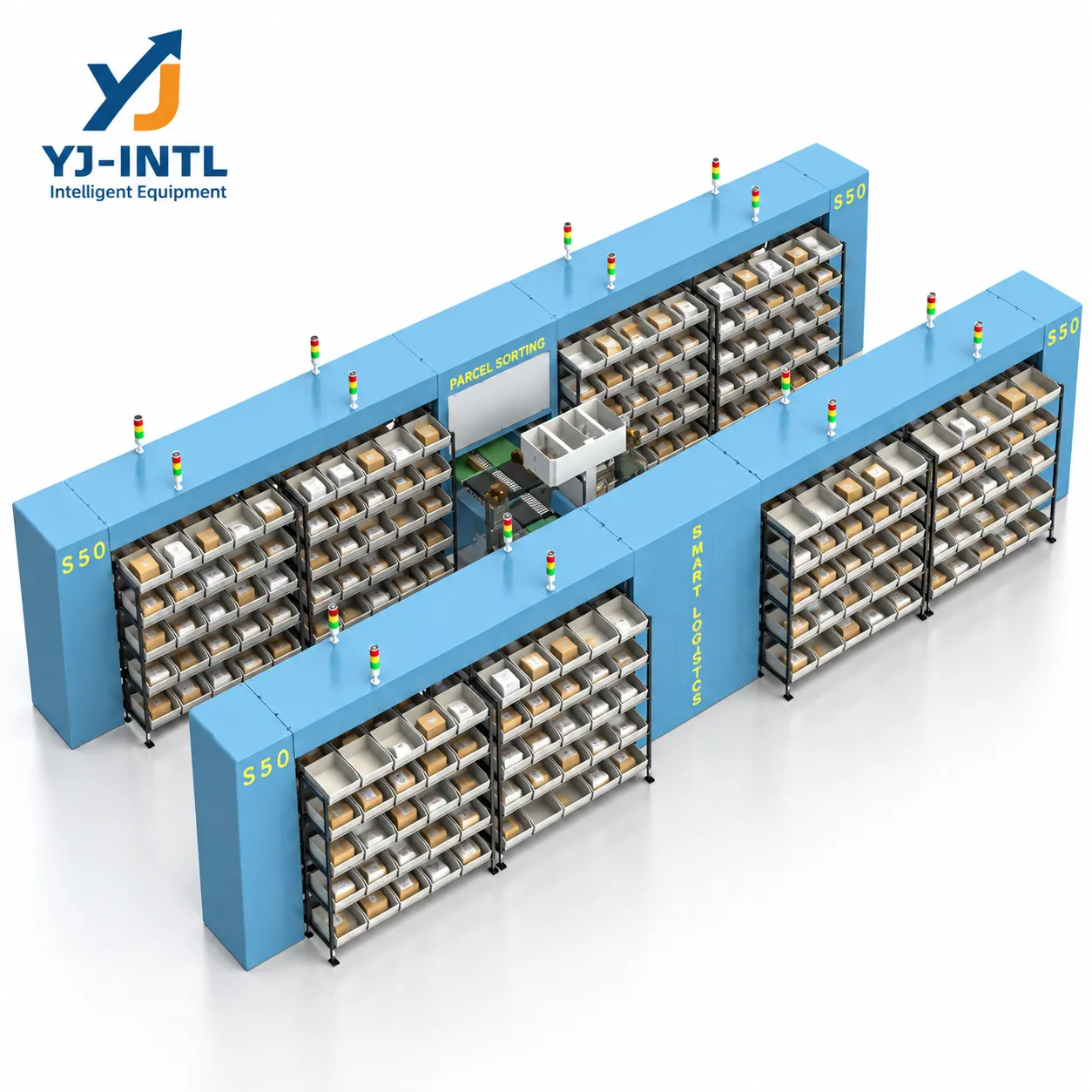
The sorting equipment automatically transfers parcels to the correct destination.
Common sorting technologies include:
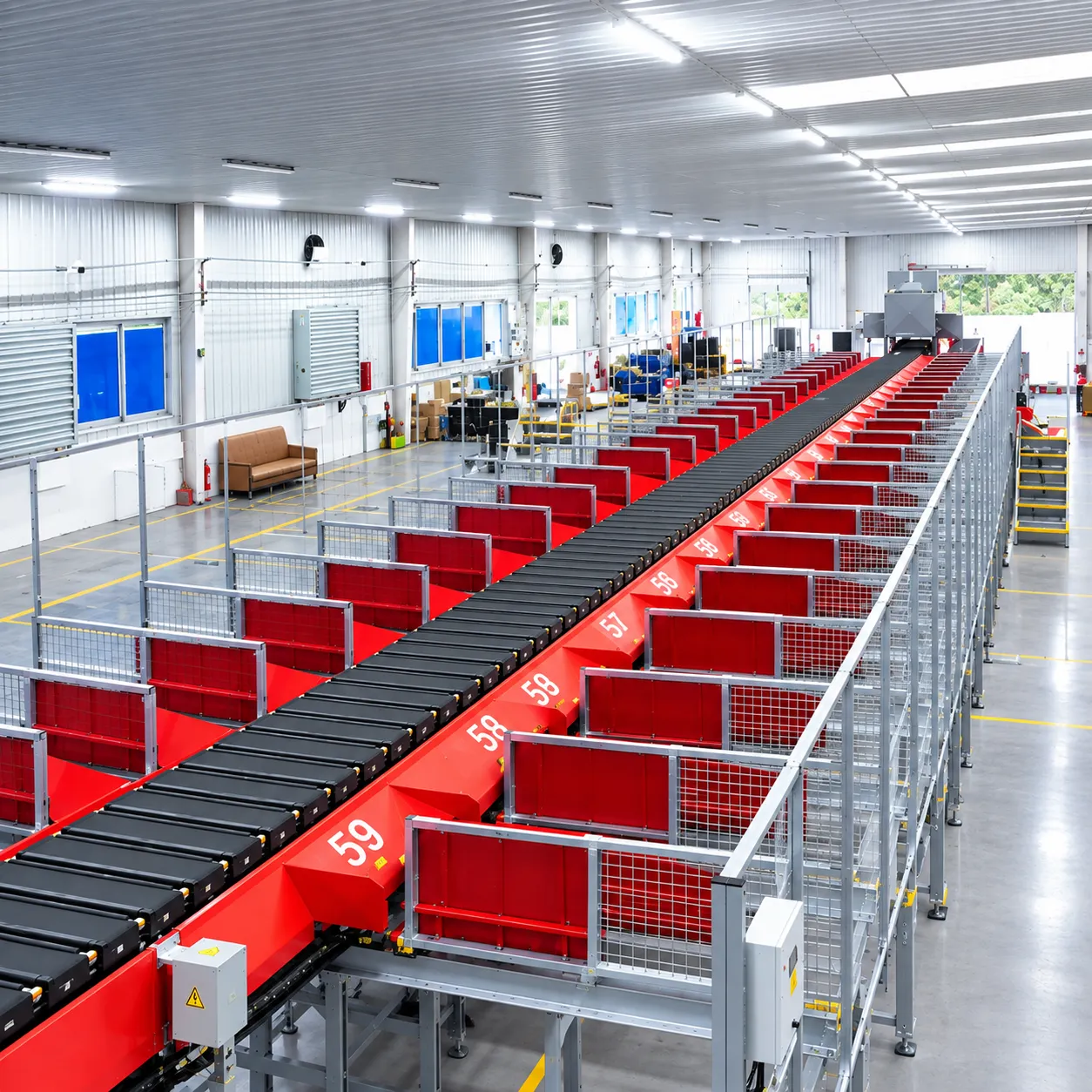
- Cross Belt Sorter
- Narrow Belt Sorter
- Sliding Shoe Sorter
- Pop-up Sorter
What Benefits Can Automated Sorting Systems Bring to Logistics Companies?
Higher Processing Efficiency
Automation enables continuous operation and stable throughput. Compared with manual sorting, automated systems can significantly improve:
- Parcels processed per hour
- Operational consistency
- Peak season capability
Improved Sorting Accuracy
Automated systems reduce human dependency.
Benefits include:
- Fewer mis-sorted parcels
- Better delivery reliability
- Improved customer experience
Better Warehouse Scalability
A well-designed automated sorting system can expand with business growth.
Companies can add:
- More sorting destinations
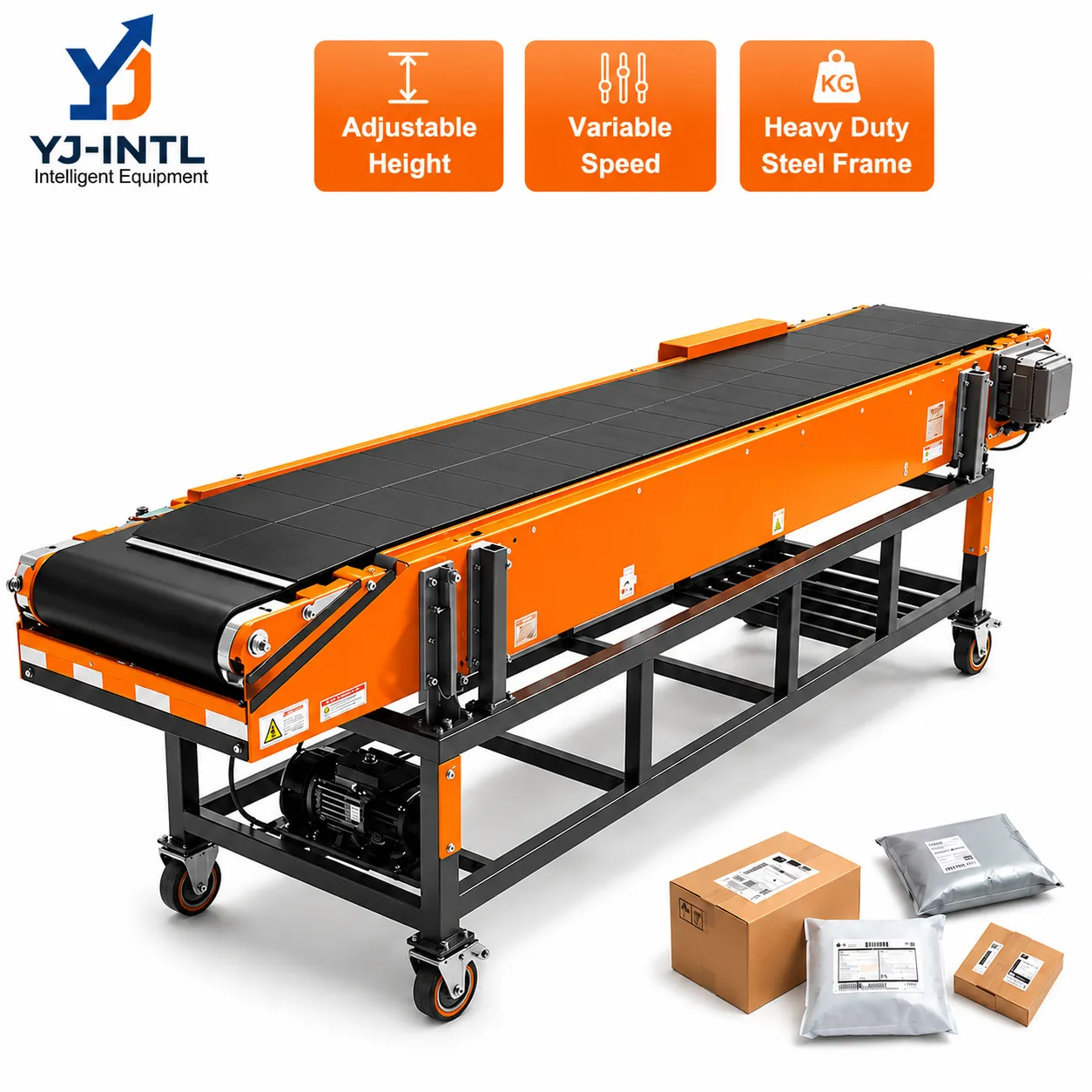
- Additional conveyors
- Software upgrades
Improved Data Visibility
Automation provides operational data including:
- Parcel volume
- Processing speed
- Sorting performance
- System status
This helps managers make better operational decisions.
Where Are Automated Parcel Sorting Systems Used?
Courier & Express Industry
Large express companies use automated sorting systems to process massive daily parcel volumes.
Applications:
- Distribution hubs
- Regional sorting centers
- Last-mile facilities
E-commerce Fulfillment Centers
Online retailers require fast and accurate parcel processing.
Automation supports:
- Order fulfillment
- Multi-channel distribution
- Peak season operations
Third-Party Logistics (3PL)
3PL companies need flexible systems to serve multiple customers.
Automation helps improve:
- Service capability
- Operational efficiency
- Customer satisfaction
What Is the Future of Automated Parcel Sorting?
The next generation of logistics automation will continue moving toward intelligence.
Future developments include:
Artificial Intelligence Recognition
AI will improve:
- Parcel identification
- Exception handling
- Decision making
Digital Twin Technology
Digital simulation helps companies:
- Optimize layouts
- Predict performance
- Reduce implementation risks
Robotics Integration
Future warehouses will combine:
- Sorting systems
- AMRs
- Robotic handling
- Intelligent software
FAQ
Why are logistics companies adopting automated sorting systems?
Because increasing parcel volumes, labor challenges, and customer delivery expectations require more efficient and accurate sorting operations.
Can automated sorting systems replace manual workers?
Automation reduces repetitive tasks but still requires operators for monitoring, maintenance, and exception handling.
What industries use automated parcel sorting systems?
Common applications include:
- Express delivery
- E-commerce
- 3PL logistics
- Manufacturing logistics
How does automation improve sorting accuracy?
Automated systems use barcode scanning, OCR, DWS measurement, and intelligent control software to reduce manual errors.
What is the role of WCS in automated sorting?
WCS coordinates warehouse software and sorting equipment to ensure accurate parcel routing and efficient operation.
Are automated sorting systems suitable for all warehouses?
Solutions can be customized based on:
- Parcel volume
- Warehouse size
- Sorting requirements
- Business objectives