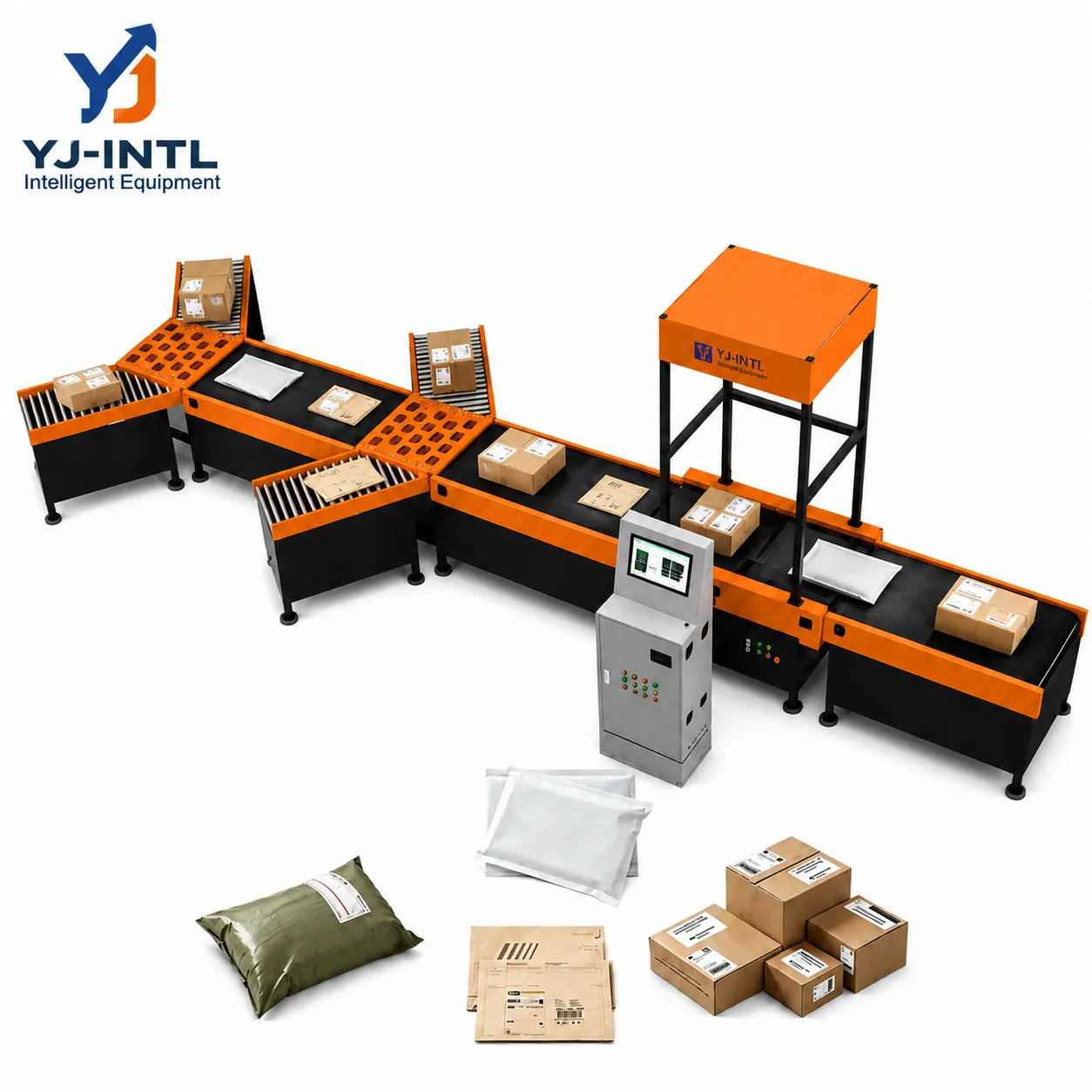
Dynamic DWS Sorting Line with Swivel Wheels | Parcel Routing
Three-stage dynamic DWS With Smart Wheel Sorting Line
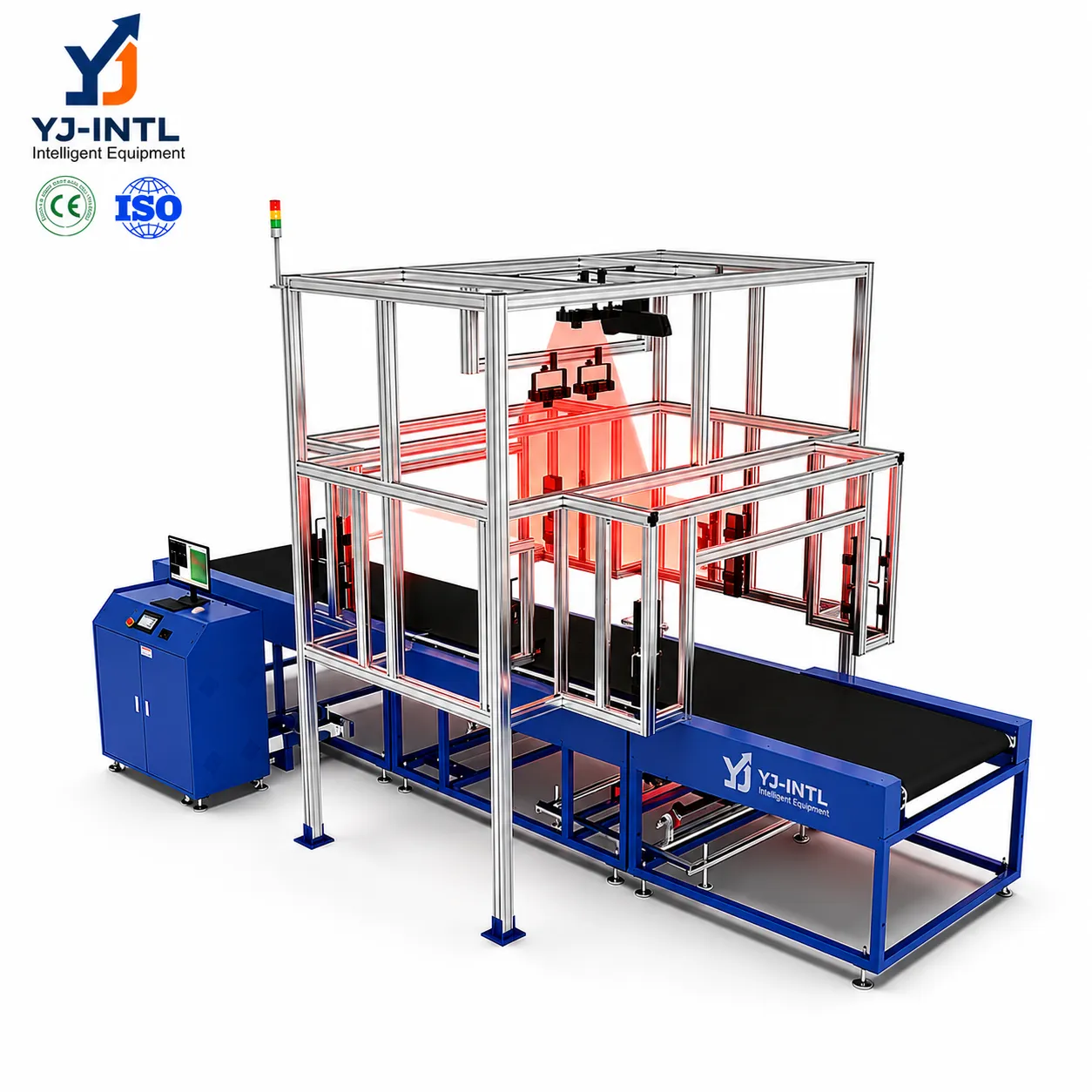
The three-stage Dynamic DWS intelligent wheel-sorter line is an integrated parcel processing system designed for operations that require linking parcel data with physical routing paths.
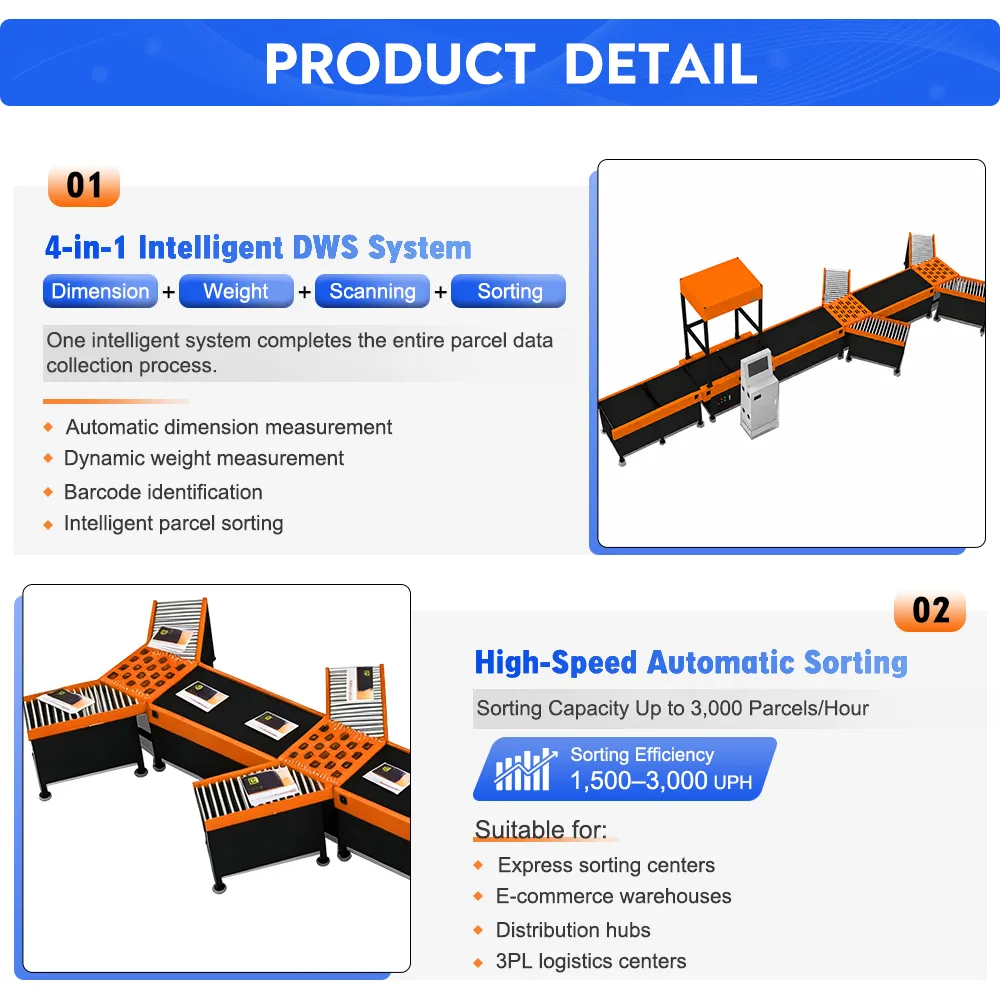
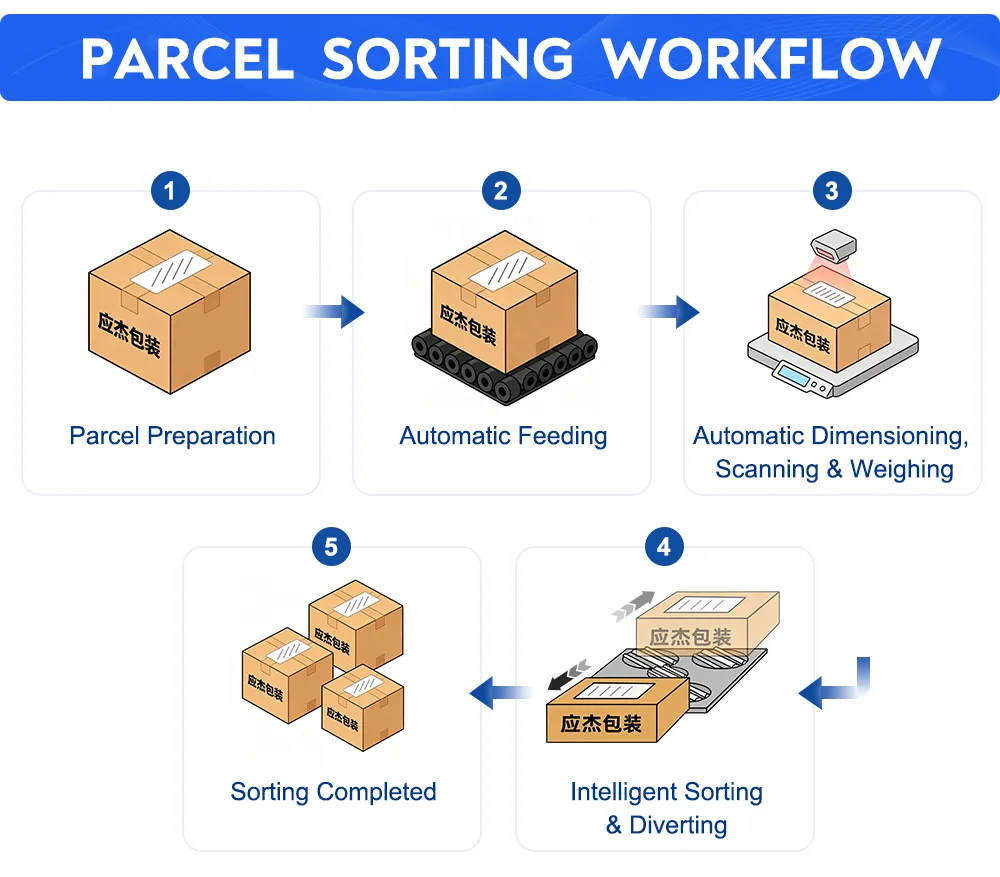
Moving away from the traditional approach of treating measurement and sorting as separate steps, this system seamlessly integrates dynamic parcel data capture with subsequent wheel-based diversion: upon entering the line, parcels pass through the measurement and identification zone before proceeding directly to their designated sorting destinations.
This configuration is ideal for fulfillment centers, parcel delivery hubs, and automated warehouses, meeting the need for continuous material flow, destination-based routing, and structured parcel data management within a single processing workflow.
- Continuous Parcel Flow
- Dynamic Package Measurement
- Automated Destination Routing
- Swivel Wheel Diversion
- Integrated Conveyor Architecture
- Reduced Manual Handoffs
- Flexible Sorting Configuration
- System-Level Automation
Technical Specifications
| Parameter | Specification |
|---|---|
| Product Type | Dynamic DWS Smart Wheel Sorting Line |
| Processing Mode | Continuous / In-Motion |
| Parcel Identification | Barcode / Configurable |
| Weighing | Dynamic |
| Dimensioning | Dynamic |
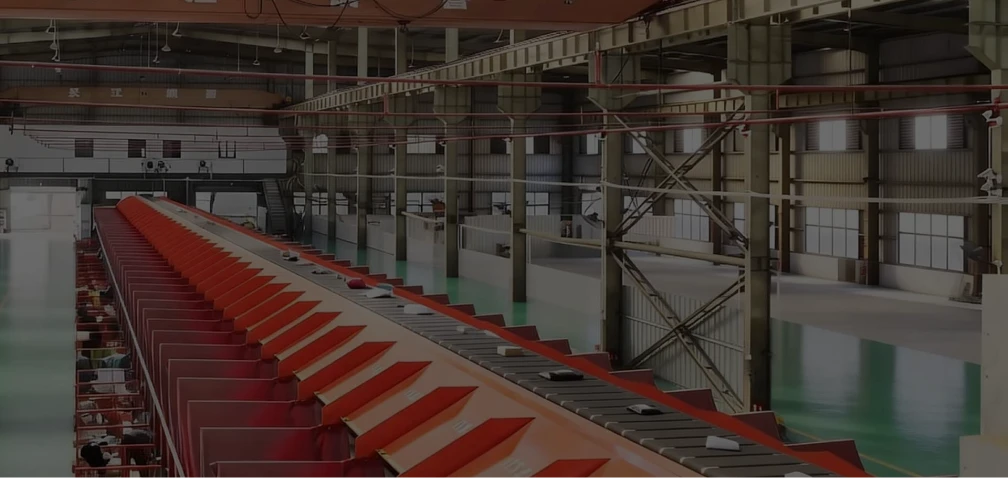
| Sorting Technology | Swivel Wheel Diversion |
| Conveyor Structure | Modular |
| Routing Destinations | Customized |
| Parcel Tracking | Supported |
| Control Architecture | Project Based |
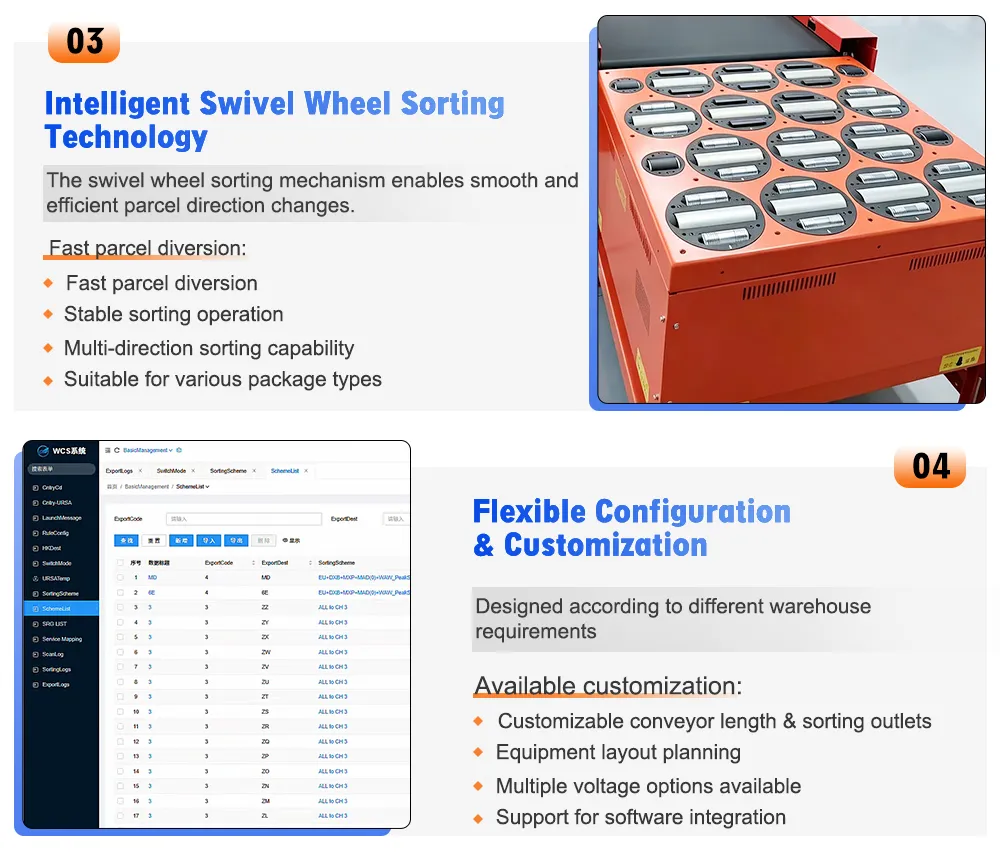
| WMS Integration | Available |
| WCS Integration | Available |
| Conveyor Interface | Customized |
| Throughput | Project Based |
| Parcel Range | Project Based |
| Installation Layout | Customized |
Details
Single Line from Parcel Entry to Destination Routing
The Dynamic DWS Smart Wheel Sorting Line is built around one practical idea: the parcel should not lose its identity while moving through the handling process.
Once the package enters the line, the system can associate the physical parcel with the information required for downstream routing. The package continues through the conveyor network until the corresponding sorting point is reached.
The wheel section then performs the physical diversion required by the routing instruction.
This creates a complete chain:
Parcel → Identification → Measurement → Routing Logic → Destination
Rather than adding separate manual transfer points between DWS and sorting equipment, the integrated line keeps these activities connected.
Product Advantages
01. One Continuous Handling Path
The system keeps the parcel on the conveyor throughout the core processing sequence.
This reduces unnecessary handoffs between measurement, decision-making and sorting operations.
Operational value
- Fewer transfer points
- Simpler material flow
- Reduced manual repositioning
- Easier process control
02. Information Stays with the Parcel
The DWS section creates a digital record for the physical package while it is moving.
That record can be associated with:
- Parcel ID
- Weight
- Dimensions
- Routing information
- Sorting result
The benefit is not simply collecting data, but keeping the information connected to the parcel until the routing decision is completed.
03. Routing Happens Within the Same Line
Once the routing instruction has been determined, the package continues toward its assigned outlet without requiring a separate manual transfer.
The swivel wheel section provides the final physical movement required to send the parcel to the correct route.
04. Designed for Mixed Parcel Streams
In real distribution environments, incoming parcels are rarely identical.
They may arrive with differences in:
- Size
- Weight
- Shape
- Label orientation
- Packaging style
The integrated DWS and sorting architecture provides a way to process these items through one controlled workflow, subject to the selected equipment configuration.
05. Sorting Logic Can Follow the Business Rule
The destination does not have to represent only a physical location.
The sorting rule can be configured around the customer's operational logic, such as:
- Delivery zone
- Route
- Customer
- Order category
- Service level
- Outbound lane
This makes the system a routing solution, not simply a conveyor with a diversion mechanism.
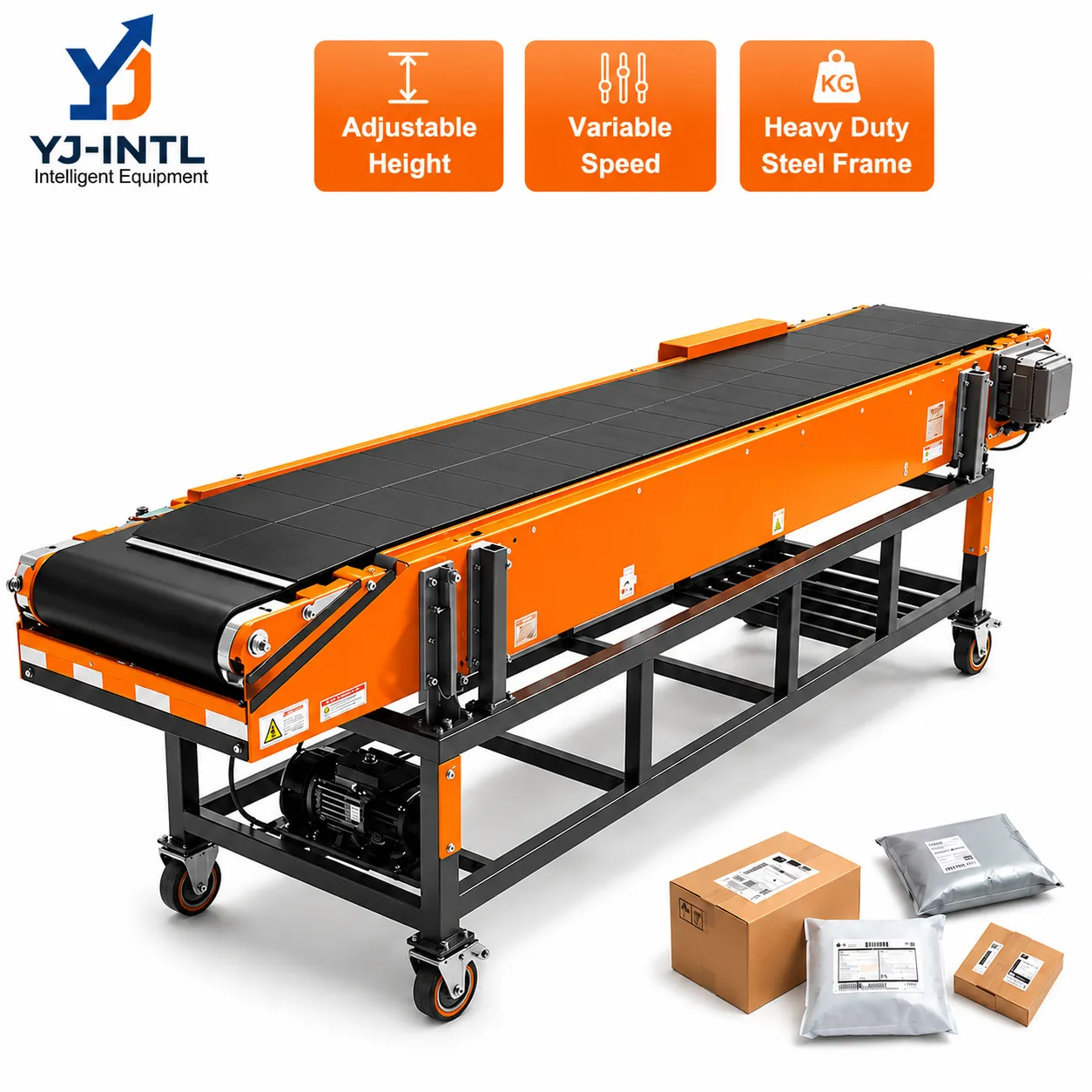
06. Modular Conveyor Architecture
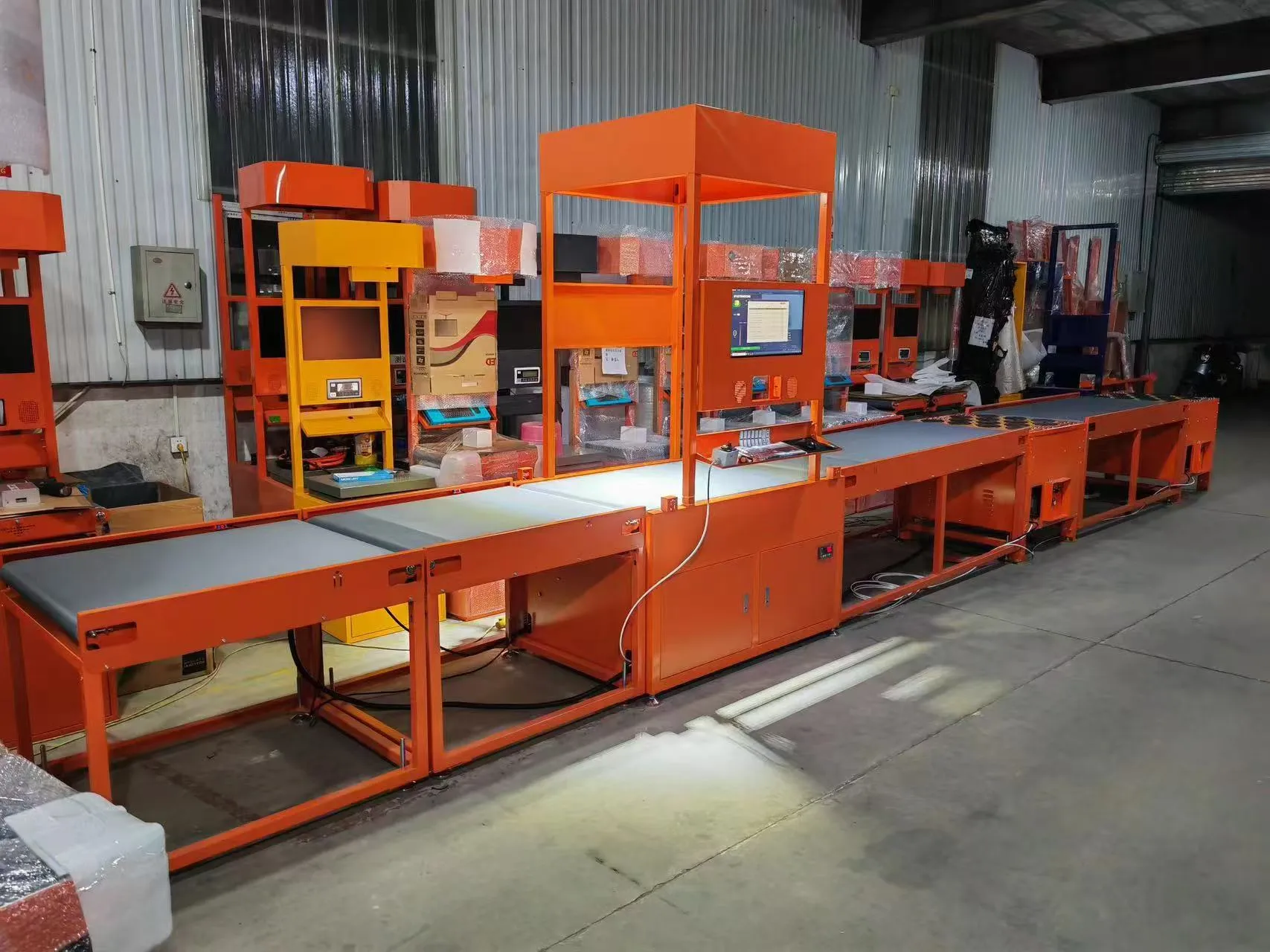
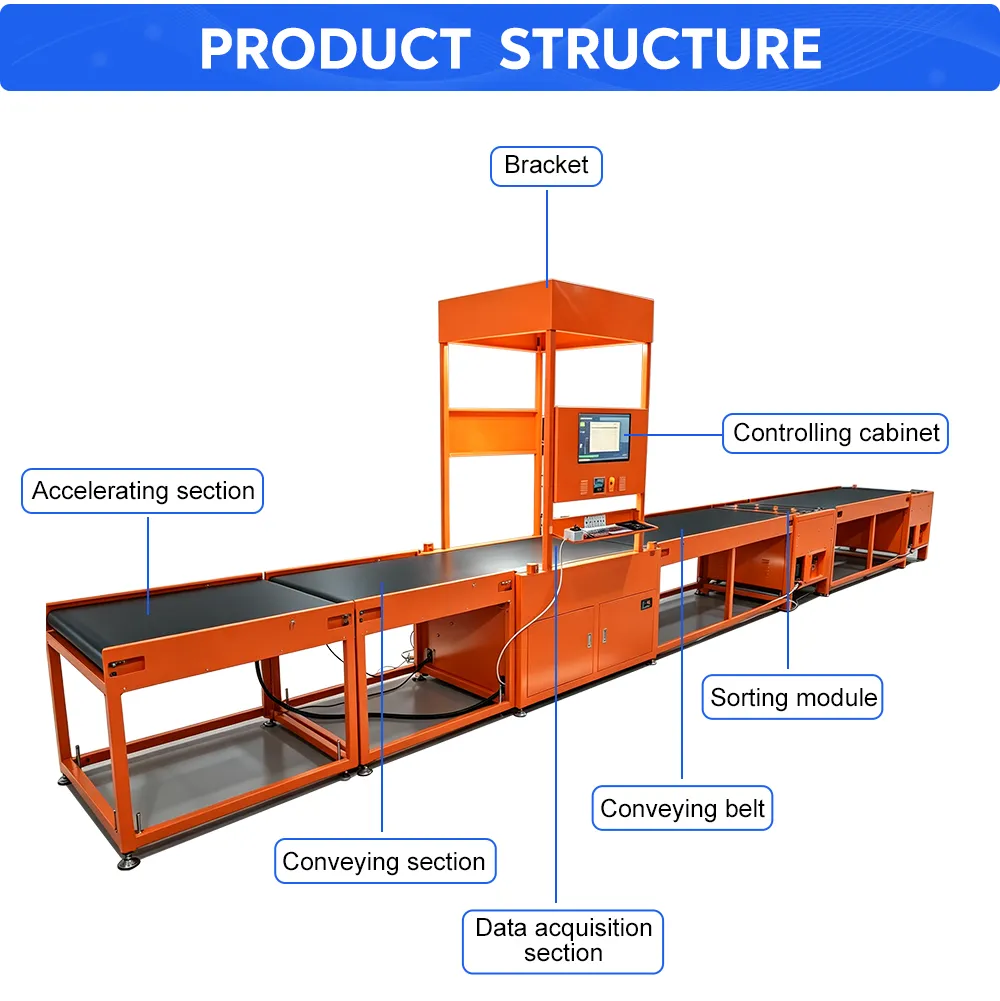
The source product layout shows the DWS, transfer conveyor and wheel sorting area as connected modules.
This allows the line to be arranged according to:
- Available floor space
- Infeed position
- Sorting direction
- Number of outlets
- Downstream conveyor
- Existing automation equipment
07. Easier Expansion for Process Changes
When the number of routes or downstream operations changes, a modular sorting line can be modified around the existing process structure instead of rebuilding the entire material-flow concept from scratch.
The exact expansion method depends on the original mechanical and control architecture.
Parcel Sorting Workflow
Dynamic DWS System Structure
FAQ
The main benefit is the direct connection between parcel information and physical routing. This reduces unnecessary handoffs and allows measurement and sorting to operate as one coordinated workflow.
Yes. The Dynamic DWS configuration is designed to collect parcel information while the package continues moving through the conveyor system.
The parcel is identified and measured first, and the control system associates the parcel information with a predefined routing rule. The corresponding destination is then assigned before the parcel reaches the sorting section.
Yes. Sorting rules can be configured according to destination, route, delivery area, customer, service type, outbound lane or other customer-defined logic.
The applicable parcel range depends on package dimensions, weight, shape, bottom condition, conveyor configuration and the selected DWS and wheel sorting equipment. Product samples are recommended when parcel characteristics vary significantly.
Yes. The number and arrangement of destinations can be designed according to the required routing logic, warehouse layout and downstream process.
Yes. WMS and WCS integration can be implemented according to the customer's software architecture and interface requirements.
Yes. The system can be engineered to connect with existing conveyors where the conveyor dimensions, height, control architecture and material flow are compatible.
Key inputs include parcel dimensions, weight range, package type, barcode characteristics, throughput target, parcel spacing, destination quantity, conveyor layout, downstream equipment and WMS/WCS requirements.
Yes. The integrated design is especially useful for e-commerce fulfillment, express distribution, 3PL warehouses and other operations where parcel data and physical routing need to be connected.