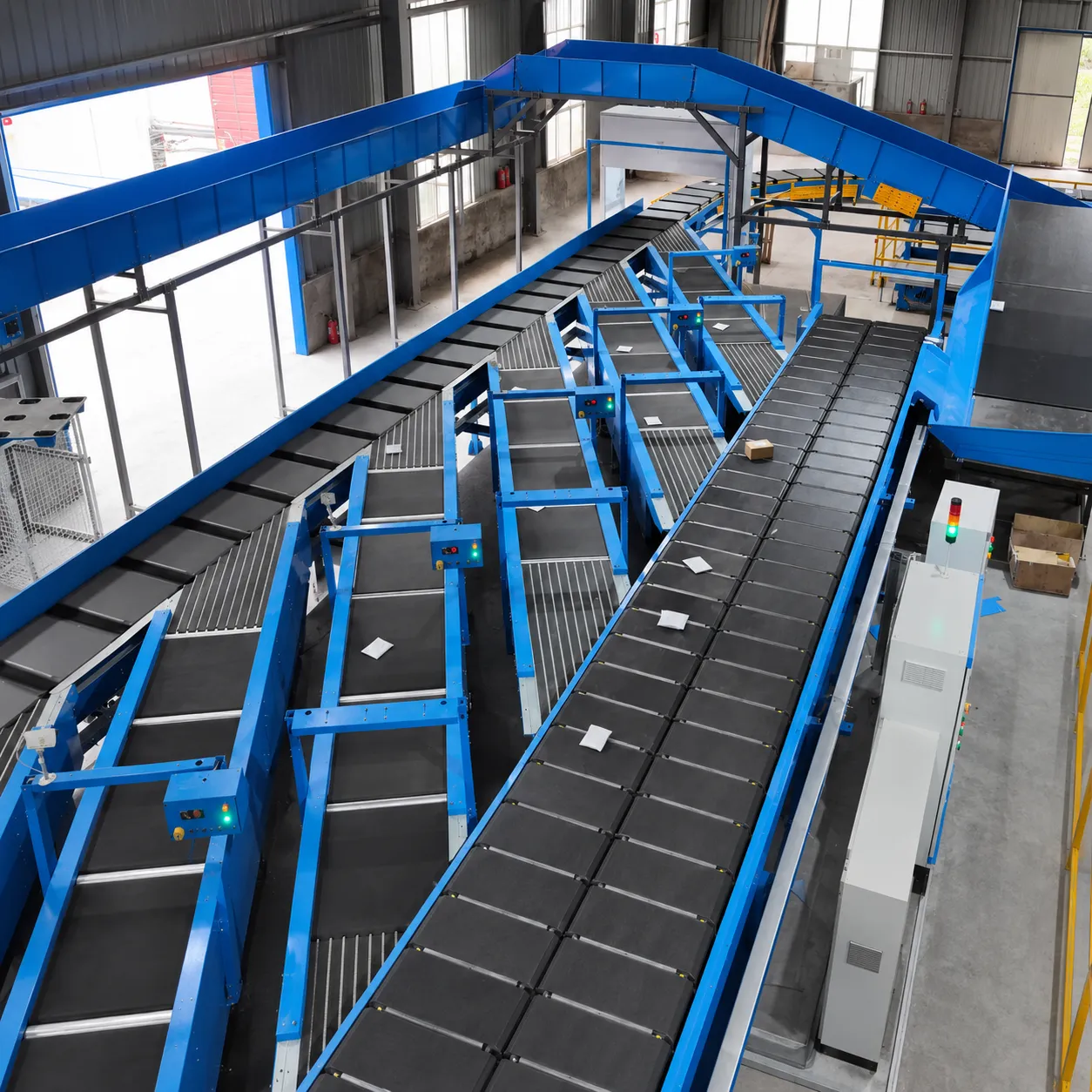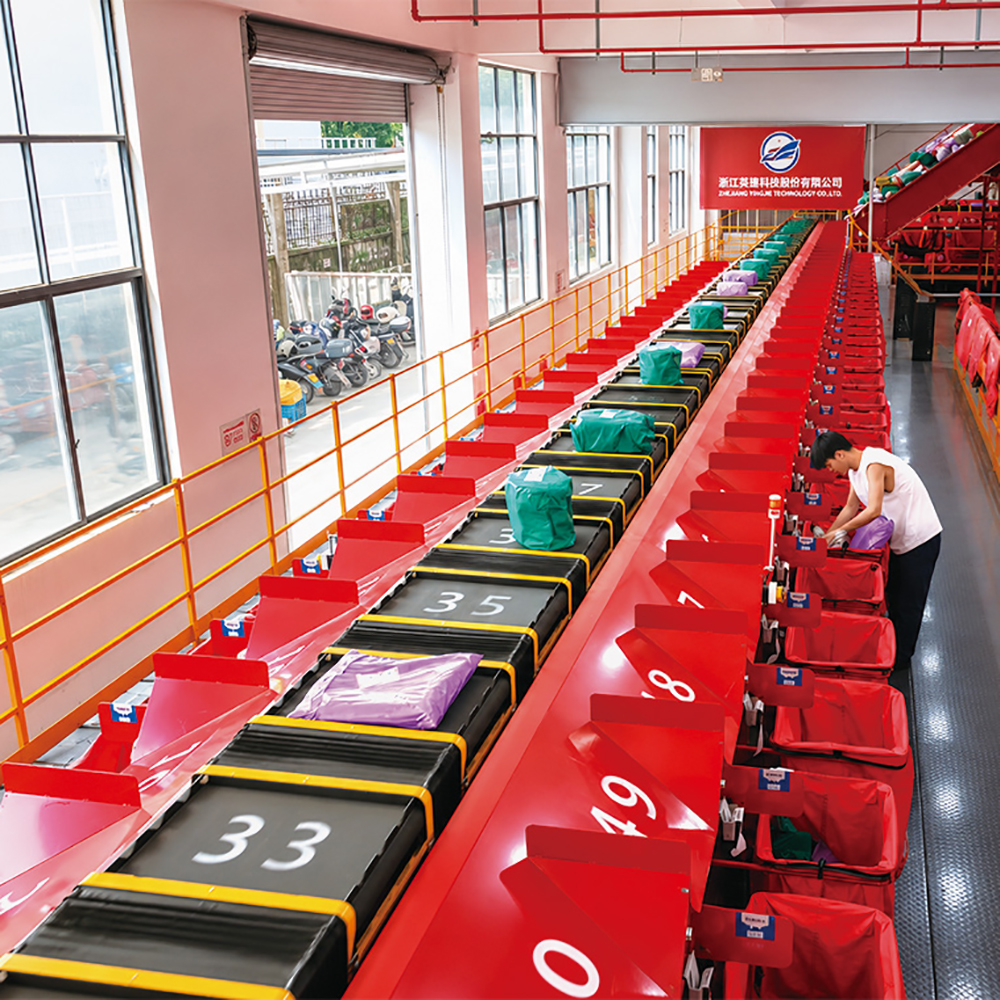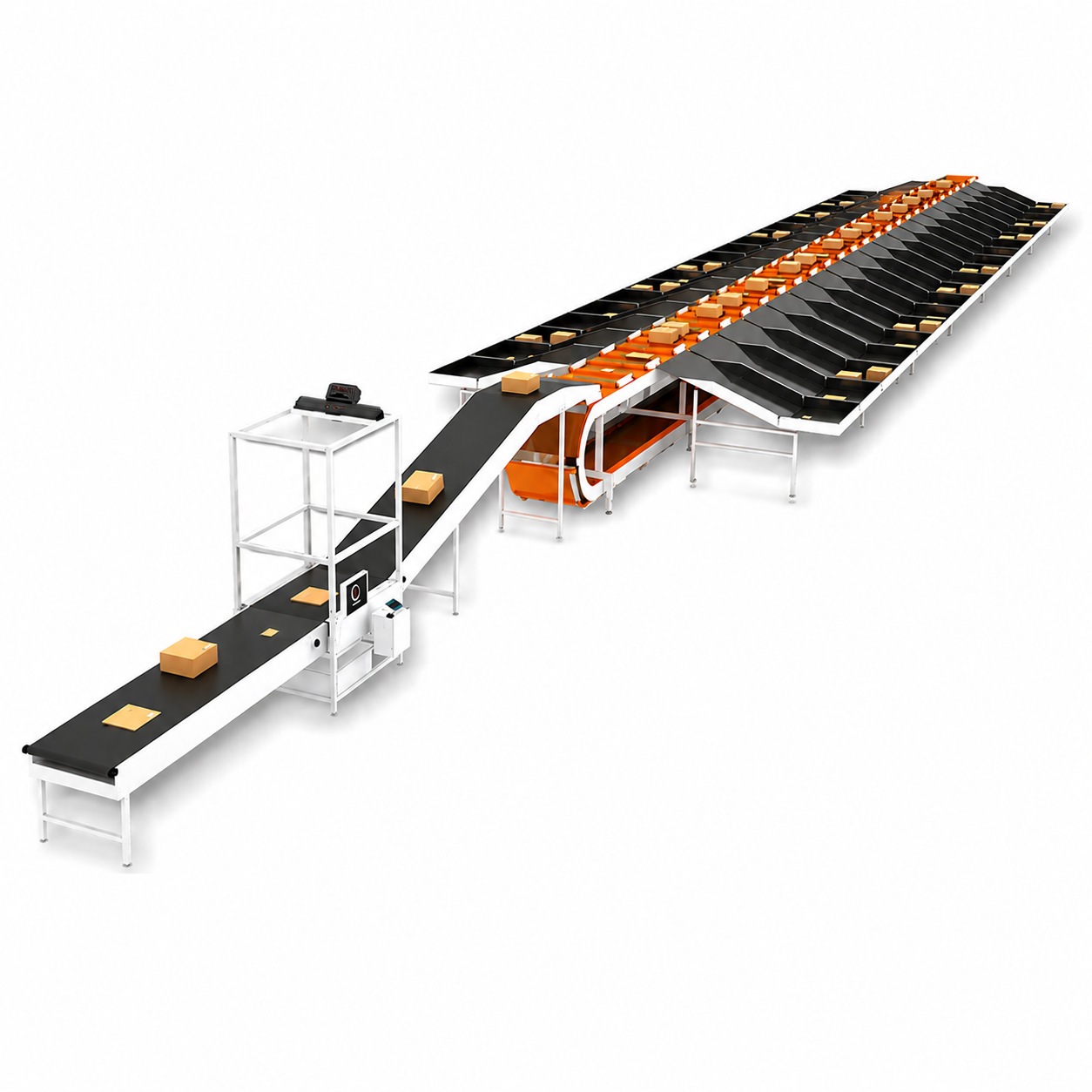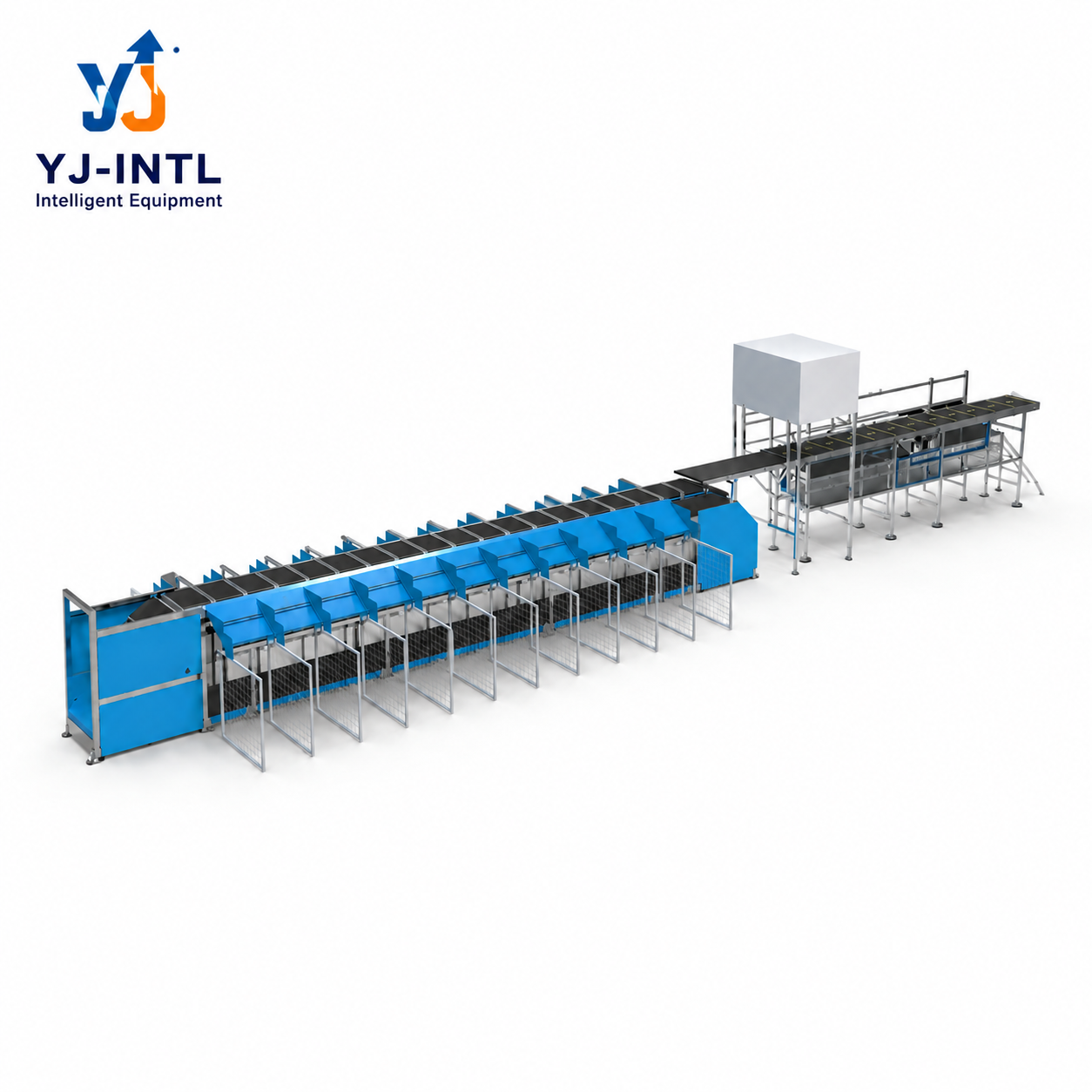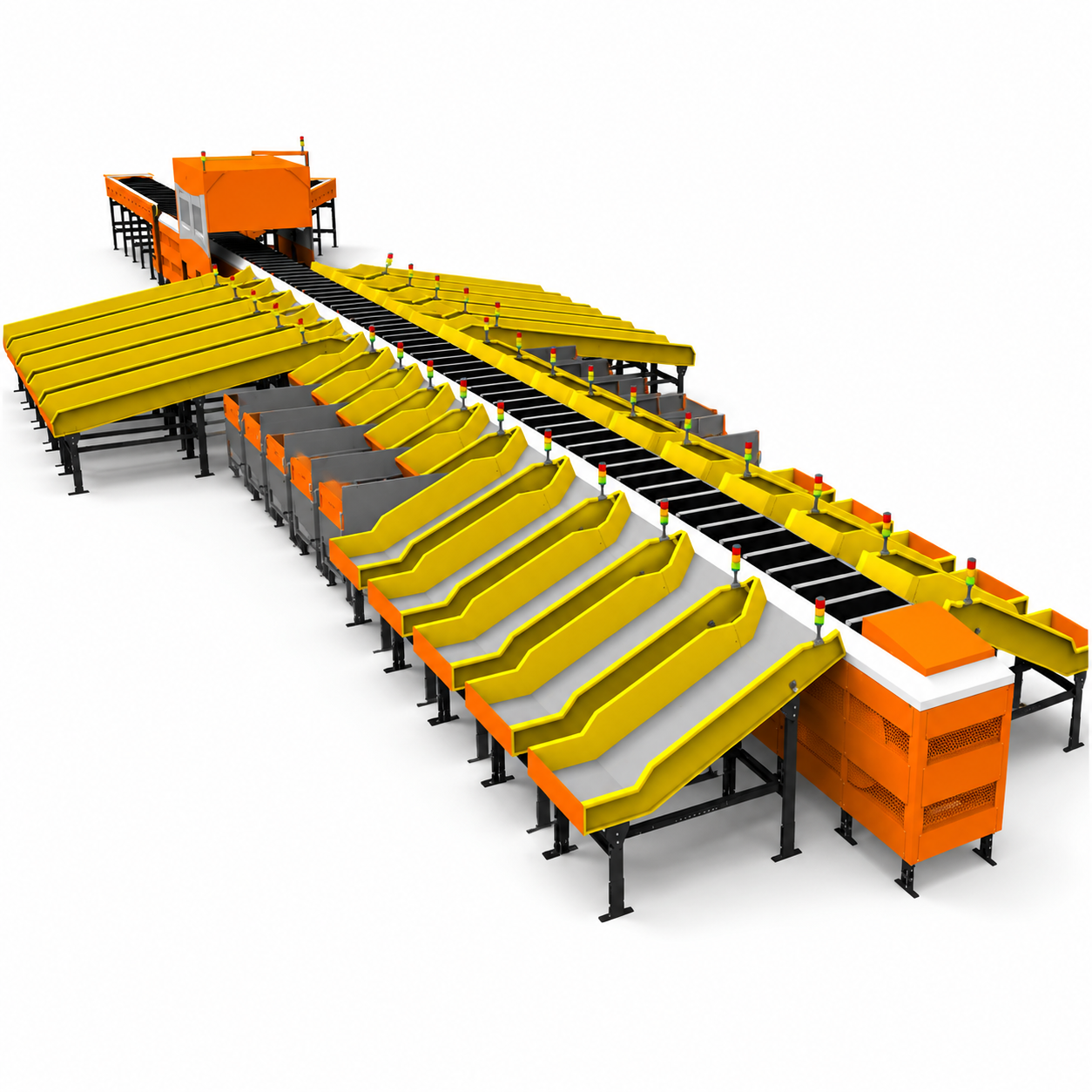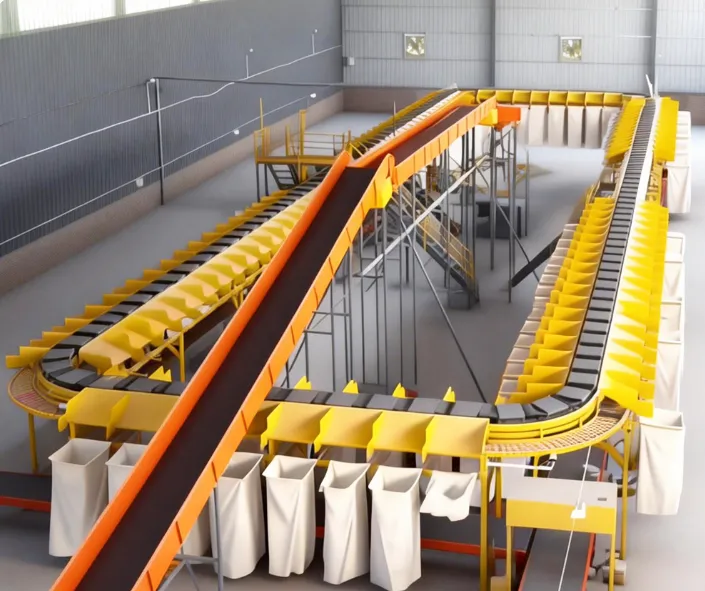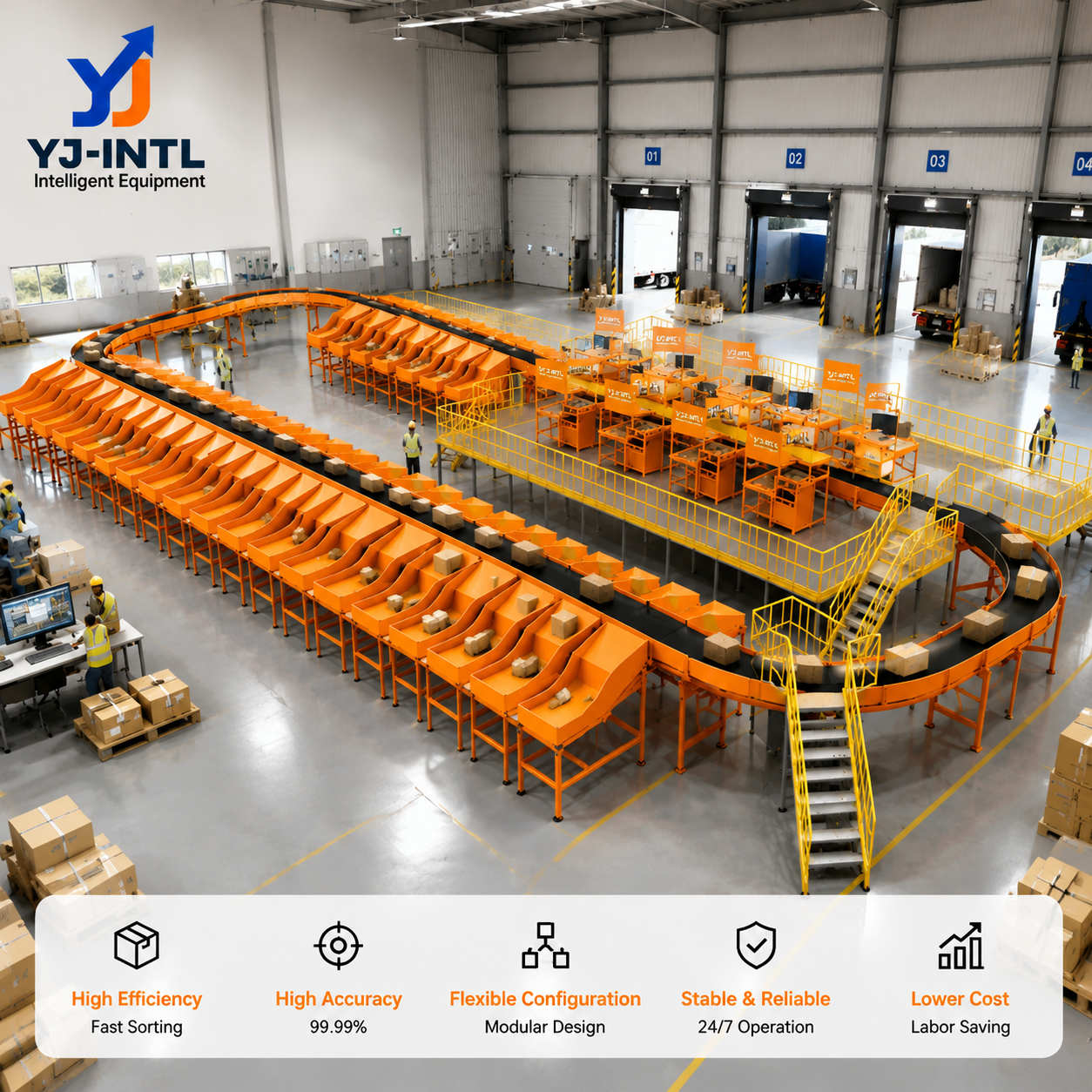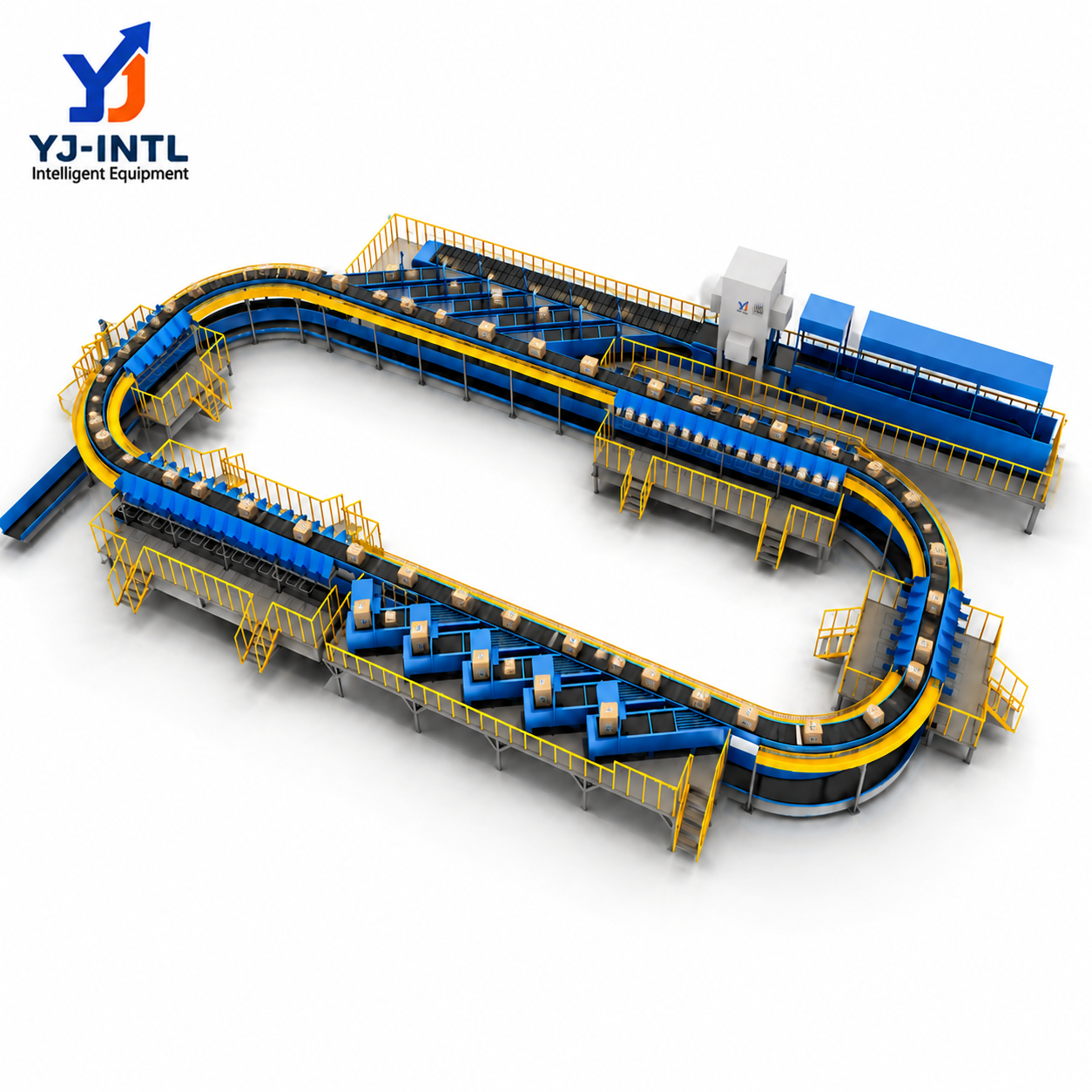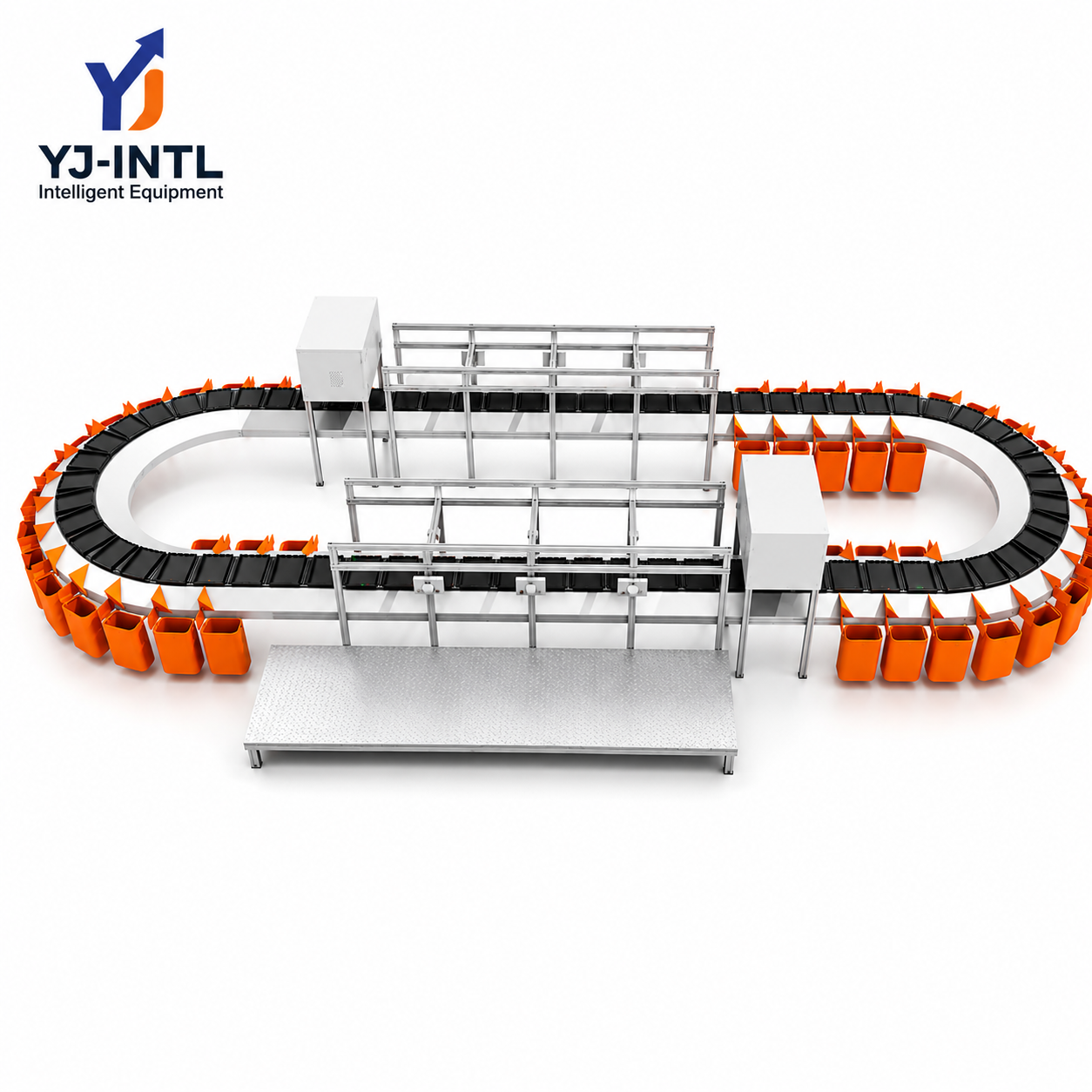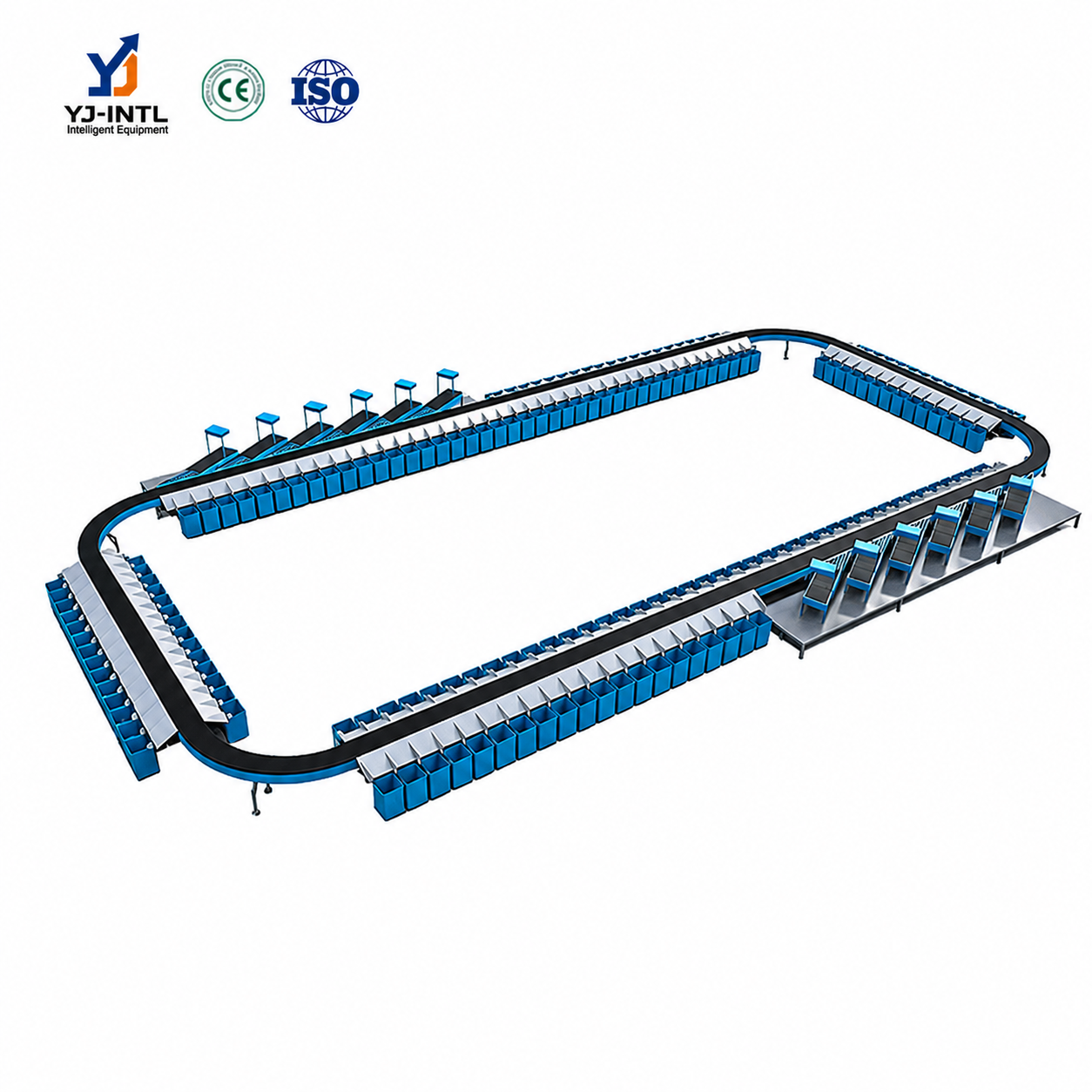
Cross Belt Sorter
Robotic Parcel Induction System for Automated Parcel Sorting
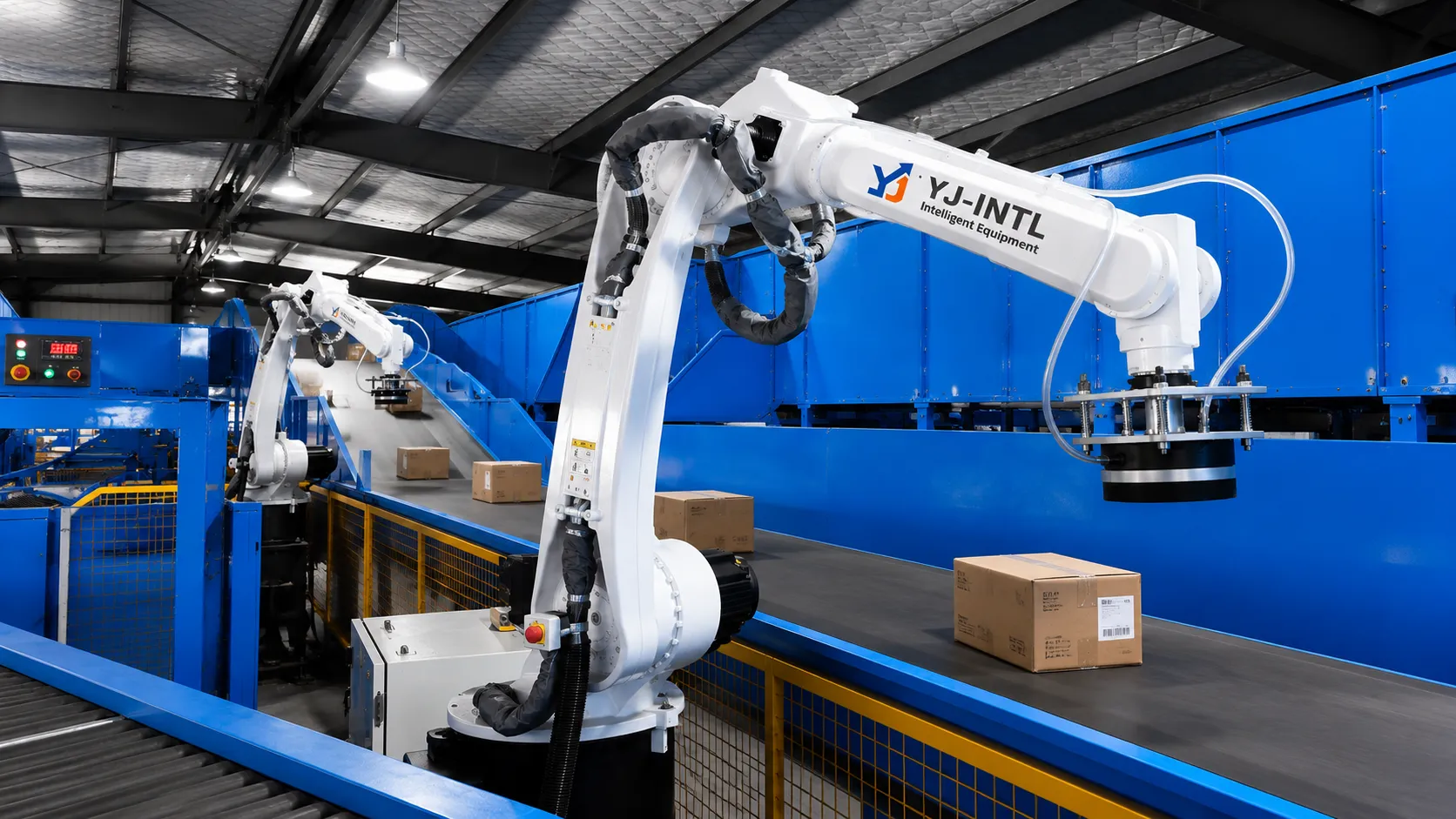
The Robotic Parcel Induction System automates parcel feeding into sorting and conveying lines with robotic handling technology. Designed for high-volume logistics operations, it reduces manual handling while maintaining a continuous and organized parcel flow.
The industrial robotic arm is equipped with a high-precision 3D vision camera and flexible gripping components, enabling 3D object positioning and recognition, posture determination, and flexible, non-destructive gripping. It is widely applicable to various scenarios such as unmanned parcel feeding, sorting and loading, and workpiece handling in express logistics.
- Automated Parcel Feeding
- Robotic Picking & Placement
- Flexible Gripper Configuration
- Stable Conveyor Induction
- Sorting Line Integration
- Reduced Manual Handling
TECHNICAL SPECIFICATIONS
| Specification | Details |
|---|---|
| Product Type | Robotic Parcel Induction System |
| Application | Automated parcel feeding and induction |
| Handling Method | Robotic picking and placement |
| Main Equipment | Industrial robotic arm |
| End Effector | Configurable according to parcel characteristics |
| Conveyor Integration | Compatible with customized conveyor layouts |
| Control | Integrated automation control |
| Parcel Handling | Cartons, parcels and packaged goods |
| System Layout | Customized according to facility requirements |
| Integration | Conveyors, scanners, DWS and sorting systems |
| Installation | Project-based configuration |
| Customization | Robot, gripper, conveyor, layout and control |
| Application Areas | Courier, e-commerce, 3PL and distribution centers |
Details
Key Product Highlights
1. Automated Parcel Induction
Automatically picks and places parcels onto the conveyor line, reducing repetitive manual feeding operations.
2. Robotic Handling
Industrial robotic arms provide flexible parcel handling and can be configured according to the required loading position and workflow.
3. Continuous Material Flow
Designed to maintain a stable parcel supply for downstream sorting equipment and automated conveyor systems.
4. Flexible End-Effector Design
The gripping system can be configured according to parcel characteristics, helping accommodate different package shapes and handling requirements.
5. Integrated With Sorting Lines
Can be connected with belt conveyors, roller conveyors, scanners, DWS systems and automated parcel sorters.
6. Reduced Manual Labor
Automates repetitive loading tasks and helps reduce operator workload in parcel processing areas.
7. Designed for Automated Logistics
Suitable for distribution centers, express hubs, e-commerce fulfillment centers and other high-throughput logistics environments.
 |  |
|---|
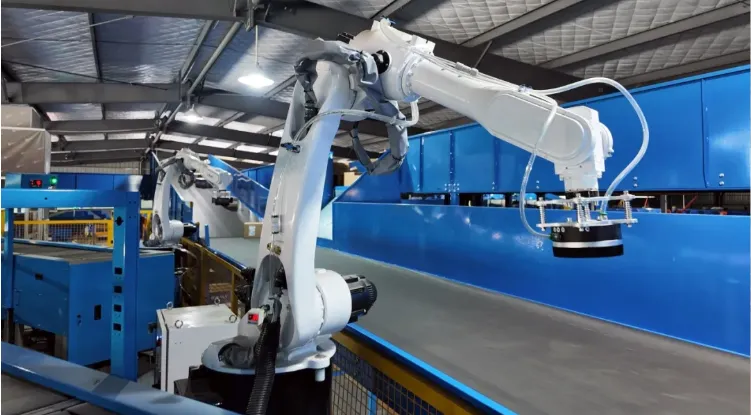
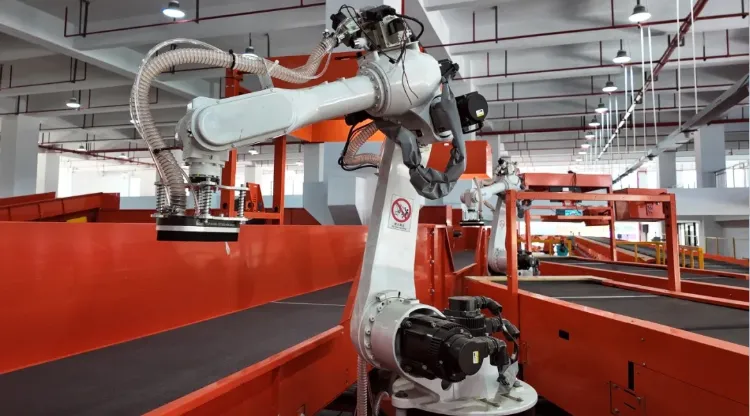
Robotic Parcel Induction System Structure
The system combines robotic handling equipment with conveyor transportation and parcel-flow control to create an automated induction process.
Main Components
1. Industrial Robotic Arm
Performs automated picking and placement operations.
2. Parcel Pickup Area
Receives incoming cartons, parcels or packaged goods before robotic handling.
3. End Effector / Gripper
Contacts and transfers parcels according to the selected handling method.
4. Induction Conveyor
Provides a controlled transfer surface for parcels entering the sorting process.
5. Conveyor Interface
Connects the robotic induction station with the downstream logistics automation system.
6. Control System
Coordinates robotic movement, conveyor operation and the overall induction sequence.
Applications of Robotic Parcel Induction
Express & Courier Hubs
Automates parcel feeding before sorting and distribution operations.
E-commerce Fulfillment Centers
Supports automated order and parcel processing in high-volume fulfillment environments.
Distribution Centers
Provides automated parcel induction between receiving areas and sorting systems.
3PL Logistics Warehouses
Helps 3PL operators reduce repetitive manual handling during parcel processing.
Automated Sorting Centers
Works as an upstream induction module for narrow belt, cross belt, wheel and other parcel sorting systems.
Parcel Processing Lines
Can be integrated with conveyors, scanning equipment, DWS and warehouse control systems.
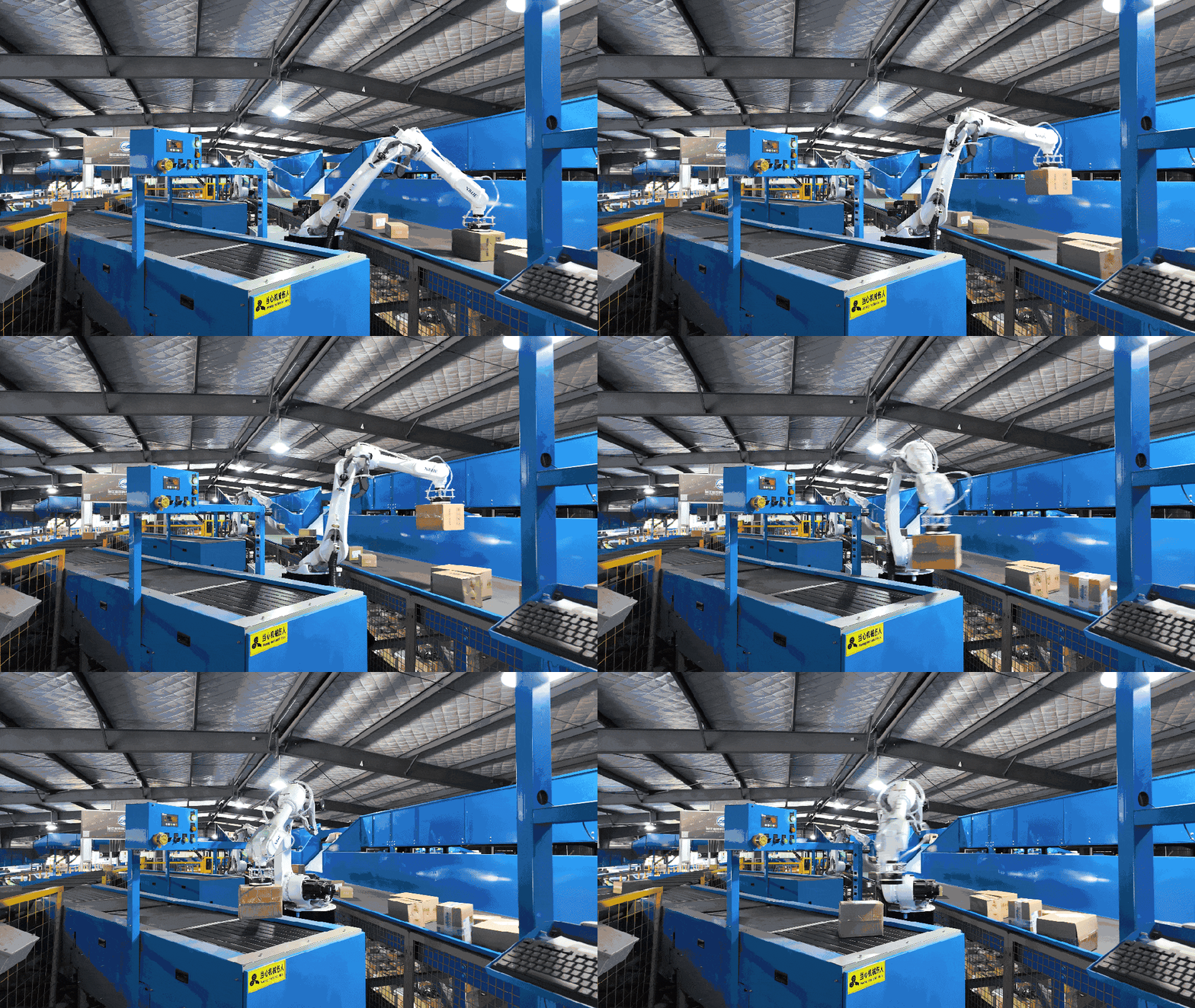
Configure Your Robotic Parcel Induction Station
Different parcels require different handling strategies. YJ-INTL can configure the induction system according to your project conditions.
Available Configuration Options
Robot Configuration
Select the appropriate robotic handling configuration according to the required operating range.
Gripper Configuration
Customize the end effector according to parcel size, surface and packaging characteristics.
Conveyor Configuration
Match the induction station with existing belt or roller conveyors.
Layout Configuration
Adapt the robot position, conveyor direction and parcel pickup area to the facility layout.
Control Integration
Connect the robotic station with the surrounding automation equipment and control architecture.
⚙️ Core Technical Specifications & Systems
1. AI-Driven Robotic Feeding & 3D Vision System
- 3-Zone Feeding Structure: Features 14 four-stage feeding tables to streamline high-volume incoming parcels.
- 3D Vision Recognition: Identifies package shape, dimensions, and orientation in real time for precise gripping.
- Bionic Suction-Cup Robotic Arms: 2 lightweight, full-automatic robotic arms mimic human dexterity to grab, center, and place items one by one onto scanning/weighing lines.
- Labor Reduction: Replaces manual feeding, significantly easing peak-season labor pressure.
2. Precise Infrared Positioning & High-Speed Conveying
- Infrared Parcel Positioning: Active infrared sensors detect and align package position on the fly.
- Auto-Centering Technology: Automatically aligns parcels to the center of conveyor belts, preventing off-center misalignment or falls during high-speed transit.
3. Green Energy-Saving Power Architecture
- Permanent-Magnet Motors: High-efficiency driving system delivering Class-1 Energy Efficiency.
- Eco-Friendly Performance: Cuts electricity usage by over 40%, helping distribution centers meet sustainability and green logistics goals.
4. Autonomous Last-Mile Delivery Integration
- Unmanned Fleet Deployment: Seamlessly integrates short-haul autonomous vehicles for local express dispatch.
- Cost & Efficiency Optimization: Dramatically lowers last-mile transportation costs and enables flexible dispatch schedules.
FAQ
A robotic parcel induction system uses an industrial robotic arm to automatically pick and place parcels onto a conveyor or sorting line, reducing repetitive manual feeding operations.
The system receives parcels from an upstream feeding area, identifies the available handling position, picks the parcel with a configured end effector and places it onto the downstream conveyor.
The system can be configured for cartons, parcels and other packaged goods according to their size, weight, surface characteristics and handling requirements.
Yes. The robotic induction station can be designed to connect with existing or newly installed belt conveyors, roller conveyors and other material handling equipment.
Yes. The end effector can be selected or customized according to the parcel characteristics and the required handling method.
Yes. The robotic induction system can be used as an upstream feeding module for automated parcel sorting systems.
Yes. The robotic induction station can be incorporated into logistics automation systems that include DWS, barcode scanning, conveyor and sorting equipment.
Typical applications include courier hubs, e-commerce fulfillment centers, distribution centers, 3PL warehouses and automated parcel processing facilities.
Yes. The robot position, pickup area, conveyor interface, induction direction, gripper and overall layout can be configured according to the customer's facility and workflow.
Yes. YJ-INTL can provide robotic induction equipment as part of a broader logistics automation solution, including system design and equipment integration.
For a quotation, customers should provide parcel dimensions and weight range, parcel type, required operating process, conveyor information, available space, desired induction method and the overall logistics workflow.