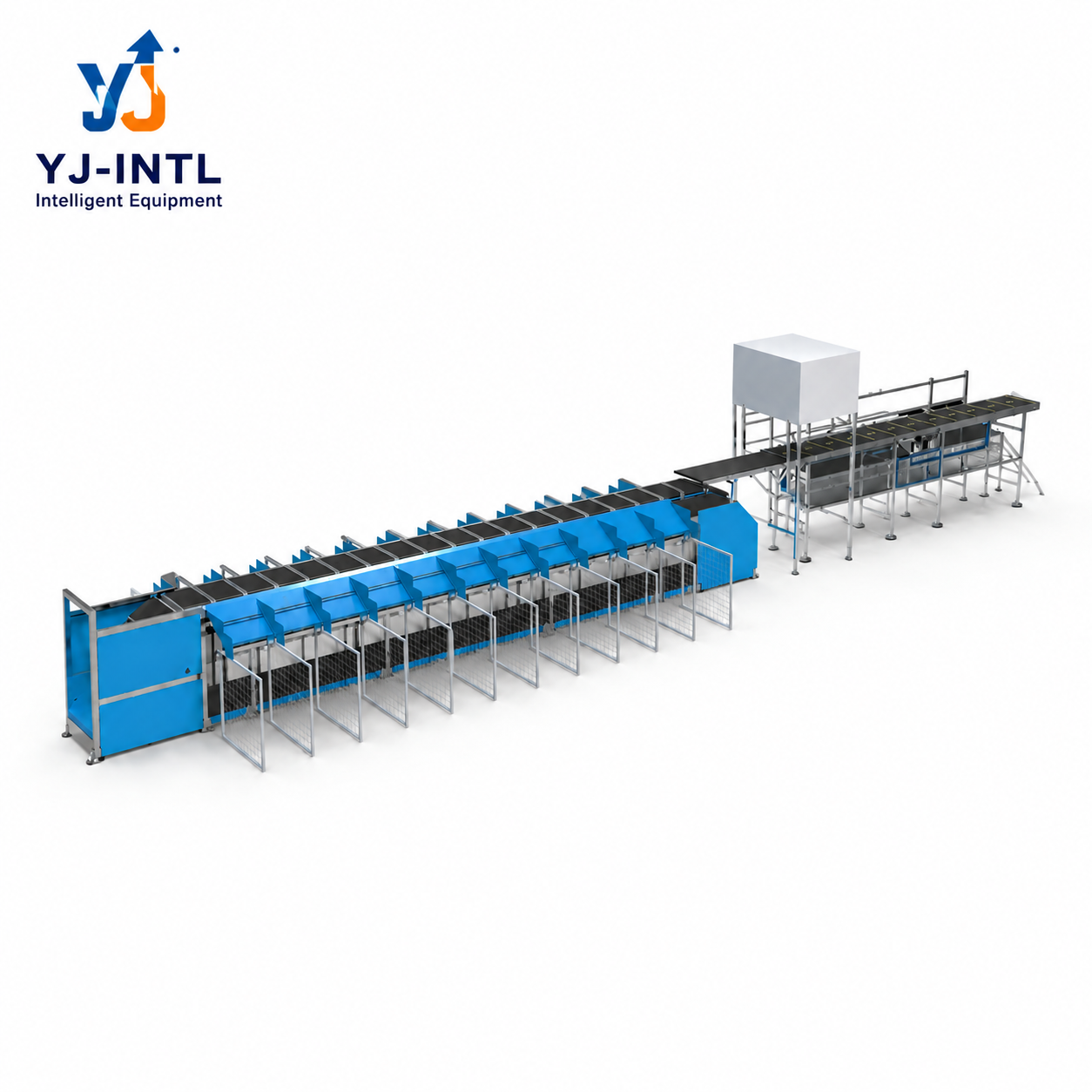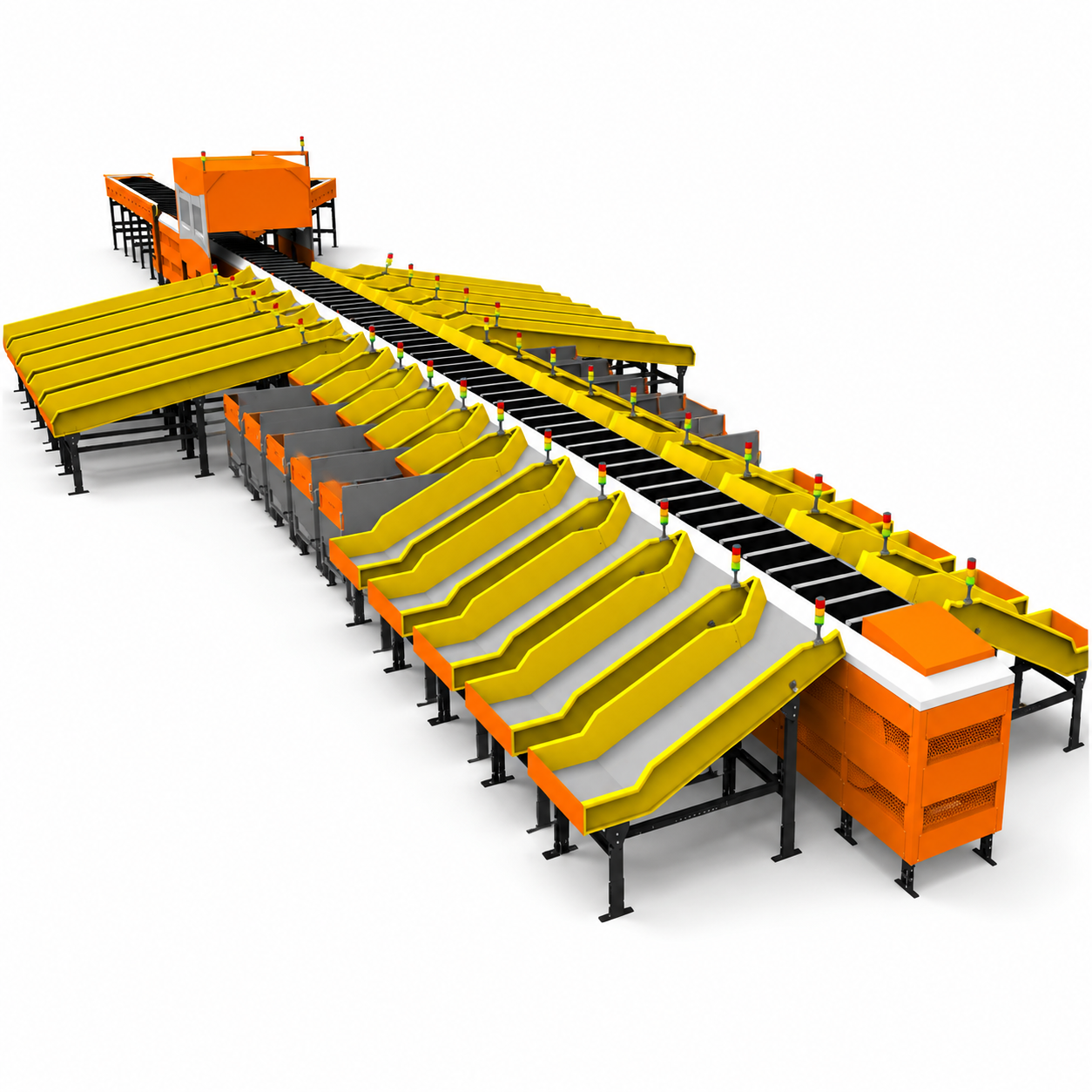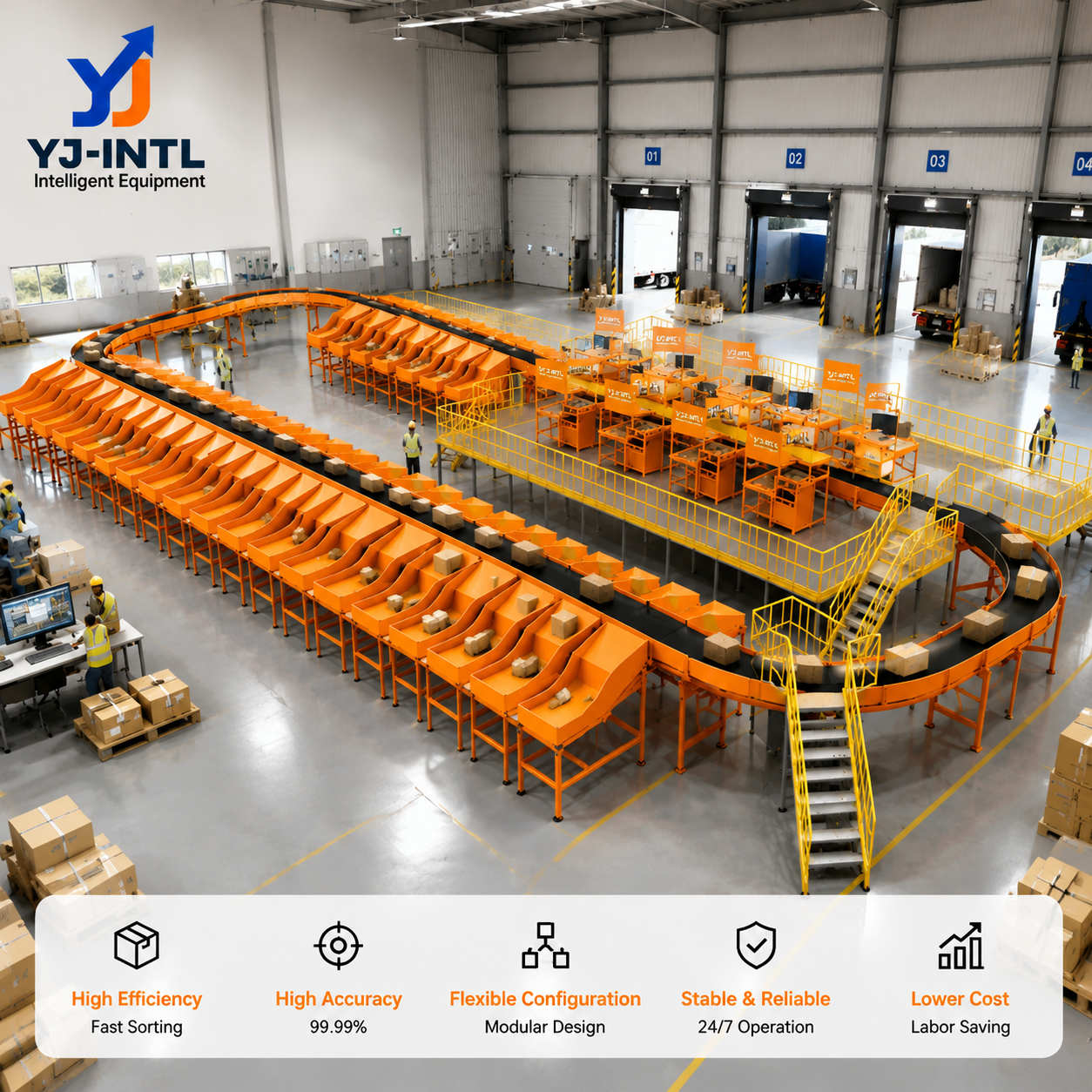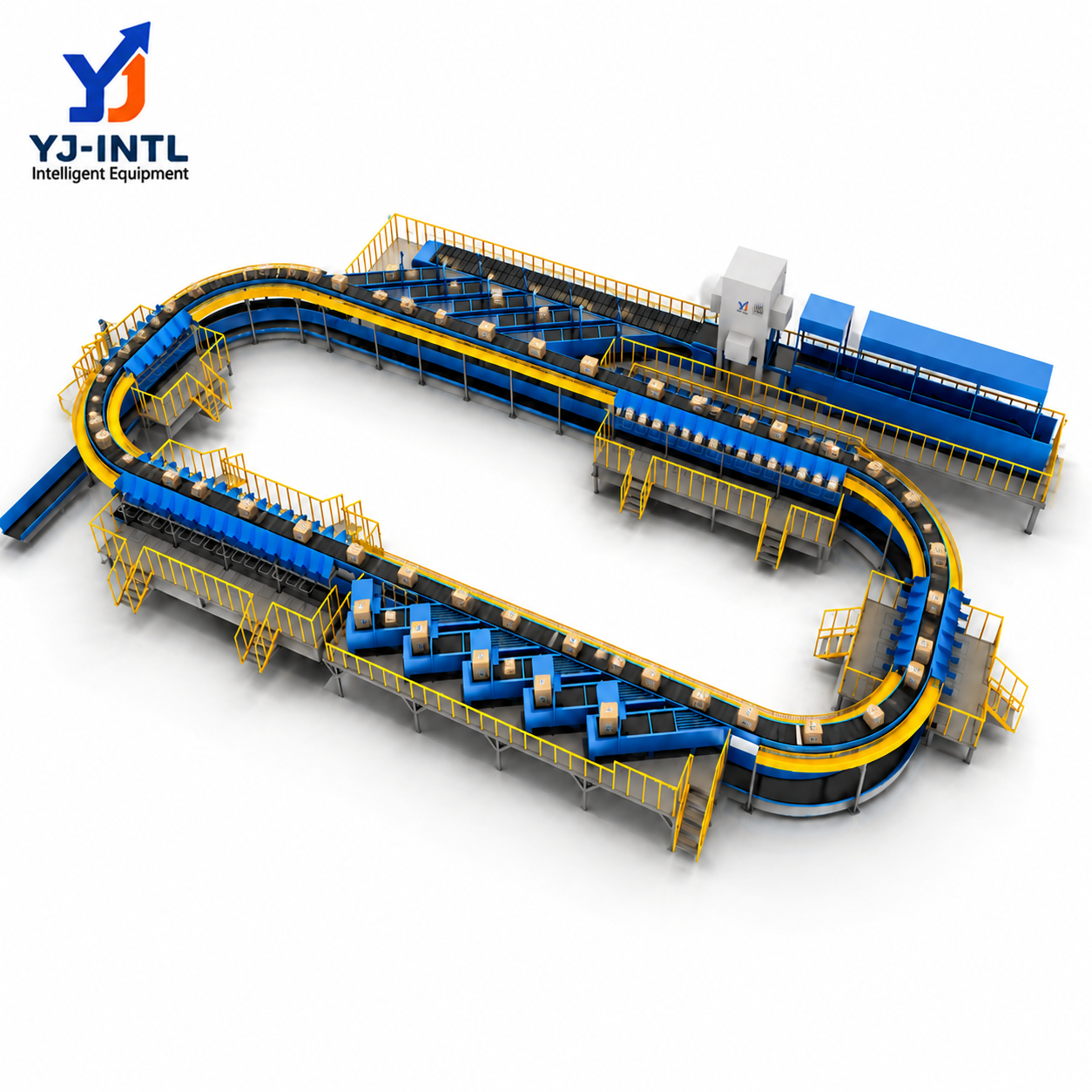
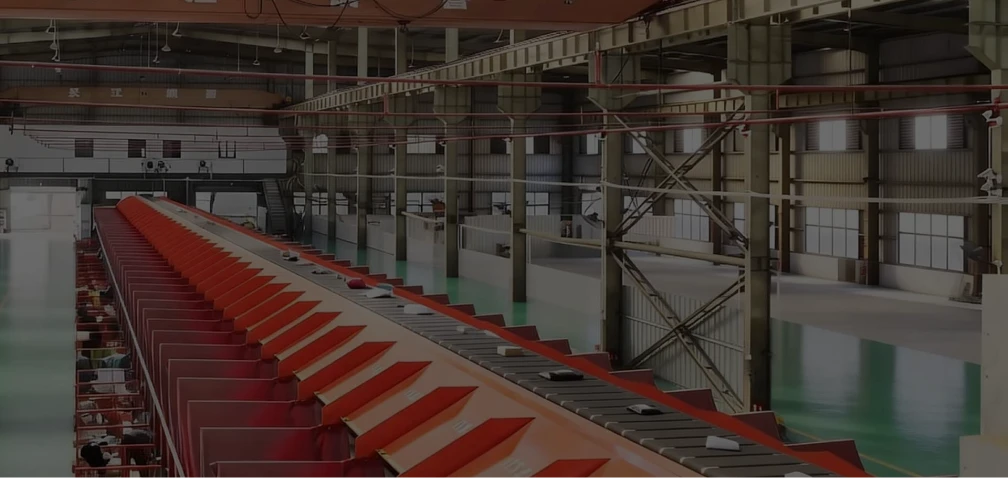
Flexible, Multi-Layer Cross Belt Sortation for High-Volume Parcel Handling
YJ-INTL Mini Loop Cross Belt Sorter System | Parcel Sorting System Manufacturer
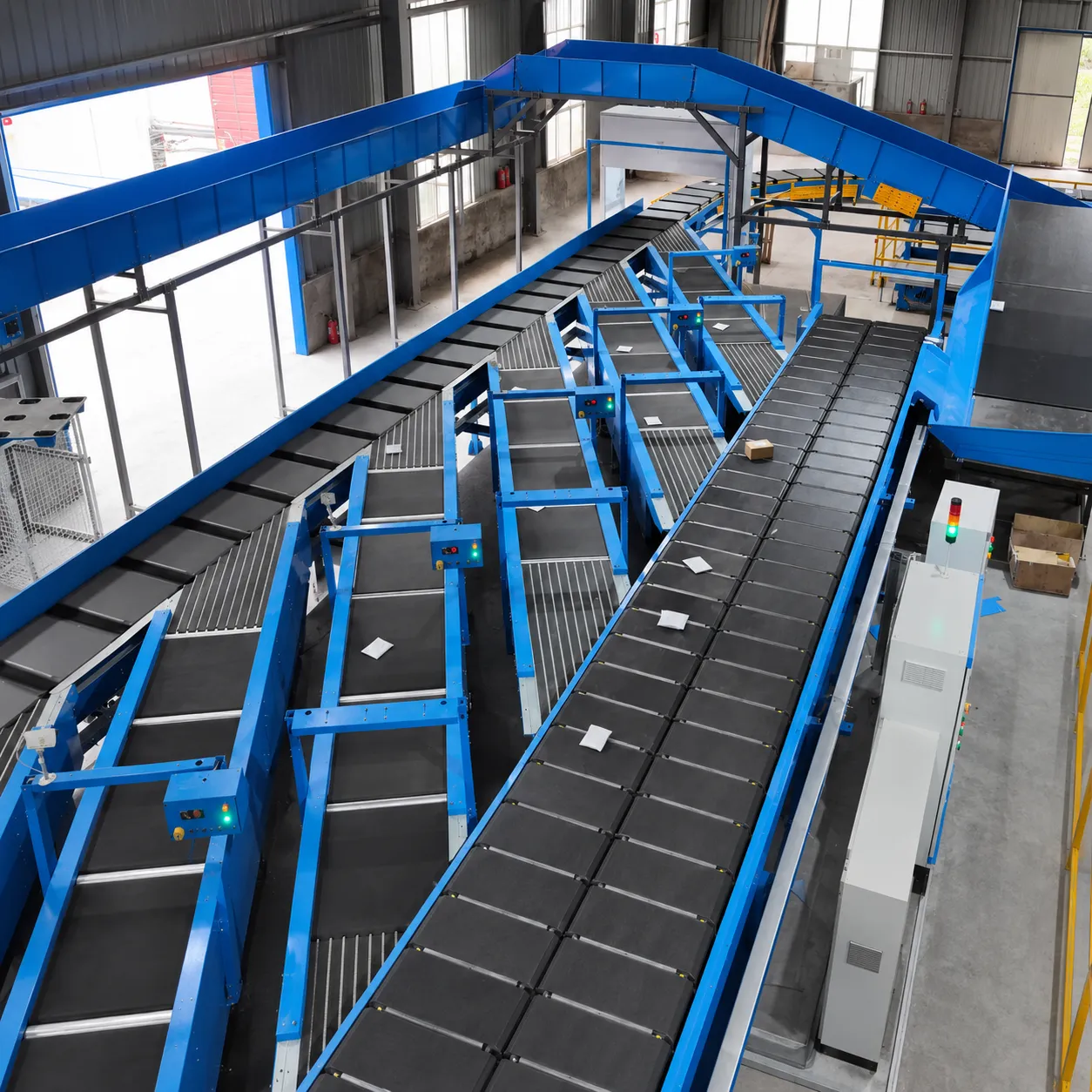
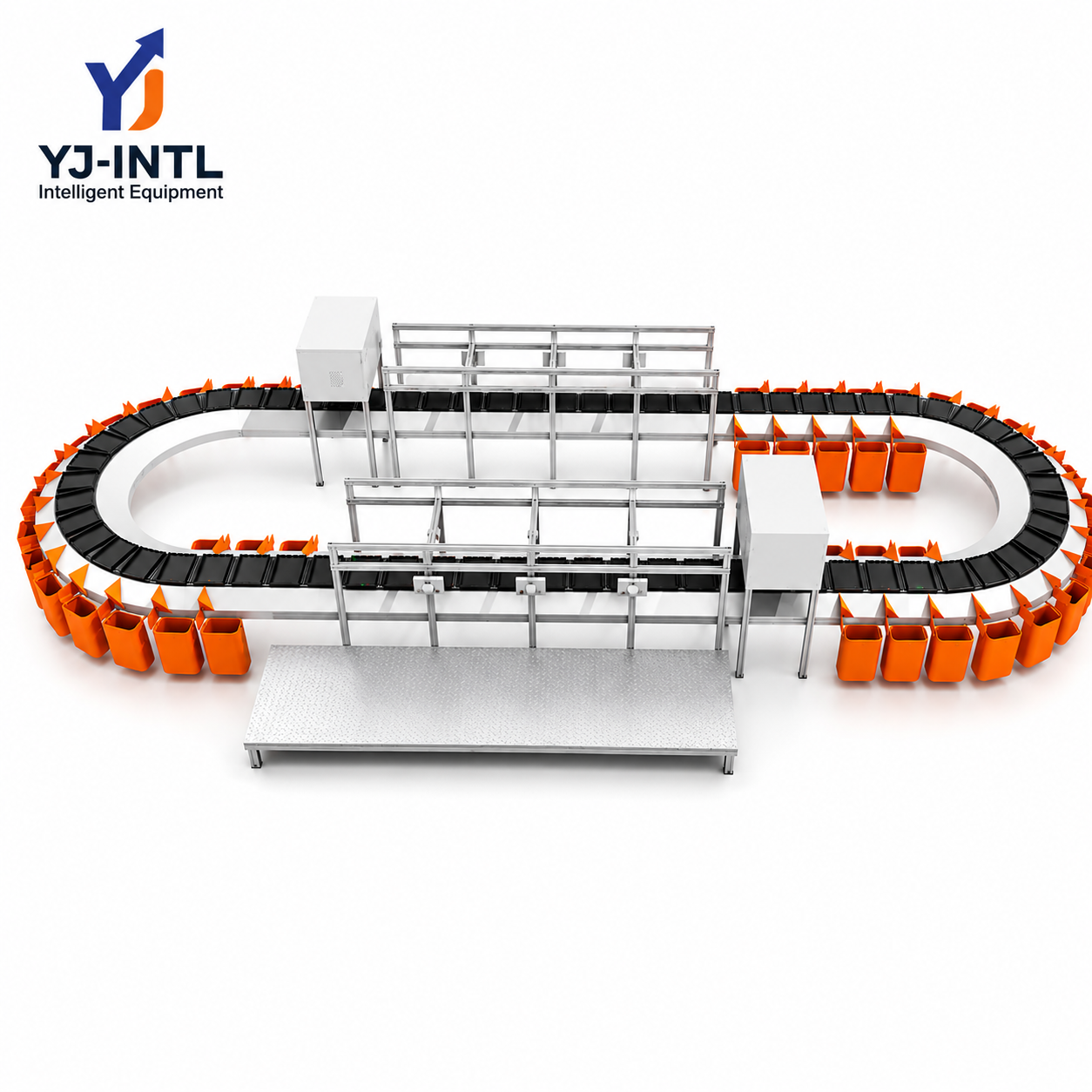
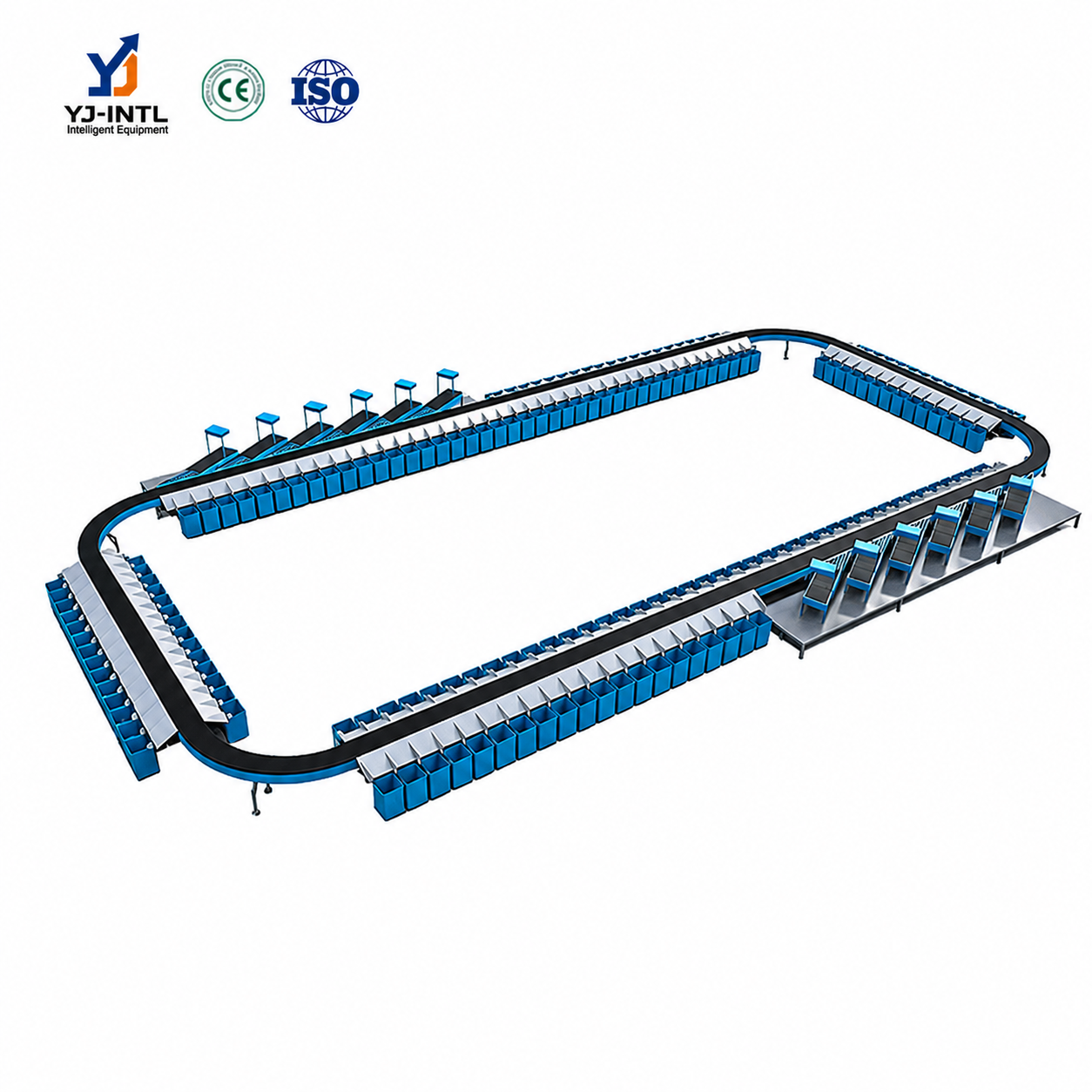
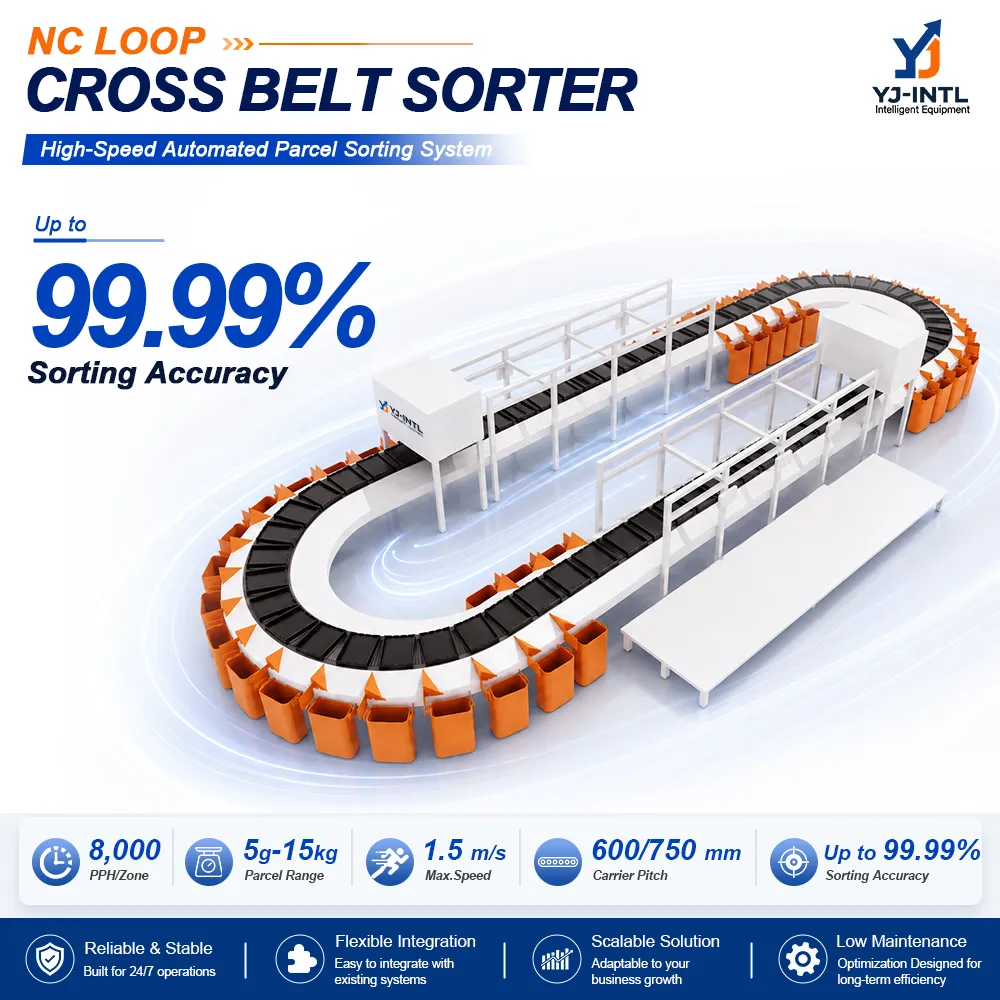
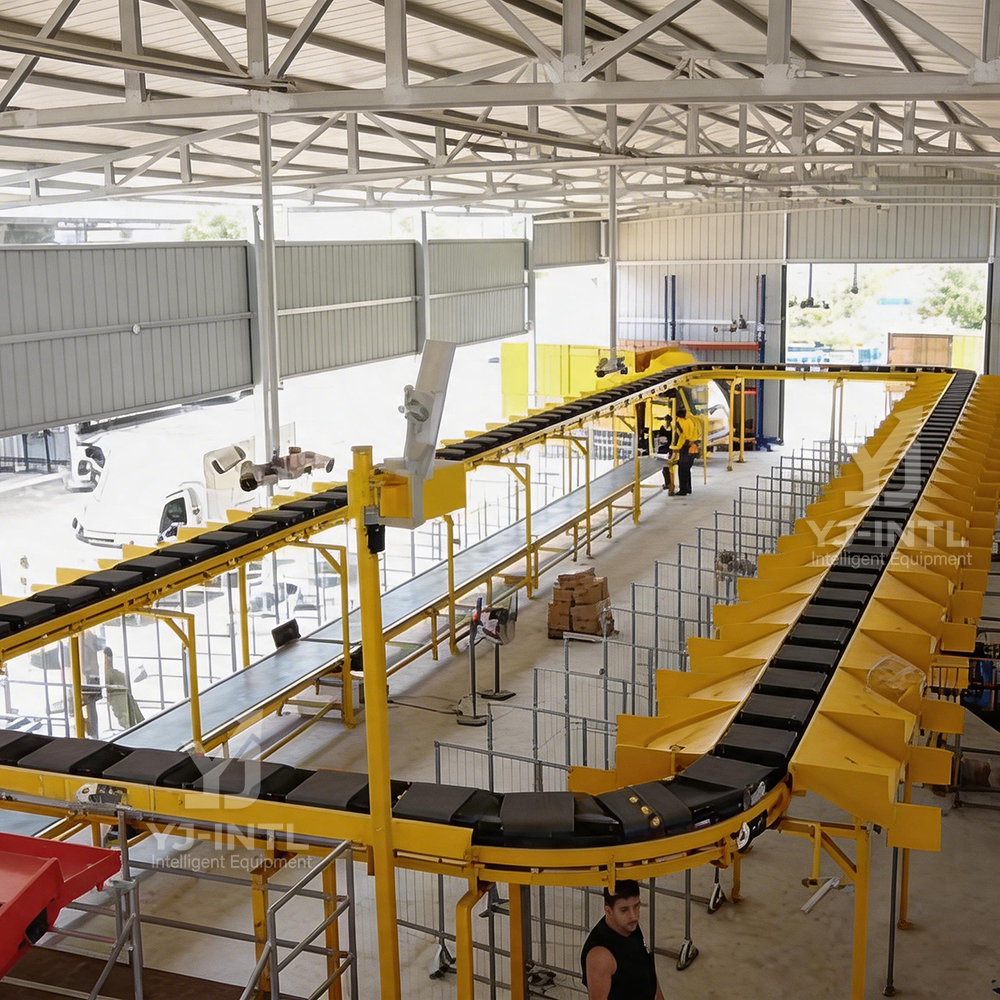
YJ-INTL Mini Loop Cross Belt Sorter System Single-layer, double-layer and triple-layer configurations can be engineered according to facility space, parcel profile, destination count, throughput requirements and the complete downstream process.
- Continuous Loop Cross Belt Sortation
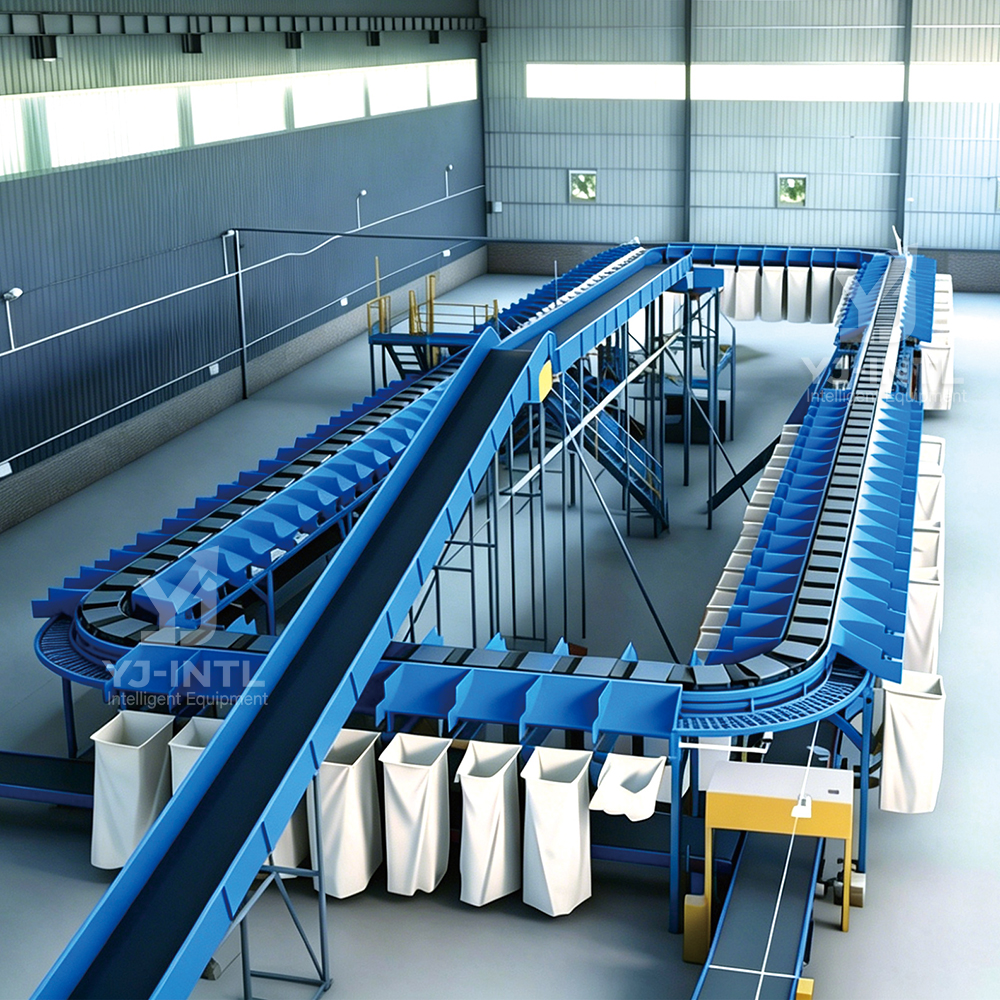
- Single / Double / Triple-Layer Configurations
- Flexible Sorting Port Design
- Linear Motor Drive
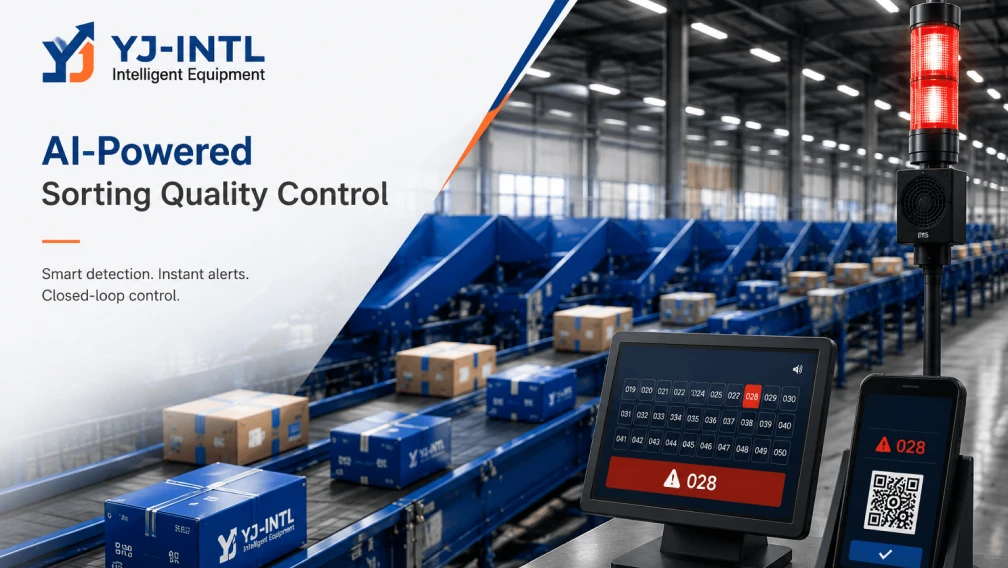
- Intelligent Weighing and Inspection
- WMS / WCS / Automation Integration
- Project-Based System Engineering
Technical Specifications
| Parameter | Specification |
|---|---|
| Product Type | Mini Loop Cross Belt Sorter System |
| Sortation Type | Cross Belt Sortation |
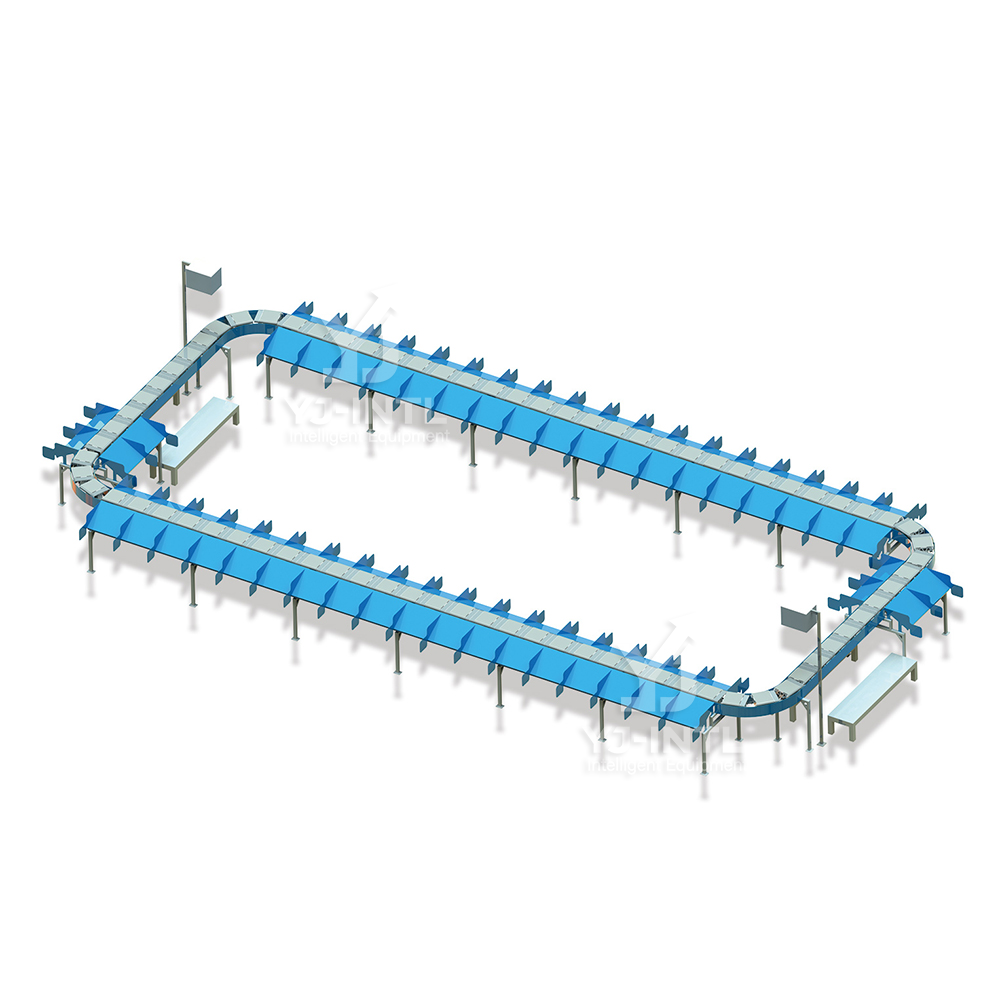
| System Structure | Closed-Loop Configuration |
| Available Configurations | Single-Layer / Double-Layer / Triple-Layer |
| Drive Technology | Linear Motor Drive |
| Sorting Method | Lateral Cross-Belt Diverting |
| Sorting Ports | Customized According to Project Requirements |
| System Layout | Customized |
| Sorting Capacity | Project-Based Configuration |
| Parcel Specifications | Customized According to Application |
| Weighing / Inspection | Intelligent Weighing Inspection Available |
| Identification | Barcode / Dimensioning / Weighing Integration Available According to Project |
| Control System | Customized According to Project |
| System Integration | Customized According to System Requirements |
| Installation Configuration | Project-Based |
| Application | Logistics / E-Commerce / Warehousing / Distribution |
Engineering note: Final technical specifications, including sorter dimensions, carrier configuration, operating speed, throughput, parcel size and weight range, number of sorting destinations, induction arrangement and control/integration architecture must be confirmed according to the final engineering design.
Details
Mini Loop Cross Belt Sorter System Overview
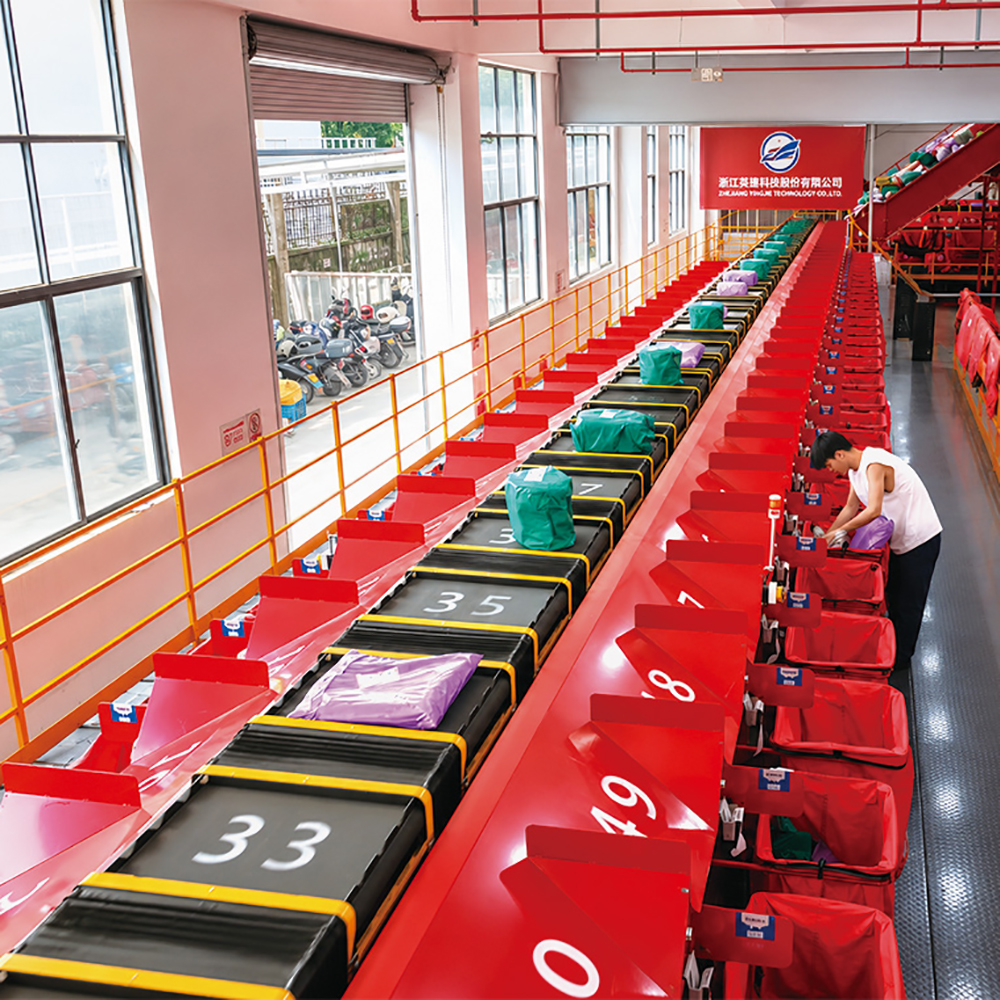
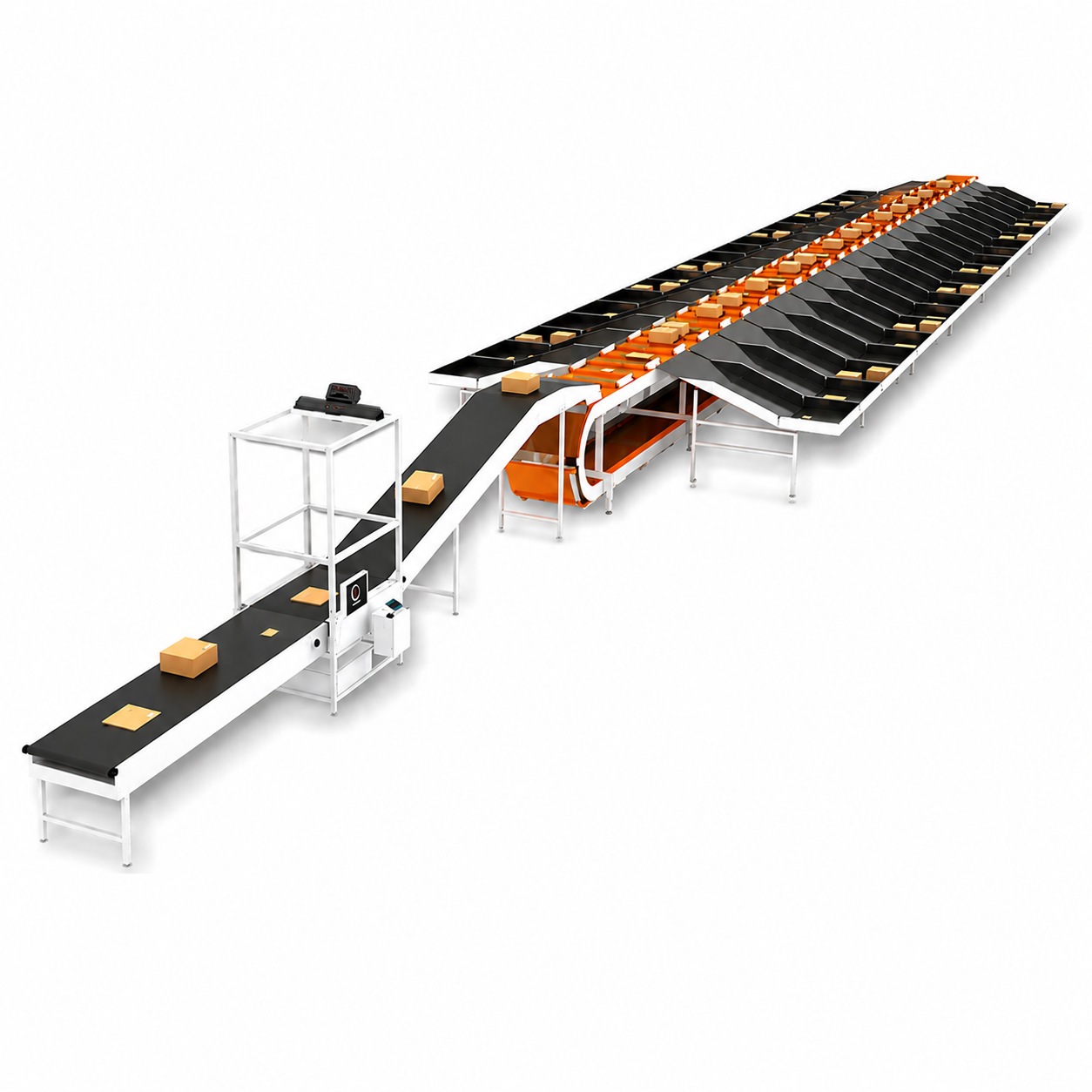
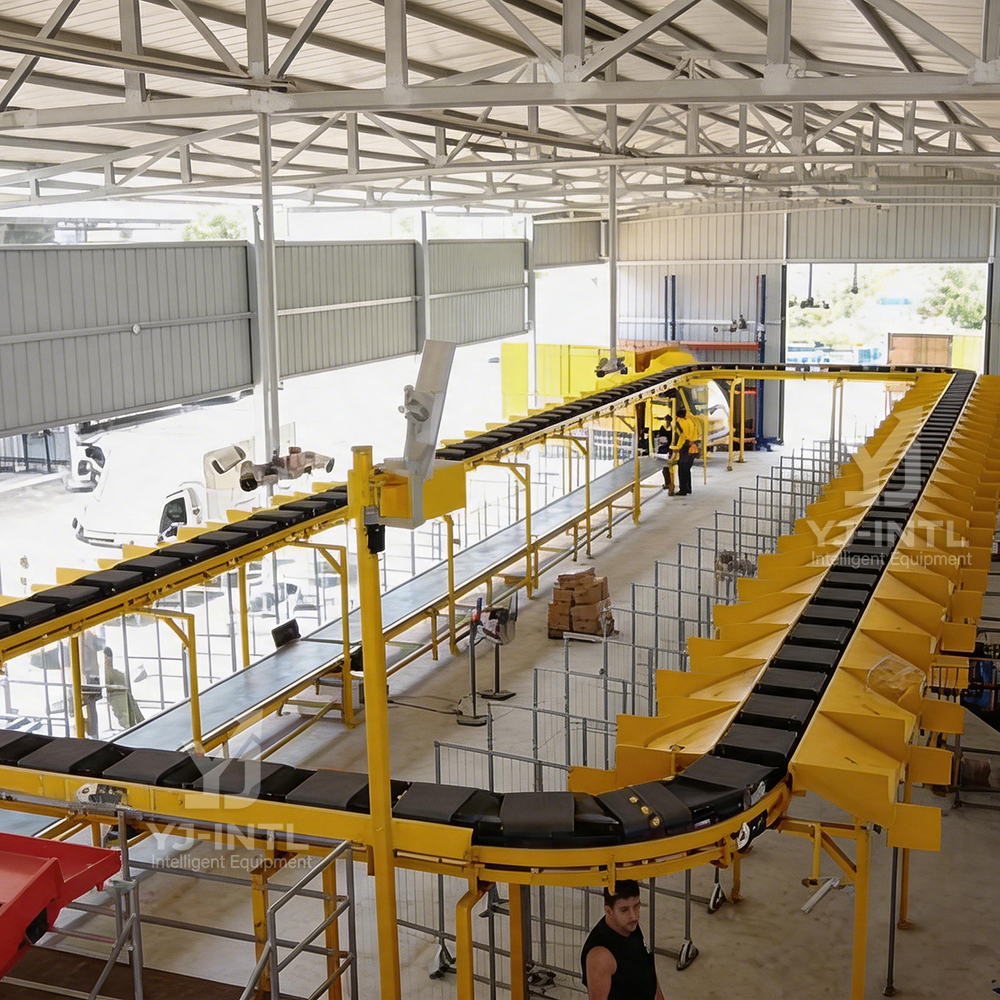
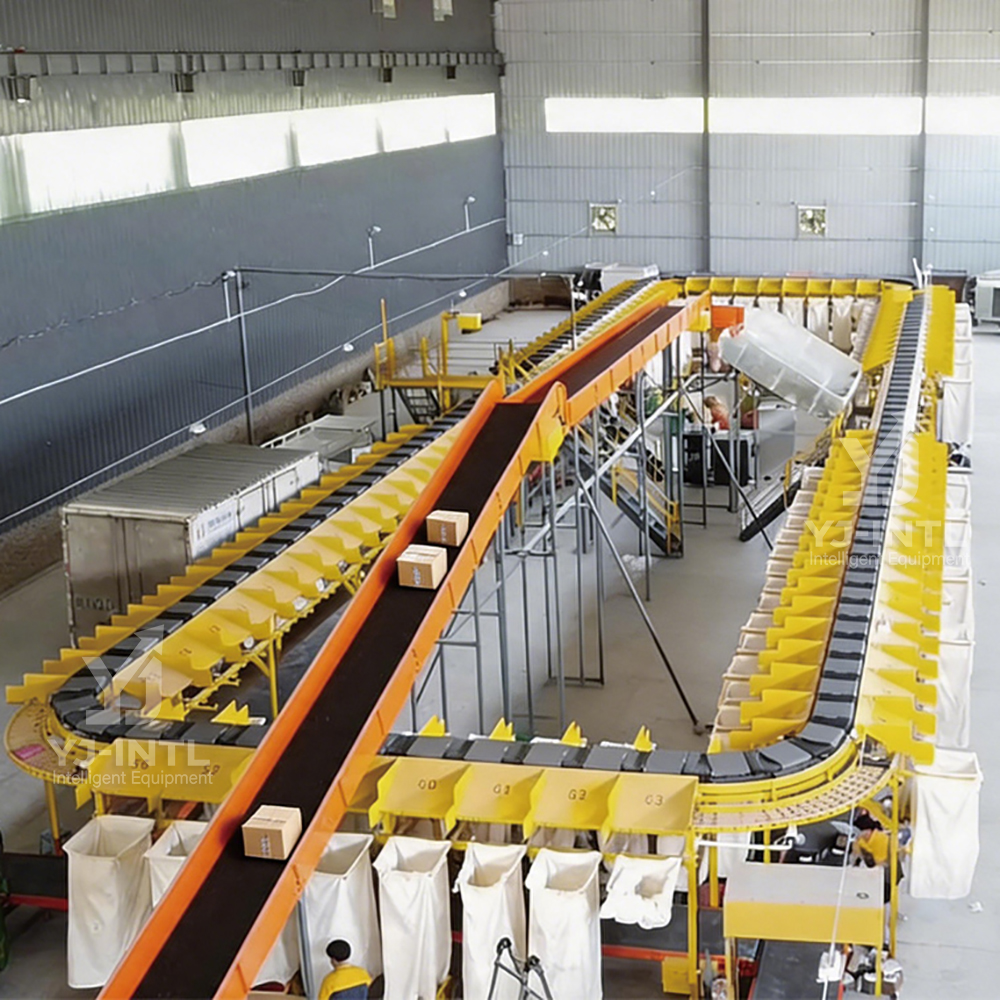
YJ-INTL Mini Loop Cross Belt Sorter System is a continuous automated parcel sorting solution for logistics hubs, e-commerce fulfillment centers, distribution centers and warehouse automation projects. Independent cross-belt carriers transport parcels around a closed loop and discharge them laterally at designated destinations, allowing the sorting process to remain continuous rather than relying on stop-and-go batch movement.
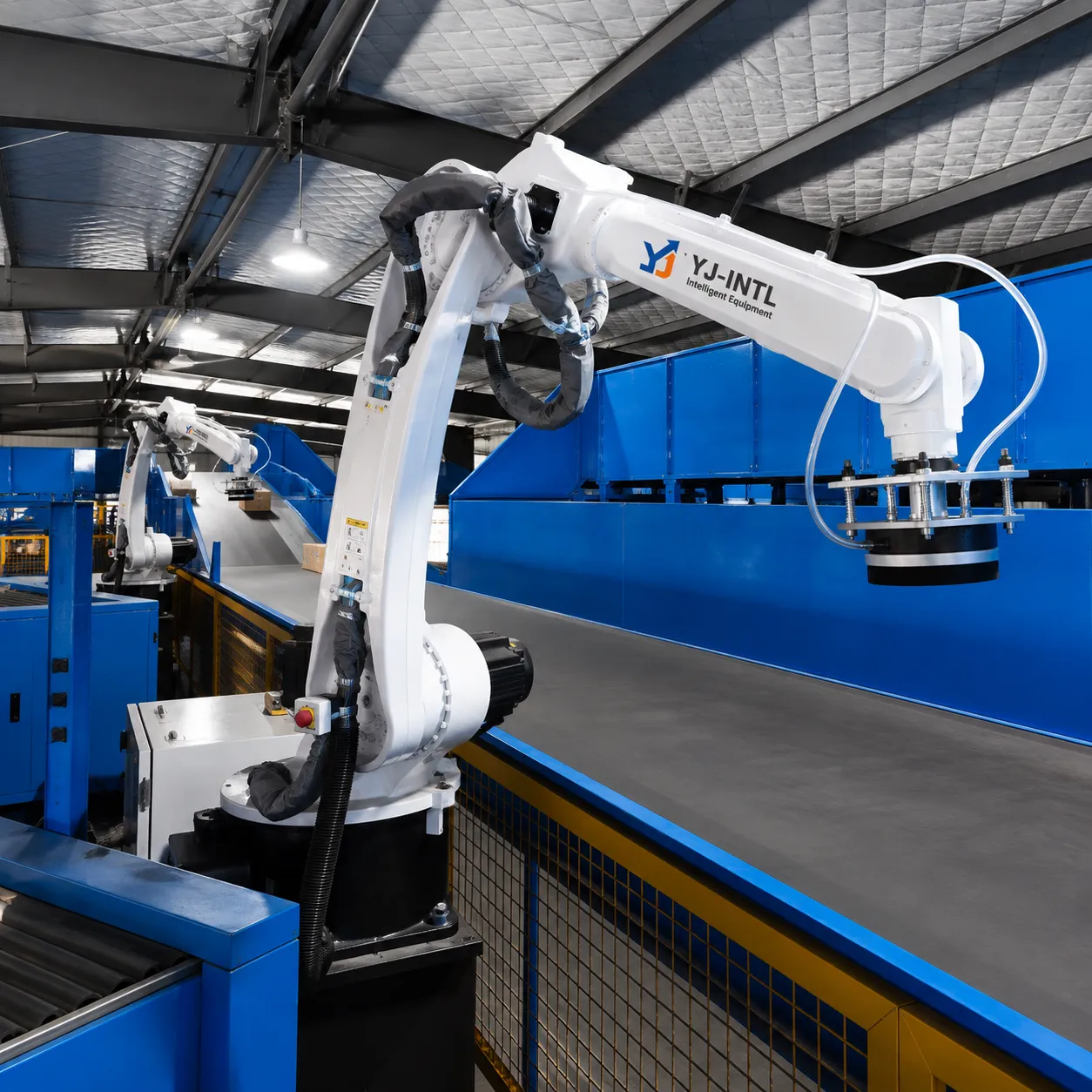
The loop sorter system is engineered as a complete material-flow solution rather than a standalone sorting machine. Induction, parcel identification, carrier allocation, transport, sorting decisions, discharge, chutes, downstream conveying and control interfaces can be designed as one coordinated process.
Why Use Loop Cross Belt Sorter?
High-volume operations typically need to balance throughput, destination count, parcel diversity, labor availability, floor space and dispatch deadlines. A cross-belt architecture is particularly useful when parcels must be routed continuously to multiple destinations and when controlled lateral discharge is preferred over manual sorting or simple diverting equipment.
- Continuous carrier-based transport: Each parcel is carried by an independently controlled cross-belt unit around the sorting loop.
- Multiple destination routing: Sorting ports can be arranged according to the facility layout and outbound process.
- Flexible system density: Single-layer, double-layer and triple-layer configurations provide options for different space and layout conditions.
- Integrated identification: Barcode recognition, weighing, dimensioning and other identification functions can be incorporated according to project requirements.
- System-level integration: The sorter can connect with conveyors, chutes, control systems and WMS/WCS-related interfaces.
- Project-specific engineering: Final equipment parameters are selected from actual parcel characteristics, throughput, destination count and facility conditions.
 |  |
|---|
System Composition
- Parcel induction area
- Parcel singulation / spacing equipment where required
- Barcode and parcel identification system
- Cross-belt carrier system
- Closed-loop sorting track
- Linear motor drive system
- Sorting ports and discharge chutes
- Downstream takeaway conveyors
- Intelligent weighing / inspection equipment where required
- Sorter control and monitoring system
- Data and system integration interfaces
How the Loop Cross Belt Sorter Works?
1. Parcel Induction
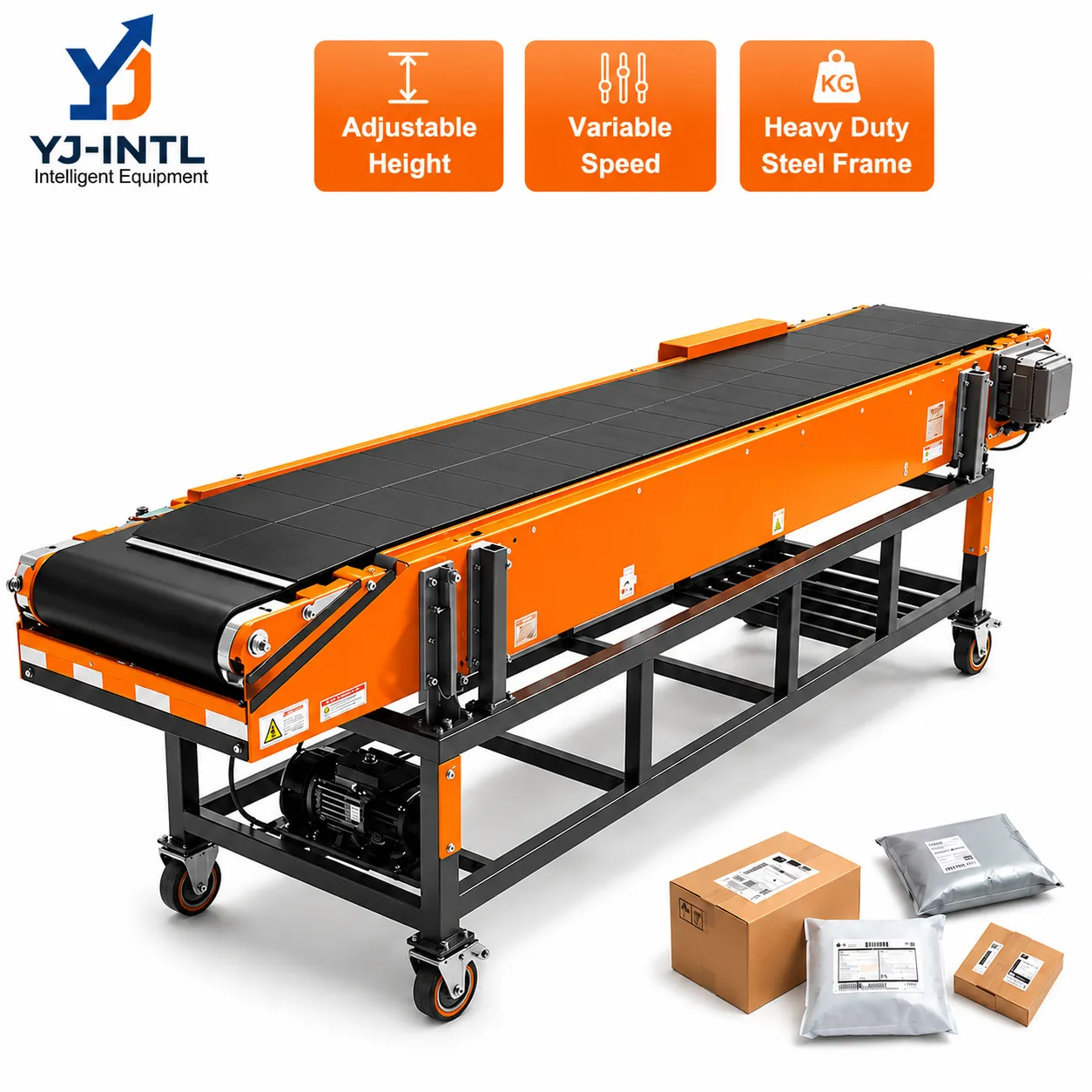
Parcels enter the sorter through a manual, automatic or hybrid induction process designed for the application.
2. Identification
Barcode, weighing, dimensioning or other identification equipment captures the information required for the sorting decision.
3. Carrier Allocation
The control system associates the parcel with an available cross-belt carrier and its destination information.
4. Continuous Transportation
The carrier moves the parcel around the closed loop while the control system tracks the parcel position and assigned destination.
5. Sorting Decision
Routing logic determines the target sorting port according to the project rules and available destination information.
6. Cross-Belt Discharge
At the assigned destination, the carrier's cross belt moves the parcel laterally toward the corresponding chute or downstream conveyor.
7. Destination Handling
The sorted parcel continues to packing, storage, consolidation, loading or other downstream operations.
 |  |
|---|
Product Engineering Details
Flexible Sorting Port Design
Sorting ports can be positioned according to destination count, parcel flow direction, chute arrangement, outbound lanes, downstream conveyors and warehouse layout. This allows the sorter to be engineered around the process rather than forcing the process to fit a fixed machine layout.
Linear Motor Drive
The supplied product configuration uses linear motor drive technology for controlled carrier movement around the sorting loop. The final drive architecture, carrier arrangement and operating parameters are confirmed during engineering.
Intelligent Weighing and Inspection
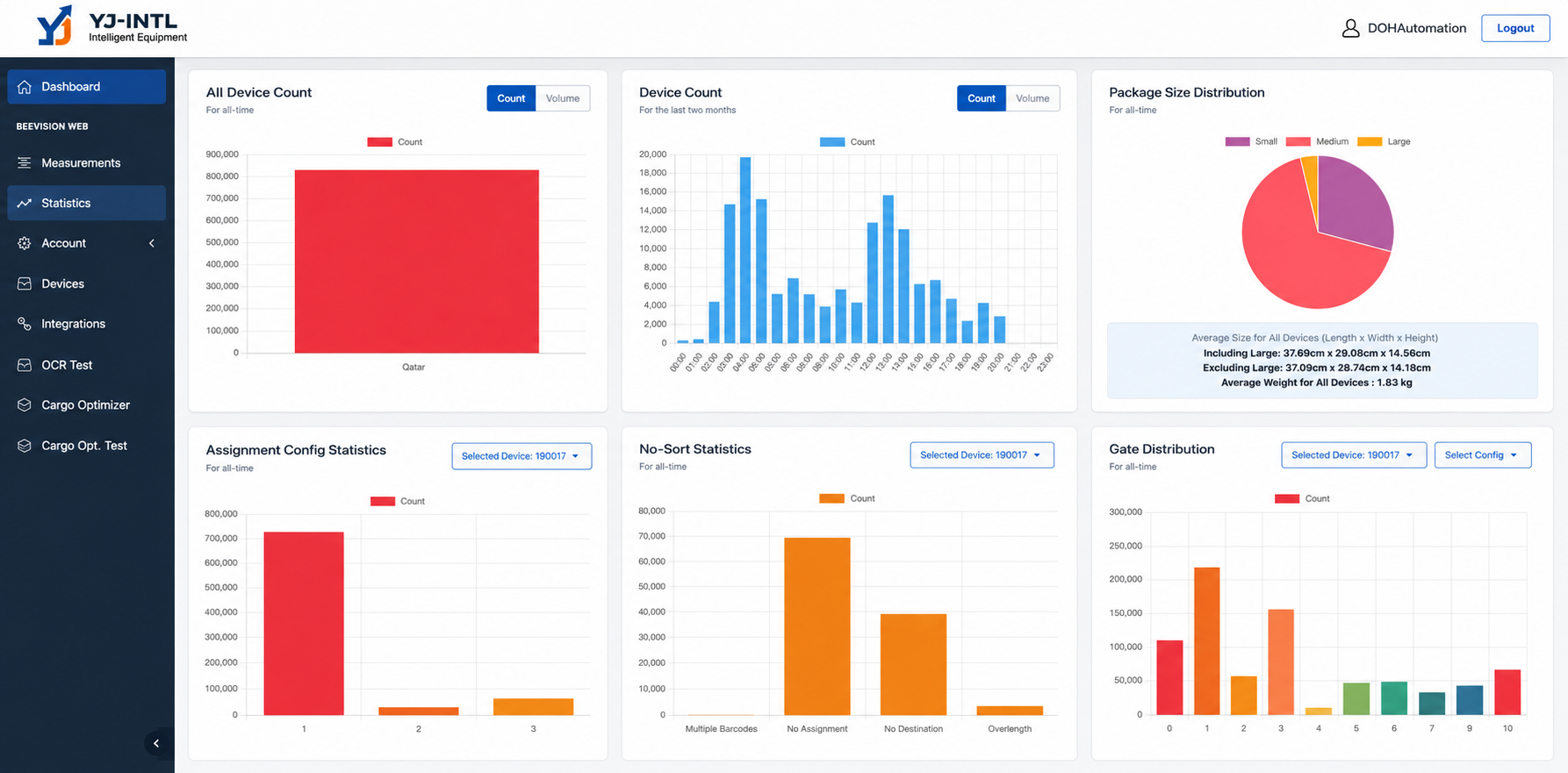
Intelligent weighing inspection can be incorporated into the parcel flow. Where required, weighing, dimensioning, barcode recognition and other identification functions can be combined with the sorter to create a more complete parcel data-capture process.
Control and Data Integration
The sorter can be integrated with upstream identification, downstream handling and warehouse control layers. The project interface can be defined around WMS/WCS data, barcode results, destination rules, carrier tracking, discharge confirmation and exception handling requirements.
Engineering Considerations Before Selection
A reliable sorter specification should be based on the complete operating profile instead of a single rated throughput figure. The following inputs should be reviewed before equipment sizing:
- Daily and peak-hour parcel volume
- Parcel size, weight, shape and packaging distribution
- Number of sorting destinations and future destination growth
- Required induction method and parcel spacing
- Barcode type, location and read conditions
- Available floor area and building height
- Chute and downstream conveyor capacity
- WMS/WCS/PLC and other system interfaces
- Installation, maintenance and operator-access requirements
- Future expansion and phased automation requirements
Suitable Parcel Types
The Loop Cross Belt Sorter can be considered for common unit parcels, cartons, e-commerce packages, retail distribution items, apparel packages and other stable unit loads that meet the final engineered carrier and induction requirements. Irregular, unstable, oversized or unusually heavy items should be evaluated separately before system selection.
Application Industries
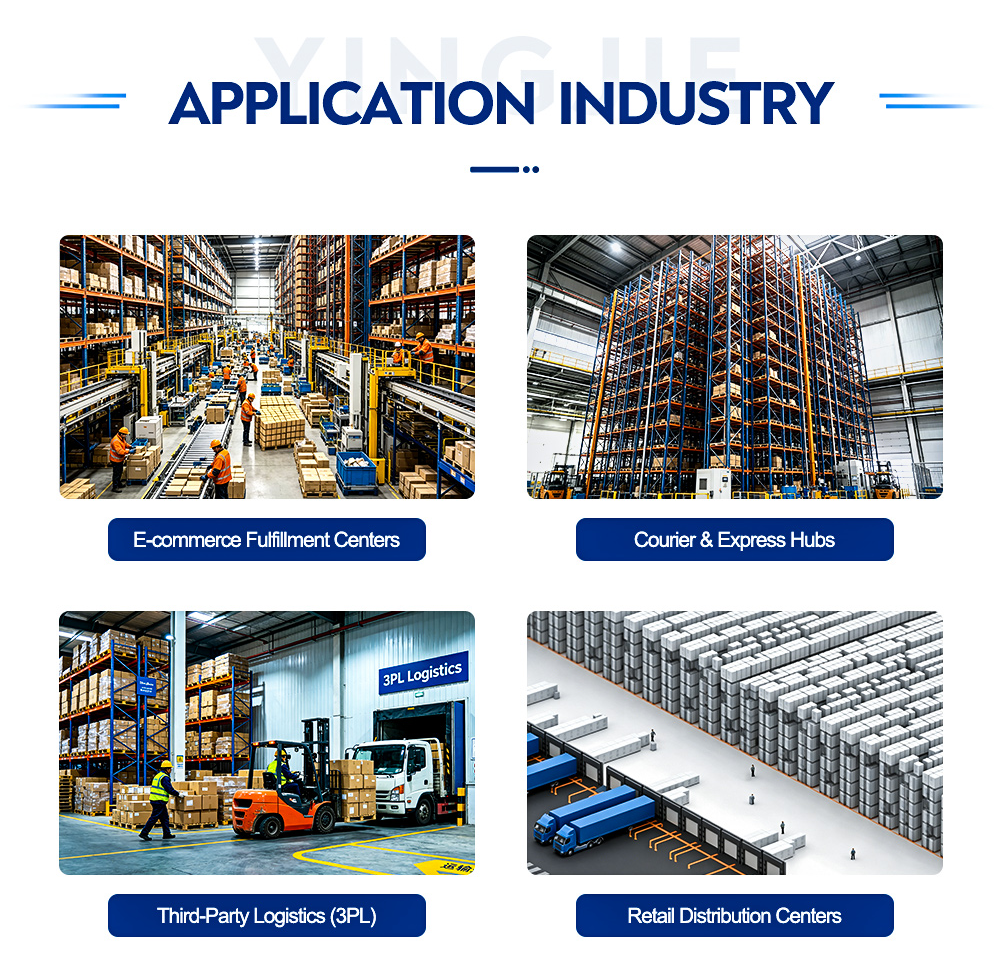
Why Choose YJ-INTL?
- Complete system approach: YJ-INTL can engineer the sorter together with induction, identification, conveying, chutes and control interfaces.
- Configurable architecture: Single-layer, double-layer and triple-layer layouts provide options for different facility constraints.
- Application-based sizing: Final specifications are determined from parcel characteristics, throughput, destinations and site conditions.
- Integration-oriented design: The system can be configured to work with weighing, scanning, dimensioning, WMS/WCS and downstream equipment.
- Project engineering: Layout, sorting ports, carrier configuration and control scope can be developed around the customer's actual process.
- Future-ready planning: Destination arrangement and system configuration can take future capacity and layout changes into account during the design stage.

FAQ
The main difference is the structural arrangement and use of vertical space. A single-layer system provides a straightforward loop layout, while double-layer and triple-layer configurations can increase system density where the facility has suitable vertical clearance. The final configuration should be selected from throughput, destination count, parcel profile, floor area, building height and downstream process requirements.
Yes. Sorting-port positions and arrangements can be designed around the warehouse layout, destination requirements, downstream conveyors, chute configuration and shipping process.
The system is intended for parcel and unit-load applications in logistics, e-commerce, warehousing and distribution. Actual suitability depends on parcel dimensions, weight, shape, packaging stability, induction method and identification conditions. A parcel sample and operating profile should be reviewed before final engineering.
Yes. Intelligent weighing inspection is supported in the supplied product specification, and scanning, dimensioning, weighing and other identification equipment can be integrated according to the complete system design.
The supplied YJ-INTL product specification identifies a linear motor drive configuration. The drive system is designed to provide controlled carrier movement around the sorting loop.
Yes. The system can be engineered to integrate with induction conveyors, parcel identification equipment, weighing systems, chutes, downstream conveyors and control/data interfaces. The exact integration scope should be defined from the customer's WMS/WCS architecture and project interface requirements.
Start with sustained and peak throughput, parcel size and weight distribution, number of destinations, required sorting directions, available floor and vertical space, induction method, barcode/read conditions and downstream capacity. YJ-INTL can use these inputs to recommend a suitable single-layer, double-layer or triple-layer configuration.
A preliminary engineering assessment normally requires the facility layout, parcel dimensions and weight range, daily and peak volume, destination count, induction process, barcode information, sorting flow, downstream equipment, required interfaces and installation conditions. These inputs help avoid sizing the sorter from a single peak-hour number without considering the complete material flow.
Final dimensions, carrier configuration, speed, throughput, parcel limits, number of destinations, control architecture and integration scope should be confirmed through the final engineering design and application review.