

Tilt Tray Sorter for Mixed & Irregular Parcels
Tilt Tray Sorter System
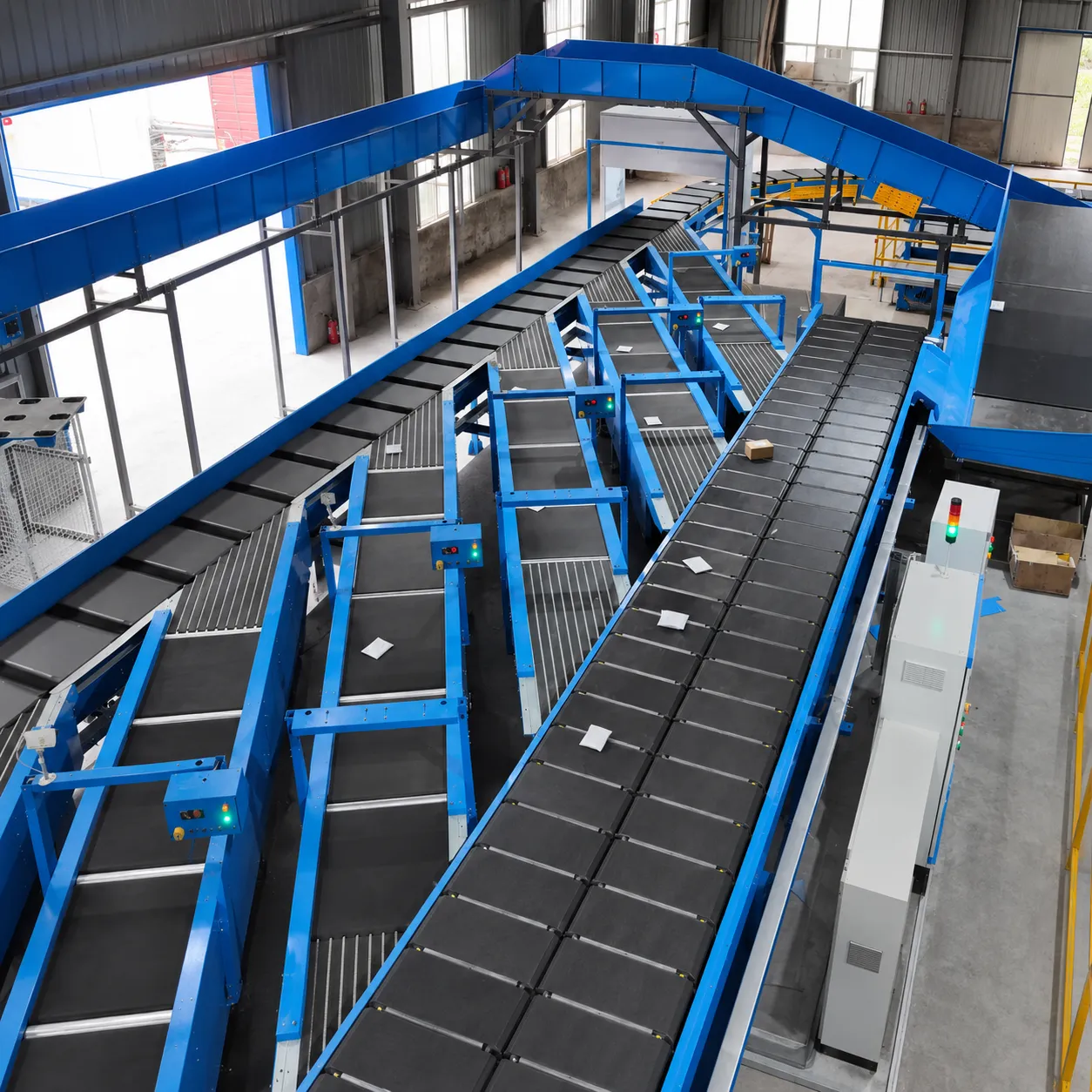
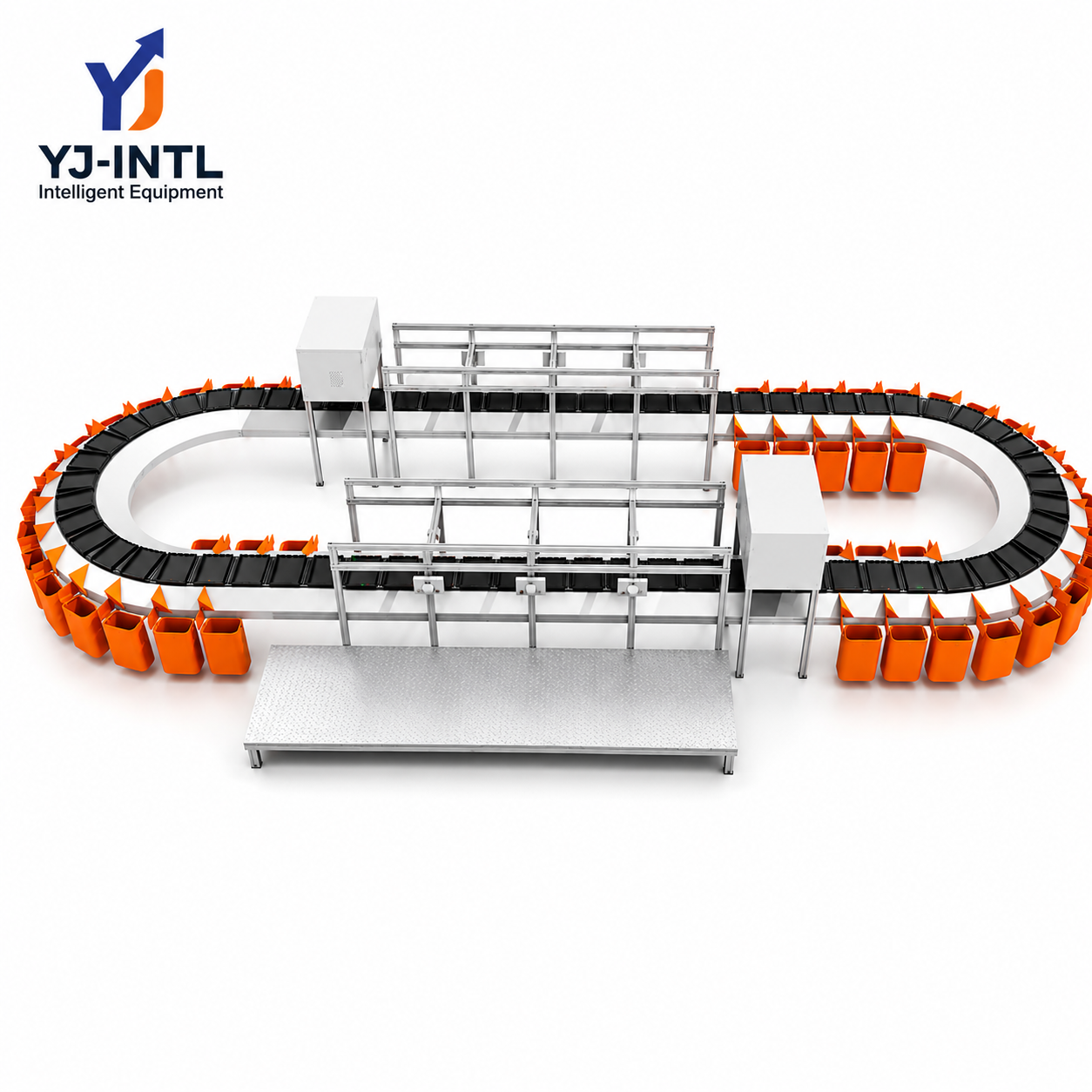
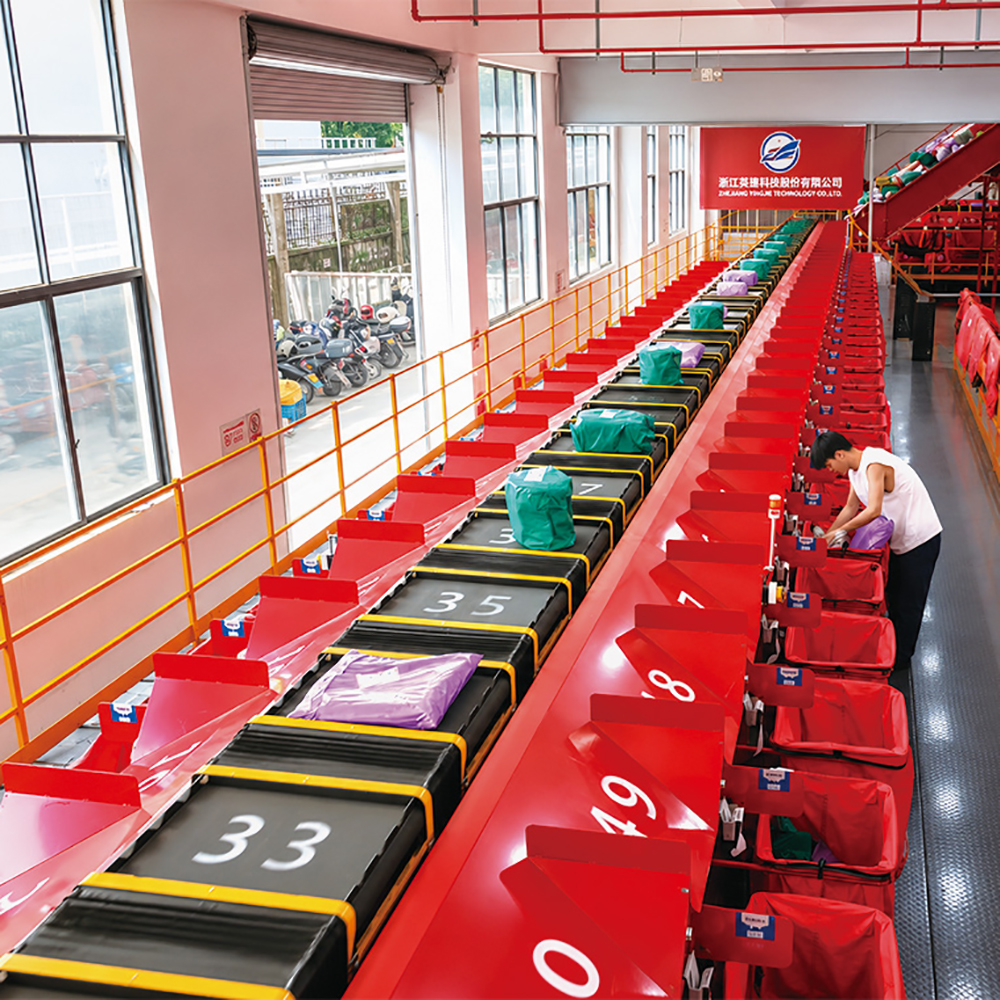
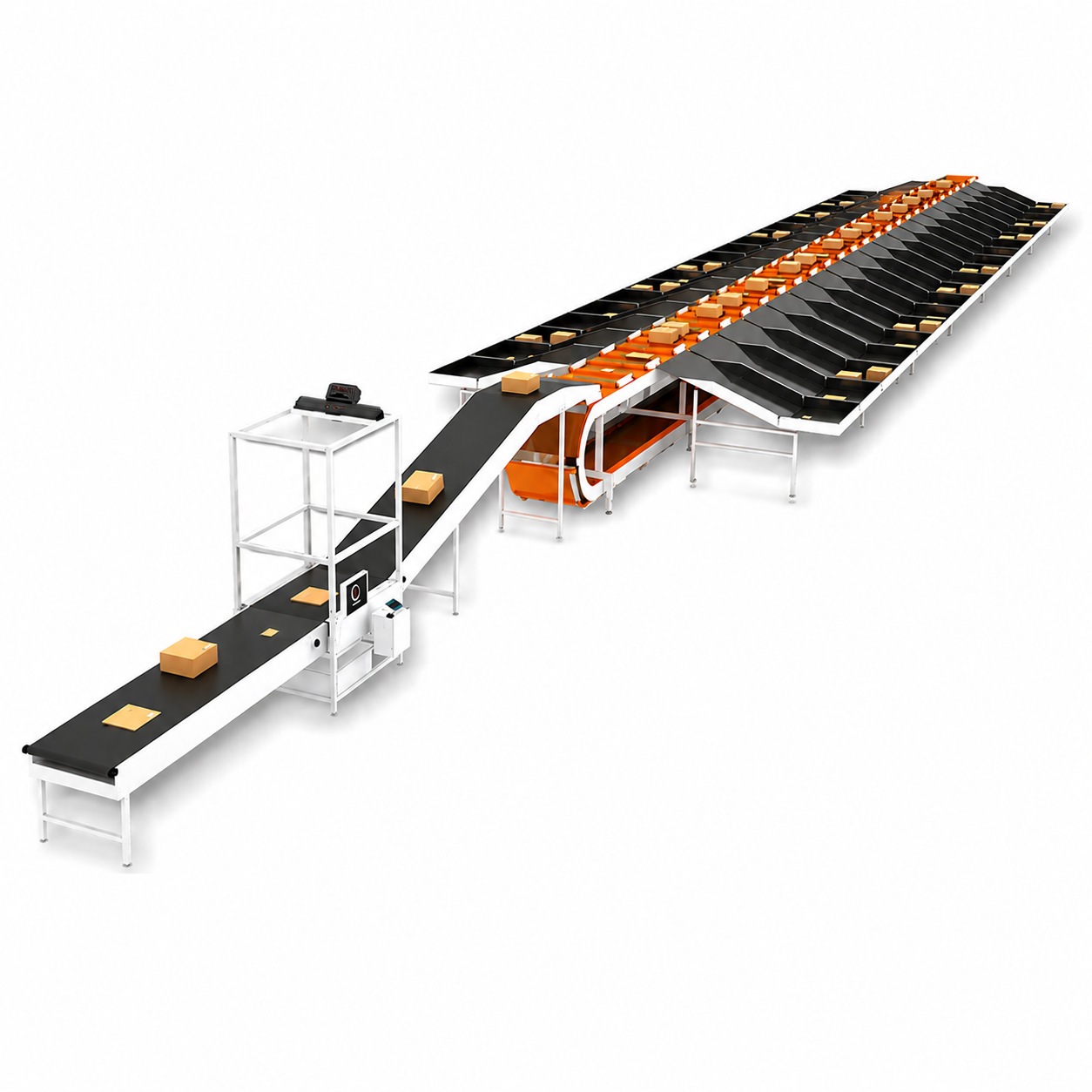
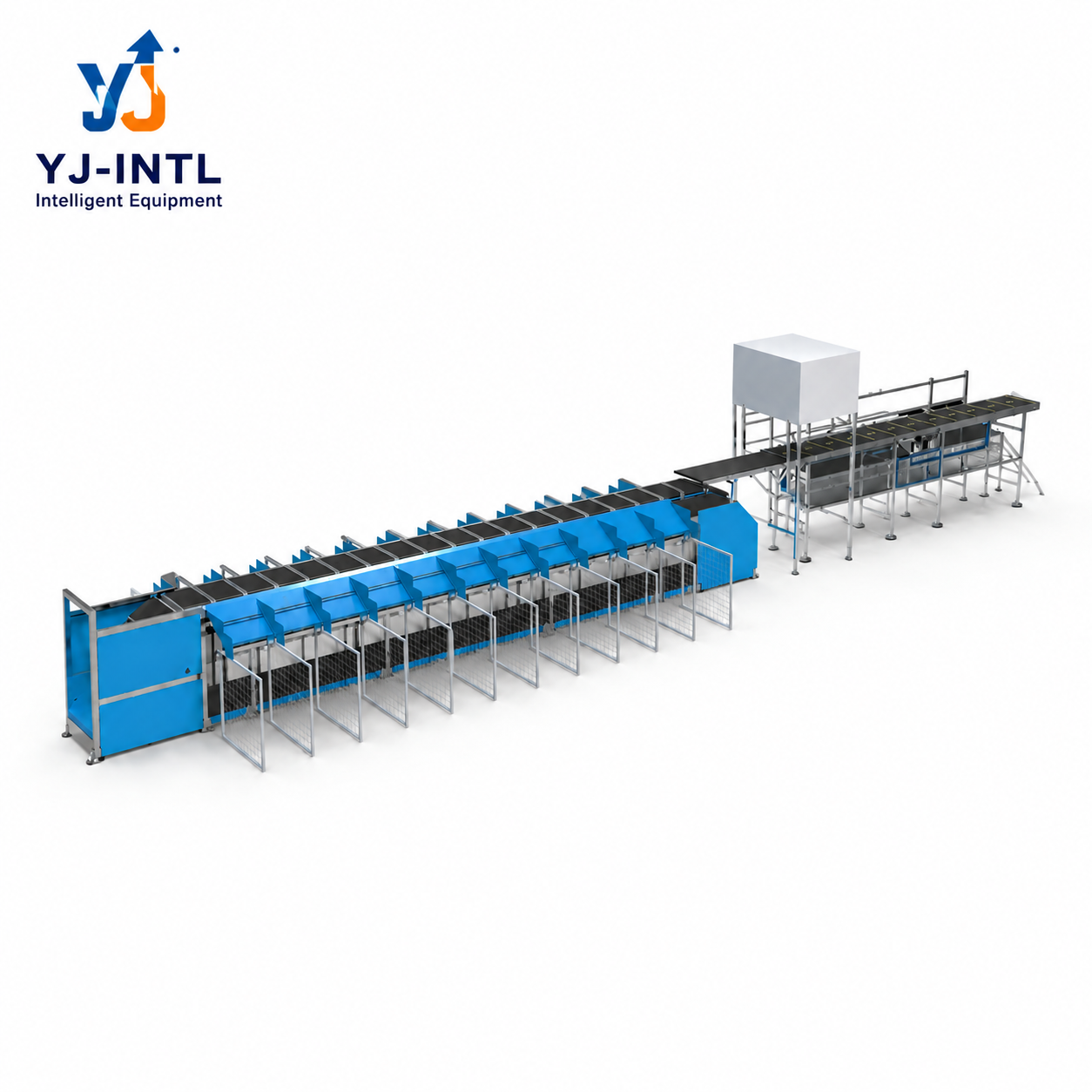
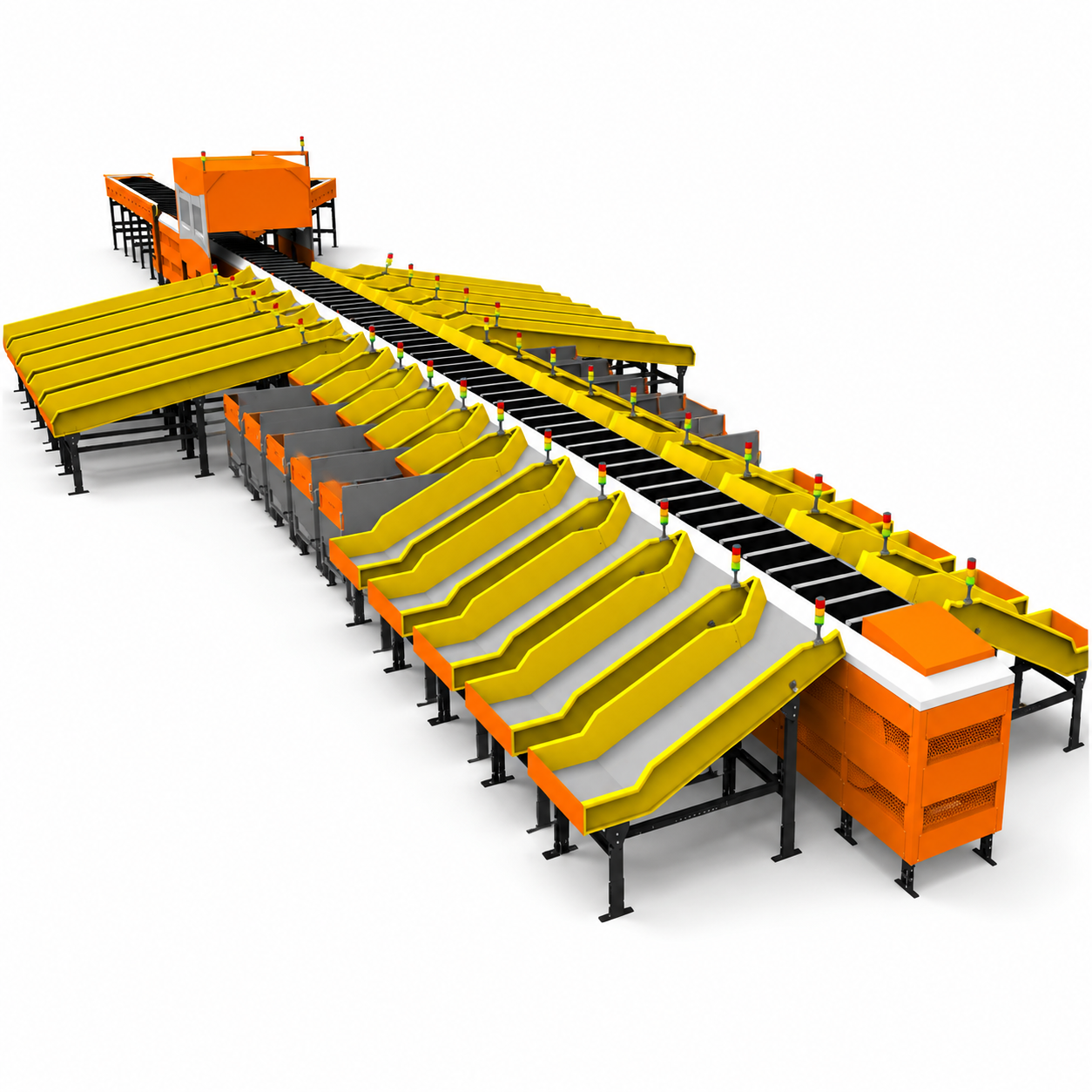
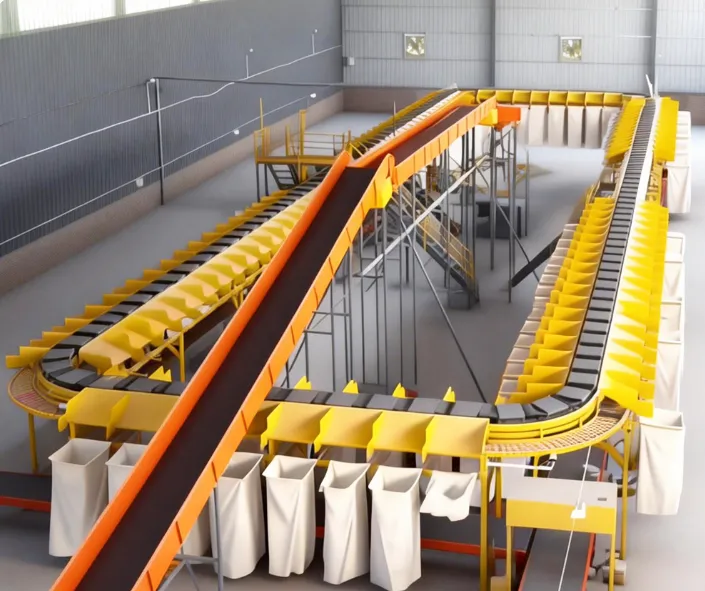
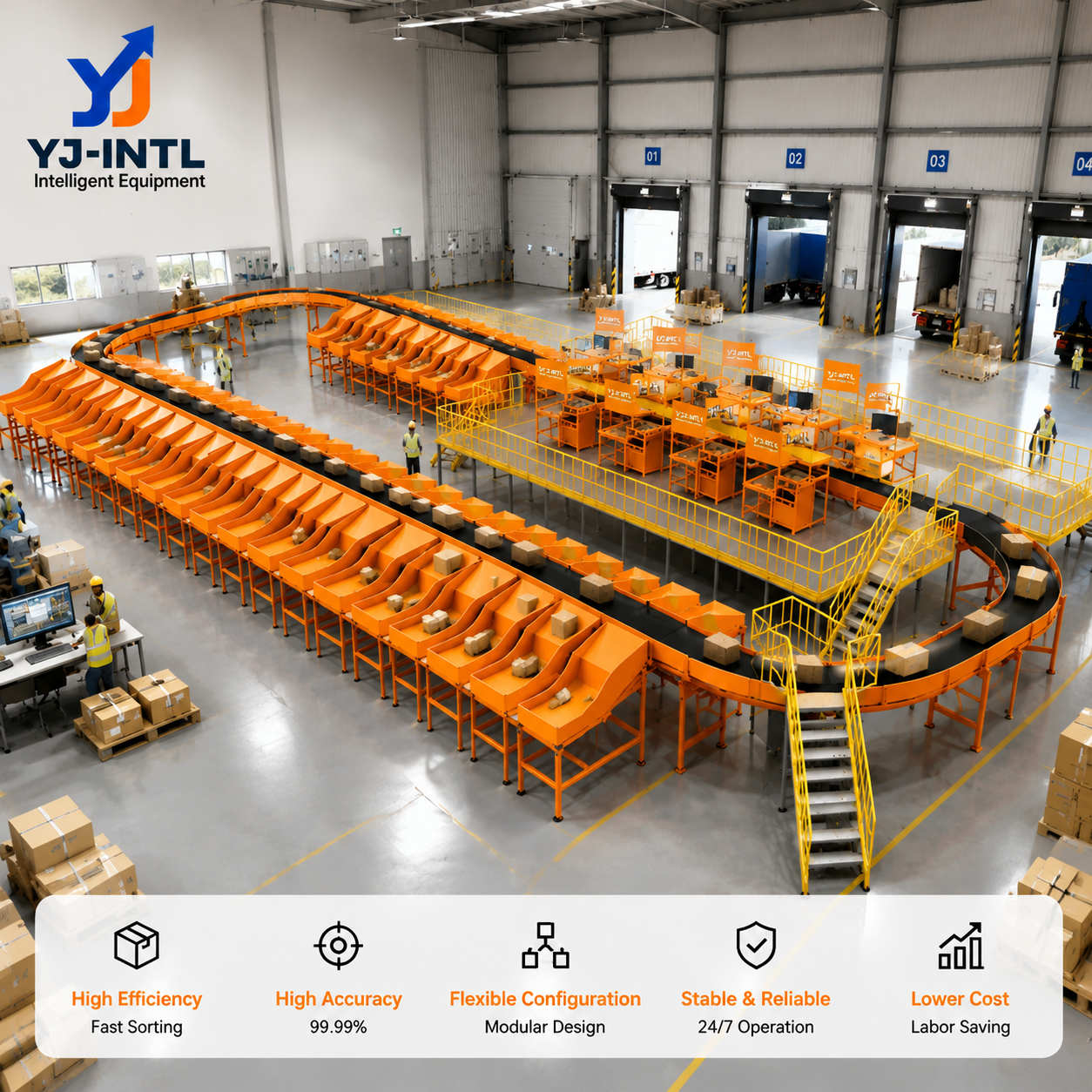
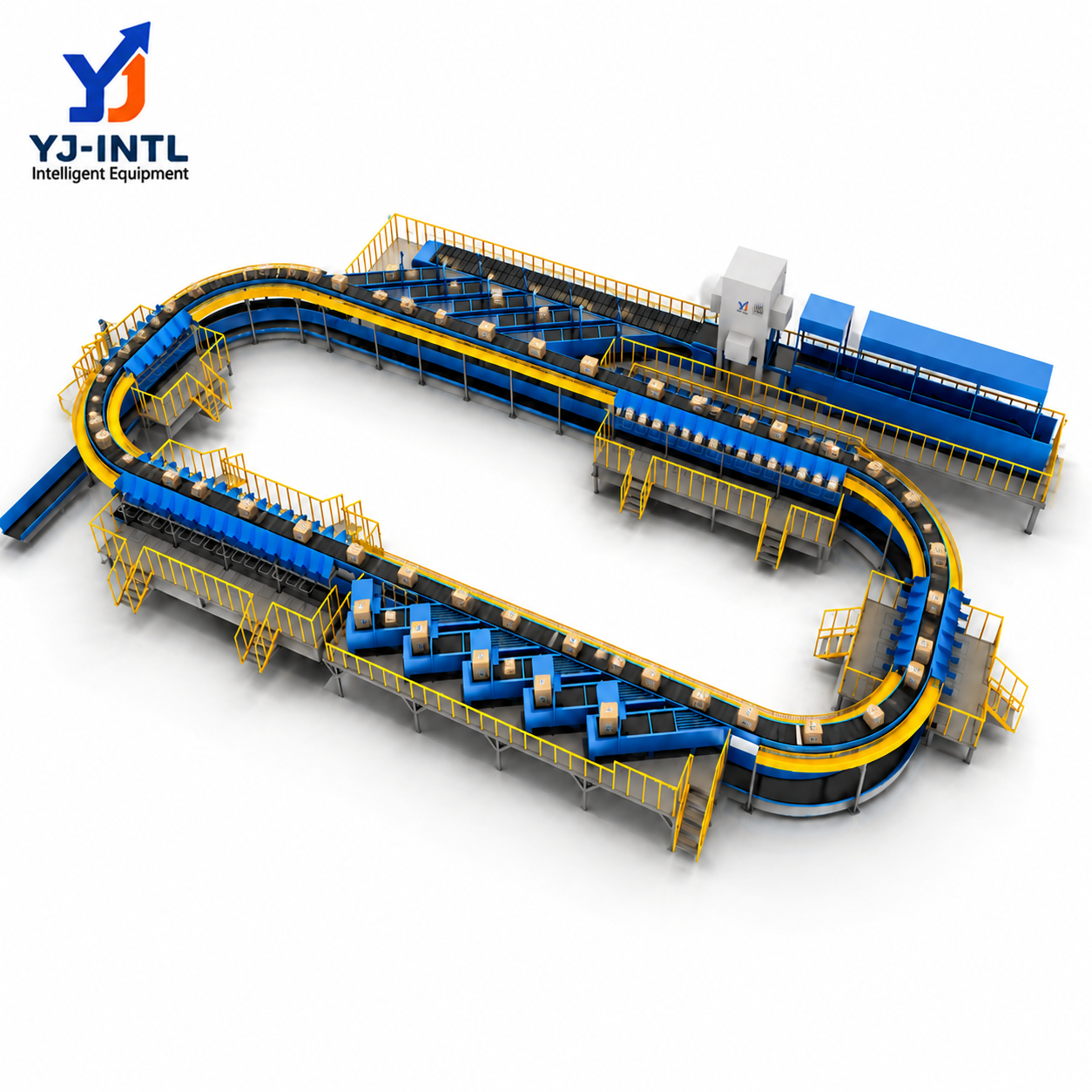
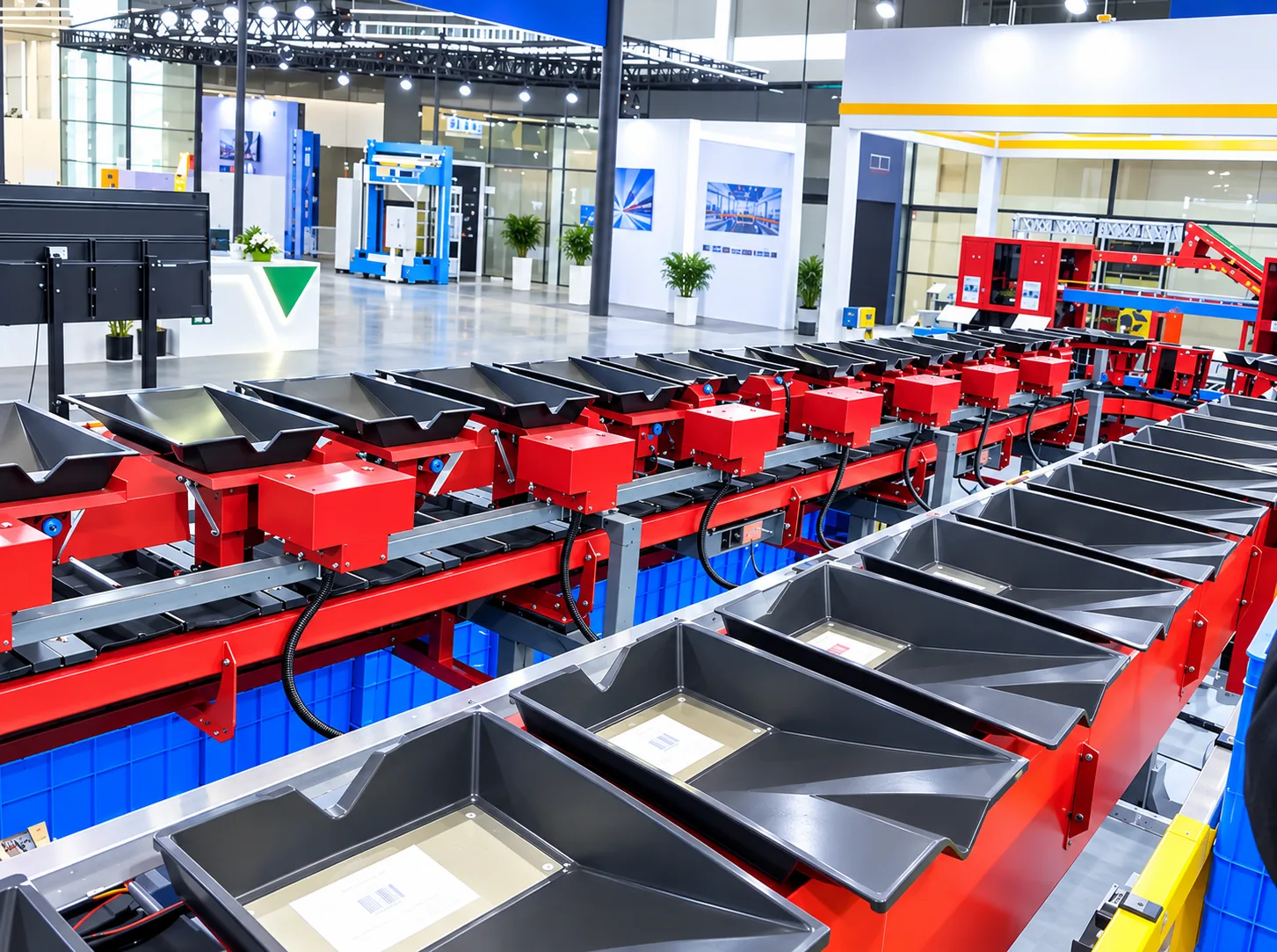
YJ-INTL Tilt Tray Sorter uses individually controlled trays to carry products through a continuous sorting loop and discharge them at the assigned destination by controlled tray tilting. The tray-based design helps keep lightweight, soft, small and irregular products contained during conveying, making it suitable for applications where conventional belt sorting may cause rolling, drifting or unstable positioning.
- Individual Tray Product Containment
- Controlled Tilt Discharge
- 7,000–12,000 Items/Hour Reference
- 0.05–15 kg Typical Load Range
- Small & Irregular Item Handling
- Multi-Destination Sorting
- No rolling or drifting
- No deformation impact
- No need for constant parameter adjustment
Technical Specifications
| Specification | Reference Engineering Range |
|---|---|
| Sorter Type | Tilt Tray Sorter |
| Sorting Capacity | Approx. 7,000–12,000 items/h* |
| Operating Speed | Approx. 1.0–1.6 m/s* |
| Tray Pitch | Approx. 400–600 mm* |
| Typical Item Weight | 0.05–15 kg* |
| Typical Item Size | Approx. 50 × 50 × 1 mm to 500 × 400 × 400 mm* |
| Sorting Direction | Left / Right / Customized |
| Induction | Manual or Automatic |
| Identification | Barcode / 2D Code / Camera / OCR* |
| Discharge | Tilt Tray Controlled Discharge |
| Destination | Chute / Tote / Cart / Conveyor |
| Control | PLC + Sorting Control System |
| Software Interface | WMS / WCS / Peripheral Systems |
| Layout | Linear / Loop / Customized |
| Application | E-commerce / Apparel / Postal / Express / Retail / 3PL |
Engineering note: Actual throughput, tray pitch, allowable parcel dimensions, load capacity, sorter speed and number of destinations must be calculated from the customer's product sample, induction rate, parcel distribution, destination quantity, layout and required service level.
Details
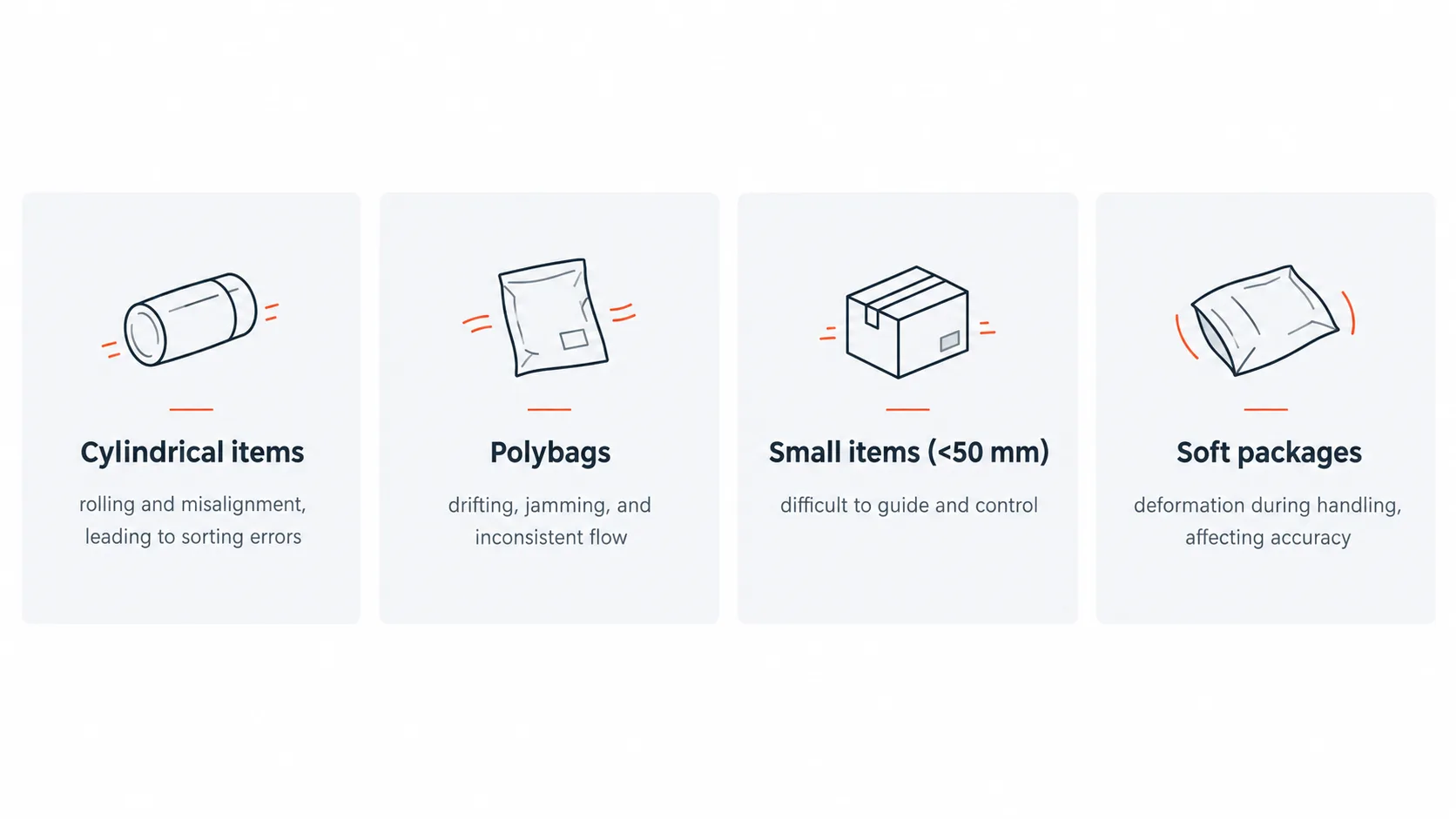
Challenges in Sorting Mixed & Unstable Items
Polybags & Soft PackagesFlexible packaging can deform or move unpredictably on conventional conveying surfaces.
Small ItemsSmall products can be difficult to position consistently for high-speed automated sorting.
Irregular ProductsProducts without a stable rectangular profile may require additional containment during transport.
Mixed Product Streams:Different sizes, weights and packaging formats make uniform sorting more difficult.
Key System Capabilities
01 — Individual Tray Handling
Each item is assigned to a defined tray position, reducing uncontrolled movement during transport.
02 — Controlled Discharge
The tray tilts at the programmed destination and releases the product into a chute, tote, cart or downstream conveyor.
03 — Multi-Destination Sorting
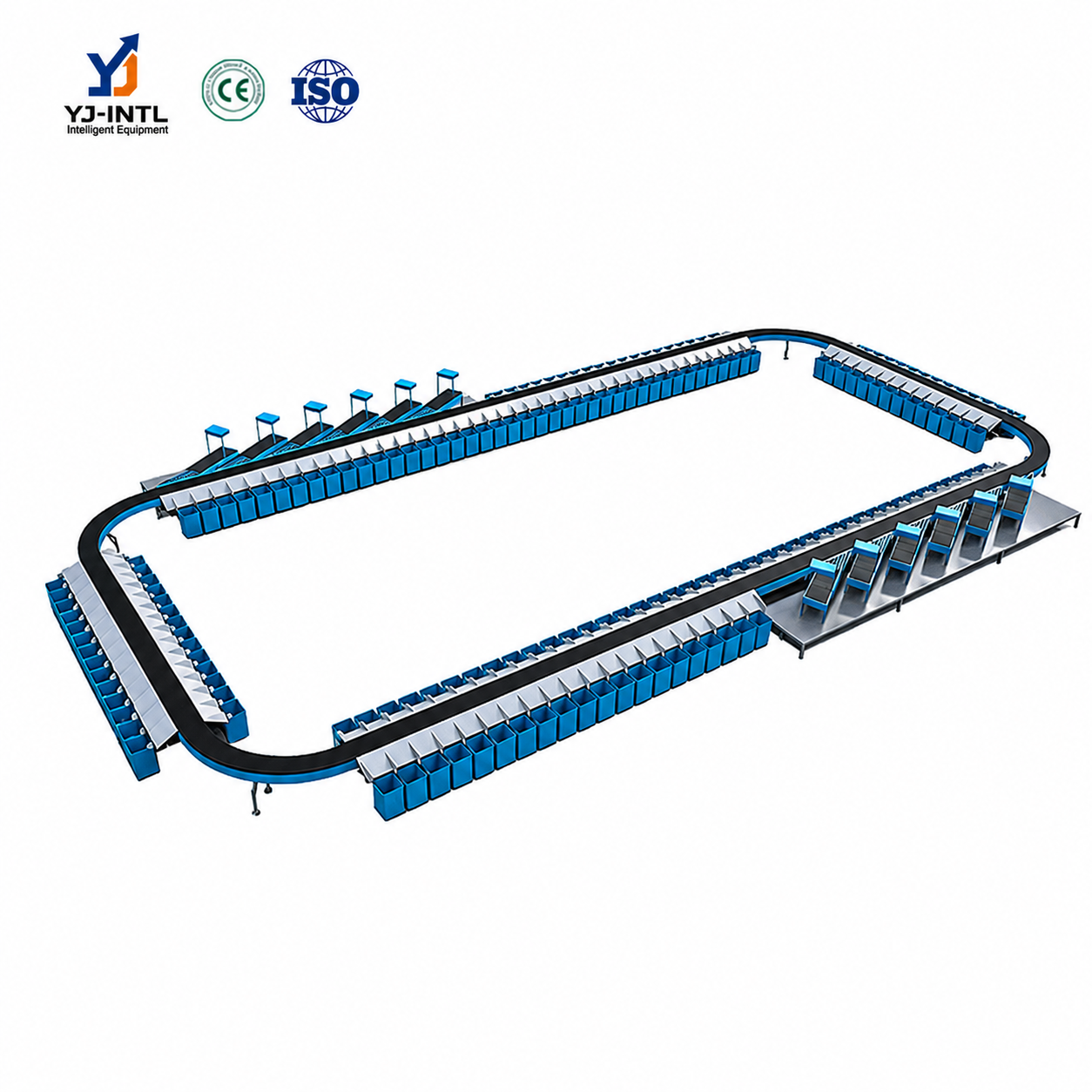
The loop can be configured with multiple discharge destinations according to the customer's SKU, route, order or geographic distribution requirements.
04 — Flexible Identification
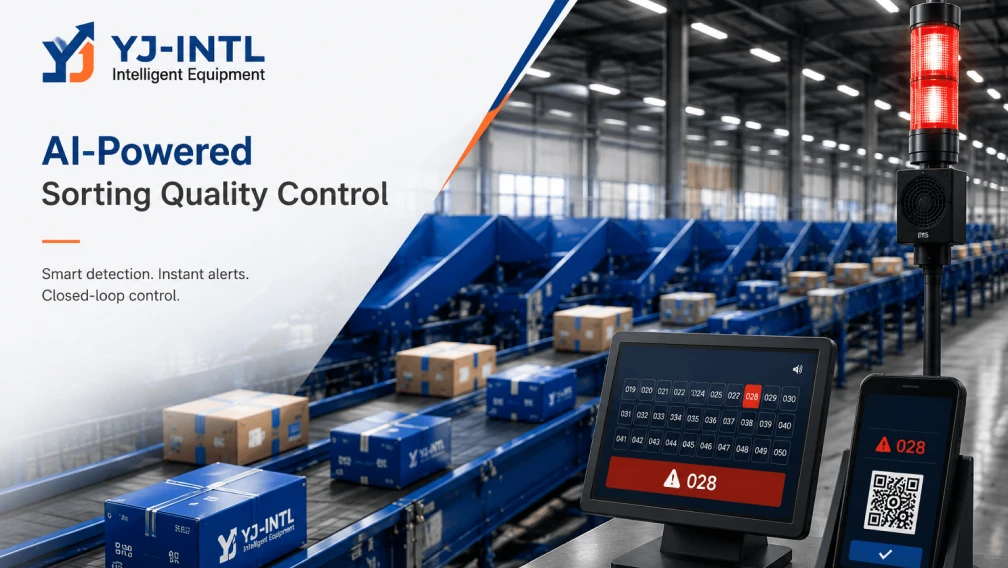
The sorting line can be configured with barcode readers, camera systems, OCR or other identification technologies depending on product characteristics and data requirements.
05 — Manual or Automated Induction
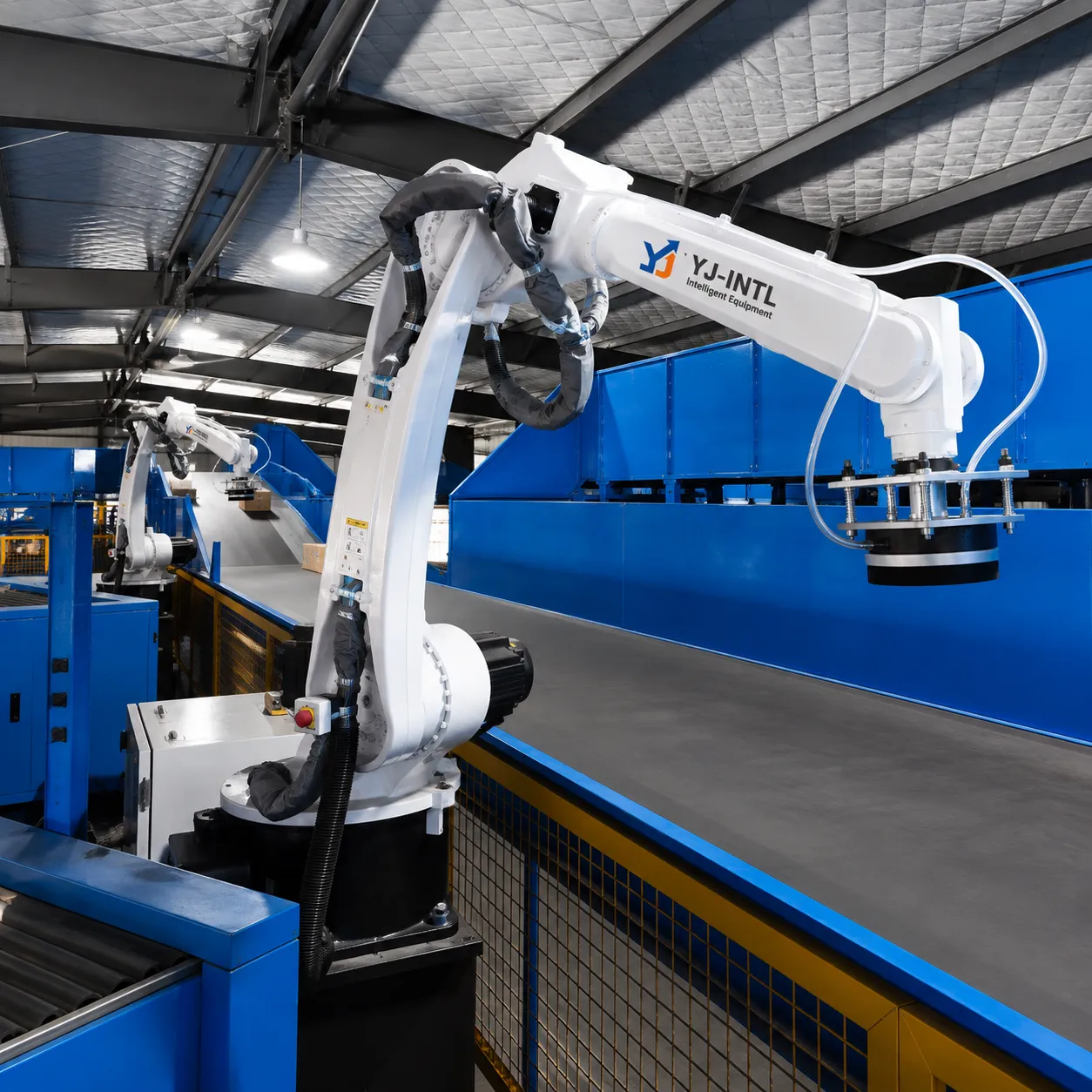
For lower-volume operations, operators can manually load trays. For higher-volume systems, automated feeding and singulation can be incorporated into the upstream process.
06 — Software Integration
The sorter controller can exchange destination information with WMS, WCS and other warehouse or parcel-processing systems.
Typical Applications
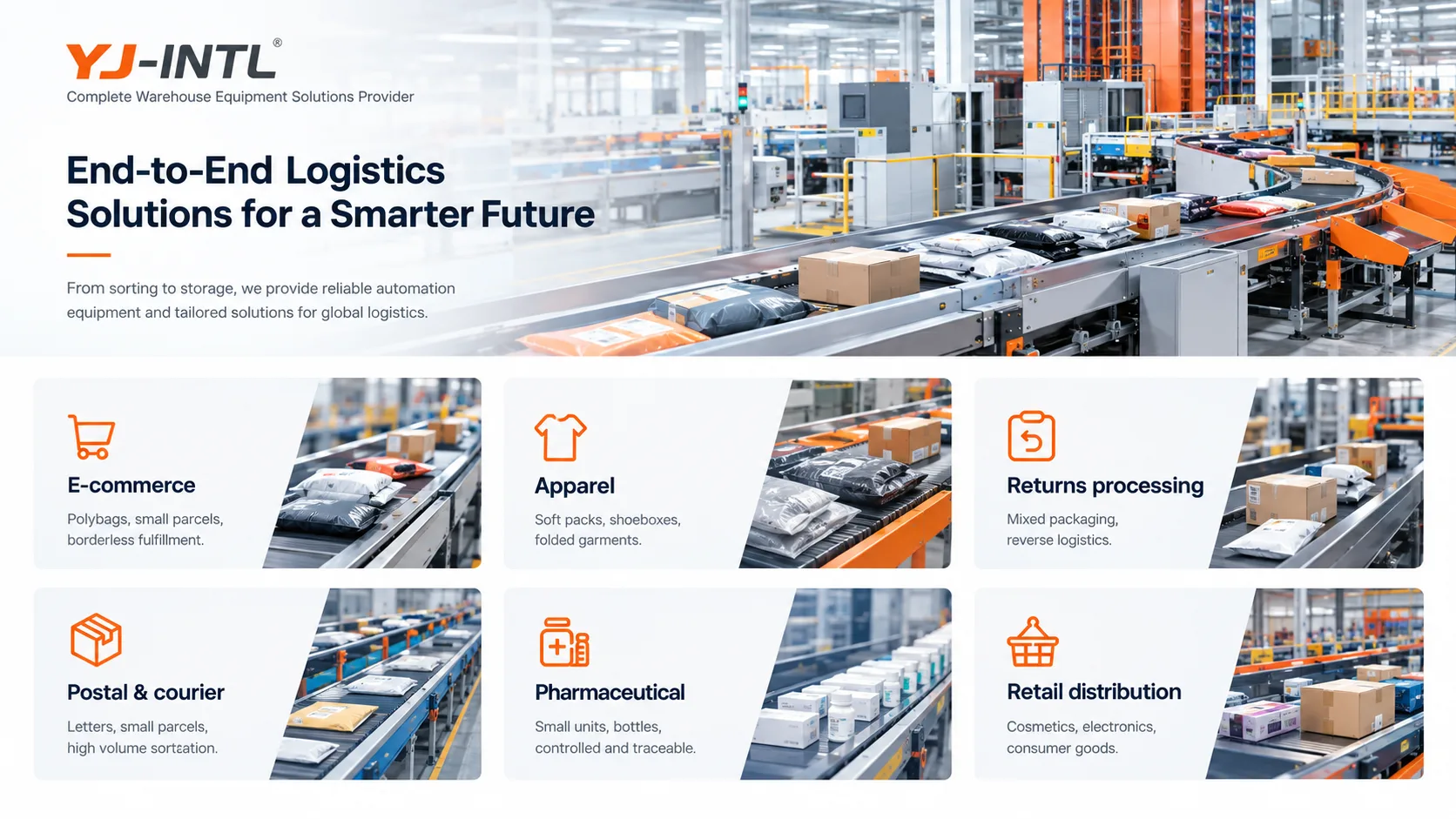
E-commerce Fulfillment
Suitable for sorting small parcels, apparel packages, polybags, footwear and mixed e-commerce orders.
Apparel & Footwear
The tray provides a controlled carrying surface for garments, shoes and flexible packaging.
Courier & Express
Can be configured for multi-destination parcel distribution where product dimensions and packaging types vary.
Retail Distribution
Suitable for store replenishment, SKU distribution and mixed-item outbound operations.
Returns Processing
Useful where returned products have highly variable packaging, sizes and shapes.
Postal & Small Parcel Processing
Suitable for applications requiring automated destination allocation for small parcels and lightweight items.
How the System Works?
Induction → Identification → Transport → Controlled Discharge
- Items are placed into individual trays
- Barcode scanning identifies each item
- Trays circulate along a closed-loop track
- At the destination, trays tilt (45-60 degrees) for controlled discharge
- No pushing or impact
- Gentle handling for soft or deformable items
Start With Your Product, Not the Machine
For a preliminary tilt tray sorter design, send YJ-INTL:
- Product photos
- Minimum / maximum dimensions
- Minimum / average / maximum weight
- Product packaging types
- Average hourly volume
- Peak hourly volume
- Number of destinations
- Required sorting accuracy
- Available installation area
- Existing conveyor or WMS/WCS information
If representative samples are available, they are especially useful for determining tray dimensions, induction design, discharge behavior and system throughput.
Why YJ-INTL?
Engineering Design
Layout planning based on throughput, product characteristics, destinations and available space.
Equipment Manufacturing
Core conveying, sorting and material-handling equipment manufactured according to the approved project configuration.
System Integration
Integration of induction, scanning, sorting controls, conveyors, chutes and software interfaces.
Installation & Commissioning
On-site installation, system testing and commissioning support.
Operator Training
Training covering normal operation, basic troubleshooting and equipment handling.
After-Sales Support
Spare parts, technical assistance, maintenance guidance and system optimization throughout the operating lifecycle.
FAQ
A tilt tray sorter is an automated sorting system that transports products on individual trays and releases them at designated destinations by tilting the tray. It is commonly considered for applications involving mixed, small, soft or irregular products that benefit from controlled product containment.
Products are loaded onto individual trays, identified by barcode or vision technology, tracked through the sorting loop and discharged when the tray reaches its assigned destination. The tray then returns to its normal conveying position for the next cycle.
Typical applications include e-commerce parcels, apparel, footwear, polybags, small cartons, envelopes, retail products, postal items and other mixed-format products. Final suitability depends on the actual product dimensions, weight, packaging and discharge behavior.
Yes. Individual trays can provide more controlled product positioning than an open belt surface, making tilt tray systems suitable for many soft packages, polybags and apparel applications. Representative product samples should be tested before final equipment selection.
Typical capacity depends on tray pitch, operating speed, induction efficiency, product dimensions, destination distribution and system configuration. A preliminary engineering range may be around 7,000–12,000 items/hour, but the final project capacity must be calculated from actual operating conditions.
Yes. Destination chutes can generally be arranged on one or both sides of the sorter depending on the layout, product flow and discharge requirements. The final configuration is determined during system design.
Yes. The sorting control system can be designed to exchange destination and order information with WMS, WCS and other warehouse or parcel-processing systems. The required interface depends on the customer's existing software architecture.
Yes. Depending on the required throughput and product characteristics, the system can be configured with manual induction, assisted feeding or automated induction and singulation.
The number of destinations is a project-design parameter rather than a universal fixed value. It depends on available space, sorter length, tray pitch, discharge arrangement, destination container size and required throughput.
Start with the product rather than selecting a sorter from throughput alone. YJ-INTL recommends providing product dimensions, weight, packaging type, hourly volume, peak volume, destination quantity, induction method and site layout so the appropriate tray configuration and sorting architecture can be engineered.