Continuous Linear Cross Belt Sorting with Project-Based Layout and Integration
Linear Cross Belt Sorter | Automated Parcel Sorting System
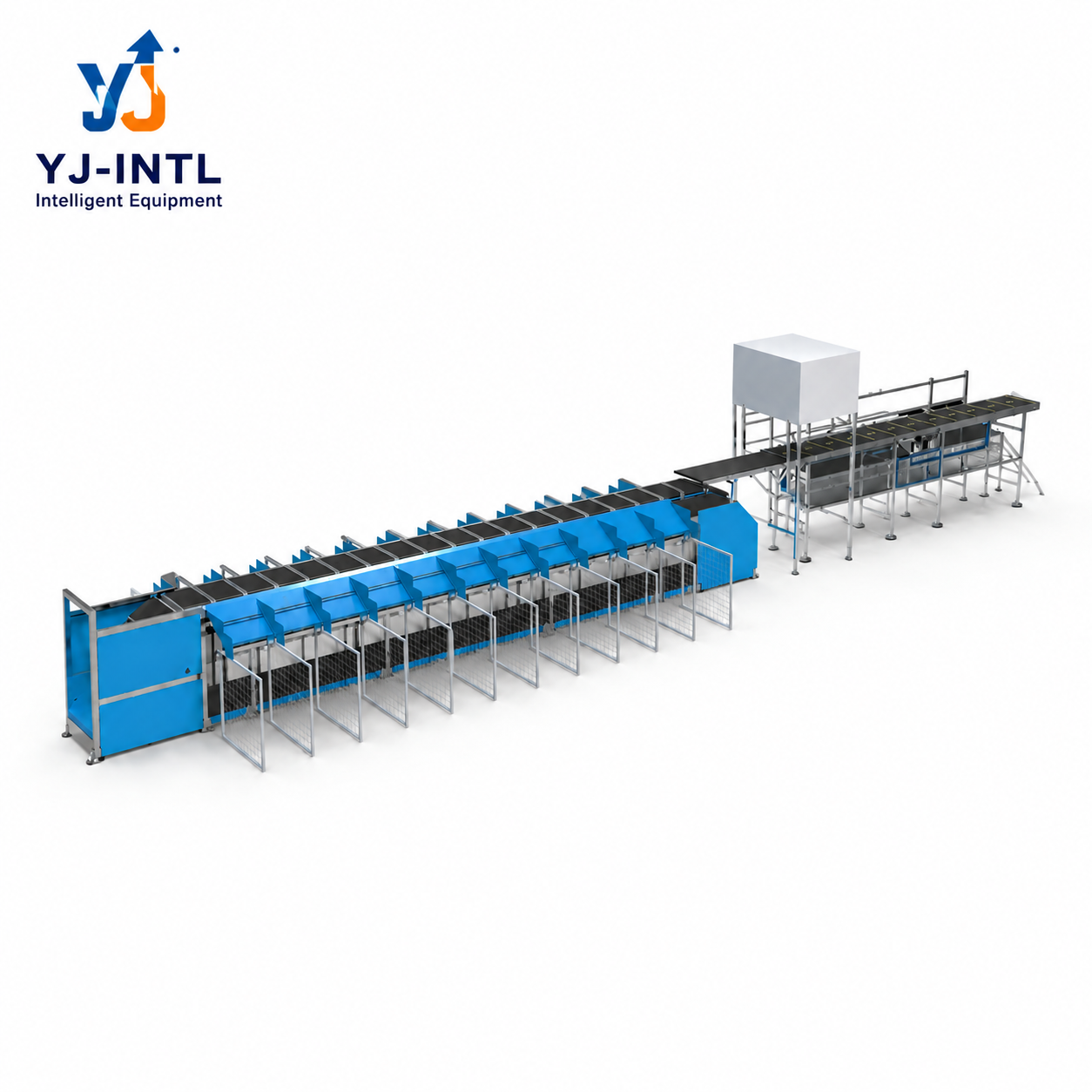
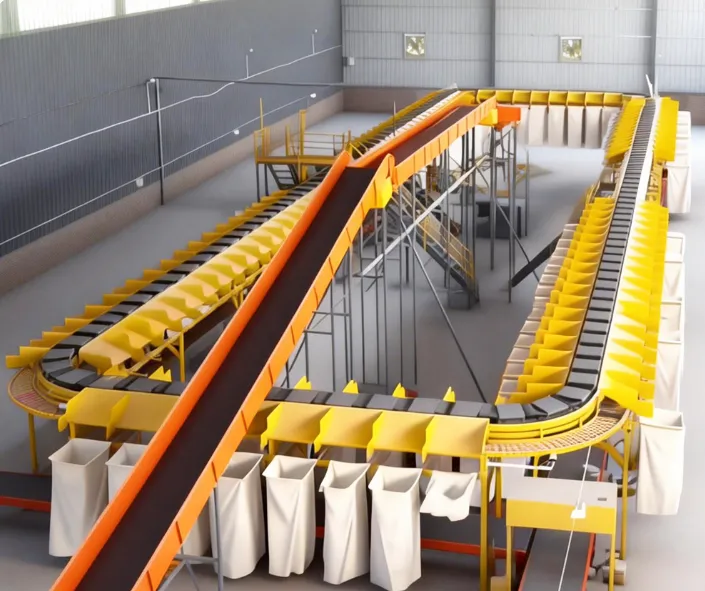
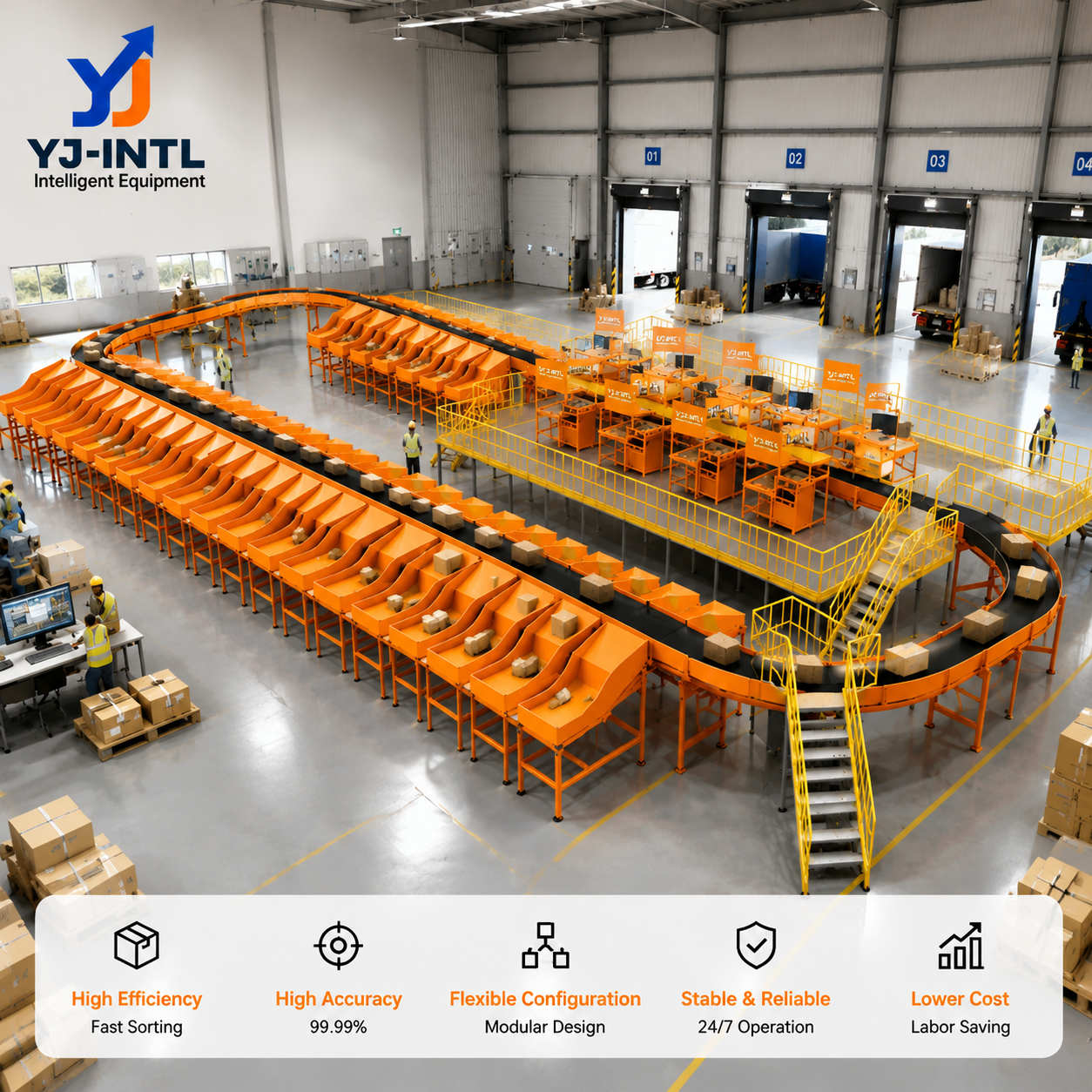
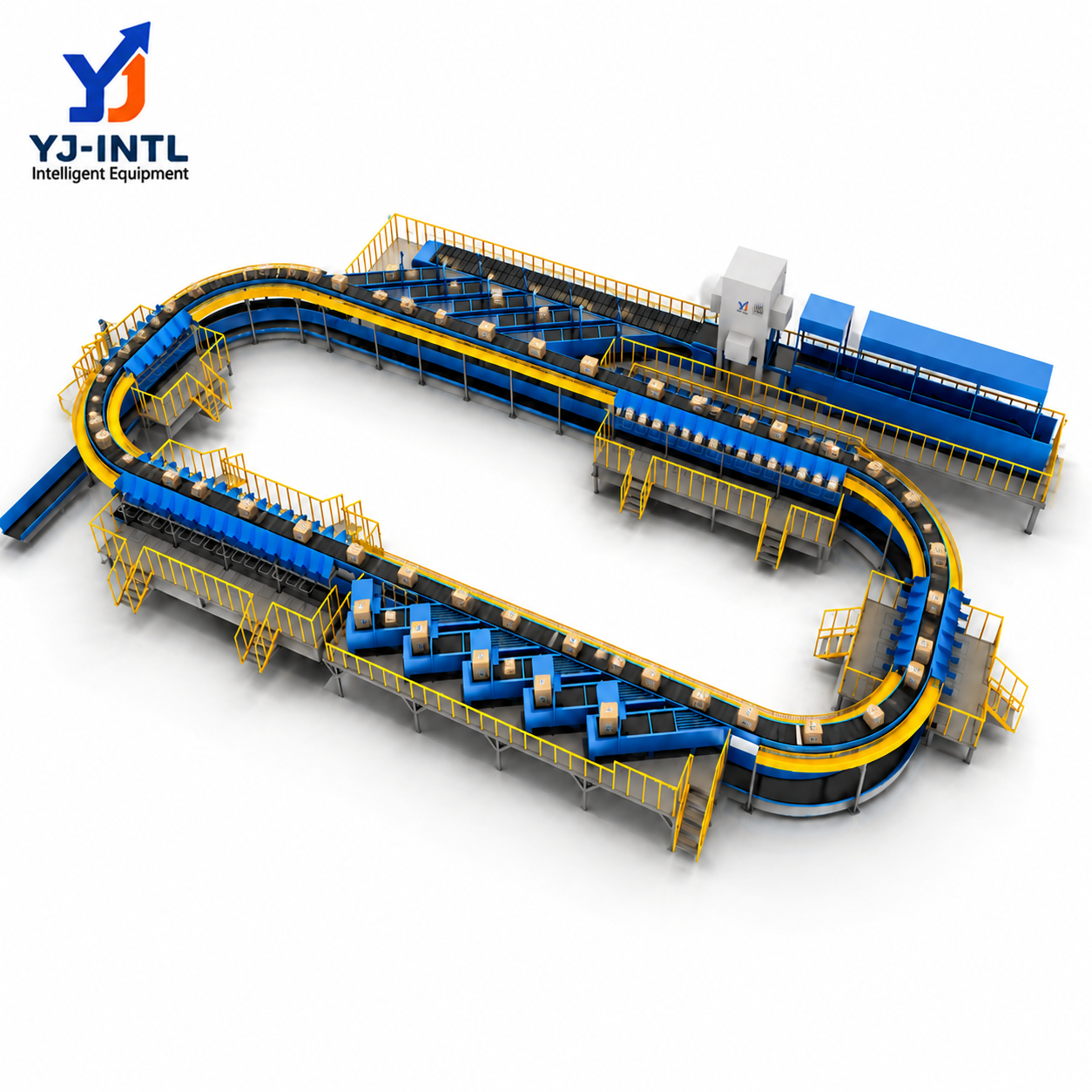
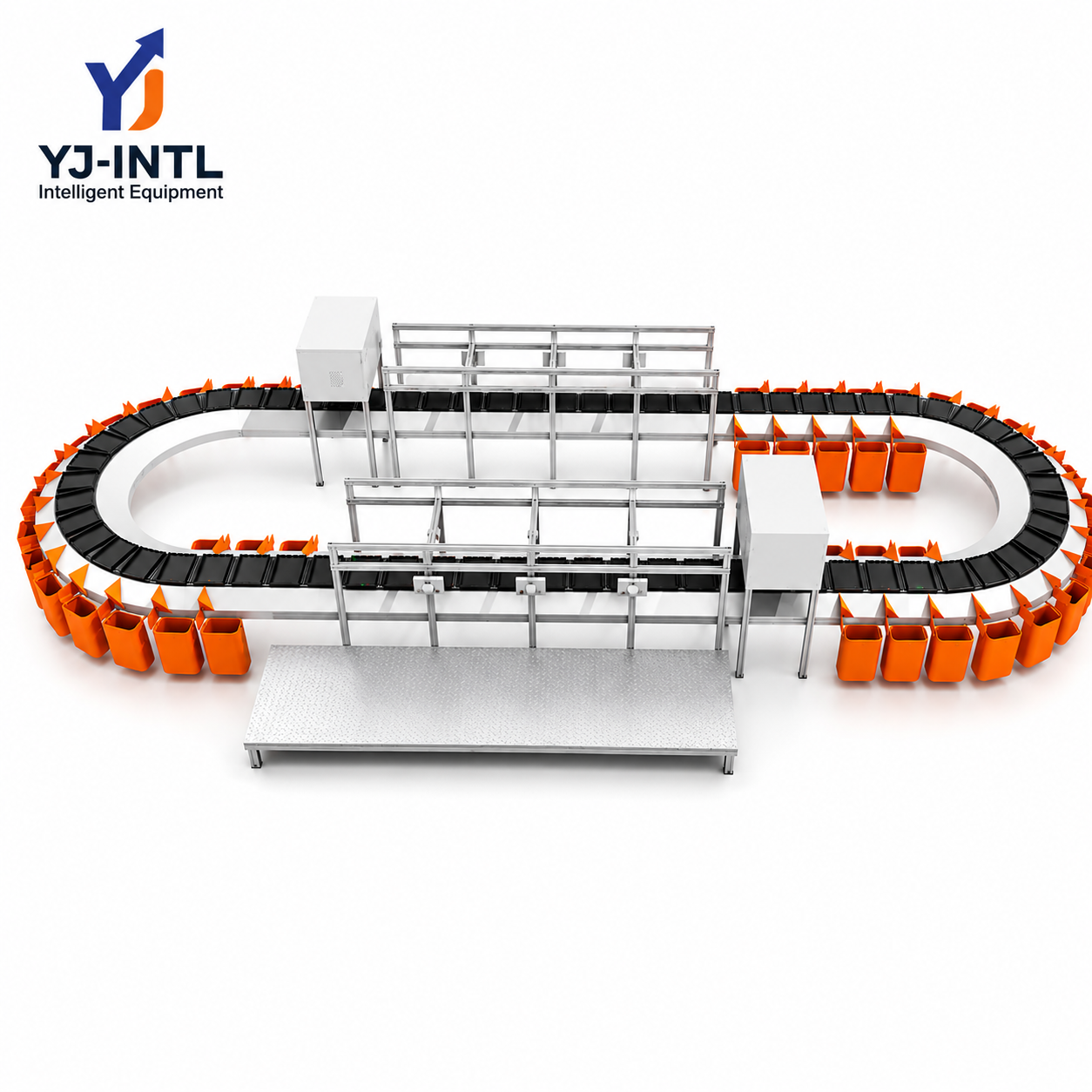
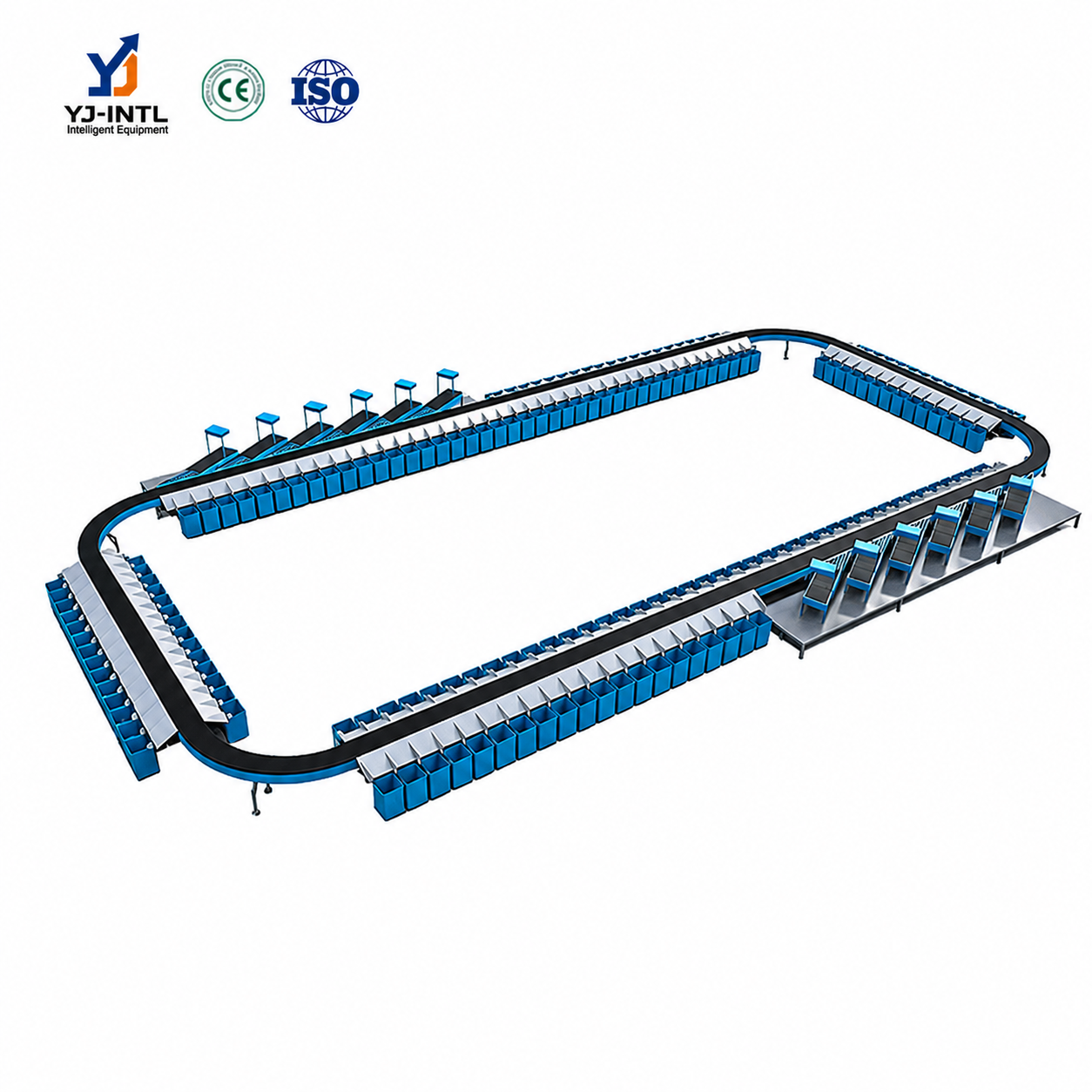
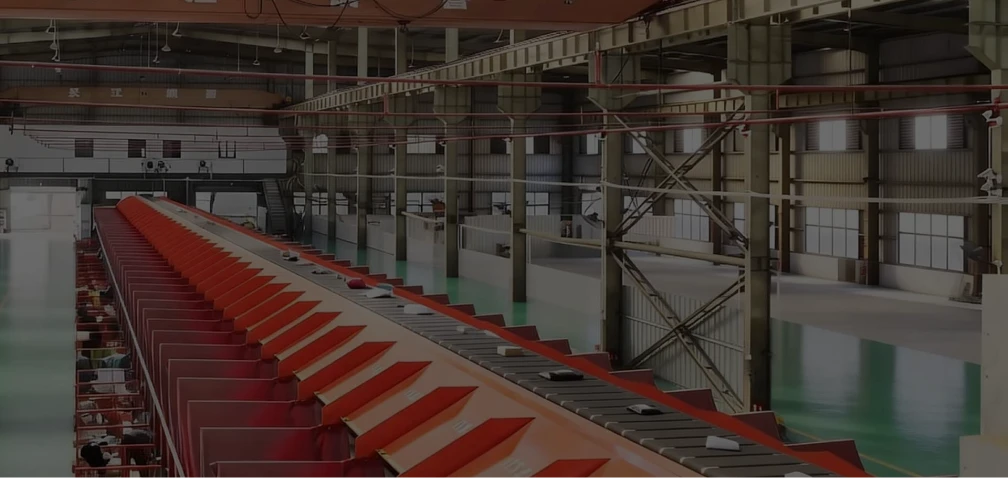
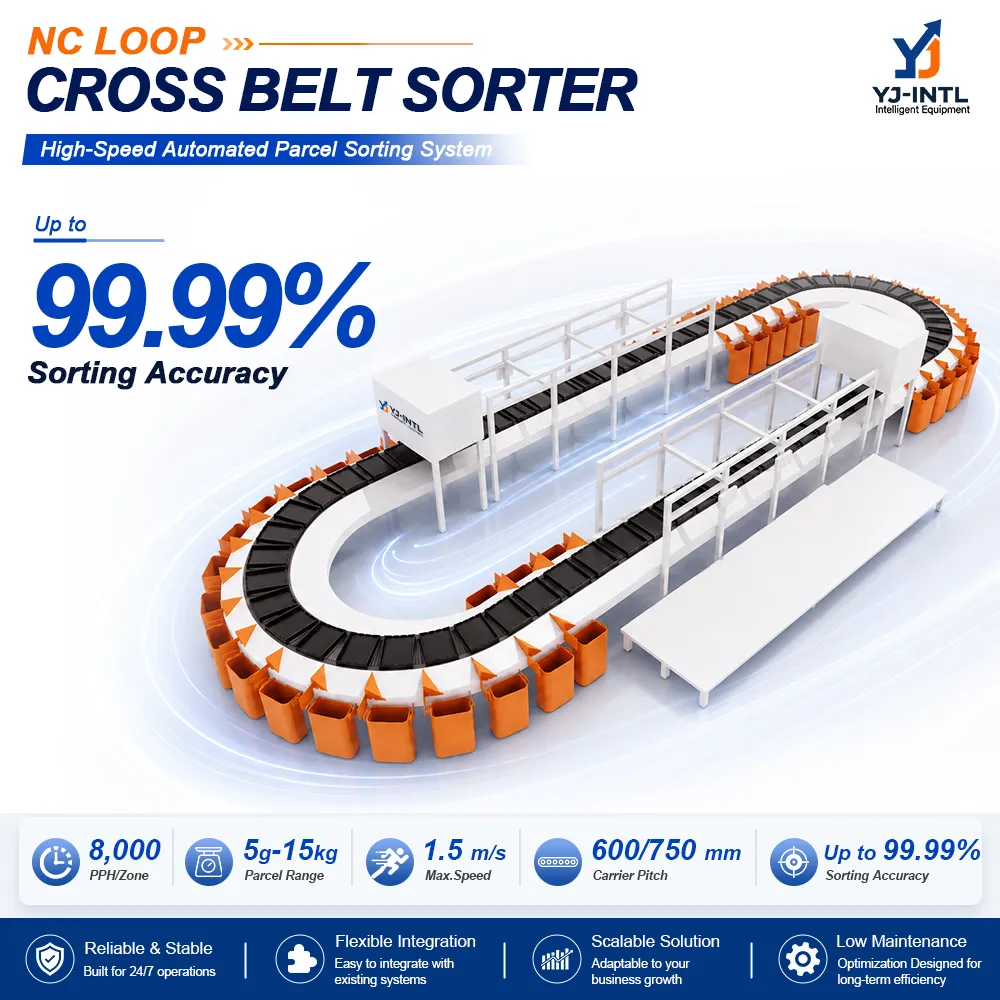
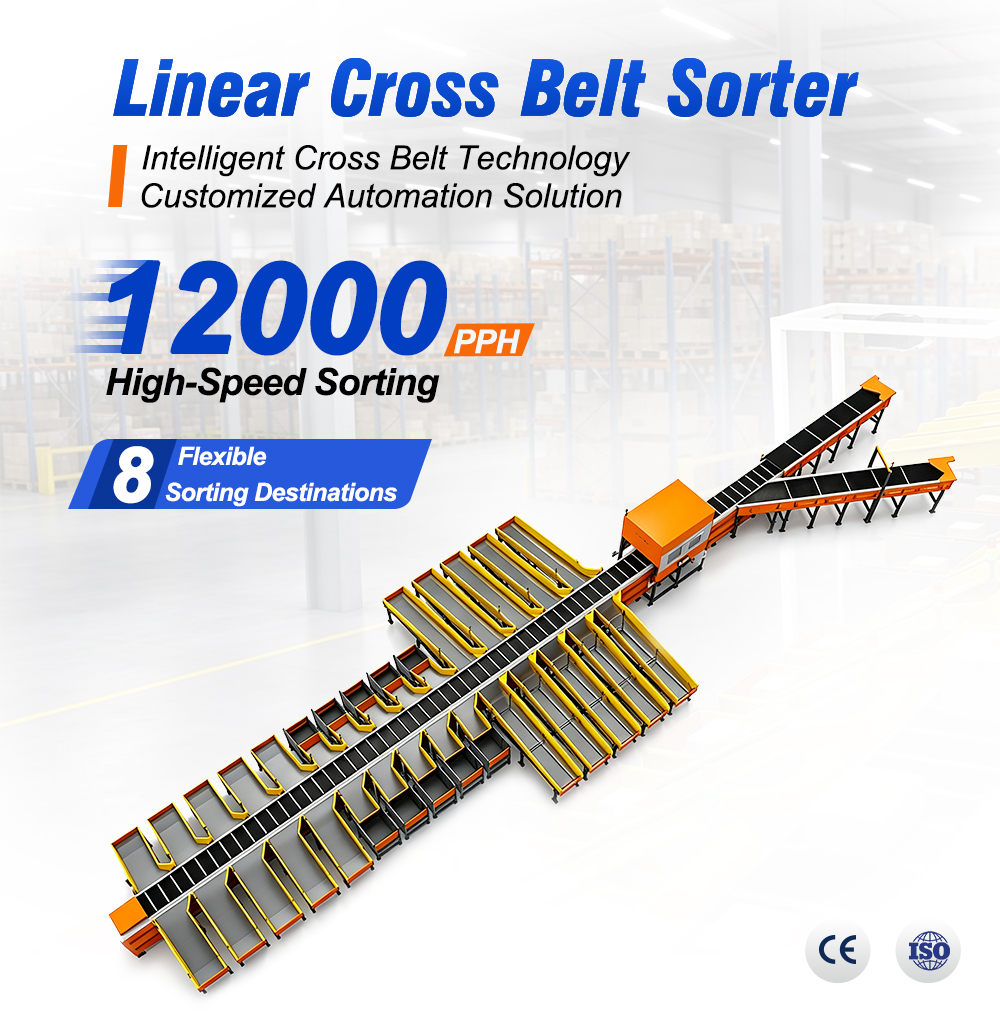
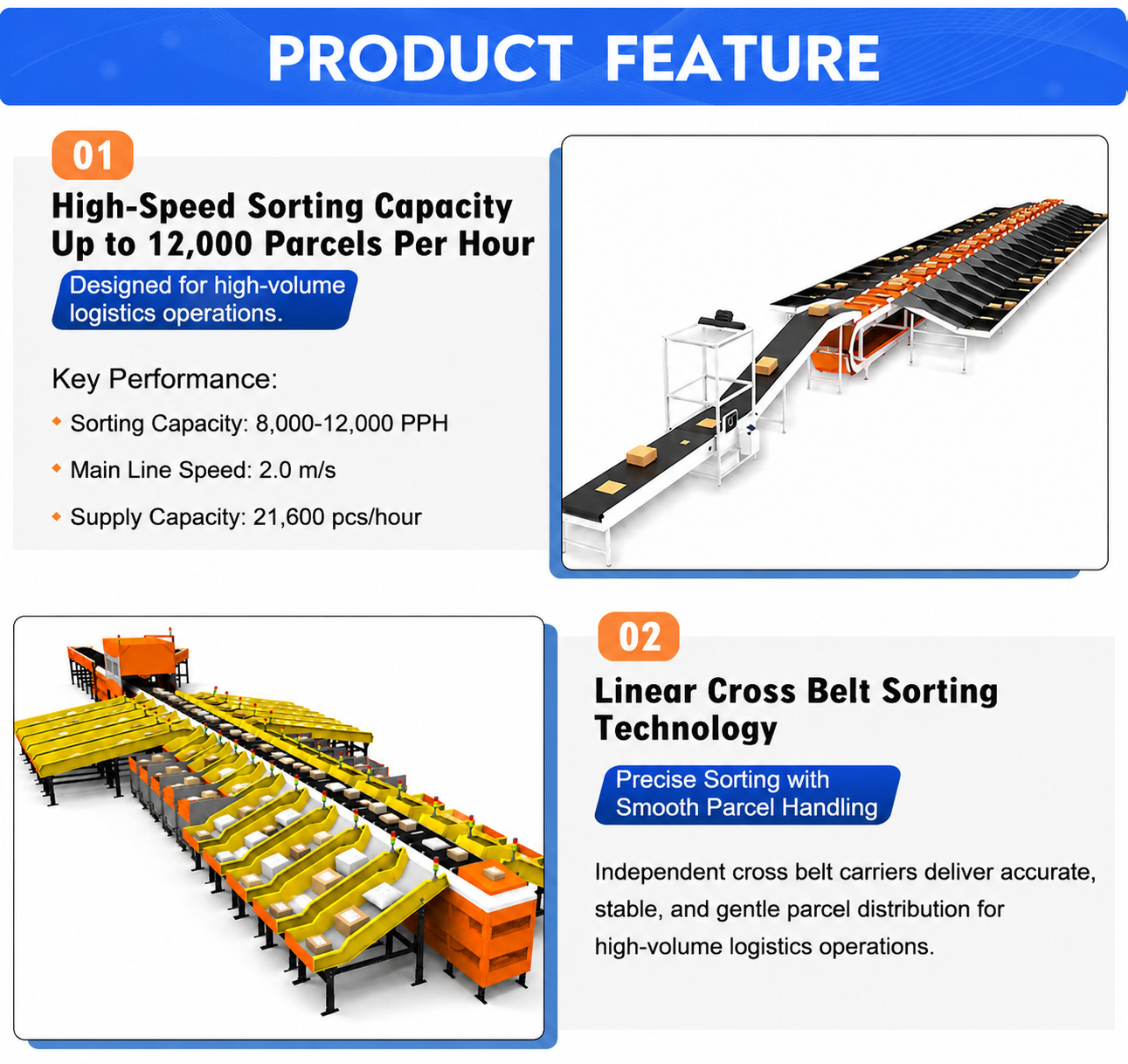
YJ-INTL Linear Cross Belt Sorter is a continuous automated parcel sorting system designed for logistics hubs, e-commerce fulfillment, 3PL and distribution operations. The supplied product material specifies up to 12,000 pieces/hour, while the final throughput, carrier configuration, parcel range and destination layout are engineered according to the application.
It integrates parcel induction, identification, carrier tracking and controlled lateral discharge into a continuous sorting flow, with DWS, WMS/WCS and downstream conveyor integration available according to project requirements.
- Up to 12,000 Pieces/Hour Capacity
- Continuous Linear Cross-Belt Sorting
- Controlled Lateral Parcel Discharge
- Flexible Sorting Destinations and Chute Layout
- DWS / Barcode / WMS / WCS Integration
- Custom CAD and Layout Engineering
- Project-Based Parcel and Throughput Configuration
Technical Specifications
| Parameter | Specification |
|---|---|
| Product Type | Linear Cross Belt Sorter |
| Sortation Type | Cross Belt Sortation |
| System Layout | Linear configuration |
| Sorting Capacity | Up to 12,000 pieces/hour* |
| Sorting Method | Lateral cross-belt discharge |
| Sorting Destinations | Customized according to project requirements |
| Parcel Type | Parcels, cartons, bags and other stable unit loads subject to engineering review |
| Parcel Dimensions | Project-specific; confirmed from actual parcel profile and carrier design |
| Parcel Weight | Project-specific; confirmed from actual load profile and carrier design |
| Identification | Barcode scanning / DWS integration available according to project requirements |
| Weighing & Dimensioning | Available as part of an integrated parcel data-capture solution |
| Induction | Manual, automated or hybrid configuration according to application |
| Control & Integration | Project-specific PLC, sorter control and WMS/WCS interfaces |
| System Layout & Chutes | Customized to facility layout and outbound process |
| Application | Express logistics, e-commerce, 3PL, retail distribution and parcel hubs |
*Engineering note: 12,000 pieces/hour is the maximum capacity presented in the supplied product material. Sustained operating throughput depends on parcel mix, induction spacing, identification rate, destination distribution, recirculation, equipment availability and downstream capacity. Final specifications must be confirmed by project engineering.
Details
Linear Cross Belt Sorter Overview
Linear Cross Belt Sorter is a continuous automated parcel sorting solution for logistics hubs, e-commerce fulfillment operations, 3PL facilities, retail distribution and other high-volume material-handling environments. The supplied product material specifies a sorting capacity of up to 12,000 pieces per hour, while the final system is engineered around the actual parcel profile, induction process, destination count and downstream flow.
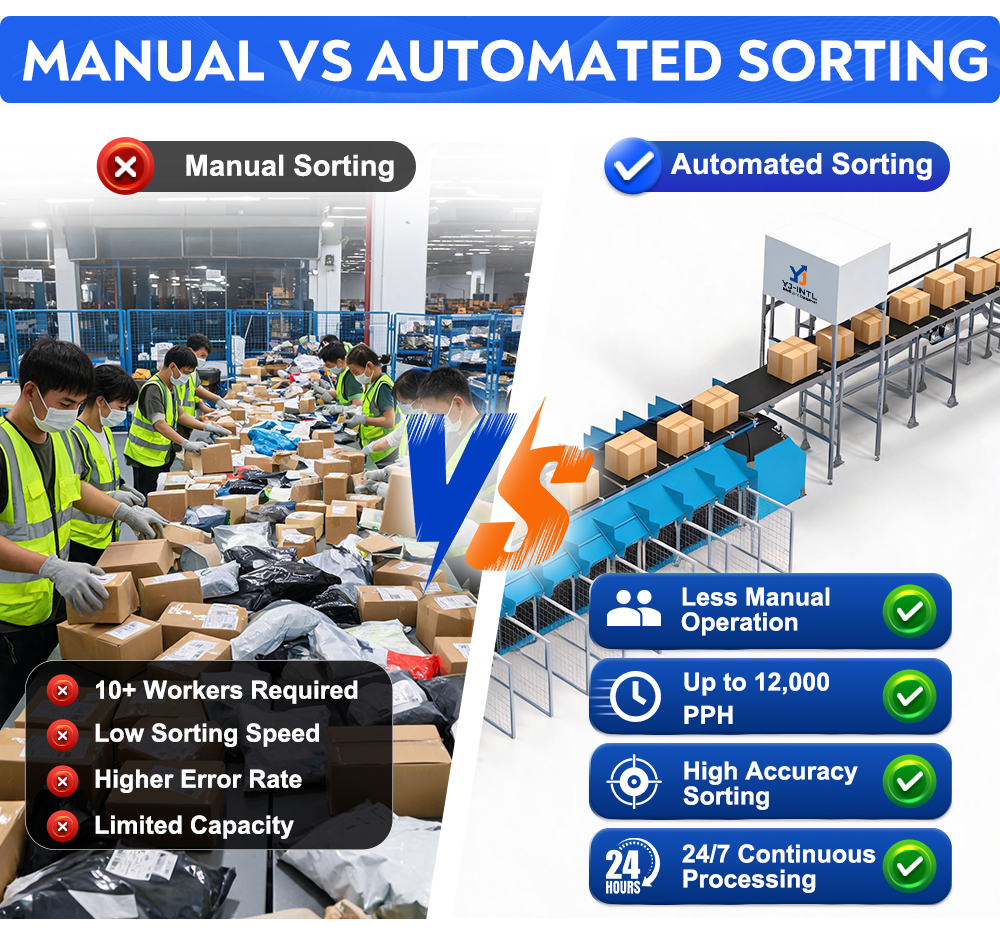
Unlike manual sorting, the system combines parcel identification, carrier tracking, continuous transport and controlled lateral discharge into one coordinated process. Each parcel is assigned to a carrier and routed to its target destination without requiring the main sorting line to stop for each divert.
Why Choose Linear Cross Belt Sorter?
- Continuous parcel flow: Carriers move parcels through the sorting section while destination decisions are executed at defined discharge points.
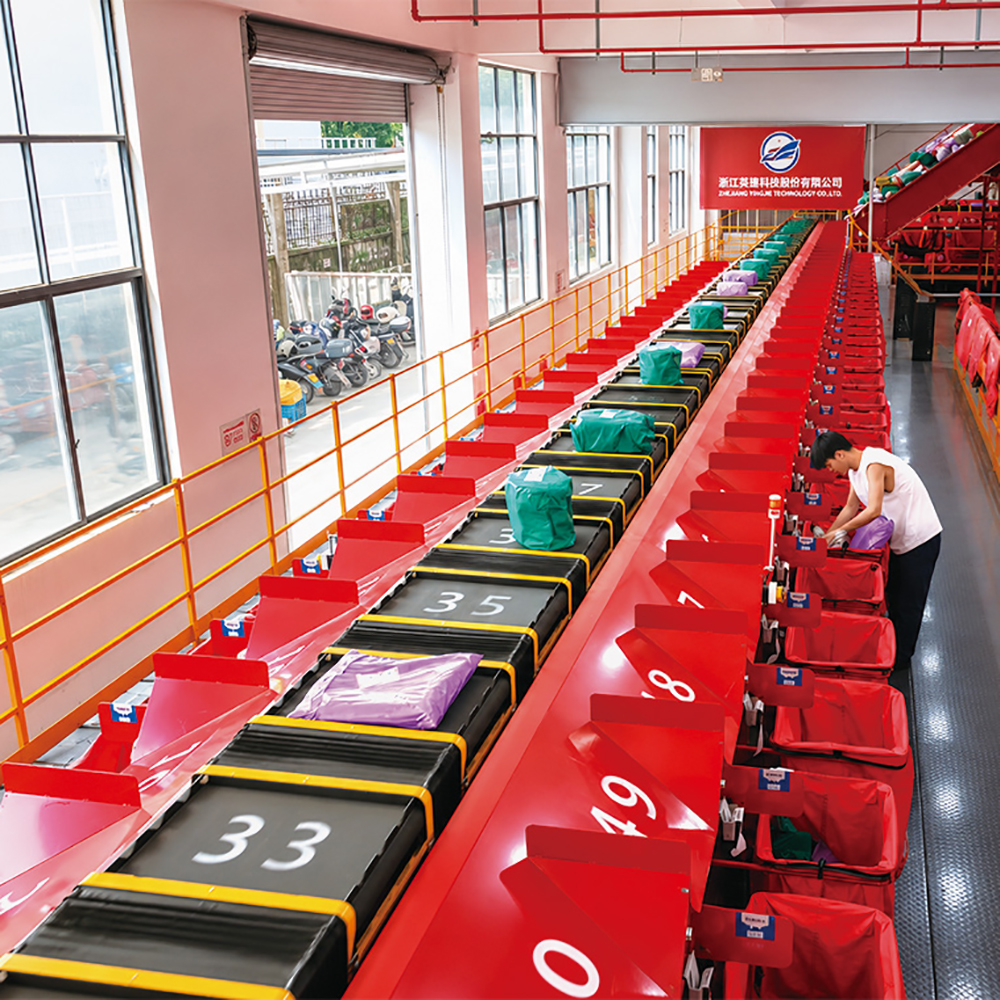
- Controlled lateral discharge: The cross belt transfers the parcel sideways to a chute or takeaway conveyor at the assigned destination.
- High processing capacity: The supplied product material indicates up to 12,000 pieces/hour, subject to final application conditions.
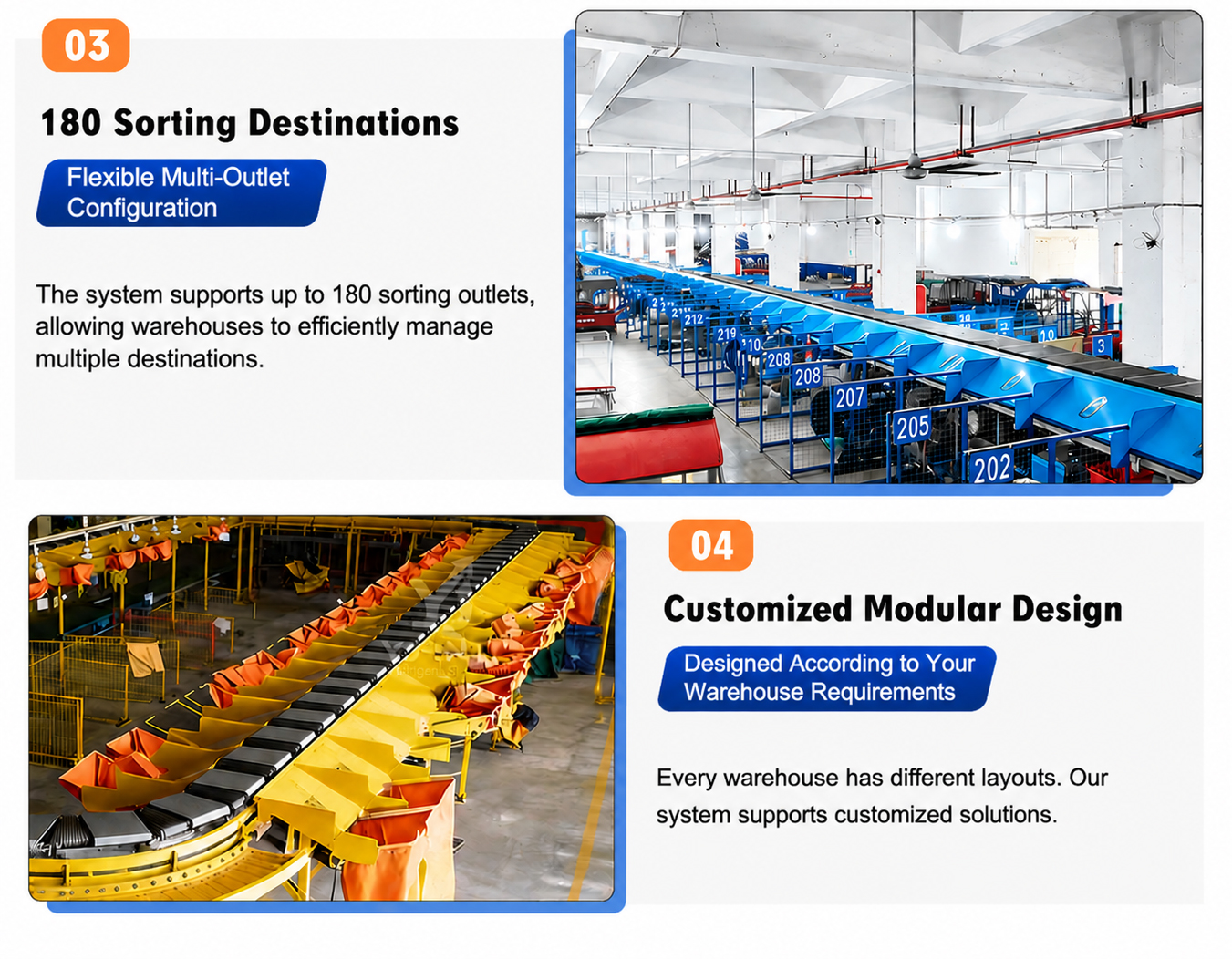
- Flexible destination planning: Chutes, sorting ports and takeaway lines can be arranged around the facility layout and outbound process.
- Data-driven routing: Barcode scanning, weighing, dimensioning and warehouse-control interfaces can be incorporated into the complete solution.
- Project-based engineering: Carrier configuration, induction, layout, controls and downstream interfaces are selected from actual operating requirements rather than a single catalog number.
How the Linear Cross Belt Sorter Works
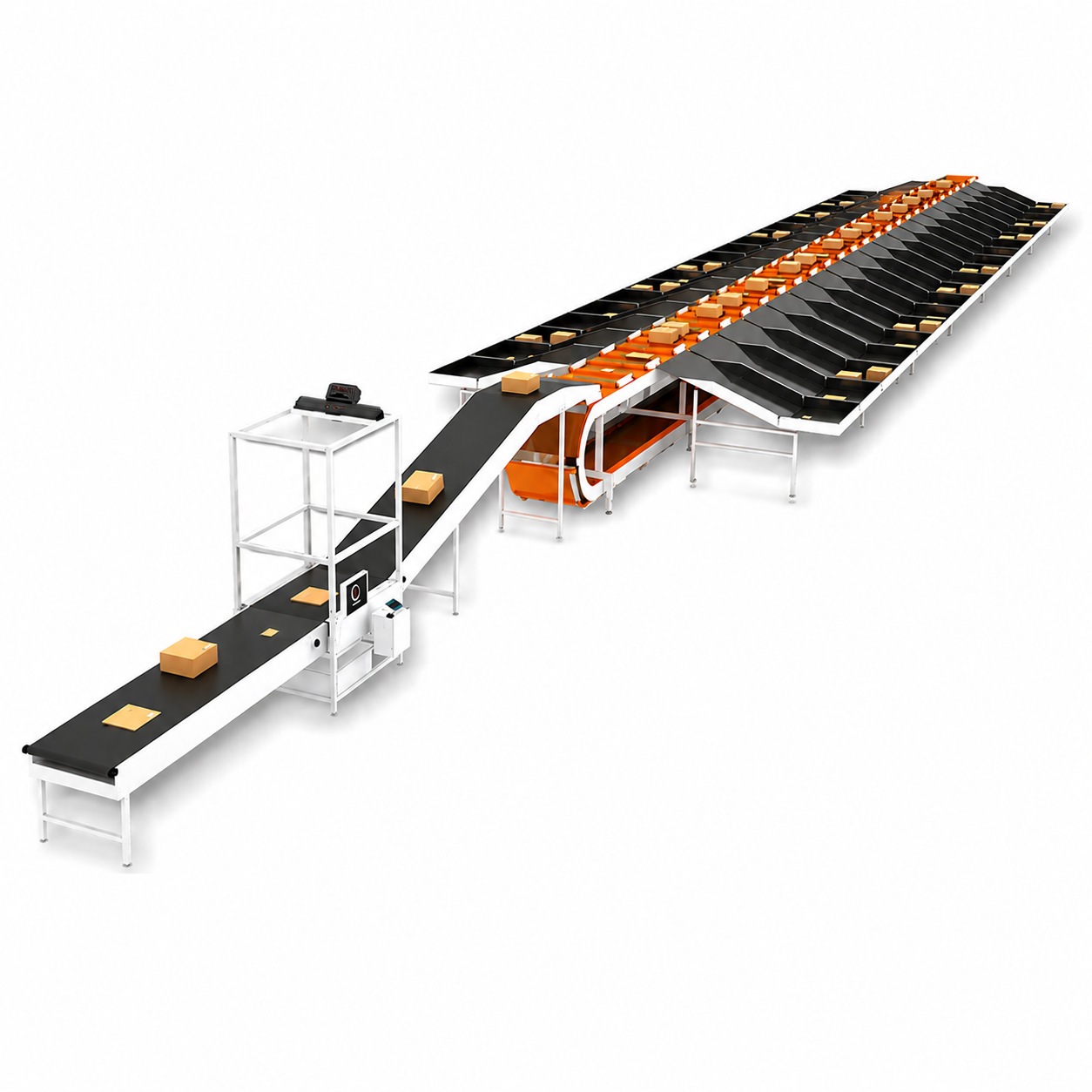
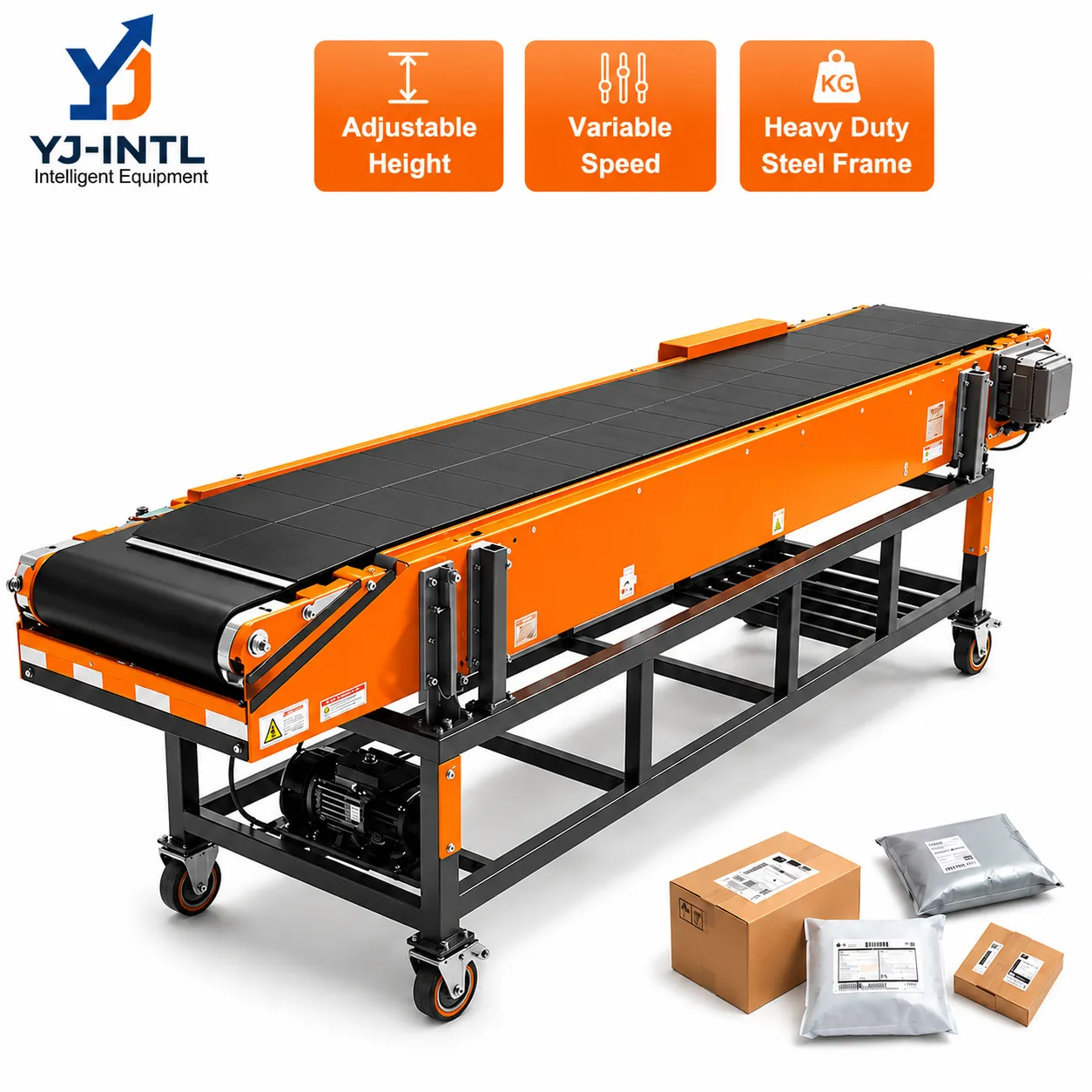
- Induction: Parcels enter the sorter through a manual, automatic or hybrid induction process with controlled spacing.
- Identification: Barcode scanning and, where required, DWS systems capture the parcel information used for routing.
- Carrier assignment: The control system associates the parcel with a cross-belt carrier and its destination.
- Continuous transport: The carrier moves along the linear sorting track while the system tracks parcel position and routing status.
- Destination decision: The control layer determines the required discharge point using the configured routing rules.
- Cross-belt discharge: At the target position, the carrier belt moves laterally and transfers the parcel to the assigned chute or takeaway conveyor.
- Downstream handling: Sorted parcels continue to packing, consolidation, loading, storage or other downstream processes.
System Architecture
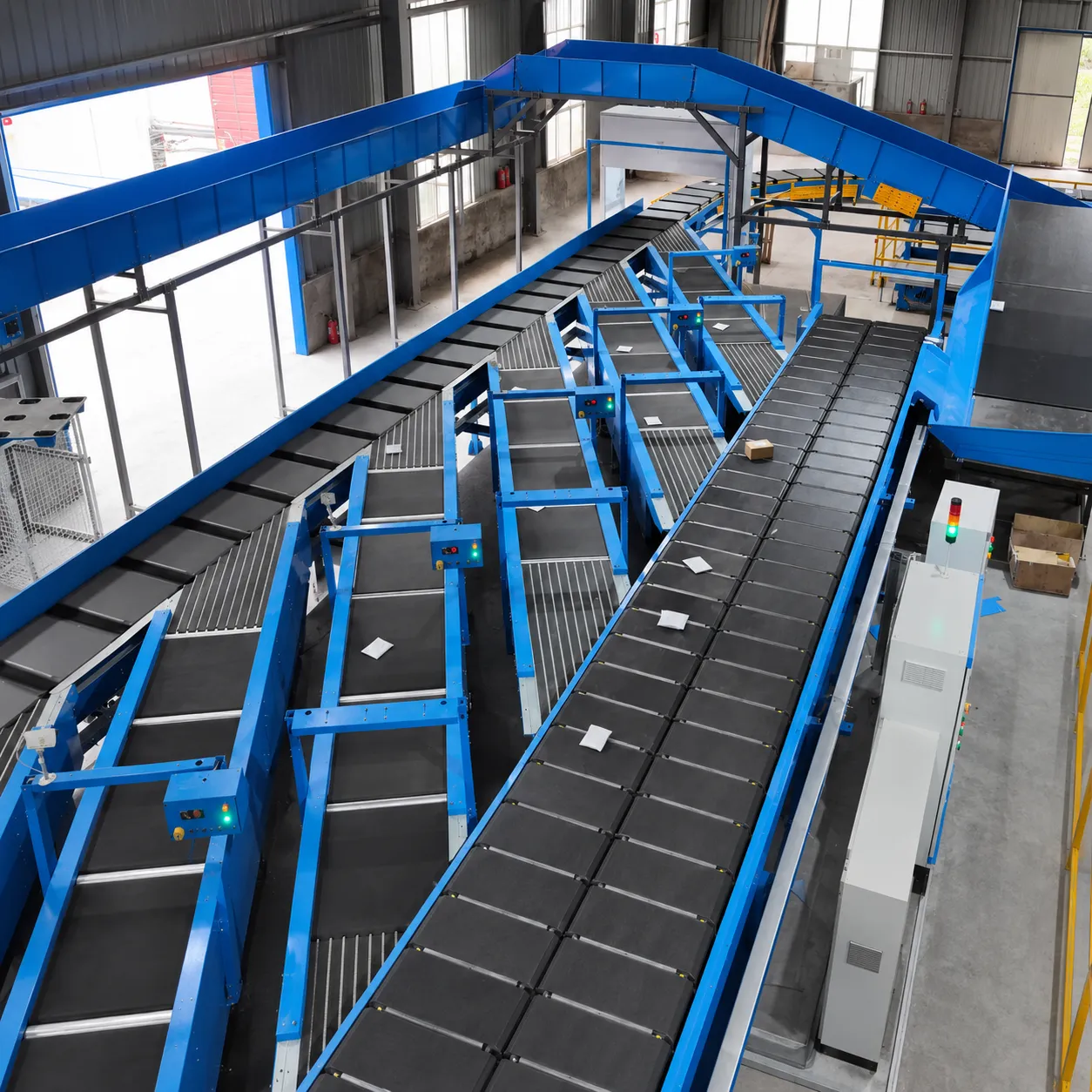
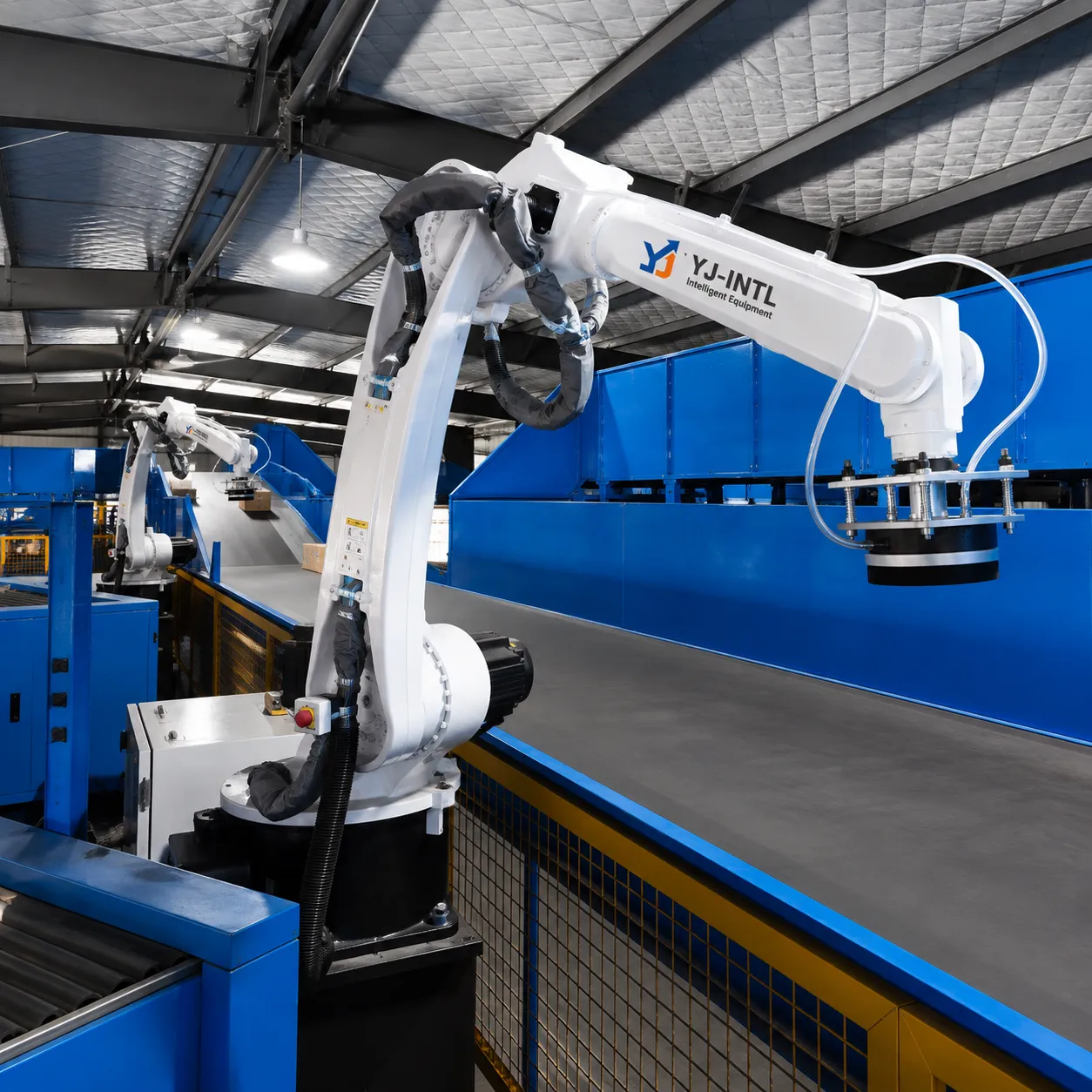
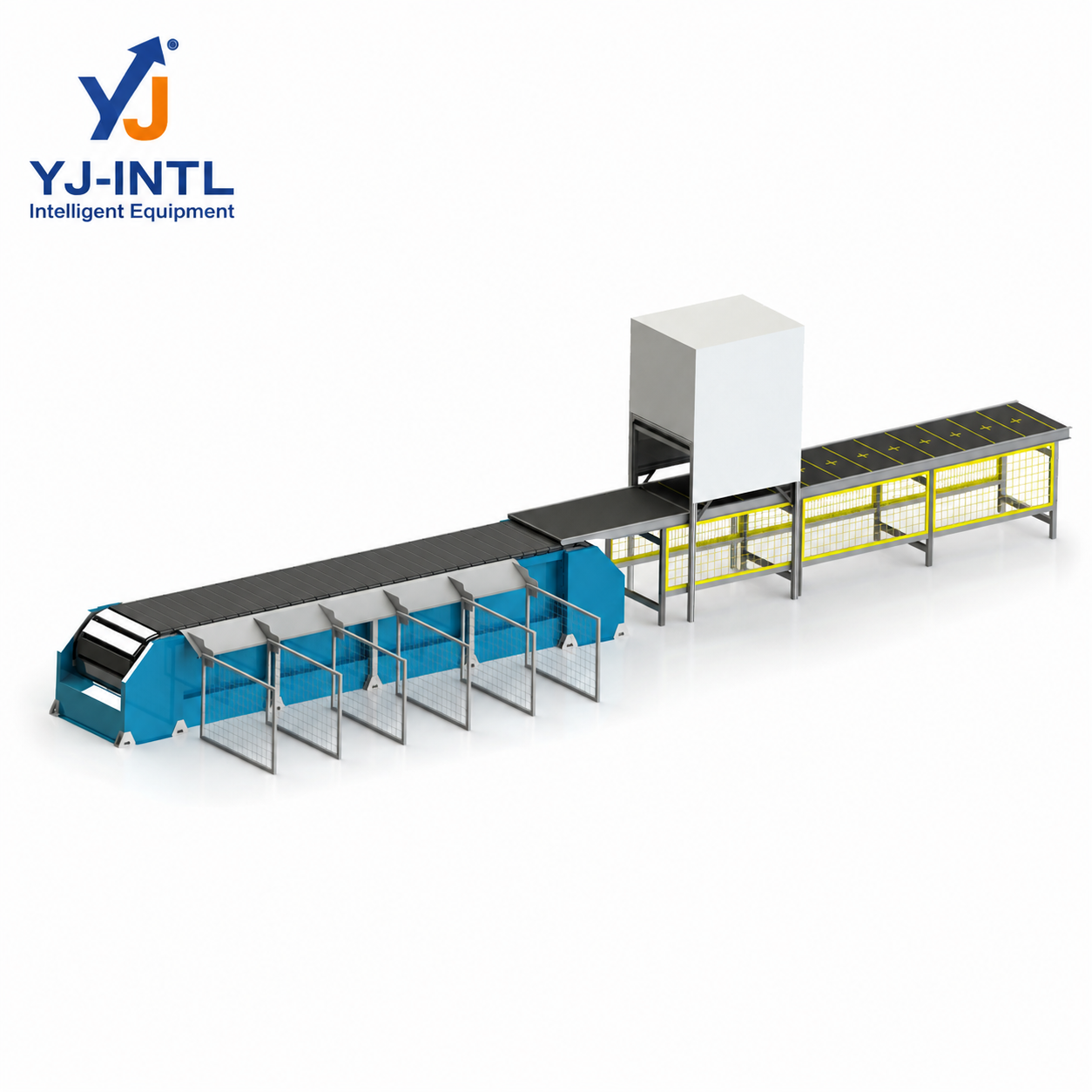
A practical linear cross belt sorting solution is more than the sorter itself. The complete material flow may include induction conveyors, singulation and spacing equipment, barcode readers, DWS, cross-belt carriers, sorting chutes, takeaway conveyors, control hardware and WMS/WCS interfaces.
Engineering Features
Flexible Linear Layout
The linear configuration can be planned around available floor space, induction position, destination count and downstream takeaway routes. Chute positions and line interfaces can be adjusted during layout engineering to fit the operating process.
Integrated Parcel Identification
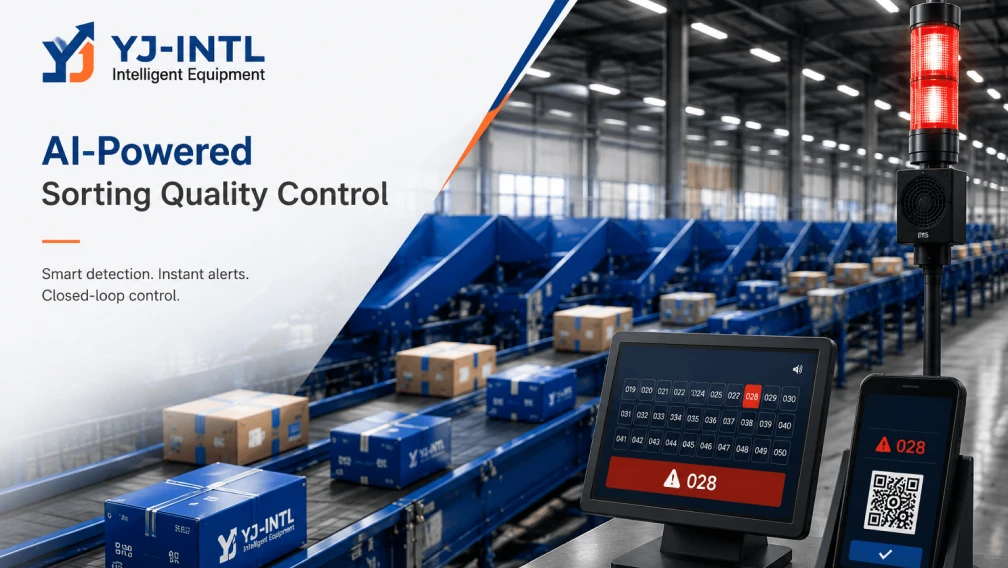
For automated routing, parcel identity must remain associated with the correct carrier throughout the sorting process. Barcode recognition, weighing and dimensioning can be integrated upstream so the control system has the data required for routing and exception management.
Controlled Cross-Belt Discharge
Each carrier uses its cross belt to transfer the parcel laterally at the assigned destination. This controlled discharge approach is useful when multiple destinations must be served from one continuous sorting flow.
WMS/WCS Integration
The sorting layer can be connected with warehouse control and management systems. Interface design should define destination mapping, parcel identification, carrier tracking, divert confirmation, exception handling and equipment status so that software and material flow remain synchronized.
Manual Sorting vs. Automated Sorting
How to Size Linear Cross Belt Sorter?
Sorter selection should not be based on peak hourly volume alone. A sound design considers the parcel distribution, sustained operating pattern, destination structure, induction constraints and downstream capacity.
- Daily volume and peak-hour volume
- Parcel dimensions and weight distribution
- Parcel shape, packaging stability and surface characteristics
- Number of destinations and expected future growth
- Induction method, spacing and operator requirements
- Barcode location, readability and identification rate
- Available floor space, building height and maintenance access
- Chute capacity and downstream takeaway requirements
- WMS/WCS/PLC interface requirements
- Required redundancy, maintenance strategy and future expansion
Applications
The linear cross belt architecture is suitable for operations that need controlled parcel routing across multiple destinations, including express hubs, e-commerce fulfillment, 3PL distribution, retail replenishment, postal and courier operations. The final parcel suitability should be confirmed against the carrier and induction design.
- E-commerce order and parcel distribution
- Express and courier sorting hubs
- 3PL multi-client distribution centers
- Retail store replenishment
- Parcel consolidation and outbound sorting
- Warehouse automation projects requiring integration with conveyors and warehouse software
Solution Design and Project Engineering
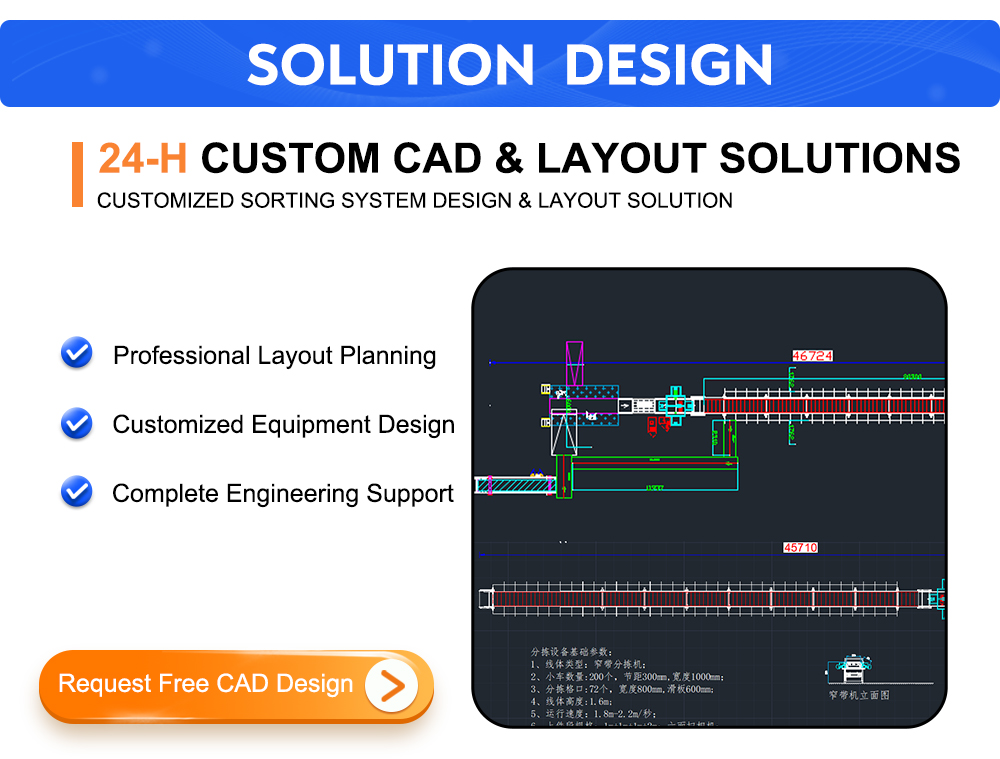
YJ-INTL approaches the linear cross belt sorter as part of an integrated material-flow project. The engineering process can cover process analysis, equipment selection, CAD/layout planning, induction and chute arrangement, control integration and commissioning requirements. The supplied product material also emphasizes custom CAD and layout solutions, supporting a project-specific approach rather than a fixed machine footprint.
For a quotation or preliminary design, provide the parcel profile, daily and peak volumes, destination list, facility layout, induction method, barcode information, downstream process and WMS/WCS interface requirements. These inputs allow the sorter, conveyor network and software interfaces to be evaluated as one system.
Why YJ-INTL?
- Application-based engineering: System parameters are selected from actual parcel and process requirements.
- Complete material-flow planning: Induction, identification, sortation, chutes, takeaway and control interfaces can be considered together.
- Custom layout capability: Sorting ports and equipment arrangement can be developed around the facility and outbound process.
- Integration-oriented design: DWS, barcode identification, WMS/WCS and downstream automation can be incorporated into the solution architecture.
- Engineering validation: Final capacity and parcel limits are confirmed through application review and detailed engineering rather than relying only on headline machine capacity.
FAQ
The supplied YJ-INTL product material presents a maximum sorting capacity of up to 12,000 pieces per hour. Actual sustained throughput depends on carrier pitch, induction rate, parcel mix, identification quality, destination distribution, recirculation and downstream capacity. The final project throughput should therefore be confirmed through engineering rather than treated as a universal operating rate.
The system can be engineered for parcels, cartons, bags and other stable unit loads that fit the final carrier, induction and discharge design. Parcel dimensions, weight, shape, packaging stability and surface conditions should be reviewed before selection, especially for irregular, oversized or unstable items.
Yes. Barcode identification, weighing, dimensioning and DWS functions can be integrated according to the project architecture. The sorter can also exchange routing and status information with WMS/WCS and connect with upstream induction and downstream conveying equipment through defined interfaces.
Each parcel is assigned to a destination after identification and tracking. When its carrier reaches the target position, the cross belt runs laterally and transfers the parcel toward the designated chute or takeaway conveyor without stopping the main carrier flow.
Yes. Sorting destinations, chute positions, line arrangement and takeaway connections can be designed around the warehouse layout, destination count, outbound process and future expansion requirements.
A preliminary engineering review normally requires parcel dimensions and weight distribution, daily and peak volume, destination count, induction method, barcode/read conditions, available floor space, building constraints, chute arrangement, downstream capacity and WMS/WCS interface requirements.
It is well suited to operations where parcel volume, destination count and labor requirements make manual sorting difficult to scale consistently. Automation can provide continuous carrier tracking and controlled discharge, while the final business case should be evaluated against labor, throughput, space, integration and operating requirements.
Final throughput, carrier pitch, operating speed, parcel size and weight range, sorting accuracy, destination count, induction configuration and control architecture are confirmed during application review, layout design, simulation/testing where required and final engineering.